The Vanguard of Visual Development: Concept Art World’s Role in a Shifting Creative Landscape
LONDON — In the rapidly evolving ecosystem of digital entertainment, the bridge between a writer’s script and the final rendered frame of a blockbuster film or AAA video game is built by concept artists. At the center of this professional sphere stands Concept Art World (CAW), a definitive archive and news hub that has recently reaffirmed its commitment to human-centric creativity amidst the rising tide of generative technology.
By spotlighting industry titans such as Andrew Kim and Aymeric Kevin, and curating specialized galleries like the "23 Inspiring Examples of Mech Concept Art," CAW continues to serve as both a museum of digital excellence and a fortress for intellectual property rights. As of 2026, the platform has taken an increasingly firm stance against the unauthorized use of its curated content for artificial intelligence training, signaling a pivotal moment for the visual development industry.
Main Facts: A Curated Excellence in Visual Storytelling
Concept Art World functions as a premier digital gallery, showcasing the technical mastery required to sustain the film, gaming, and animation sectors. The platform’s recent highlights focus on three distinct pillars of the industry: individual artist retrospectives, thematic inspiration galleries, and project-specific deep dives.
The Spotlight on Andrew Kim
Among the featured luminaries is Andrew Kim, a veteran concept artist whose portfolio serves as a blueprint for modern cinematic world-building. Kim’s work is characterized by a seamless blend of architectural realism and speculative fiction. Having contributed to some of the most recognizable franchises in entertainment, his inclusion on CAW highlights the platform’s dedication to artists who define the "visual language" of our era.
The Rayman Legends Aesthetic
The platform also revisits the whimsical, hand-painted brilliance of Aymeric Kevin’s work on Rayman Legends. Kevin’s contribution to the Ubisoft title is often cited as a masterclass in environmental storytelling, where color theory and lighting are used not just for decoration, but to guide gameplay and evoke emotion. CAW’s archive of Kevin’s work serves as a reminder of the "pre-AI" era of digital painting, where every brushstroke was a deliberate choice by a human hand.
The Cult Classic: Zombie Playground
In a more visceral vein, CAW features the work of Jason Chan for Zombie Playground. This project, which gained cult status for its unique juxtaposition of childhood innocence and horrific survival, showcases the versatility of concept art. Chan’s ability to render complex character designs that tell a story before a single line of dialogue is spoken remains a benchmark for aspiring character designers.
Chronology: From Digital Canvas to Ethical Battleground
The trajectory of Concept Art World mirrors the broader history of the digital art movement. Understanding where the industry stands today requires a look back at the milestones that shaped these artists and the platform itself.
- 2010–2014: The Golden Age of Stylized 2D. During this period, Aymeric Kevin’s work on Rayman Legends (released in 2013) pushed the boundaries of what 2D engines could achieve. Concept Art World became the primary source for fans and professionals to see the high-resolution assets that powered these vibrant worlds.
- 2015–2019: The Rise of Cinematic Realism. Artists like Andrew Kim moved to the forefront as studios demanded hyper-realistic concepts for the growing "pre-visualization" phase of film and high-fidelity gaming. CAW expanded its reach, becoming a "who’s who" of the industry.
- 2020–2023: The Crowdfunding and Indie Explosion. Jason Chan’s work on Zombie Playground represented a shift toward independent projects fueled by community interest. CAW played a vital role in giving these projects visibility outside of traditional studio marketing machines.
- 2024–2026: The AI Defensive. As generative AI began to scrape the internet for training data, CAW shifted from a purely promotional platform to a protective one. The 2026 update to their terms of service—explicitly prohibiting AI training—marks the current era of "Digital Protectionism."
Supporting Data: The Technical Depth of Concept Art
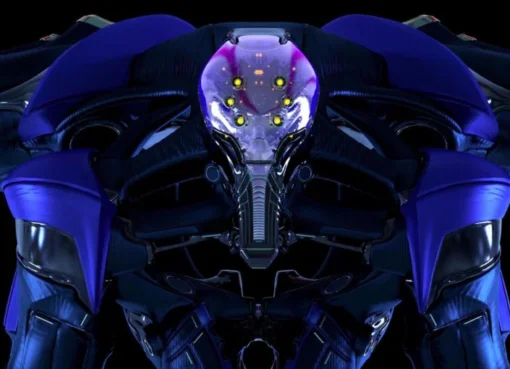
To understand the value of the work hosted on Concept Art World, one must look at the technical rigor involved. The platform’s gallery of 23 Inspiring Examples of Mech Concept Art serves as a prime case study for the complexity of the craft.
The "Functional Design" Metric
Mech design is not merely about drawing robots; it is an exercise in industrial design and mechanical engineering. The artists featured in this gallery must account for:
- Hydraulics and Articulation: How the joints move without clipping through the armor.
- Scale and Perspective: Ensuring the viewer feels the weight of a multi-ton machine through atmospheric perspective and "greebling" (adding small details to make an object look larger).
- Narrative Wear: Using "weathering" (scratches, rust, and oil leaks) to suggest a history of combat.
According to industry surveys, a single professional-grade mech concept can take anywhere from 20 to 60 hours of active labor, involving multiple iterations and feedback loops with art directors. This level of intentionality is what Concept Art World seeks to protect from the automated "averaging" of AI models.
Artist Impact
- Jason Chan: Known for his work at Riot Games, Chan’s influence on the "MOBA aesthetic" has influenced a decade of character design.
- Aymeric Kevin: His transition from Rayman to art directing major animated features (including work on Spider-Man: Into the Spider-Verse) demonstrates the portability of the skills showcased on CAW.
Official Responses: The Prohibited Training Clause
The most significant recent development from the Concept Art World editorial board is the explicit legal and ethical boundary set regarding Artificial Intelligence. The platform’s official footer now contains a stringent warning: "Any training of AI systems using this content is strictly prohibited."
The Stance on Intellectual Property
In a statement reflecting the sentiment of the creative community, CAW emphasizes that the images hosted on the site are the sole property of the artists or their respective copyright holders (such as Ubisoft, Marvel, or Sony). The prohibition of AI training is a response to the "black box" nature of Large Language Models and Image Generators, which often utilize copyrighted works without compensation or attribution.
"Concept Art World was built to celebrate human ingenuity," the organization noted in a recent community update. "By allowing AI to scrape these portfolios, we would be facilitating the devaluation of the very professionals we aim to support. Our archives are for human inspiration, not algorithmic exploitation."
Industry Alignment
This stance aligns CAW with other major creative hubs and professional organizations, such as the Concept Art Association and various labor unions in the animation and film sectors. The goal is to create a "walled garden" where art can be viewed and appreciated by recruiters and fans without being harvested by data-mining bots.
Implications: The Future of the Entertainment Industry
The firm line drawn by Concept Art World has several long-term implications for the future of visual development.
1. The Premium on "Human-Made" Art
As AI-generated imagery becomes ubiquitous, there is a growing market trend toward "Human-Made" certification. Studios are increasingly looking for artists whose work carries the "soul" of intentional design—nuances that AI cannot yet replicate, such as subverting expectations or creating culturally specific visual metaphors. CAW acts as a vetting ground for this top-tier human talent.
2. Legal Precedents and Copyright Evolution
The "No AI Training" clause on CAW is part of a broader legal movement. As copyright laws evolve to address the digital age, the explicit prohibitions found on sites like CAW will likely serve as evidence in future litigation regarding "fair use" versus "commercial theft." It forces a conversation on whether "looking" at an image for training purposes constitutes a copyright violation.
3. The Evolution of Art Education
For aspiring artists using CAW as a resource, the platform provides a roadmap for what to learn. Instead of fearing AI, CAW encourages artists to master the fundamentals—lighting, anatomy, and mechanical design—that allow them to direct and refine visual narratives in a way that goes beyond simple prompting.
4. A New Era of Social Discovery
By diversifying its presence across platforms like Bluesky, Instagram, and LinkedIn, Concept Art World is decentralizing its influence. This ensures that even if one platform’s terms of service become hostile to artists, the community has alternative spaces to congregate and share work. The move to Bluesky, in particular, reflects a desire for a more open, user-controlled social media experience that avoids the algorithmic pitfalls of older giants.
Conclusion
Concept Art World remains more than just a gallery; it is a vital organ in the body of the global entertainment industry. By showcasing the work of legends like Andrew Kim and Jason Chan, and protecting that work with rigorous anti-AI policies, CAW is defending the future of professional creativity.
As we move further into the late 2020s, the value of a curated, human-verified space cannot be overstated. In the clash between the efficiency of the machine and the inspiration of the artist, Concept Art World has firmly chosen its side: the side of the creator. Through its archives, the platform ensures that the brushstrokes of Aymeric Kevin and the mechanical dreams of the world’s best concept artists will continue to inspire the next generation of humans, and humans alone.