
The Vigilante’s Return: Analyzing ‘The Punisher: One Last Kill’ and the Evolution of the MCU’s Street-Level Narrative
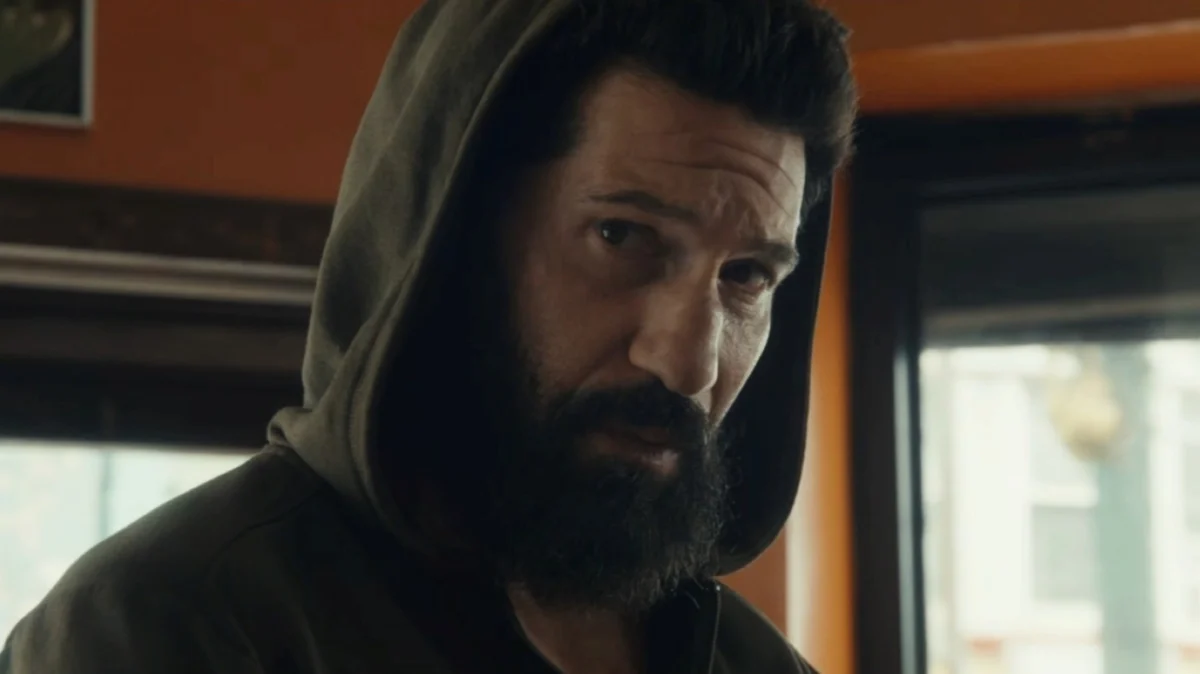
The Marvel Cinematic Universe (MCU) has long been defined by its cosmic stakes and multiversal shifts, but recent developments have signaled a return to the gritty, grounded streets of New York City. At the center of this revival is Frank Castle, the uncompromising vigilante known as the Punisher. With the release of the Marvel Studios Special Presentation, The Punisher: One Last Kill, star Jon Bernthal makes a visceral return to the role that defined a corner of the Marvel-Netflix era.
Directed by Reinaldo Marcus Green and co-written by Green and Bernthal himself, the special serves as a critical bridge between the events of Daredevil: Born Again and the highly anticipated theatrical release of Spider-Man: Brand New Day. However, its true significance lies in its narrative restraint—a move that marks a potential turning point for Disney+’s strategy regarding interconnected storytelling.
Main Facts: The Dark Night of Frank Castle
The Punisher: One Last Kill is a standalone special that prioritizes character study over franchise-building. The narrative finds Frank Castle in a state of self-imposed exile, following his brief and tumultuous alliance with Matt Murdock (Charlie Cox) during the first season of Daredevil: Born Again. While the broader MCU was occupied with the political machinations of Mayor Wilson Fisk (Vincent D’Onofrio) in Born Again Season 2, Castle was engaged in what the special describes as a "dark night of the soul."
The plot is deceptively simple: Frank Castle embarks on a relentless campaign to dismantle a burgeoning criminal syndicate that has moved into the vacuum left by the fall of previous crime lords. The special features the signature brutality associated with the character, showcasing Castle’s tactical brilliance and unyielding resolve. However, the emotional core of the story focuses on Frank’s internal struggle—his inability to escape the cycle of violence and his eventual acceptance of the Punisher mantle as a permanent identity rather than a temporary burden.
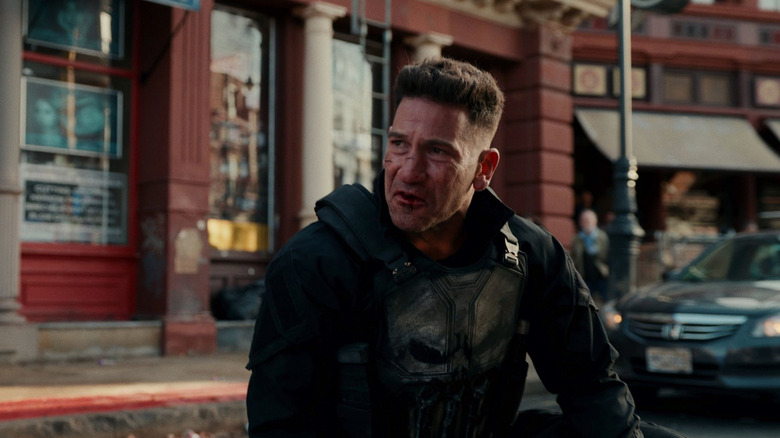
The special concludes with a pivotal visual beat: Frank Castle donning his classic bulletproof vest emblazoned with the white skull logo. This serves as a definitive statement that the character has moved past his period of uncertainty, fully prepared for his next appearance in the cinematic landscape.
Chronology: Mapping the Punisher’s Path Through the MCU
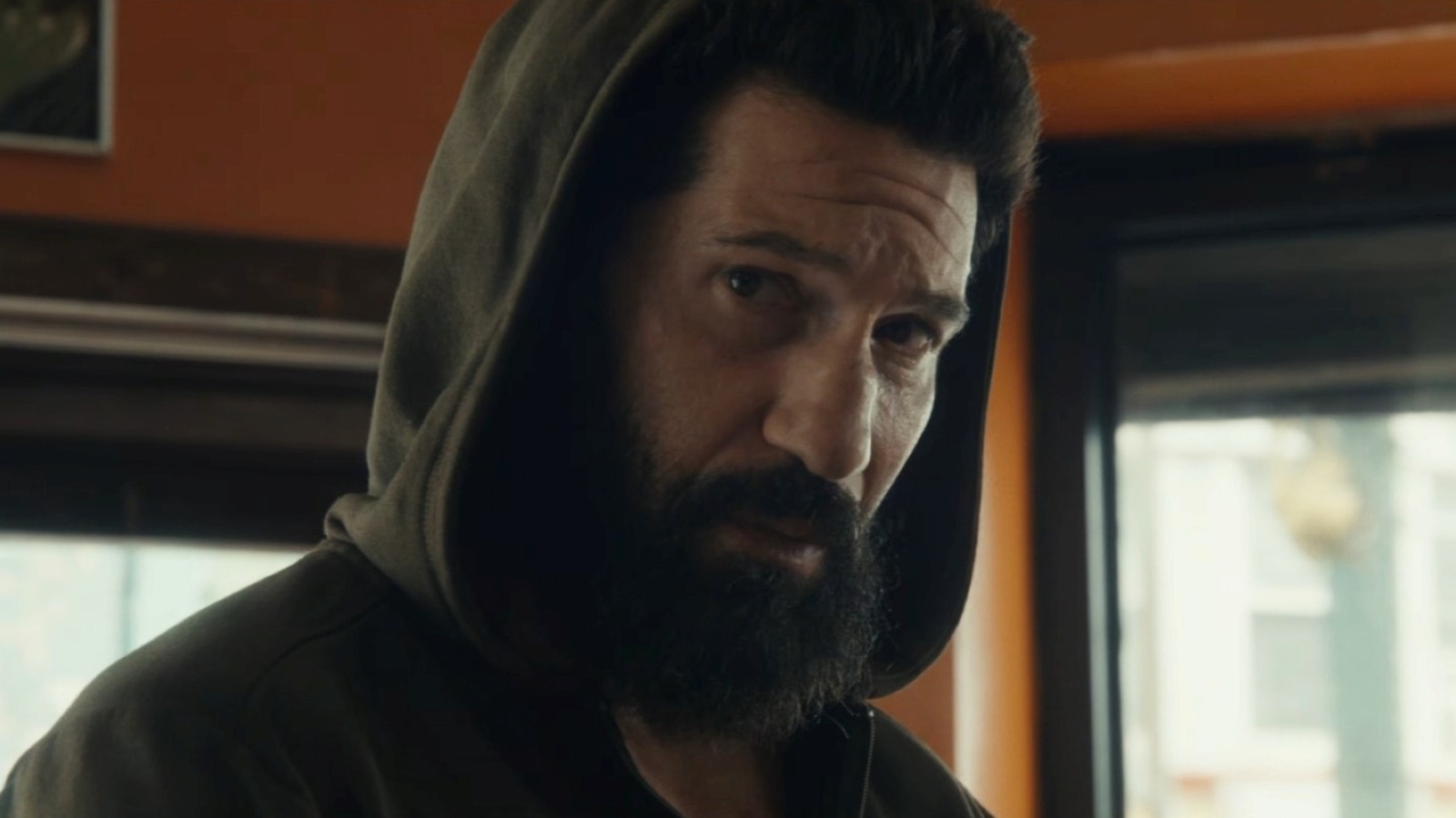
To understand the weight of One Last Kill, one must examine the chronological journey of Frank Castle within the live-action Marvel framework. The character’s history is a complex weave of different production eras and narrative shifts.
- The Netflix Introduction (2016–2019): Frank Castle debuted in the second season of Daredevil on Netflix, serving as a philosophical foil to Matt Murdock. This was followed by two seasons of The Punisher solo series, which explored Castle’s military past and the conspiracy surrounding his family’s murder.
- The MCU Integration (Post-2021): Following the cancellation of the Netflix shows, the "street-level" heroes were slowly integrated into the main MCU timeline. This began with Charlie Cox’s appearance in Spider-Man: No Way Home and Vincent D’Onofrio’s role in Hawkeye.
- Daredevil: Born Again Season 1: Frank Castle officially returned to the screen, reuniting with Murdock. The season ended with Castle going his separate way, refusing to adhere to Murdock’s "no-kill" rule as the city descended into further chaos.
- The Gap (Born Again Season 2): During the events of the second season of Daredevil: Born Again, Castle is conspicuously absent. One Last Kill explains this absence by detailing his private war in the outskirts of the city.
- One Last Kill (The Present): This special serves as the connective tissue, providing the emotional and logistical justification for Castle’s current status.
- Spider-Man: Brand New Day (Upcoming): The special sets the stage for Castle’s involvement in the next Spider-Man film, where he is expected to cross paths with Tom Holland’s Peter Parker in a city that has become increasingly hostile to vigilantes.
Supporting Data: Production and Visual Symbolism
The production of One Last Kill reflects a deliberate shift in how Marvel Studios approaches its television content. By opting for the "Special Presentation" format—previously utilized for Werewolf by Night and the Guardians of the Galaxy Holiday Special—the studio allowed Reinaldo Marcus Green to craft a self-contained experience.
The Collaborative Script
A notable data point in the production is the writing credit. Jon Bernthal’s involvement in the script highlights his protective nature toward the character. Bernthal has frequently stated in interviews that he would only return to the role if the "integrity" of Frank Castle remained intact. The collaboration between Green and Bernthal resulted in a script that focuses on "the silence between the bullets," emphasizing Castle’s isolation and trauma.
The Symbolism of the Skull
The visual language of the special is heavily centered on the Punisher’s gear. Throughout much of the special, Frank is seen in civilian or tactical gear without the iconic skull. The narrative choice to withhold the "uniform" until the final act mirrors the character’s internal journey of earning—or resigning himself to—the title. In the context of the MCU, where costumes are often high-tech and sleek, Frank’s weathered, hand-painted vest stands as a symbol of low-tech, high-impact resistance.
Technical Specifications
The special utilizes a grittier color palette and a higher frame-rate for action sequences compared to the more polished Avengers-style films. This aesthetic choice aligns the special more closely with the "Netflix-core" style that fans originally fell in love with, while still maintaining the high production values of a Marvel Studios project.
Official Responses: Addressing the "Homework" Problem
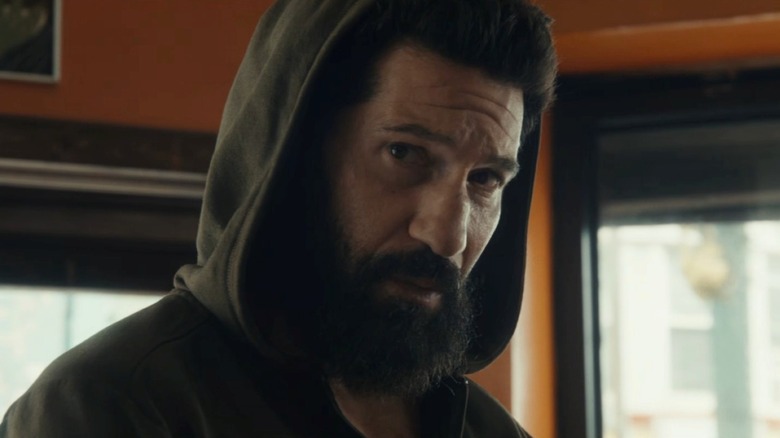
For years, the primary criticism leveled against the MCU has been the "homework" factor—the requirement that audiences watch dozens of hours of streaming content to understand a two-hour movie. Marvel Studios leadership has recently signaled a desire to move away from this model, and One Last Kill is a primary example of this new philosophy.
Industry insiders suggest that Disney CEO Bob Iger and Marvel Studios President Kevin Feige have pivoted toward "Marvel Spotlight" and "Special Presentation" labels to alleviate viewer fatigue. By making One Last Kill a standalone story, Marvel is testing a modular approach to storytelling.
"The goal was to make a great Frank Castle story first, and a piece of the MCU second," a source close to the production noted. "If you saw the Netflix shows, you get the references. If you didn’t, you still get a complete story about a man trying to find his way through the dark. You don’t need a spreadsheet to enjoy this."
This approach allows the upcoming Spider-Man: Brand New Day to introduce the Punisher to a broader audience without requiring them to have seen One Last Kill. For the general moviegoer, Frank Castle will simply be a formidable force of nature; for the "completist" fan, the special provides the rich backstory of how he got there.
Implications: The Future of Street-Level Marvel
The ending of One Last Kill carries significant implications for the future of the MCU’s street-level roster. By positioning Frank Castle back in his classic attire and in a state of peak lethality, Marvel is setting the stage for a much more grounded and perhaps more violent phase of the franchise.
The Spider-Man Collision
The most immediate implication is the upcoming interaction with Peter Parker. In Spider-Man: Brand New Day, Peter is reportedly operating in a more isolated capacity, having been forgotten by the world at the end of No Way Home. The presence of a lethal vigilante like the Punisher creates a moral vacuum for Peter to navigate. Unlike the mentorship Peter received from Tony Stark or the guidance from Doctor Strange, his encounter with Frank Castle will likely be one of ideological conflict.
The "Born Again" Ripple Effect
While One Last Kill stayed away from the Mayor Fisk storyline, the implications of Fisk’s power in New York remain. The special suggests that while Murdock fights Fisk in the courts and on the rooftops, Castle is dismantling the infrastructure that Fisk relies on from the bottom up. This two-pronged attack on organized crime suggests a more coordinated, albeit unofficial, effort among the New York heroes moving forward.
A New Template for Disney+
Finally, the success of One Last Kill may dictate the future of other dormant Marvel characters. If a one-off special can successfully revitalize a character like the Punisher without the bloat of a six-episode series, we may see similar presentations for characters like Ghost Rider, Jessica Jones, or Luke Cage.
In conclusion, The Punisher: One Last Kill is more than just a bridge between seasons of television and feature films. It is a refinement of the Punisher’s identity and a strategic pivot for Marvel Studios. By embracing a standalone, character-driven format, the MCU has managed to bring back one of its most complex anti-heroes with his dignity—and his lethality—fully intact. As Frank Castle stares out into the New York skyline in the special’s final frames, the message is clear: the "Brand New Day" for the MCU will be written in blood and shadow.

Leave a Comment