Chisomaga Umenyi Ignites the Literary World with "Instructions for Becoming Fire" in Uncanny Magazine
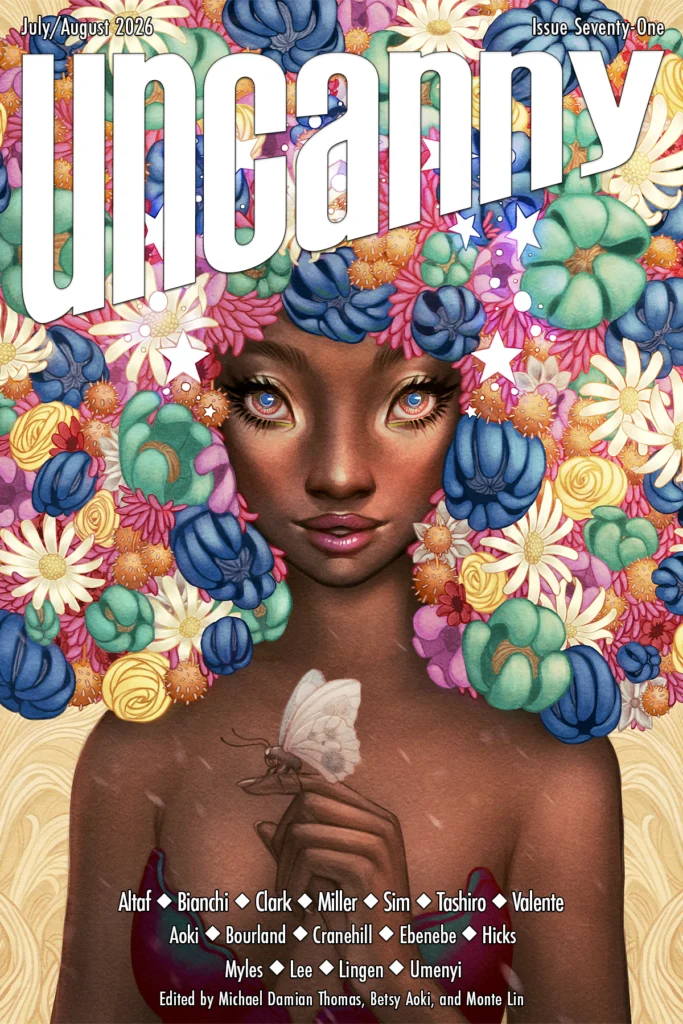
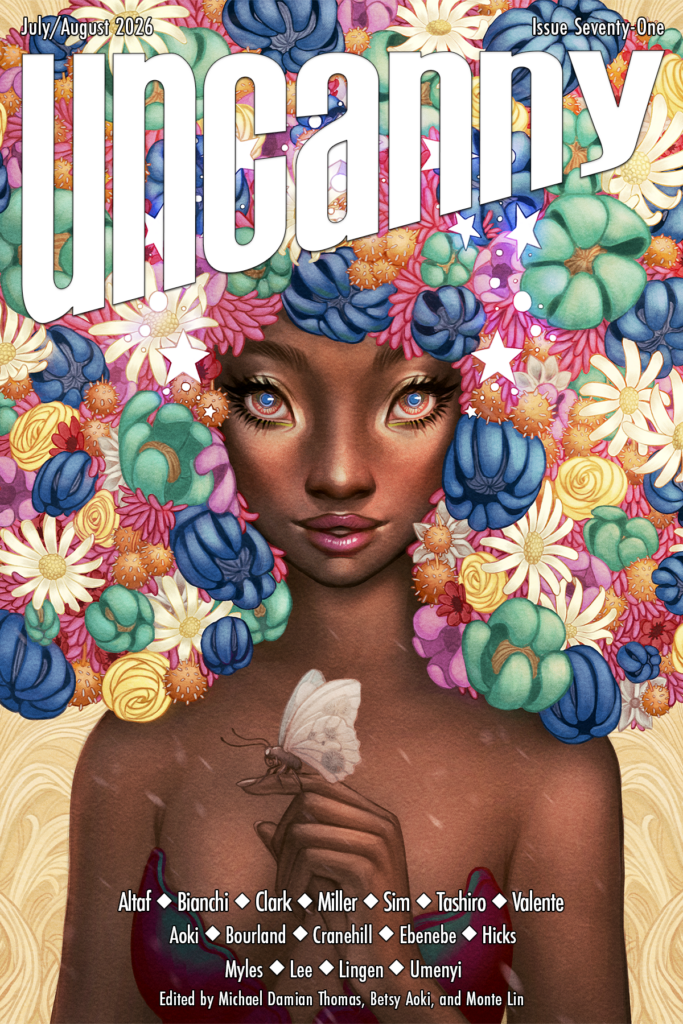
NEW YORK, NY – In a powerful declaration of resilience and self-assertion, Nigerian writer and pharmacy student Chisomaga Umenyi has captivated the literary sphere with her latest poem, "Instructions for Becoming Fire," featured prominently in Uncanny Magazine Issue Seventy-One. The 161-word piece, a searing testament to inner strength and the refusal to be diminished, has quickly emerged as a poignant voice in contemporary poetry, resonating with readers globally for its universal themes of empowerment and transformation.
Umenyi, an increasingly recognized talent in the literary landscape, delivers a masterclass in evocative imagery and unflinching resolve. Her poem serves not just as a narrative, but as a visceral guide for those who have experienced suppression, encouraging them to transmute past hurts into an unyielding source of power. The publication in Uncanny Magazine, a celebrated bastion for speculative fiction and poetry, underscores the poem’s profound impact and the magazine’s commitment to showcasing diverse, compelling voices that challenge and inspire.
The poem’s raw energy and transformative message are further amplified through its inclusion in the Uncanny Magazine Podcast, Episode 71A, where it is read by Matt Peters. This multimodal presentation ensures that Umenyi’s potent verses reach a broad audience, cementing "Instructions for Becoming Fire" as a significant cultural artifact of 2026.
The Spark of Resilience: Main Facts of a Poetic Revelation
Chisomaga Umenyi’s "Instructions for Becoming Fire," published in Uncanny Magazine Issue Seventy-One, is more than just a poem; it is a manifesto for the spirit. At its core, the work champions the arduous yet ultimately triumphant journey of transforming swallowed words and humiliation into an inextinguishable inner flame. The poem’s concise structure belies its profound depth, offering a series of imperatives that guide the reader from a state of suppressed suffering to one of formidable, unyielding power.
The author, Chisomaga Umenyi, is a Nigerian writer and a pharmacy student at the University of Nigeria, Nsukka. Her dual pursuit of science and art imbues her writing with a unique blend of precision and profound human insight. Her previous works have graced the pages of esteemed publications such as Midnight and Indigo, Stripe Magazine, Sublunary Magazine, Ake Review, and Ojuju Magazine, signaling her consistent emergence as a significant voice. The inclusion of "Instructions for Becoming Fire" in Uncanny Magazine, known for its award-winning speculative fiction and poetry, marks another notable milestone in her burgeoning career.
The poem, copyright 2026, was officially released as part of Issue Seventy-One of the magazine. Its accessibility is further enhanced by its presence on the Uncanny Magazine Podcast, Episode 71A, with an evocative reading by Matt Peters, ensuring that its powerful message transcends the printed page. This strategic dissemination highlights the poem’s immediate relevance and its capacity to resonate across various media, reaching an audience eager for narratives of strength and defiance.
The central theme revolves around self-liberation from societal or personal constraints that enforce silence and diminish self-worth. Umenyi skillfully employs the metaphor of fire – from kindling to ember, flame, steam, and phoenix-like ash – to illustrate a transformative process that culminates in an unyielding assertion of one’s true self. It’s a call to embrace one’s intensity, to refuse to shrink for the comfort of others, and to carry one’s "light, unbroken." The poem culminates in a defiant declaration: "One day, / someone will say they cannot look at you. / Do not flinch. / That is what fire is for." This final instruction encapsulates the poem’s essence: that true empowerment often manifests as a truth too bright for some to behold, and that this very intensity is the ultimate purpose of one’s transformed self.
The Author’s Ascent: A Chronology of Literary Milestones
Chisomaga Umenyi’s journey to the pages of Uncanny Magazine is a testament to a burgeoning literary talent, meticulously cultivated through consistent output and a distinctive voice. While the precise chronology of "Instructions for Becoming Fire’s" creation remains a private journey for the poet, its publication within Issue Seventy-One of Uncanny Magazine in 2026 represents a significant culmination of her evolving craft and growing recognition.
Umenyi’s literary presence began to solidify with publications in a diverse array of literary journals and magazines. Her works have appeared in Midnight and Indigo, a platform dedicated to Black women writers; Stripe Magazine; Sublunary Magazine; Ake Review, an important voice in African literature; and Ojuju Magazine. Each of these publications served as crucial stepping stones, allowing Umenyi to hone her craft, experiment with themes, and establish her unique poetic cadence. This consistent output demonstrates an author deeply committed to exploring the nuances of human experience through her writing.
The decision to submit to Uncanny Magazine likely stemmed from its reputation as a premier venue for speculative and fantastical literature, often pushing the boundaries of genre and form. Uncanny has a history of championing voices that are bold, innovative, and deeply human, making it an ideal home for a poem as intensely personal and universally resonant as "Instructions for Becoming Fire." The acceptance and subsequent publication in Issue Seventy-One not only signify a validation of Umenyi’s poetic prowess by a highly respected editorial team but also mark her entry into a broader, international literary discourse.
Following its print and digital release, the poem’s reach was strategically extended through its inclusion in the Uncanny Magazine Podcast, Episode 71A. This audio adaptation, featuring the interpretive reading by Matt Peters, ensures that the poem’s rhythmic power and emotional depth are experienced through another sensory dimension. This chronological progression — from creation, to publication in a respected journal, and finally to an accessible audio format — illustrates a thoughtful strategy for maximizing the poem’s impact and solidifying Umenyi’s place as an author whose work deserves widespread attention and engagement. The synergy between written word and spoken performance further enhances the poem’s accessibility and its potential for profound connection with a diverse readership and listenership.
The Architecture of Empowerment: Supporting Data and Poetic Analysis
"Instructions for Becoming Fire" is a masterclass in metaphorical language and thematic depth, offering a blueprint for internal revolution. The poem’s structure, free verse, and powerful imagery coalesce to create a compelling narrative of defiance against suppression.
The Foundation of Fuel: Silence and Humiliation as Tinder
Umenyi begins with a striking directive: "Begin with every swallowed word. / Pile them carefully, / as though silence were wood / and humiliation tinder." This opening stanza immediately establishes the poem’s core premise: that past suffering, often perceived as debilitating, can be transmuted into the very fuel for transformation. The "swallowed word" represents unspoken truths, suppressed opinions, and silenced voices—a common experience for many who feel marginalized or disempowered. By equating silence with "wood" and humiliation with "tinder," Umenyi reframes these negative experiences not as burdens, but as essential components for ignition, suggesting a deliberate and powerful act of reclaiming one’s narrative.
The Ignition: Striking Memory to Spark Change
The poem progresses to the act of ignition: "Strike memory against memory / until sparks come. / Do not fear the crackle." This is the internal confrontation, the courageous act of revisiting past pains and injustices. It implies that true change doesn’t come from forgetting, but from actively engaging with one’s history, even if that engagement is uncomfortable or painful ("Do not fear the crackle"). The "sparks" symbolize the initial flicker of anger, realization, or resolve that precedes a full-blown awakening.
The Metamorphosis: Filling Lungs with Flame, Bones with Ember
The transformation itself is vividly rendered: "Let your lungs fill with flame, / not apology. / Let your bones harden into ember." This stanza signifies a profound internal shift. The "lungs filled with flame" replace the breath of apology or subservience with the very essence of power and truth. The hardening of "bones into ember" speaks to an enduring, fundamental change at one’s core, an unshakeable resilience that forms the very structure of one’s being. Ember, though not a roaring flame, holds intense heat and is incredibly difficult to extinguish, symbolizing a deep-seated, persistent strength.
Defiance and Rebirth: Steam from Water, Rise from Ash
External attempts to suppress this newfound power are met with even greater defiance: "When they pour water on you, / steam. / When they bury you in ash, / rise from it." Water, typically used to quench fire, is here transformed into "steam"—a powerful, visible force that signifies pressure, presence, and an inability to be contained. The imagery of rising from ash directly invokes the myth of the phoenix, symbolizing rebirth, renewal, and the cyclical nature of power emerging from destruction. It reinforces the idea that attempts to extinguish one’s spirit only serve to make it stronger and more evident.
Unflinching Presence: Claiming Light, Refusing to Shrink
The poem then delivers direct imperatives for self-preservation and assertion: "Do not shrink for their comfort. / Do not fold yourself small. / Claim your light, / and carry it unbroken." These lines are a powerful rejection of self-diminishment for the sake of others’ ease or discomfort. They advocate for an unapologetic embrace of one’s full self, emphasizing the importance of maintaining one’s inherent radiance and truth, an "unbroken light."
The Ultimate Vindication: The Purpose of Fire
The poem culminates in a stark, empowering statement about the consequence of this transformation: "One day, / someone will say they cannot look at you. / Do not flinch. / That is what fire is for." This final stanza is the poem’s triumphant conclusion. The inability of others to "look at you" is not a sign of failure, but a testament to the intensity and power of the self that has been forged. It implies that authenticity and unyielding self-expression can be confronting, even blinding, to those accustomed to one’s former, diminished state. The command "Do not flinch" reinforces the unwavering resolve, and the declaration "That is what fire is for" provides the ultimate justification for the entire transformative process—to be a force that cannot be ignored, a truth that burns too brightly for comfortable denial.
The poem’s brilliance lies in its ability to be intensely personal yet universally applicable. It speaks to anyone who has felt silenced, undervalued, or pressured to conform. Umenyi’s controlled yet passionate language, combined with her strategic use of metaphor, creates a piece that is both a lyrical instruction manual and a profound emotional experience. Her work aligns with a growing movement in contemporary poetry that prioritizes emotional honesty, social commentary, and the celebration of marginalized voices.
Editorial Endorsement and Public Platforms: Official Responses
The "official response" to Chisomaga Umenyi’s "Instructions for Becoming Fire" is primarily embodied by its publication within Uncanny Magazine itself and the subsequent editorial decision to feature it prominently on their podcast. For a literary work, particularly poetry, the act of selection and publication by a respected journal like Uncanny serves as the most significant endorsement of its quality, relevance, and impact.
The very existence of "Instructions for Becoming Fire" in Uncanny Magazine Issue Seventy-One speaks volumes. Uncanny Magazine has built a reputation for publishing award-winning speculative fiction and poetry that is not only imaginative but also deeply resonant with contemporary social and emotional landscapes. Its editorial team, known for their discerning taste and commitment to diverse narratives, clearly recognized the potent force and artistic merit within Umenyi’s poem. This decision underscores the poem’s ability to transcend traditional genre boundaries, appealing to a readership that appreciates speculative elements (the metaphorical transformation of self into fire) alongside profound human insight.
Further testament to the poem’s perceived significance is the editors’ decision to include it in the Uncanny Magazine Podcast, Episode 71A. The "Editors’ Note" explicitly states: “‘Instructions for Becoming Fire’ is read by Matt Peters on the Uncanny Magazine Podcast, Episode 71A.” This is more than a mere announcement; it’s an active promotion of the poem through an alternative, highly accessible medium. In an increasingly multimedia-driven world, presenting poetry in an audio format not only broadens its audience but also allows for a different, often more intimate, experience of the text. Matt Peters’s reading adds an interpretive layer, giving voice to Umenyi’s powerful words and potentially amplifying their emotional impact for listeners. The provision of direct links to "Play in new window" or "Download" the podcast episode further facilitates engagement, demonstrating a proactive effort by the magazine to ensure the poem’s widespread reception.
While "official responses" in the journalistic sense typically refer to statements from government bodies or corporations, in the literary context, the actions of the publishing entity – their selection, presentation, and promotion – constitute the primary form of official acknowledgment and endorsement. Uncanny Magazine’s full embrace of "Instructions for Becoming Fire" signifies their belief in its artistic excellence and its capacity to contribute meaningfully to contemporary literary discourse. It positions the poem not just as another entry in an issue, but as a highlight, worthy of special attention and broad dissemination. This editorial backing provides a strong foundation for the poem’s subsequent critical reception and its enduring impact on readers.
Beyond the Page: Implications and Lasting Resonance
The publication of "Instructions for Becoming Fire" by Chisomaga Umenyi carries significant implications, extending from the author’s burgeoning career to the broader landscape of contemporary poetry and societal discourse. The poem is not merely a work of art; it is a catalyst, a mirror, and a call to action.
Implications for Chisomaga Umenyi’s Career:
For Umenyi, this publication in Uncanny Magazine is a pivotal moment. It elevates her profile within international literary circles, building upon her already impressive list of publications. Uncanny is a highly respected platform, and being featured here signals to editors, critics, and readers alike that Umenyi is an author of considerable talent and depth. This exposure can open doors to further opportunities, including potential collections, awards, and broader critical engagement. It solidifies her position as an emerging voice, particularly from Nigeria, contributing to the rich tapestry of global literature. Her unique background as a pharmacy student adds another layer to her identity, suggesting a mind that bridges scientific precision with poetic insight, a combination that often yields compelling perspectives.
Implications for Contemporary Poetry:
"Instructions for Becoming Fire" contributes to the ongoing evolution of contemporary poetry, particularly its role in addressing personal and societal resilience. The poem’s unapologetic stance on self-assertion and its rejection of conformity align with a growing trend in modern poetry that champions authenticity, challenges oppressive norms, and empowers marginalized voices. It serves as an excellent example of how concise, metaphorical language can convey profound and complex emotional truths. Its thematic resonance with self-empowerment and defiance against external pressures makes it a timely and relevant piece, likely to inspire other poets and influence thematic explorations within the genre.
Implications for Readers and Society:
Perhaps the most profound implications lie in the poem’s impact on individual readers and its broader societal resonance. "Instructions for Becoming Fire" offers a potent metaphor for anyone who has felt silenced, humiliated, or pressured to diminish themselves. It provides a lyrical framework for processing past trauma and transforming it into strength. In a world often grappling with issues of identity, systemic injustice, and the struggle for personal autonomy, Umenyi’s poem serves as an anthem of hope and resistance. It encourages readers to embrace their full selves, to refuse to shrink for the comfort of others, and to understand that their own intensity can be a source of profound power, even if it makes others uncomfortable. This message of unyielding self-worth is crucial in fostering individual resilience and collective movements for change.
The poem also subtly underscores the importance of narratives from diverse cultural contexts. As a Nigerian writer, Umenyi brings a unique perspective that enriches the global literary conversation, offering insights that are both culturally specific and universally applicable. Her work helps to dismantle monolithic views of literary expression, demonstrating the vibrant and multifaceted nature of storytelling from different parts of the world.
Future Trajectory:
Looking ahead, "Instructions for Becoming Fire" is poised to become a touchstone for discussions on empowerment, trauma, and identity. Its presence on the Uncanny Magazine Podcast further ensures its longevity and accessibility, allowing it to reach audiences beyond traditional literary circles. The poem’s powerful imagery and compelling message are likely to be revisited in educational settings, literary analyses, and personal reflections for years to come. It serves as a reminder that literature, especially poetry, possesses an unparalleled capacity to inspire, provoke, and ultimately, to transform. Chisomaga Umenyi has not just published a poem; she has ignited a conversation, leaving an indelible mark on the literary landscape and offering a vital instruction manual for becoming truly incandescent.