The Virtual Paddock: Audi’s Immersive Leap into Formula 1 Racing
INGOLSTADT, GERMANY — As the global sporting landscape shifts toward increasingly digital and immersive experiences, the intersection of high-performance automotive engineering and spatial computing has reached a new milestone. The release of Entering Formula 1® Racing, a high-fidelity immersive documentary now available on the Fovii app, marks a significant chapter in Audi’s high-stakes journey toward its 2026 Formula 1 debut. Produced by the Emmy Award-winning studio TARGO in collaboration with the Audi Revolut F1® Team, the 13-minute cinematic experience offers more than just a promotional glimpse; it provides a visceral, "VIP access" pass into the preparation, history, and human drive required to compete at the pinnacle of motorsport.
Main Facts: A New Era of Sports Storytelling
Entering Formula 1® Racing is not a traditional sports documentary designed for a flat screen. It is a purpose-built immersive experience designed for spatial headsets, leveraging high-resolution stereoscopic video to place the viewer directly inside the rooms where history is being made. Directed by Chloé Rochereuil, the film serves as a bridge between Audi’s storied past and its ambitious future.
The documentary focuses on three primary pillars: Audi’s historical dominance in rallying and endurance racing, the current technical preparations in Germany and Switzerland, and the human element represented by veteran driver Nico Hülkenberg and rising star Gabriel Bortoleto. By making the content available for free on the Fovii platform, Audi and TARGO are signaling a shift in how Formula 1 teams engage with a younger, tech-savvy demographic that demands more than the passive viewing experience offered by traditional broadcast television.
Chronology: From the "Quattro" Legacy to the 2026 Grid
The narrative structure of the documentary is carefully curated to build a sense of inevitability regarding Audi’s F1 entry. The chronology of the film—and by extension, the team’s development—can be broken down into three distinct eras.

1. The Foundation: The Legend of the Four Rings
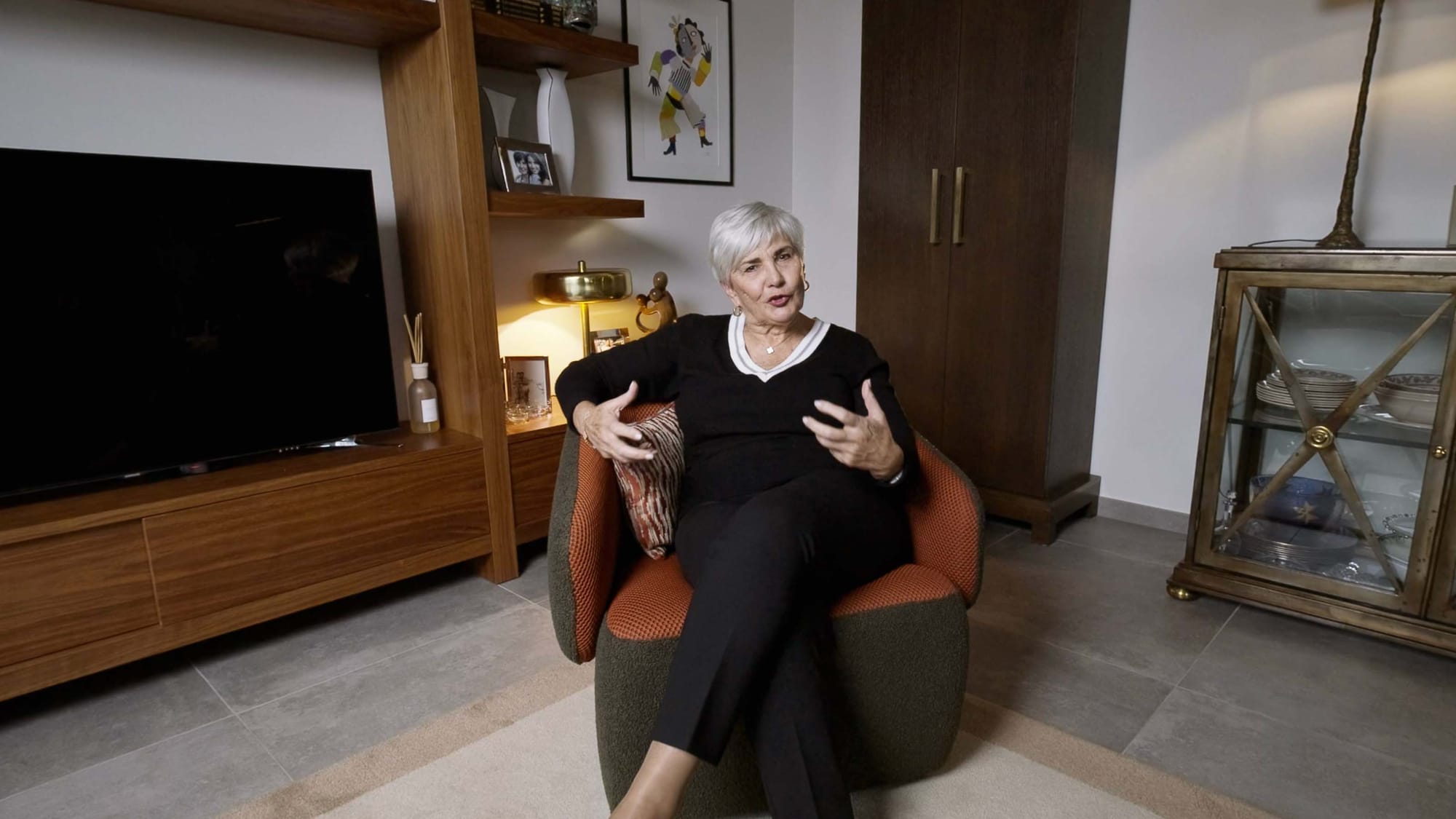
The journey begins not in a modern wind tunnel, but in the reflection of Audi’s motorsport legacy. The documentary introduces viewers to Michèle Mouton, the legendary French driver who remains the only woman to win a World Rally Championship (WRC) event. By starting here, director Rochereuil establishes that Audi’s F1 entry is not a whim, but a continuation of a "win-at-all-costs" philosophy born in the 1980s.
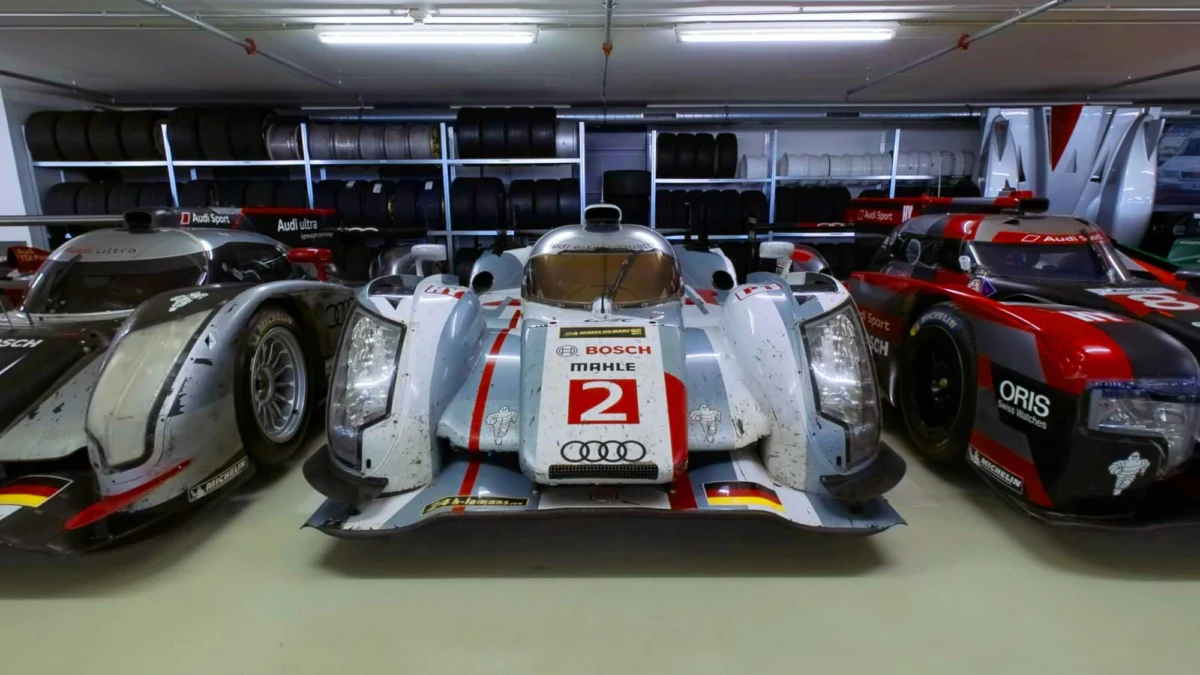
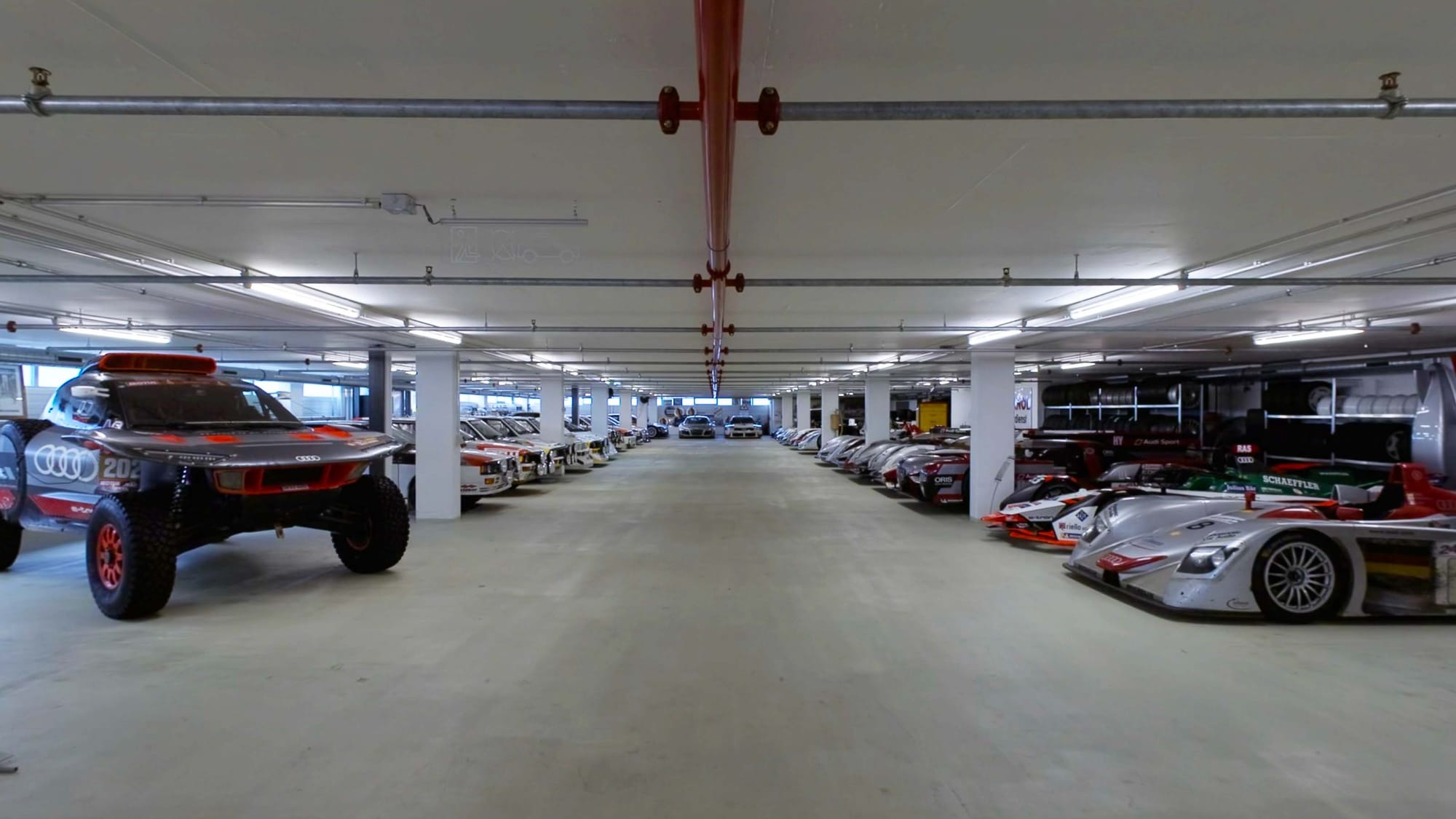
The viewer is transported to Audi’s secret garage in Germany, a location rarely seen by the public. Here, the camera lingers on the inventory of vehicles that defined eras: the original Quattros, the Le Mans-winning R8s, and the technology that paved the way for the modern hybrid power units. This segment justifies the 2026 entry, framing it as the final frontier for a brand that has conquered almost every other discipline.
2. The Present: The Swiss Connection and Technical Synthesis
The film then transitions to the present day, specifically to the team’s facilities in Switzerland. This is where the abstract concept of a "Formula 1 Team" becomes a physical reality. The documentary captures the assembly of the vehicle just months before its scheduled debut at the Australian Grand Prix.
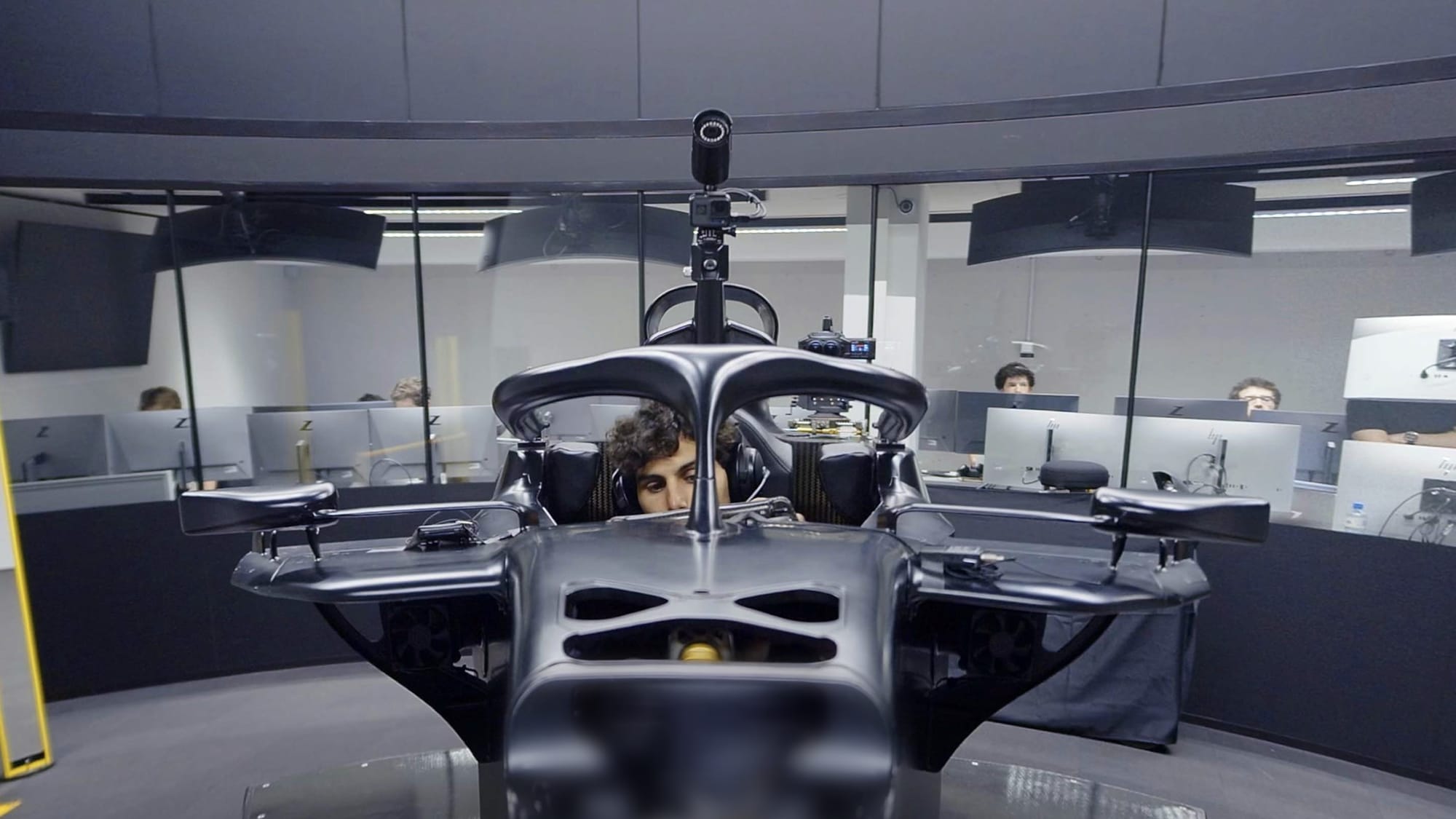
The viewer is placed inside the "driver-in-the-loop" (DIL) simulator, a critical piece of technology where Gabriel Bortoleto logs thousands of virtual laps. Unlike traditional footage, the immersive format allows the viewer to see the scale of the simulator and the intensity of the data engineers monitoring every steering input.
3. The Future: The Road to Melbourne 2026
The final act of the documentary focuses on the impending debut. The narrative tension builds as the team prepares for the Australian Grand Prix. Through conversations between Nico Hülkenberg and the engineering staff, the film highlights the immense pressure of building a team from the ground up under the new 2026 technical regulations, which emphasize sustainable fuels and increased electrical power.
Supporting Data: The Technical Mastery of Immersive Presence
What separates Entering Formula 1® Racing from standard behind-the-scenes content is the technical execution of "presence." TARGO, a studio known for its work on Rebuilding Notre-Dame, utilizes specific camera placements that respect the viewer’s spatial autonomy.
The Power of Placement
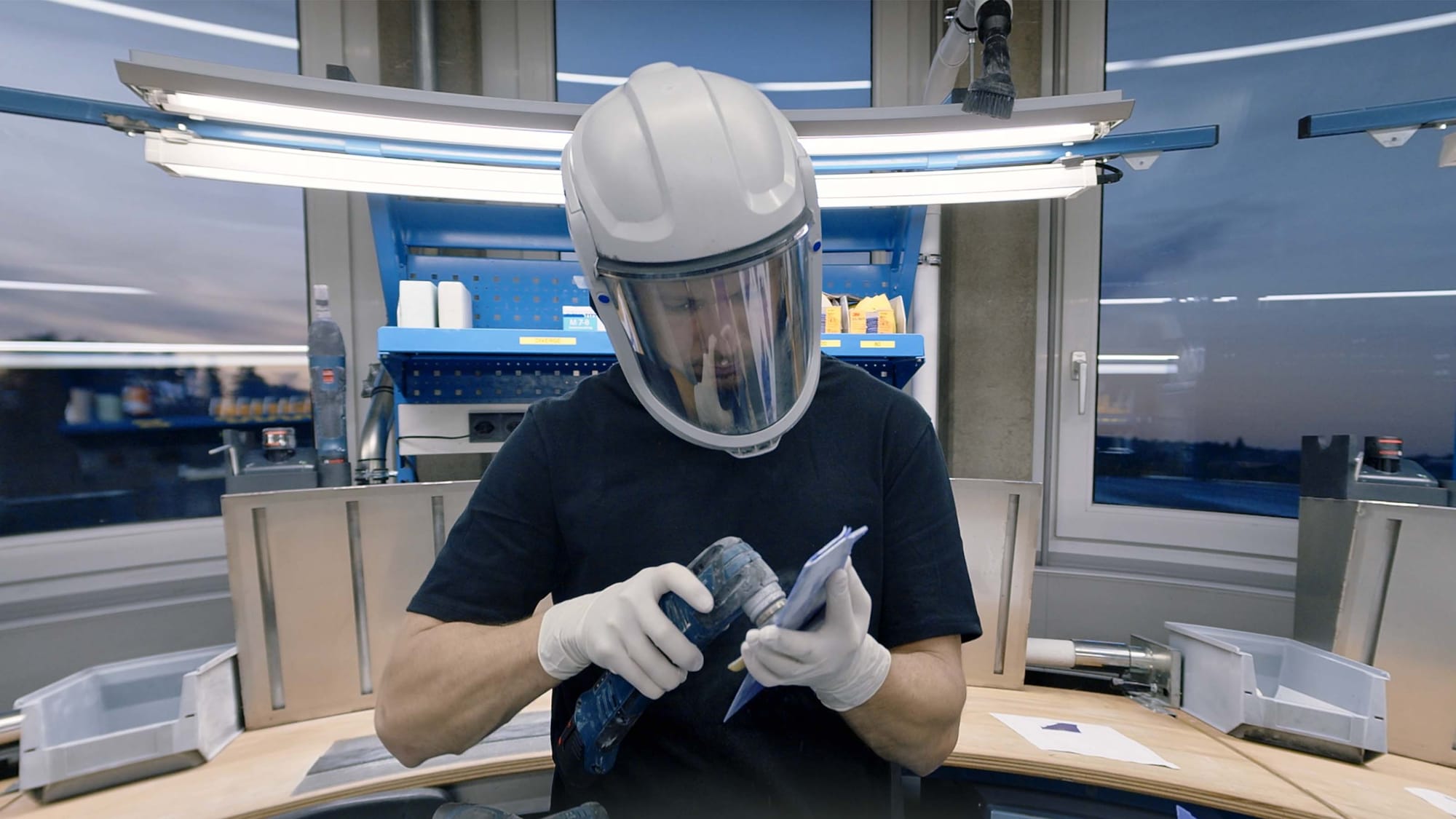
In immersive filmmaking, the camera acts as the viewer’s "body." Rochereuil’s direction avoids the common mistake of placing the camera too high or in "floating" positions that cause motion sickness. Instead, the camera is placed at eye level during interviews and at "observational" heights in the factory. When a mechanic works on a carbon-fiber wing, the viewer is positioned inches away, close enough to see the weave of the material.
Narrative Pacing
At 13 minutes, the documentary is long for a VR experience but short for a traditional film. This duration is a calculated choice. Data from immersive media consumption suggests that "presence" is most effective when scenes are allowed to breathe. The film provides "just the right amount of time" for the viewer to look around a room—noting the trophies on the wall or the schematics on an engineer’s desk—before cutting to the next location.
The Human Element
The documentary features key members of the Audi Revolut F1® Team, including:
- Michèle Mouton: Providing the historical "soul" of the brand.
- Nico Hülkenberg: Offering the veteran perspective of a driver tasked with leading a new manufacturer.
- Gabriel Bortoleto: Representing the future of the sport and the reliance on simulation and digital preparation.
Official Responses: A Strategic Brand Alignment
While Audi has traditionally been conservative with its internal operations, the collaboration with TARGO indicates a new strategic openness. Representatives from the Audi Revolut F1® Team have suggested that this transparency is essential for building a global fanbase before the car ever hits the track.
"Entering Formula 1 is a monumental task that involves thousands of people," a project spokesperson noted during the launch of the Fovii experience. "We wanted to use a medium that could actually convey the scale of the ambition. Traditional video is a window; immersive video is a door. We are inviting the fans to walk through that door."
Director Chloé Rochereuil added that the goal was to move beyond the "metal and rubber" of racing. "We wanted to capture the passion. When you are in the same room as a driver sharing her story, the emotional resonance is entirely different from watching it on a phone. You feel the weight of the history."
Implications: The Future of Sports Consumption
The release of Entering Formula 1® Racing has broader implications for the sports and media industries, signaling three major shifts:
1. The Death of the "Flat" Sports Documentary
With the success of series like Drive to Survive, Formula 1 has seen a massive surge in popularity. However, as audiences become "content-saturated," teams are looking for higher-tier engagement. Immersive documentaries offer a "premium" experience that cannot be pirated or replicated on social media effectively. This creates a new "VIP" tier of digital fandom.
2. The Integration of Spatial Computing in Marketing
As headsets like the Apple Vision Pro and Meta Quest become more prevalent, brands like Audi are treating spatial computing as a primary marketing channel. By offering the content for free on the Fovii app, Audi is positioning itself as a leader in "Future Tech," aligning its brand identity with innovation both on the track and on the screen.
3. A New Standard for "Access"
In the past, "behind-the-scenes" meant a camera crew following a team around. In the immersive era, "access" means the viewer is the crew. The ability to sit in a secret German garage or stand next to an F1 car as it is being bolted together changes the relationship between the fan and the sport. It demystifies the technology while simultaneously elevating the mythos of the brand.
Conclusion: A Masterclass in Modern Media
Entering Formula 1® Racing is more than a documentary; it is a prototype for the future of sports journalism. By combining the historical weight of Audi’s motorsport legacy with the cutting-edge technology of TARGO’s immersive filmmaking, the project succeeds in making the viewer feel like a "member of the team."
For the F1 enthusiast, it is an essential look at the birth of a new powerhouse. For the general audience, it is a testament to the power of spatial storytelling. As Audi prepares for the 2026 Australian Grand Prix, they have already won the race for digital engagement, proving that the journey to the grid is just as compelling as the race itself.