
The Web of Legality: Why ‘Spider-Noir’ Bypasses the Spider-Man and Peter Parker Monikers
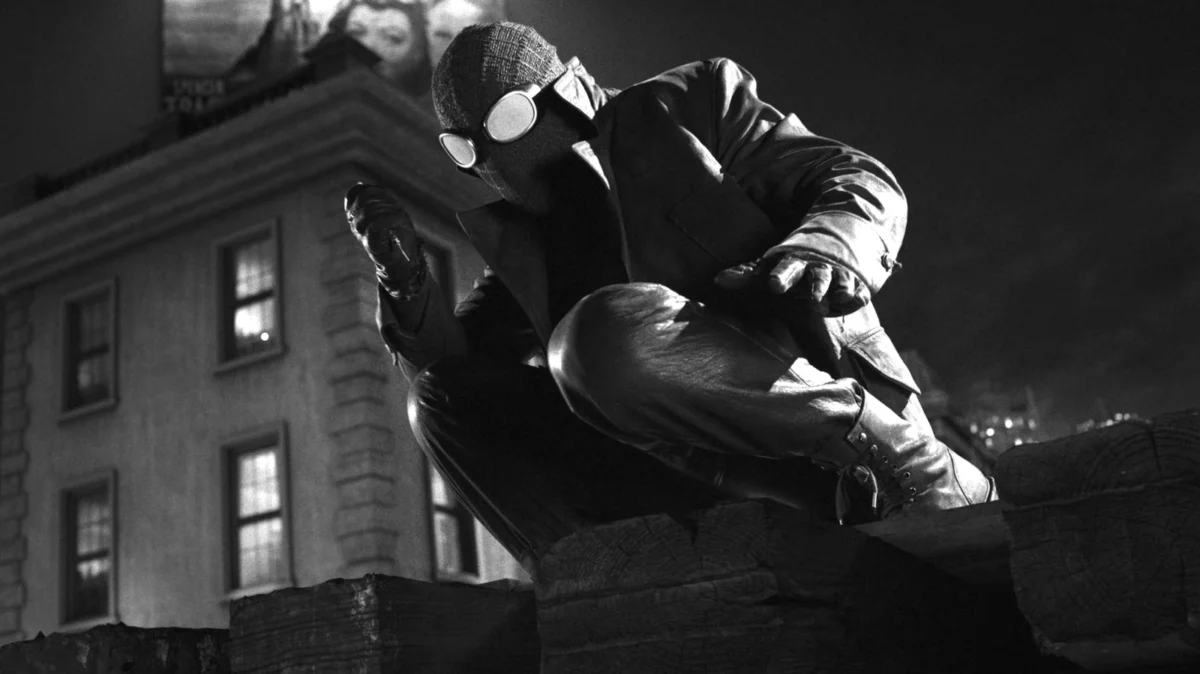
The arrival of Spider-Noir on Prime Video marks a significant milestone in superhero television history. For the first time in decades, a live-action series centered on a web-slinging protagonist is gracing the small screen. Starring Academy Award winner Nicolas Cage—reprising a variation of the role he voiced in the animated masterpiece Spider-Man: Into the Spider-Verse—the series transports audiences to a gritty, black-and-white 1930s New York City.
However, eagle-eyed fans and casual viewers alike have noted a peculiar omission: the protagonist is never referred to as "Spider-Man," and his civilian identity is not "Peter Parker." Instead, Cage portrays a hard-boiled private investigator named Ben Reilly, known to the underworld only as "The Spider." While this may seem like a purely creative choice to distance the show from the Marvel Cinematic Universe (MCU) or the mainline Sony films, the reality is rooted in a complex, decades-old web of legal contracts, character mandates, and brand protection strategies.
Main Facts: A Hero by Any Other Name
Spider-Noir serves as a hard-boiled detective thriller that reimagines the superhero mythos through the lens of classic film noir. The series follows Ben Reilly, a seasoned, down-on-his-luck private investigator in 1930s New York. Haunted by a personal tragedy and his past life, Reilly operates as the city’s lone superhero.
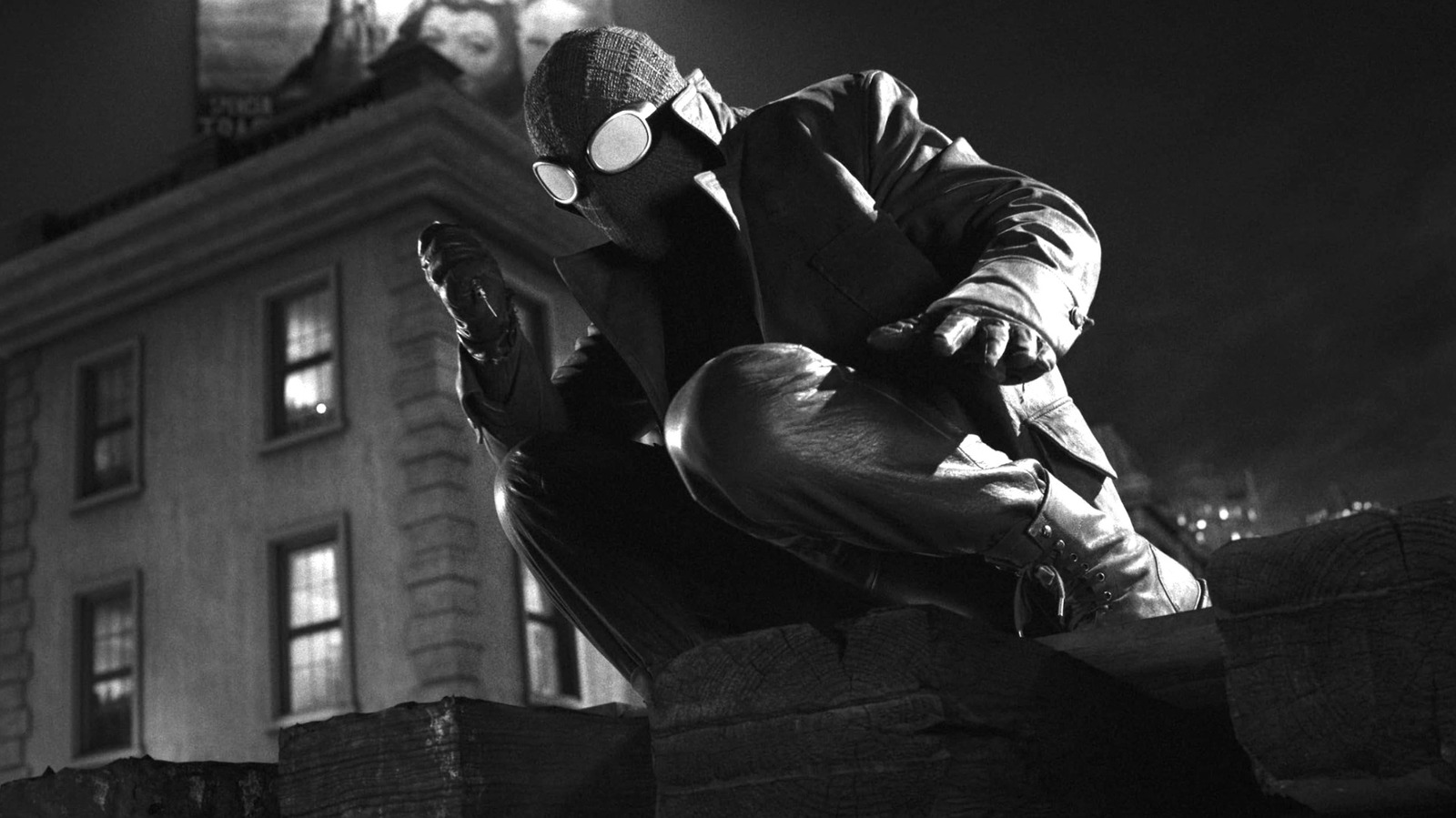
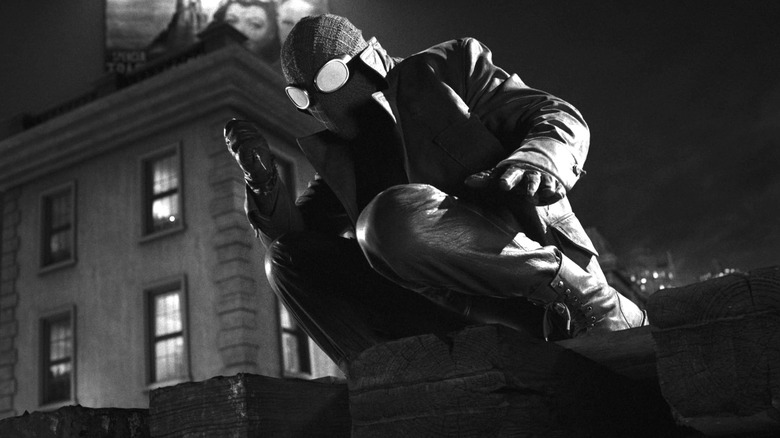
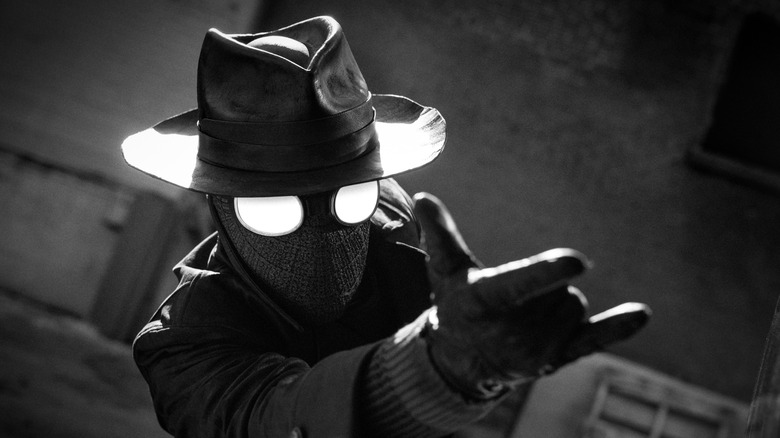
Despite the obvious visual cues—the trench coat, the fedora, and the familiar web-slinging abilities—the show meticulously avoids the "Spider-Man" branding for its lead character. This is not a case of the creators forgetting the name of their lead; it is a calculated navigation of the licensing agreement between Marvel (owned by Disney) and Sony Pictures.
Under the guidance of showrunners Oren Uziel and Steve Lightfoot, and executive producers Phil Lord and Chris Miller, the series opts for the name Ben Reilly. In Marvel Comics lore, Reilly is traditionally a clone of Peter Parker, but in this universe, he is a standalone entity. By adopting the moniker "The Spider," the production gains a level of creative autonomy that would be legally impossible if they utilized the "Spider-Man" or "Peter Parker" trademarks.
Chronology: From Comic Panels to Legal Bindings
To understand why Nicolas Cage isn’t playing Peter Parker, one must look back at the history of the character’s film and television rights.
1999: The Sony Acquisition
In 1999, a struggling Marvel Entertainment sold the film rights for Spider-Man to Sony Pictures for a reported $7 million. This deal gave Sony the exclusive right to produce movies based on the character and his extensive supporting cast.
2011: The Secret Contract
The most pivotal moment for Spider-Noir occurred in 2011. Marvel and Sony signed a revised licensing agreement that established "Character Integrity Obligations." These rules were designed to ensure that any cinematic depiction of Spider-Man remained consistent with the "core values" of the brand. These documents became public knowledge following the 2014 Sony Pictures hack, revealing the startlingly specific restrictions placed on the character.
2015-2024: The Spider-Verse Expansion
Following the success of Spider-Man: Into the Spider-Verse (2018), Sony began looking for ways to expand their "Sony’s Spider-Man Universe" (SSU) into television. While Sony holds the film rights, the television rights are more fragmented, requiring careful negotiation with Marvel/Disney for live-action projects. When Spider-Noir was greenlit for Prime Video, the creative team had to decide whether to adhere to the 2011 mandates or find a loophole. They chose the latter.
Supporting Data: The Restrictive Rules of "Peter Parker"
The 2011 contract revealed by The Hollywood Reporter and other outlets outlines a rigorous set of "Mandatory Character Traits." If a character is named "Spider-Man" or "Peter Parker," they must adhere to the following:
The "Spider-Man" Requirements
- Gender: Must be male.
- Morality: Does not torture. Does not kill except in defense of self or others.
- Vices: Does not smoke tobacco. Does not abuse alcohol. Does not sell or distribute drugs.
- Language: Does not use "foul language" beyond what is permitted in a PG-13 environment.
- Sexual Orientation: Must be heterosexual (unless Marvel itself changes the character’s orientation in the comics first).
The "Peter Parker" Requirements
The rules for the civilian identity are even more granular:
- Full Name: Must be Peter Benjamin Parker.
- Race: Must be Caucasian.
- Origin: Must gain powers while in middle school or college.
- Location: Must be raised in Queens, New York.
The Ben Reilly Loophole
By naming Nicolas Cage’s character Ben Reilly and calling his alter-ego "The Spider," the showrunners successfully bypassed nearly every one of these restrictions.
- Age and Origin: Cage’s Reilly is an older, "seasoned" man, far removed from the high school origins required for Peter Parker.
- Vices: As a hard-boiled detective in the 1930s, the character frequently drinks and exists in a world of moral ambiguity. The 2011 mandate strictly forbids a character named "Spider-Man" from abusing alcohol. By changing the name, the show can embrace the "Noir" aesthetic, which traditionally involves heavy drinking and smoking.
- Violence: Film noir often involves a higher level of brutality. While "Spider-Man" cannot torture, "The Spider" can operate in the shadows with a much more aggressive tactical approach, fitting the 1930s vigilante trope.
Official Responses and Creative Stance
The creative team behind Spider-Noir has been vocal about their desire to create a unique, standalone experience that feels more like a classic detective story than a standard "capes and tights" superhero romp.
Phil Lord and Chris Miller, the architects of the Spider-Verse franchise, have long championed the idea that anyone can wear the mask. However, they also recognize the value of specific genre storytelling. In various interviews regarding the development of the SSU TV series, the producers have emphasized the need for "tonal consistency" with the source material—in this case, the pulp magazines of the 1930s.
Oren Uziel, the series developer, reportedly leaned into the "Ben Reilly" identity to allow for a story about "past lives and personal tragedy." The official synopsis provided by Prime Video reinforces this: "Spider-Noir tells the story of Ben Reilly, a seasoned, down-on-his-luck private investigator… forced to grapple with his past life as the city’s one and only superhero."
By framing the character as Ben Reilly, the writers are also paying homage to a fan-favorite comic book era. Ben Reilly first appeared in the 1970s and became the central figure of the infamous "Clone Saga" in the 1990s. While he was originally a clone of Peter Parker, he eventually carved out his own identity as the Scarlet Spider. Using this name signals to comic fans that this is a different "flavor" of hero—one who is allowed to be more haunted, more mature, and more flawed than the flagship Peter Parker.
Implications: A New Precedent for Superhero IP
The legal gymnastics required to bring Spider-Noir to life have significant implications for the future of the genre and the management of intellectual property (IP).
1. The Fragmentation of Brand Identity
As studios look to milk every possible ounce of value from their superhero licenses, we are seeing a fragmentation of identity. We now have the "MCU Spider-Man" (Tom Holland), the "Animated Spider-Man" (Shameik Moore), and now the "Noir Spider" (Nicolas Cage). By utilizing secondary names like Ben Reilly, Sony can build a "Spider-Verse" without infringing on the specific "Peter Parker" brand equity that Disney/Marvel guards so fiercely for their merchandising and primary film slate.
2. Creative Freedom vs. Corporate Mandates
Spider-Noir proves that corporate mandates can actually foster creativity. Forced to avoid the "Peter Parker" tropes, the writers were pushed to explore the 1930s setting more deeply. They created a protagonist who fits the world of Raymond Chandler and Dashiell Hammett rather than the world of the Avengers. This "loophole" strategy may become the blueprint for other licensed characters who are trapped under restrictive contracts.
3. The Future of the SSU on Prime Video
Spider-Noir is just the beginning of Sony’s television ambitions. With other projects like Silk: Spider Society having undergone various stages of development, the success of Spider-Noir will determine if audiences are willing to accept "Spider-adjacent" heroes who don’t carry the official "Spider-Man" title.
4. Audience Choice and Technical Innovation
In a move that mirrors the show’s creative flexibility, Prime Video has announced that fans will have the option to watch Spider-Noir in its intended "Noir" black-and-white format or a standard color version. This level of viewer agency reflects the show’s overall philosophy: breaking the traditional mold of how a superhero story is told and consumed.
Conclusion
The "bizarre" legal reasons why Nicolas Cage isn’t playing Peter Parker are, in fact, a fascinating look at the intersection of art and commerce. While the 2011 Marvel-Sony contract was designed to protect the "wholesome" image of Peter Parker, it inadvertently created the space for a more mature, stylistically daring series to emerge.
By stepping into the shoes of Ben Reilly, Nicolas Cage is not just playing a variant of a superhero; he is navigating a complex legal landscape to deliver a version of the character that is allowed to drink, brood, and bleed in the shadows of the Great Depression. Spider-Noir stands as a testament to the fact that while a name carries weight, it is the spirit of the character—and the ingenuity of the legal team—that truly defines a hero.


Leave a Comment