The Web3 Quadrant: Dissecting the Conflation of Crypto, Blockchain, NFTs, and Play-to-Earn
Main Facts: The Anatomy of a Modern Financial Phenomenon
The contemporary digital landscape is currently dominated by a singular, albeit fragmented, narrative: the rise of Web3. Driven by a macroeconomic climate of historically low interest rates and a massive influx of pandemic-era investment capital, the "crypto-blockchain-NFT-metaverse" bubble has inflated with a velocity that dwarfs the dot-com boom of the late 1990s. However, beneath the veneer of technological revolution lies a dangerous conflation of four distinct areas of growth.
Promoters, speculators, and "shysters" frequently blur the lines between Cryptocurrencies, Blockchain technology, Non-Fungible Tokens (NFTs), and Play-to-Earn (P2E) models. While each component possesses potential long-term utility, their current synthesis often creates a "Ponzi opportunity" of epic proportions. The fundamental issue is that these technologies are being marketed as a monolithic inevitability, whereas they are actually disparate tools with wildly varying levels of viability and risk. To understand the current bubble, one must disentangle these four threads and evaluate them based on substance rather than hype.
Chronology: From Digital Gold to the "Great Reset" of Gaming
The trajectory of this movement can be traced through several distinct phases:
- The Genesis (2009–2013): The launch of Bitcoin introduced the world to the blockchain and the concept of decentralized currency. During this era, crypto was largely the domain of cypherpunks and libertarians, viewed more as a technical experiment than a global asset class.
- The Infrastructure Era (2014–2017): The launch of Ethereum introduced "smart contracts," allowing developers to build decentralized applications (dApps) on top of a blockchain. This period saw the first Initial Coin Offering (ICO) bubble, which eventually burst in 2018.
- The Mainstream Explosion (2020–2021): The COVID-19 pandemic accelerated digital adoption. High liquidity and a "desperate search for yield" led to the explosion of NFTs (typified by Bored Ape Yacht Club and Beeple’s $69 million sale) and the rise of Play-to-Earn games like Axie Infinity.
- The Reality Check (2022–Present): Following the collapse of major platforms like FTX and the devaluation of "metaverse" real estate, the industry has entered a period of intense scrutiny. The narrative has shifted from "get rich quick" to a defensive posture, where proponents struggle to define the actual utility of these assets beyond speculation.
Supporting Data: The Four Pillars of the Bubble
1. Cryptocurrencies: The Identity Crisis
A currency is essentially a "shared story"—a human agreement that an inherently valueless item (paper or digital code) represents value. As historian Yuval Noah Harari notes in Sapiens, this ability to weave powerful myths is what allows humans to cooperate at scale.
However, modern cryptocurrencies suffer from a triple-identity crisis. Promoters claim they are simultaneously:
- A Means of Trade: To work as money, a currency must be stable and trusted.
- An Appreciating Asset: If an asset’s value is expected to skyrocket (like the famous 2011 Starcraft 2 prize of 25 Bitcoins, now worth millions), no one wants to spend it.
- A Store of Value: For a store of value to function, it must be predictable.
Because Bitcoin and its peers are highly volatile, they fail the "store of value" test. If a salary were paid in Bitcoin, a worker might be unable to pay their mortgage next month due to a 20% market dip. Consequently, cryptocurrencies currently function as speculative assets, akin to low-liquidity "meme stocks," rather than actual currencies.

2. Blockchain: The Trust Paradox
The blockchain is often touted as a "trustless" system—a ledger that cannot be modified or deleted. However, security expert Bruce Schneier argues that this is a fallacy. Trust does not disappear; it merely shifts. Instead of trusting a regulated bank or a government, users must trust the cryptography, the software code, and the hardware.
In the "Wild West" of the blockchain, there is no recourse for error. If a wallet is hacked or a "smart contract" has a bug, the assets are gone forever. For most users, trusting a human legal system with centuries of precedent is more logical than trusting immutable computer code that they lack the expertise to audit. To date, the blockchain has struggled to prove it is superior to a standard, centralized database managed by a trusted entity.
3. Non-Fungible Tokens (NFTs): The Interoperability Myth
NFTs represent digital ownership recorded on the blockchain. In the gaming sector, the "holy grail" promised by proponents is interoperability: the ability to take a "purple lightsaber" from Lego Star Wars and use it in World of Warcraft or Minecraft.
This vision ignores the fundamental realities of game development:
- Technical Constraints: Every game has a different art style, engine, and animation rig. A high-fidelity sword from Destiny cannot simply "appear" in the blocky world of Minecraft without massive manual labor from developers.
- Economic Disincentives: Modern games are "mini-monopolies." Developers have no financial incentive to allow players to bring in assets purchased from a competitor.
- Balance and Fun: Introducing external assets ruins game balance. A powerful weapon from one game could break the progression system of another.
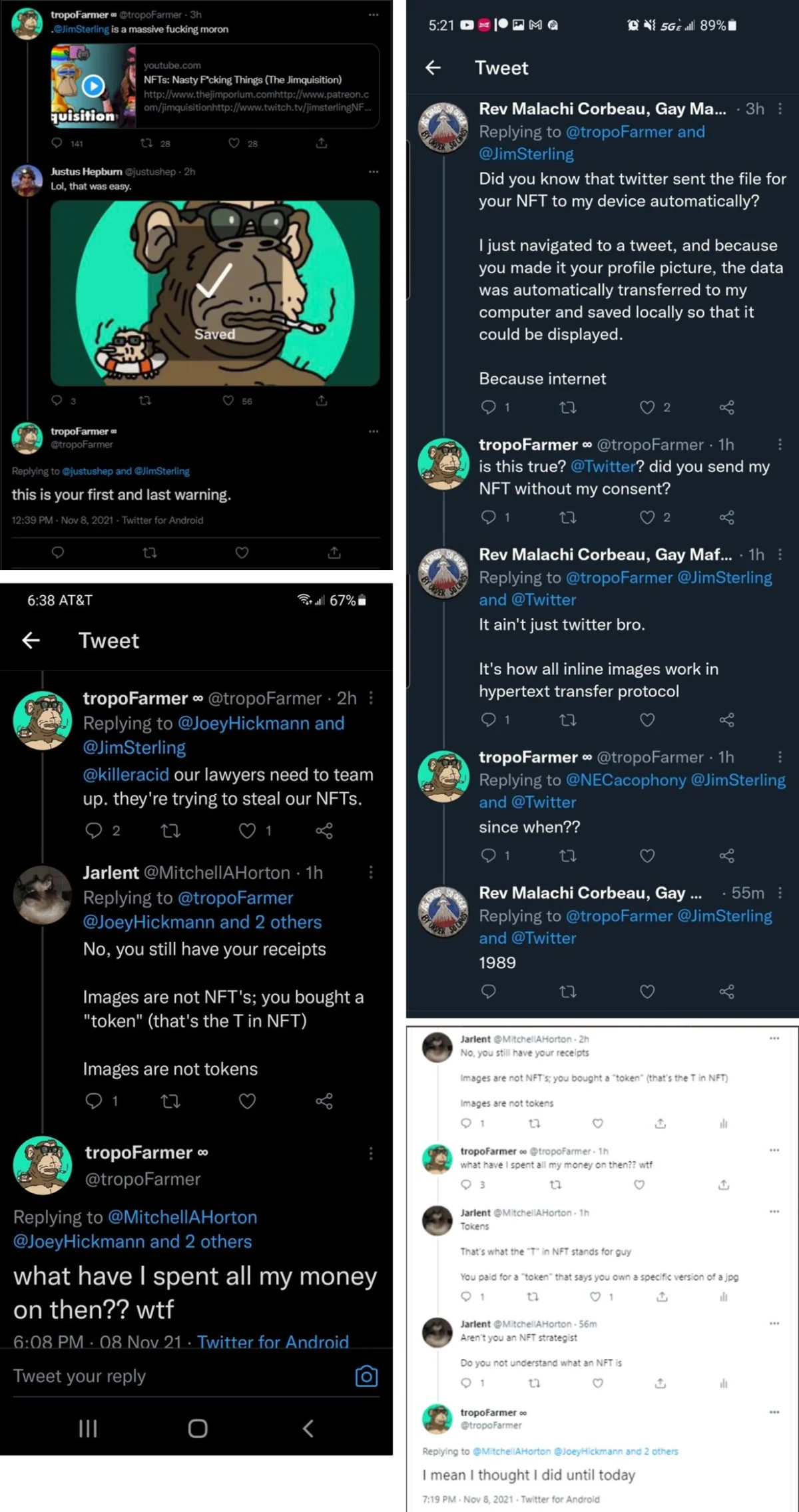
Ultimately, an NFT is often just a digital receipt for an idea. Without a legal framework to enforce ownership—similar to traditional copyright law—the "ownership" is largely symbolic.
4. Play-to-Earn: The Death of Leisure
The most controversial pillar is "Play-to-Earn" (P2E). While the "Etsy-fication" of digital content sounds empowering for creators, P2E often falls into the trap of the Overjustification Effect. Psychological research suggests that when people are paid to perform an activity they previously enjoyed, their intrinsic motivation wanes. The "play" becomes "work."

Furthermore, the economics of P2E often resemble a digital "sweatshop" model. In games like Axie Infinity, players in developing nations performed repetitive tasks to earn tokens funded by the entry fees of new players—a structure that many economists have compared to a Ponzi scheme. When the influx of new players slows, the economy collapses.
Official Responses and Industry Stance
The traditional gaming and financial sectors have reacted with a mix of curiosity and hostility:
- Valve (Steam): In late 2021, Valve banned all games that issue or allow the exchange of cryptocurrencies or NFTs on its Steam platform, citing the volatility and potential for fraud.
- Ubisoft: The publisher faced a massive PR backlash after launching "Ubisoft Quartz," an NFT initiative for Ghost Recon Breakpoint. Players viewed it as a cynical attempt to extract more money without adding gameplay value.
- Epic Games: Conversely, Epic Games CEO Tim Sweeney has expressed openness to the technology, provided developers follow legal and age-rating regulations, though Epic’s own titles (like Fortnite) remain strictly centralized.
- Regulators: The SEC and other global bodies are increasingly treating crypto-assets as securities, signaling the end of the "unregulated" era that proponents once championed.
Implications: The Bursting of the Narrative
The conflation of these four areas has served promoters well, allowing them to pivot from one buzzword to another whenever a specific sector faces scrutiny. However, as the "music stops," the implications for the digital economy are profound.
If cryptocurrencies cannot achieve stability, they will remain the "digital gold" of speculators rather than the "digital cash" of the masses. If NFTs cannot provide actual utility or enforceable legal rights, they will be remembered as a high-tech version of Beanie Babies.
The true value of Web3 may eventually lie in a more boring, less "disruptive" reality: the use of blockchain as a backend tool for tracking existing intellectual property rights or facilitating transparent supply chains. This, however, is far from the "decentralized revolution" promised by the shysters. As the bubble continues to deflate, the industry must decide if it wants to build lasting value or continue weaving stories that, while powerful, lack a foundation in economic reality. For the gaming industry in particular, the lesson is clear: turning a hobby into a job rarely makes the hobby more fun.