Legal Seas: Krafton Ordered to Reinstate Subnautica Founders Following $250 Million Earnout Dispute
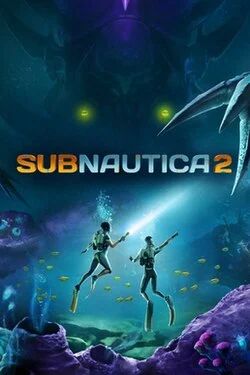
In a landmark ruling that has sent shockwaves through the global video game industry, the Delaware Court of Chancery has ruled against South Korean gaming giant Krafton Inc. in the first phase of a high-stakes legal battle. The dispute centers on an alleged attempt by Krafton to circumvent a $250 million "earnout" agreement following its 2021 acquisition of Unknown Worlds Entertainment, the developer behind the critically acclaimed Subnautica series.
The court’s decision, handed down in mid-March 2026, marks a significant victory for the founders of Unknown Worlds. The presiding judge found that Krafton breached its contractual obligations by terminating the studio’s leadership—including CEO Edward Gill—under what the court deemed questionable circumstances. The ruling not only reinstates Gill to his position but also secures his authority over the impending launch of Subnautica 2, ensuring that the strategic direction of the franchise remains, for now, in the hands of its creators.
Main Facts: A $250 Million Point of Contention
The crux of the litigation lies in the financial structure of Krafton’s acquisition of Unknown Worlds. When the deal was finalized in October 2021, the purchase price included a substantial upfront payment, supplemented by a potential $250 million earnout. In the world of mergers and acquisitions (M&A), an earnout is a common mechanism used to bridge valuation gaps; it rewards the sellers if the acquired company hits specific performance milestones, such as revenue targets or successful product launches, within a set timeframe.
As Subnautica 2 approached its Early Access window, it became increasingly apparent that the studio was on track to trigger these massive payouts. According to court documents, Krafton leadership allegedly moved to terminate the founders "for cause," a legal designation that typically voids deferred compensation and earnout rights. By claiming the founders had committed terminable offenses, Krafton sought to wipe the $250 million liability from its balance sheet.
However, the Delaware court found these dismissals to be a breach of contract. The judge’s summary was unequivocal: Krafton’s actions were an "uncontractual" attempt to impede the founders’ ability to realize the value of their work. The court has now enjoined Krafton from interfering with Edward Gill’s executive authority, effectively resetting the corporate hierarchy to its pre-dispute state.
Chronology: From Acquisition to Litigation
To understand the severity of the current legal impasse, one must look back at the timeline of the partnership between the Seoul-based publisher and the San Francisco-based developer.
October 2021: The Honeymoon Phase
Krafton, flush with capital from the ongoing success of PUBG: Battlegrounds, announced the acquisition of Unknown Worlds. At the time, Krafton CEO CH Kim praised the studio’s "unparalleled creativity" and promised to provide global resources while maintaining the studio’s independence. For Unknown Worlds, the deal represented a way to scale their ambitious underwater survival concepts.
2022–2024: Development and Friction
As development on Subnautica 2 progressed, reports began to surface of cultural and strategic friction. Krafton, a publicly traded company under pressure to diversify its revenue streams beyond PUBG, reportedly pushed for more aggressive monetization strategies and tighter release schedules. Unknown Worlds, known for its iterative, community-focused development style, reportedly resisted these shifts to preserve the "soul" of the franchise.
Late 2025: The "Ouster"
With the $250 million earnout window looming and Subnautica 2 nearing a playable state, Krafton abruptly fired the founding team. The move was framed as a necessary leadership change for "cause," though the specific allegations remained vague. This "ouster," as the court described it, was immediately challenged by the founders, who filed suit in Delaware—the legal home for most major US-based corporate disputes.
March 2026: Phase 1 Ruling
The discovery phase of the trial revealed internal communications that suggested Krafton’s primary motivation was financial rather than performance-based. On March 17, 2026, the court ruled in favor of the founders, ordering their reinstatement and extending the earnout period to compensate for the time lost during the legal battle.
Supporting Data: The Mechanics of the Earnout
The financial stakes of this case are nearly unprecedented for an independent studio acquisition. A $250 million earnout represents one of the largest "kicker" payments in recent gaming history, rivaling the structures seen in Sony’s acquisition of Bungie or EA’s purchase of Respawn Entertainment.
The Valuation Gap:
In 2021, the gaming industry was in the midst of a post-pandemic valuation surge. Krafton paid a premium for Unknown Worlds, but the $250 million earnout was the safety net. If Subnautica 2 failed to capture the magic of the original, Krafton wouldn’t have to pay. If it was a hit, the founders would be rewarded.

The "For Cause" High Bar:
Under Delaware law, firing an executive "for cause" to avoid a payment requires rigorous proof of gross negligence, fraud, or criminal activity. The court’s discovery document indicated that Krafton’s evidence fell far short of this threshold. Instead, the evidence pointed toward a "manufactured" crisis designed to trigger a forfeiture clause in the founders’ contracts.
Market Context:
Krafton’s stock has faced volatility in recent years due to the underperformance of The Callisto Protocol and the natural plateauing of PUBG mobile revenues. Analysts suggest that a $250 million cash outflow would have significantly impacted Krafton’s quarterly earnings and its ability to pursue further acquisitions in the 2026–2027 fiscal years.
Official Responses and Industry Reaction
While Krafton has remained relatively tight-lipped following the ruling, a spokesperson issued a brief statement: "We respect the court’s preliminary findings and remain committed to the success of the Subnautica franchise. Our primary focus is on delivering a high-quality experience for our players."
Conversely, the legal team representing Edward Gill and the Unknown Worlds founders expressed vindication. "This ruling confirms that corporate giants cannot use their size to bully creative talent out of their rightfully earned compensation," said a lead attorney for the plaintiffs. "We look forward to the second phase of litigation, where we will address the full extent of the damages caused by Krafton’s bad-faith actions."
Industry figures have also weighed in. Rami Ismail, a prominent advocate for independent developers, shared the discovery documents on LinkedIn, highlighting the "fascinating" and "messy" nature of the corporate maneuvering. The consensus among the developer community appears to be one of wary relief; the ruling serves as a rare check on the power of major publishers over the studios they acquire.
Implications: A Precarious Future for Subnautica 2
The court’s decision has immediate and long-term implications for the game, the studio, and the wider industry.
1. The Development of Subnautica 2
The most pressing concern is the health of Subnautica 2. With the court reinstating Edward Gill and enjoining Krafton from "impeding Gill’s authority," the game’s Early Access launch will likely return to the original vision of the creators. However, the internal atmosphere at the studio is undoubtedly strained. Managing a team that has seen its founders fired and then legally forced back into the building presents a massive HR and cultural challenge.
2. Phase 2 of the Lawsuit
The legal battle is far from over. The second phase of the litigation will determine "whether Krafton’s actions wrongfully impaired the earnout, and whether any resulting money damages are owed." If the court finds that Krafton’s interference actively harmed the game’s potential or delayed its launch to avoid the earnout window, the $250 million liability could grow even larger when interest and punitive damages are considered.
3. A Warning for Future M&A
This case serves as a cautionary tale for both founders and buyers. For founders, it highlights the importance of ironclad "good leaver/bad leaver" clauses and the necessity of choosing a partner whose corporate culture aligns with their own. For buyers, it is a reminder that the Delaware Court of Chancery—the most influential business court in the United States—has little patience for "weaseling out" of clear contractual obligations through executive termination.
4. Krafton’s Reputation
Krafton’s brand as a "developer-friendly" publisher has taken a significant hit. In an industry where talent is the primary currency, the perception that a publisher will attempt to "ouster" creators to save money could make future acquisitions much more difficult and expensive.
As the industry watches the second phase of this trial unfold, the saga of Subnautica serves as a stark reminder of the often-turbulent intersection of creative passion and corporate finance. For now, the creators are back at the helm, but the waters remain deep and dangerous.