The Westwood Crisis: ‘New Jack City’ and the Fracturing of Los Angeles Cinema
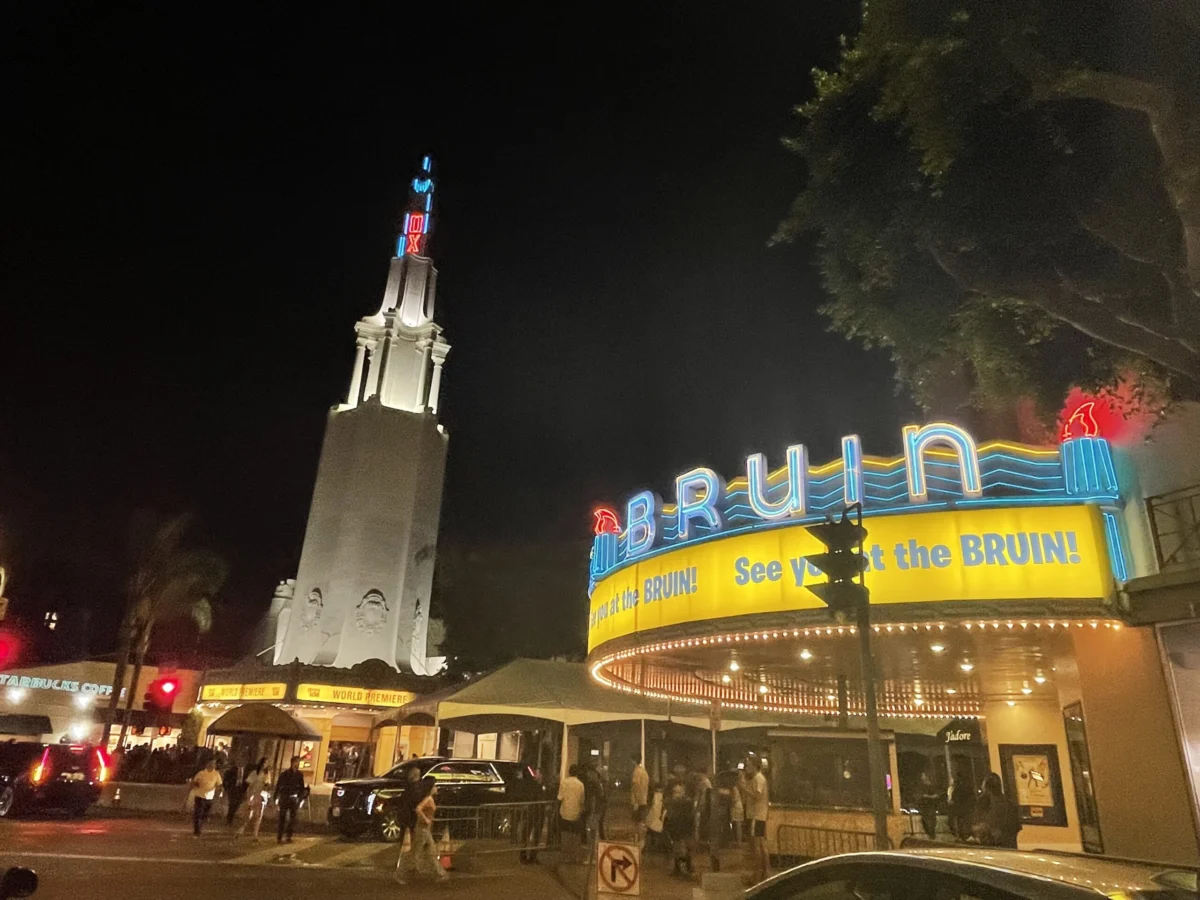
On the evening of March 8, 1991, Westwood Village was the undisputed crown jewel of Los Angeles’ theatrical landscape. With ten movie theaters packed into a few walkable blocks, the neighborhood was often described as the "Times Square of the West"—a rare intersection where UCLA students, wealthy Westside residents, and moviegoers from across the city’s diverse sprawl converged. However, the opening night of Mario Van Peebles’ gangster epic New Jack City would transform this cultural sanctuary into a flashpoint of racial tension and civil unrest, marking the beginning of a long decline for one of the world’s premier cinema hubs.
Main Facts: The Movie That Shook the Village
New Jack City, directed by Mario Van Peebles, was more than just a crime thriller; it was a cultural phenomenon. Starring Wesley Snipes as the ruthless drug kingpin Nino Brown and Ice-T as an undercover cop, the film offered a stylized, high-octane look at the crack cocaine epidemic. It featured a "who’s who" of 1990s talent, including Chris Rock, Allen Payne, and Judd Nelson, underpinned by a soundtrack that defined the "New Jack Swing" era.

The trouble began at the Mann Westwood Fourplex on Gayley Avenue. Due to a combination of intense public demand and alleged mismanagement, the theater oversold tickets for the opening night screenings. Hundreds of ticketholders, predominantly Black youth who had traveled from across the city, were turned away at the door. The resulting frustration, fueled by the aggressive response of private security and the Los Angeles Police Department (LAPD), escalated into a riot.
As many as 1,500 people surged through the Village in a melee that lasted two and a half hours. Storefront windows were shattered, cars were vandalized, and the police response involved over 100 officers in riot gear. By the end of the night, nine people were arrested, and 21 businesses reported significant damage. While the physical damage was repairable, the psychological and cultural impact on Westwood—and the film industry’s relationship with Black audiences—was permanent.

Chronology: A City on the Brink
To understand why a theater ticketing error sparked a riot, one must look at the volatile timeline of Los Angeles in the spring of 1991. The New Jack City incident did not happen in a vacuum; it was a symptom of a city already engulfed in a racial and systemic crisis.
1988: The Death of Karen Toshima
Three years prior, the perceived safety of Westwood was shattered when Karen Toshima, a 27-year-old graphic artist, was killed by a stray bullet during a gang-related confrontation on Broxton Avenue. The city’s reaction was swift and massive, leading to an immediate increase in policing. However, this sparked resentment in South and East Los Angeles, where residents noted that similar tragedies in their neighborhoods never received such an overwhelming municipal response. This set the stage for Westwood to be viewed as a "fortress" of white prosperity.

March 3, 1991: The Rodney King Beating
Just five days before New Jack City opened, LAPD officers were caught on camera brutally beating Rodney King after a traffic stop in the San Fernando Valley. The footage, captured by resident George Holliday on a Sony camcorder, was broadcast globally, igniting a firestorm of outrage regarding police brutality. When the crowds gathered in Westwood on March 8, the image of those batons was fresh in the collective memory.
March 8, 1991: The Westwood Riot
The riot occurred against this backdrop of extreme tension. As an 18-year-old UCLA student named Ava DuVernay—now an Oscar-nominated filmmaker—told the Los Angeles Times that night: "They closed the movie because they don’t want Black people in Westwood… They’re afraid this place is attracting too many Black people."

March 16, 1991: The Killing of Latasha Harlins
Eight days after the Westwood riot, the tension reached a breaking point when Soon Ja Du, a Korean convenience store owner, shot 15-year-old Latasha Harlins in the back of the head over a dispute involving a bottle of orange juice. The combination of the King beating, the Harlins killing, and the perceived exclusionary tactics in Westwood created a "triple-threat" of social unrest.
April 1992: The Los Angeles Uprising
The acquittal of the officers involved in the Rodney King beating a year later led to the 1992 Los Angeles Riots. The unrest resulted in 63 deaths and over $1 billion in property damage, cementing the era as one of the most turbulent in American history.

Supporting Data: The Commercial Fallout
The fallout from the New Jack City riot had immediate commercial consequences. Mann Theaters, the dominant exhibitor in the area, immediately pulled the film from its Westwood screens. This move was echoed by other theater chains across the country, fearing similar outbreaks of violence.
Despite—or perhaps because of—the controversy, New Jack City was a massive box-office success. Produced on a modest budget of $8 million, it grossed over $47 million domestically. However, the "Westwood Agreement" that followed the riot changed the business of cinema. Local theater operators agreed to notify the LAPD whenever they planned to screen "potentially dangerous" titles. Critics and civil rights activists argued that "dangerous" was often used as a euphemism for films made by or starring Black people.

This policy effectively sterilized Westwood’s programming. In 1991, the Village boasted ten movie theaters with a total of roughly 5,000 seats. Today, only four theaters remain. The Mann Westwood Fourplex, where the riot began, was eventually demolished and is now a Whole Foods.
Official Responses and Racial Discourse
The official response to the riot focused heavily on the film’s content rather than the theater’s logistical failures or the city’s racial climate. Police and city officials characterized the film as a "catalyst for gang activity," ignoring the fact that the rioters were largely people who were prevented from seeing the movie.

Director Mario Van Peebles defended his work, noting that New Jack City was an anti-drug film that ended with the villain’s demise and a message of community empowerment. "The movie didn’t cause a riot," Van Peebles later remarked in interviews. "The lack of tickets and the way the police handled the crowd caused the riot."
The discourse of the time revealed a deep-seated fear among Westwood’s business elite. The neighborhood had thrived on its image as a safe, upscale alternative to the gritty reality of downtown or Hollywood. The presence of large groups of Black youth from outside the immediate area was treated by some officials as an inherent security threat, a sentiment that DuVernay and other activists challenged at the time.

Implications: The Long Shadow Over Westwood
The legacy of the New Jack City riot is visible in the modern landscape of Los Angeles. The event accelerated the "mall-ification" of cinema, as moviegoers shifted away from street-front theaters in favor of gated, highly controlled environments like the AMC Century City or the Grove.
The Decline of the "Town Square"
Westwood’s peak era was defined by its role as a "sacred town square" where different social classes rubbed shoulders. The riot and the subsequent over-policing broke that social contract. The neighborhood became increasingly quiet, struggling with high commercial vacancies and a loss of its "cool" factor as a nightlife destination.

The Preservation Movement
Today, a new generation of cinephiles and industry heavyweights is attempting to reverse this decline. In 2024, a group of 35 filmmakers, led by Jason Reitman and including Steven Spielberg and Christopher Nolan, purchased the iconic Village Theater to preserve its history. Similarly, the American Cinematheque has taken over programming at the Westwood Village Theater, aiming to bring back the "event cinema" feel that once made the area famous.
Cinema as a Social Mirror
Ultimately, the New Jack City incident remains a case study in how film distribution is inextricably linked to urban policy and race relations. The riot was not about a movie; it was about the right to occupy space in a city divided by invisible lines of class and color.

As film historian Jim Hemphill notes, catching a movie in Westwood during its glory days was an "orgasmic excitement"—a communal experience that transcended the screen. While the neighborhood may never return to its 1991 peak, the efforts to revive its theaters suggest a lingering belief that cinema still has the power to bring a fragmented city together, provided the doors are kept open for everyone.
References and Further Reading:
- Let It Fall: Los Angeles 1982-1992 (2017), Directed by John Ridley.
- Power Surge: The 1990s and the Future of Hollywood (2024), by Thomas Schatz.
- "Westwood: The Rise and Fall of a Movie Mecca," Los Angeles Times archives (1991-1992).