The Next Great Virtual Heist: A Comprehensive Hands-On Report of Payday: Aces High

The virtual reality landscape has long craved a definitive, high-fidelity cooperative heist experience. While various titles have attempted to capture the adrenaline-fueled tension of a bank robbery, few possess the pedigree and brand recognition of the Payday franchise. Recently, Fast Travel Games—the veteran studio behind VR staples like Apex Construct and Wraith: The Oblivion – Afterlife—invited members of the media to go hands-on with their upcoming title, Payday: Aces High.
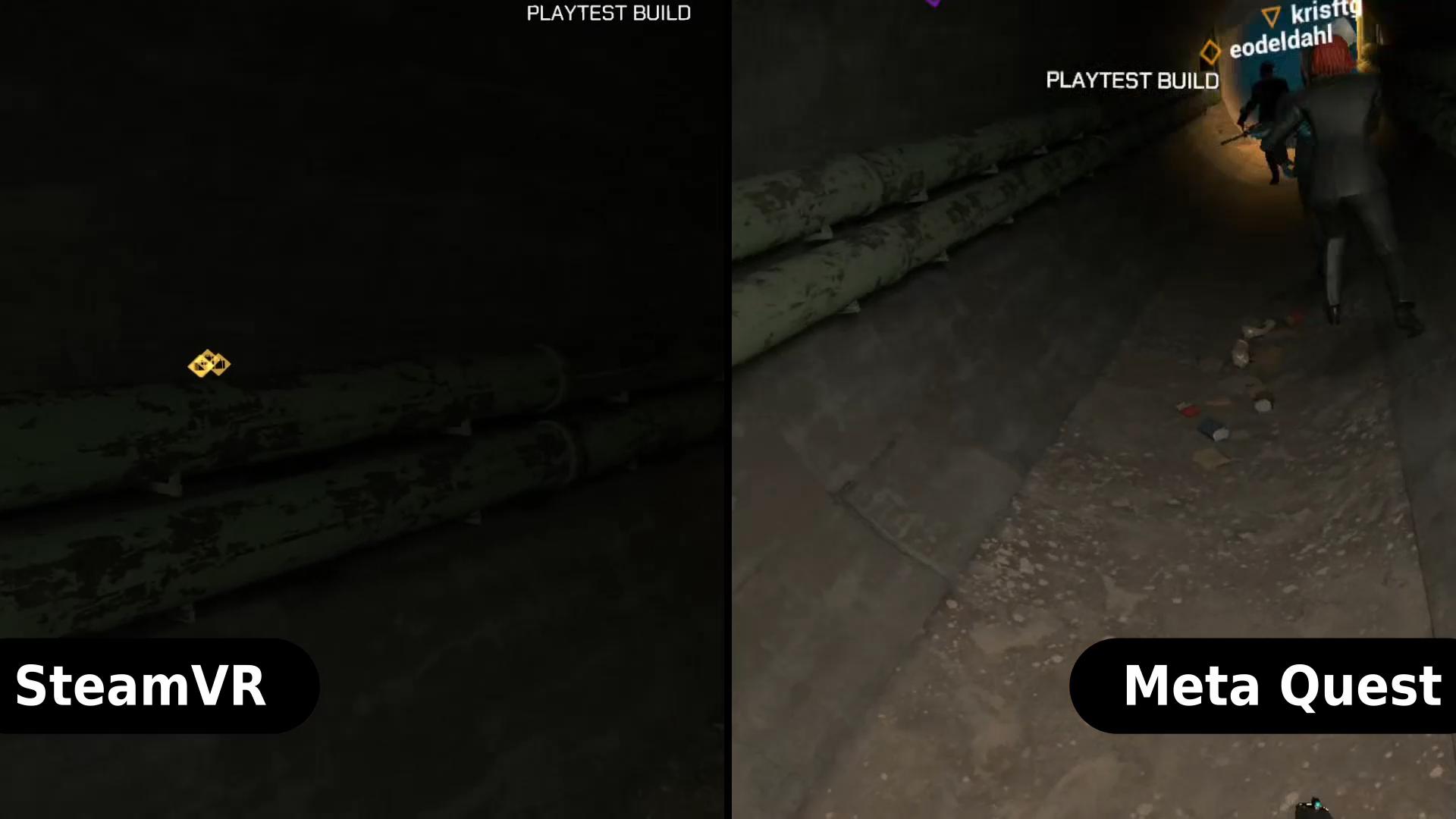
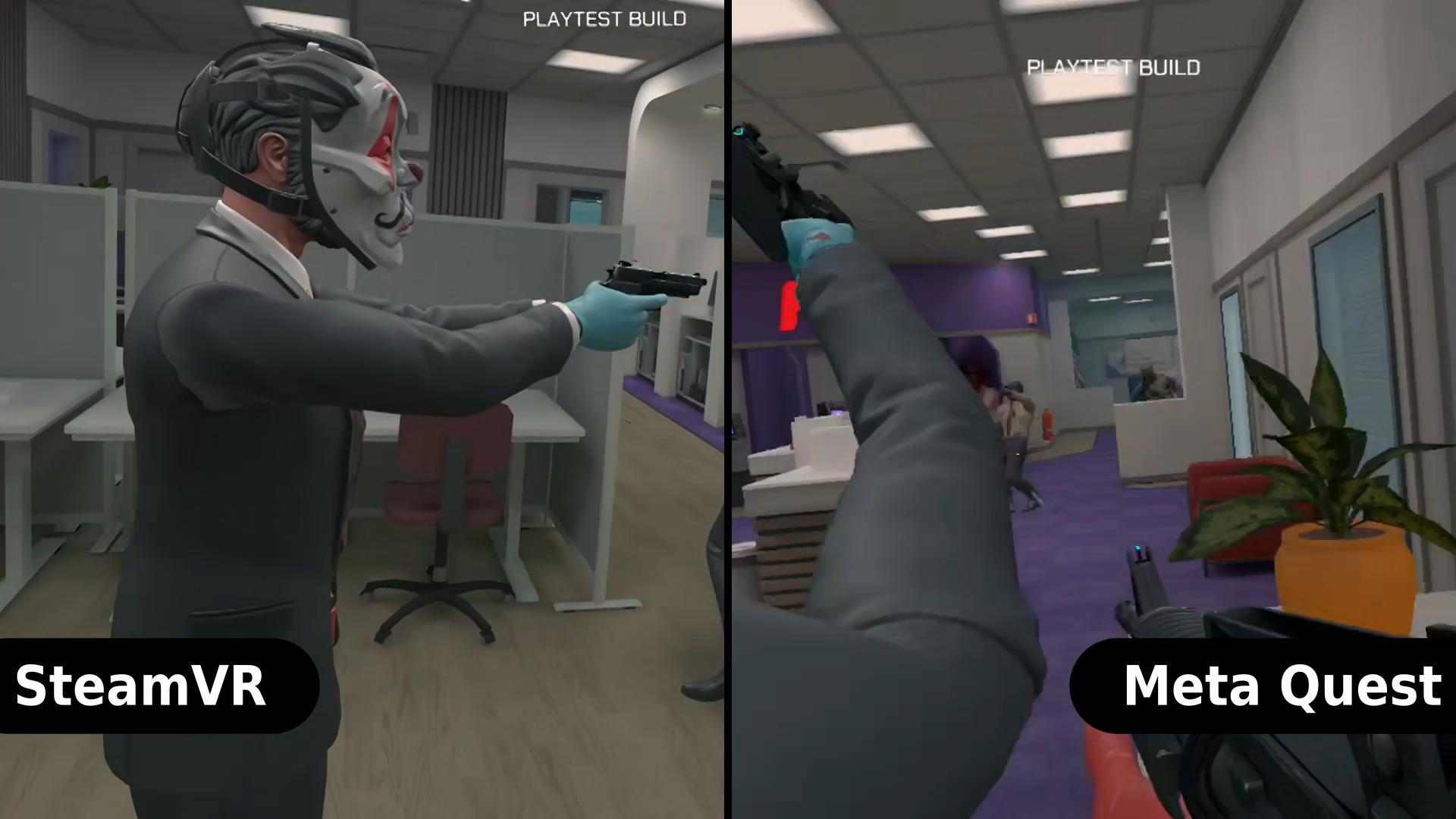
This preview, conducted across both Meta Quest and Steam VR platforms, reveals a game that prioritizes "arcade" accessibility and "intuitive" flow over the punishing realism often found in tactical VR shooters. As the industry looks toward the next generation of cooperative play, Payday: Aces High appears poised to redefine the genre through a blend of polished mechanics, randomized mission structures, and a narrative-driven progression system.
I. Main Facts: The Core Identity of Aces High
Payday: Aces High is not a mere port of existing console titles, but a ground-up VR reimagining of the heist fantasy. Developed by Fast Travel Games, the title aims to bridge the gap between the chaotic fun of Payday 2 and the immersive, tactile requirements of modern VR hardware.
Key Features and Specifications:
- Developer: Fast Travel Games.
- Platforms: Meta Quest (Standalone) and Steam VR, featuring full cross-play support.
- Genre: Cooperative First-Person Shooter (Heist-focused).
- Gameplay Philosophy: An "Arcade-First" approach designed to minimize "VR jank" and maximize player momentum.
- Core Loop: Reconnaissance, stealth/combat, objective completion (drilling/hacking), and extraction.
- Progression: A deep system of unlockable skills, weapons, and items influenced by "hero shooter" archetypes.
The game director, Erik, emphasizes that the mechanical design is intentionally streamlined. By avoiding "finicky precision"—a common pitfall in VR that can frustrate players during high-stress sequences—the studio has focused on "the feel" of the heist. This includes automated loot bagging and a manual but highly forgiving reloading system that ensures the action rarely slows down for technical frustrations.
II. Chronology of a Heist: From Reconnaissance to the Sewer Escape
To understand the rhythm of Payday: Aces High, one must look at the progression of a standard mission. During the media session, a four-player team consisting of journalists and developers tackled a mid-tier bank heist. The twenty-minute session followed a distinct four-act structure.
Phase 1: The Casing and "Masking Up"
The mission began in "civilian mode." Unlike many shooters that drop players directly into combat, Aces High requires a reconnaissance phase. The team explored the exterior of the bank, peering through windows to locate security cameras, guard patrols, and potential points of interest like safes or wall-mounted security codes.
A critical mechanic introduced here is the "Masking Up" trigger. Putting on the iconic Payday masks is a point of no return; doing so immediately alerts security and transitions the game from a stealthy exploration to an active heist. In this session, the team delayed this action to identify a rooftop grapple point and an exterior fuse box—randomized elements that can significantly alter the difficulty of the breach.

Phase 2: The Stealth Failure and Musical Shift
While the game allows for full-stealth completions—rewarding players with bonus experience and currency—the difficulty is tuned to be punishing. During the preview, a player lingered too long in the line of sight of a guard. The transition was instantaneous: the subtle, ambient background score shifted into a high-octane rock track, signaling that the "loud" phase had begun.
Phase 3: The Vault and the Drone Drop
Once the alarm sounded, the team moved to the security office. Using a code found during the casing phase, they gained access to the inner sanctum. A standout moment of visual and mechanical flair occurred when the team called for a pneumatic drill. Rather than appearing in an inventory, the massive piece of machinery was delivered via an automated drone.
The drilling process required active participation through "skill checks" on the drill’s handle, divided into three distinct phases. This kept players tethered to the objective while others provided cover fire against escalating waves of police responders.
Phase 4: The Extraction and Movement Penalties
After successfully looting the vault, the team faced the challenge of extraction. Aces High treats loot as a physical burden. Large bags of money or jewelry significantly slow player movement, forcing a tactical reliance on teammates. To escape, the team used explosives to blow open a sewer access point, tossed their bags into the tunnels, and engaged in a final, desperate shootout with armored tactical units before reaching the getaway zone.
III. Supporting Data: Mechanics and Randomization
The longevity of a cooperative shooter depends on its "replayability," a factor Fast Travel Games has addressed through a robust randomization engine and tactile feedback loops.
The Randomization Engine
Though the physical layout of the bank remains consistent, the internal variables change with every "run." These include:
- Security Codes: Locations of codes change, forcing players to search different offices.
- Incursion Points: Elements like grapple hook spots and fuse boxes may or may not appear.
- Loot Placement: Loose money and secondary safes are scattered differently.
- Guard Patrols: AI paths are non-static, making stealth a dynamic challenge rather than a memorization exercise.
Tactile Feedback and UI
The developers have implemented "sensory rewards" for basic actions. Collecting small stacks of money triggers a "ka-chink" sound effect and a visual explosion of coins, providing instant gratification. Gunplay is described as "jank-free," with ammo pouches located over the shoulder for a natural, muscle-memory-based reloading cycle.
Furthermore, the game utilizes a diegetic UI (User Interface) via a smartwatch on the player’s wrist. While the hacking mechanic wasn’t fully utilized in the bank heist, it serves as the primary hub for mission data and objective tracking, keeping the player immersed in the world rather than staring at floating menus.
IV. Official Responses: The Developer’s Vision
During the session, Game Director Erik provided insight into the studio’s design philosophy. He addressed the "Arcade vs. Simulation" debate that often divides the VR community.
"We leaned more in the arcade direction with the mechanics," Erik explained. "We want players to play fast and get caught up in the action as opposed to struggling with finicky precision."
This philosophy extends to the game’s "Hero Shooter" influences. While Payday has always had classes, Aces High pushes this further. Depending on the skills and weapons a player chooses from the extensive unlock tree, they fall into natural roles:
- The Enforcer: Handling heavy weaponry and suppressing armored tactical units.
- The Technician: Managing drills and hacking devices.
- The Medic: Utilizing health injectors to revive downed teammates.
Erik noted that even without pre-planned strategies, the testers fell into these roles "organically." This organic teamwork is what the studio believes will set Aces High apart from more rigid tactical shooters.
V. Implications: The Future of the Heist Genre in VR
The hands-on preview of Payday: Aces High suggests several significant implications for the VR industry and the Payday IP:
1. The "Quest-First" Optimization
The fact that the game runs smoothly on Meta Quest while maintaining the core features of the PCVR version is a testament to Fast Travel Games’ optimization capabilities. As the standalone VR market continues to dominate, Aces High could become a "killer app" for cooperative play on the platform.
2. Narrative Integration
The introduction of "The Queen"—a narrator who directs the team and ties the heists into a story of revenge against a crooked businessman—suggests a more cohesive narrative than previous entries. This could provide the "hook" needed to keep solo players engaged with the campaign.
3. Bridging the Accessibility Gap
By choosing "arcade" over "simulation," Fast Travel Games is opening the door to a wider audience. Many VR shooters are criticized for being too difficult for casual players to pick up. Aces High appears to be designed for "fun-first" sessions that can be completed in 20-minute bursts, making it ideal for the current VR consumer base.
4. Technical Hurdles
While the core gameplay was praised as "outstanding," the alpha build did exhibit typical early-development issues, such as stilted AI animations and texture flickering. The success of the final release will depend on the studio’s ability to polish these "alpha quirks" before launch.
Final Verdict from the Field
Payday: Aces High is shaping up to be a tremendous addition to the VR library. It captures the "spirit of the heist"—the tension of the quiet moments and the chaotic release of the loud ones—without the frustration of overly complex controls. For fans of cooperative action and the Payday legacy, this title is an essential addition to the wishlist. Even in its early build, the "core" of the game is undeniably strong, promising a high-stakes, high-reward experience that finally brings the dream of the virtual heist to life.