The Widow’s Legacy: How Spider-Man: Brand New Day Finally Crowns Yelena Belova
The Marvel Cinematic Universe (MCU) has long been a tapestry of legacy, sacrifice, and the enduring nature of heroism. However, few transitions have been as slow-burning or emotionally fraught as the passing of the Black Widow mantle. While characters like Sam Wilson and Kate Bishop stepped into their predecessors’ shoes with relatively clear narrative trajectories, the title of "Black Widow" remained in a state of mourning following the death of Natasha Romanoff in Avengers: Endgame.
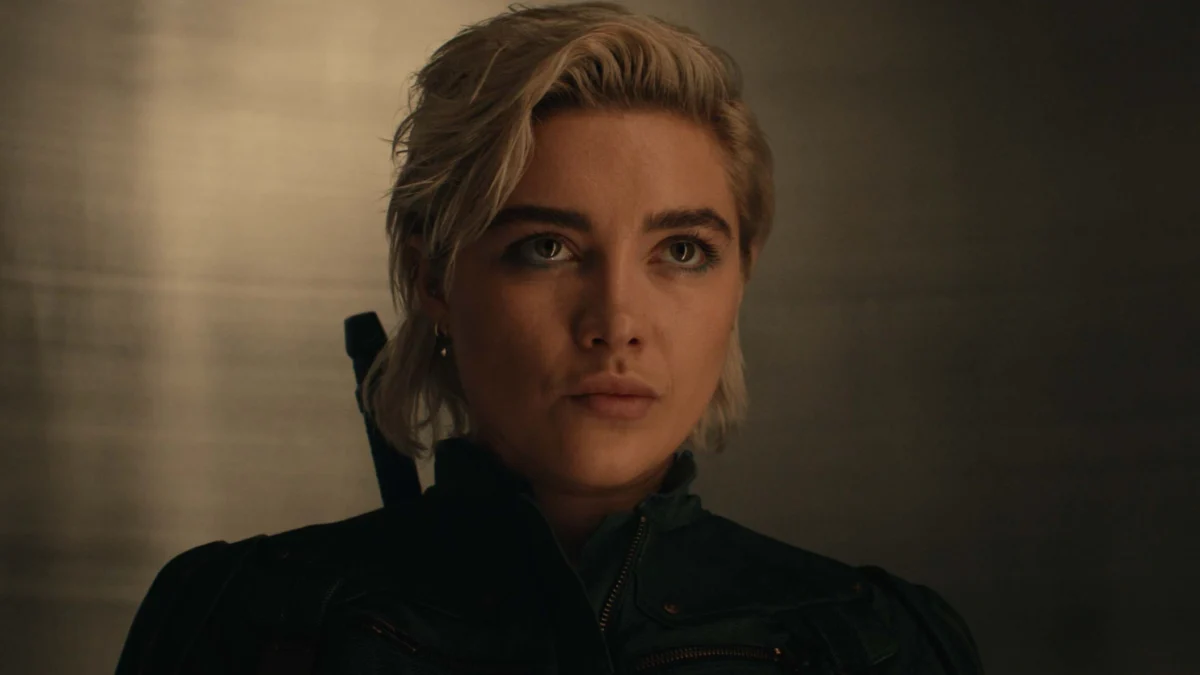
That ambiguity has finally come to an end. With the release of Spider-Man: Brand New Day, the MCU has officially signaled that Yelena Belova (Florence Pugh) is no longer just a "widow" of the Red Room, but the Black Widow of the New Avengers. This development not only settles a long-standing fan debate but also provides a profound look into the psychological evolution of one of the franchise’s most complex characters.
Main Facts: The "Brand New Day" Revelation
In the recently released Spider-Man: Brand New Day, the confirmation of Yelena’s new status is handled with a characteristic blend of MCU humor and narrative efficiency. The pivotal moment occurs not during a grand ceremony, but in the cluttered apartment of MJ and Ned Leeds.
Following a high-stakes sequence where Peter Parker coordinates with Yelena over a secure line, Ned Leeds—the self-appointed "guy in the chair" and a verified superhero encyclopedia—refers to her explicitly as "Black Widow." This is more than a casual slip of the tongue. Within the logic of the MCU, Ned represents the voice of the public and the fan community; his recognition of Yelena by that specific title serves as the franchise’s "official" stamp of approval.
The film establishes that Yelena is now operating as a core member of the New Avengers, filling the tactical and espionage void left by her sister. Unlike her previous appearances in Hawkeye and Thunderbolts*, where she operated in the shadows or under the ambiguous jurisdiction of Valentina Allegra de Fontaine, Brand New Day positions her as a front-facing hero.
Chronology: The Long Road to the Mantle
To understand why this confirmation in 2026 is so significant, one must look back at the winding path Yelena has taken since her introduction.
1. The Deconstruction (Black Widow, 2021)
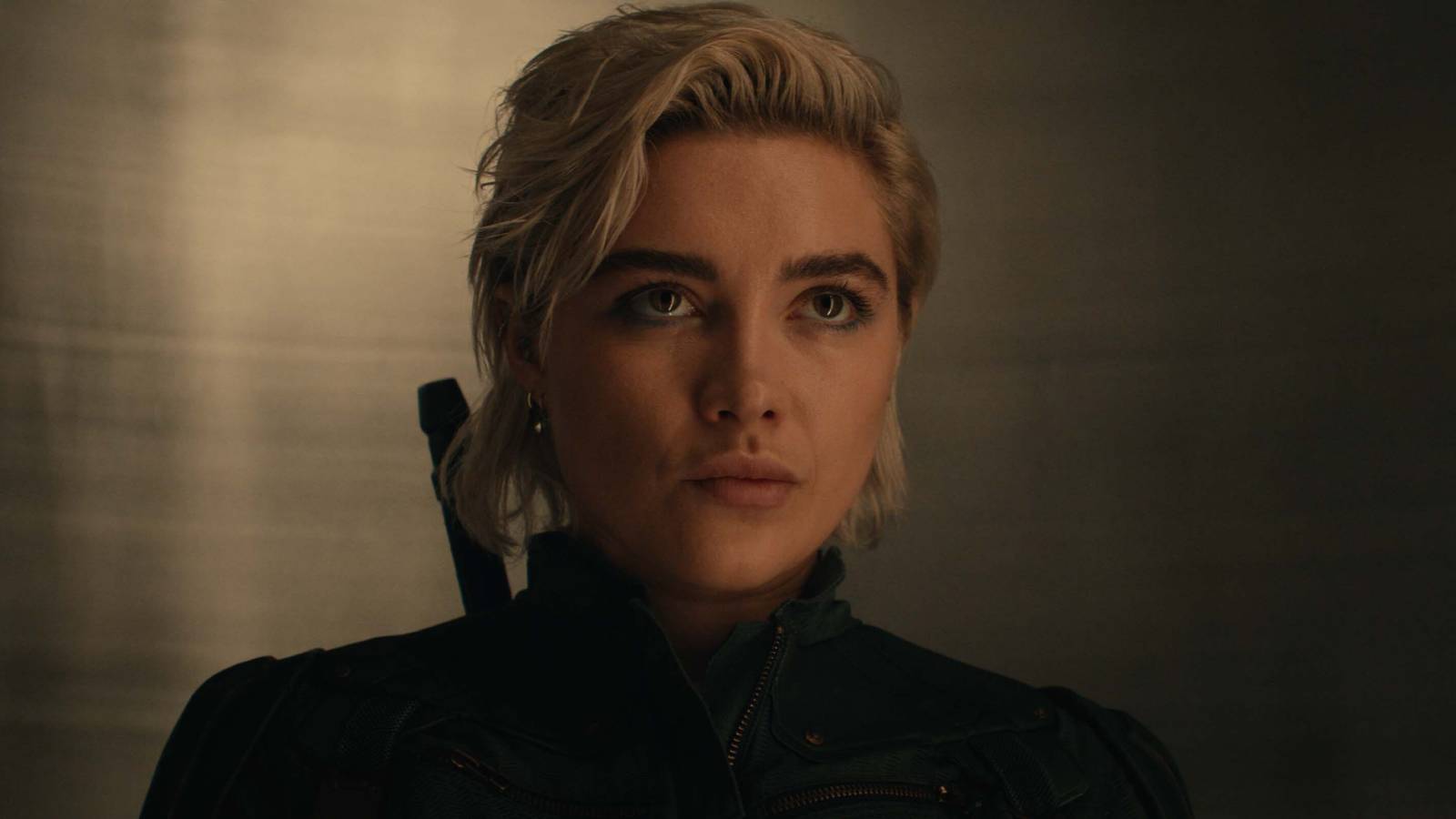
When we first met Yelena in the Black Widow solo film, the title was a curse. To her, being a "Black Widow" meant being a victim of Dreykov’s Red Room—a child soldier stripped of her agency and forced to commit atrocities. At the end of that film, Yelena’s mission wasn’t to inherit the name, but to destroy the institution that created it.
2. The Grief and the Grudge (Hawkeye, 2021)
Following the "Blip," Yelena’s primary motivation was vengeance. Misled by Val into believing Clint Barton was responsible for Natasha’s death, she acted as a freelance assassin. During this period, she pointedly avoided the Black Widow moniker, operating instead as a ghost in the machine. She was a woman without a country or a code, mourning the only person who ever truly saw her as a sister rather than a weapon.
3. The Moral Gray Zone (Thunderbolts*, 2025)
In Thunderbolts*, Yelena found herself among a group of outcasts and "reformed" villains. This era was crucial for her character development, as she realized that she couldn’t simply run away from her past. However, the Thunderbolts were a black-ops team, not a symbol of hope. To take the name "Black Widow" while working for Val would have felt like a regression to her Red Room days.
4. The Acceptance (Spider-Man: Brand New Day, 2026)
It is only after the events of Thunderbolts* and the stabilization of the New Avengers that Yelena seems to have made peace with the title. By accepting the name in a world that knows Peter Parker (even if they don’t know his face) and the new hero community, she is reclaiming the name from the villains who gave it to her and honoring the sister who redeemed it.
Supporting Data: Why the Delay Was Necessary
Critics and fans have often asked why Marvel Studios waited five years (in real-world time) to officially pass the torch. The answer lies in the thematic weight of the Black Widow title compared to other MCU mantles.
The Burden of the Red Room: Unlike the "Captain America" title, which was designed as a symbol of inspiration, "Black Widow" was a serial number given to state-sponsored assassins. For Yelena to take that name immediately after Natasha’s death would have been traumatic. She needed to prove to herself that she could be a hero without the label before she could be a hero with it.

The "New Avengers" Infrastructure: Spider-Man: Brand New Day highlights a shift in the MCU’s geopolitical landscape. With the Avengers reforming as a more cohesive unit to tackle multiversal and terrestrial threats, the team required a specialist in asymmetrical warfare. Yelena’s integration into this team provides the "data" the public needs to associate her with the Avengers brand.
Audience Proxy Dynamics: Marvel’s use of Ned Leeds as the character to "confirm" the title is a calculated move. Since Ned has been established since Spider-Man: Homecoming as the ultimate fan-boy within the universe, his labeling of Yelena reflects the internal "Wiki" of the MCU public. If Ned calls her Black Widow, then the world calls her Black Widow.
Official Responses and Character Logic
While Marvel Studios executives have remained tight-lipped about the long-term future of the "Widow" franchise, the narrative logic within Brand New Day offers its own "official" stance through character dialogue and subtext.
In the film, Peter Parker’s interactions with Yelena suggest a peer-to-peer respect. Peter, who has struggled with his own identity and the weight of being "the next Iron Man," finds a kindred spirit in Yelena. Their dialogue suggests that the decision for her to use the Black Widow title wasn’t a PR move by the Avengers, but a personal choice made to keep Natasha’s memory alive in the field of battle.
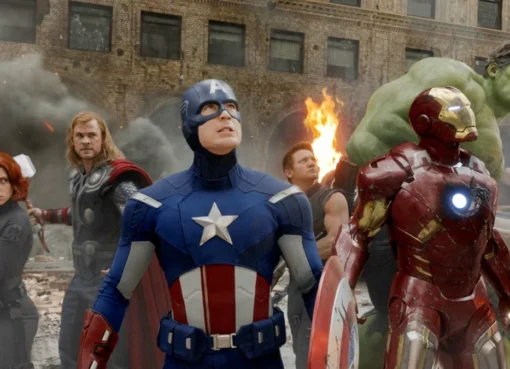
Furthermore, the "New Avengers" roster—which includes Sam Wilson’s Captain America and Shang-Chi—treats Yelena as a veteran. This internal validation from the team’s leadership is the highest form of "official response" available in the narrative. They don’t see her as a replacement; they see her as the continuation of a legacy that started in 2010’s Iron Man 2.
Implications: A New Era for the MCU
The official crowning of Yelena Belova as the Black Widow has far-reaching implications for the future of the MCU.
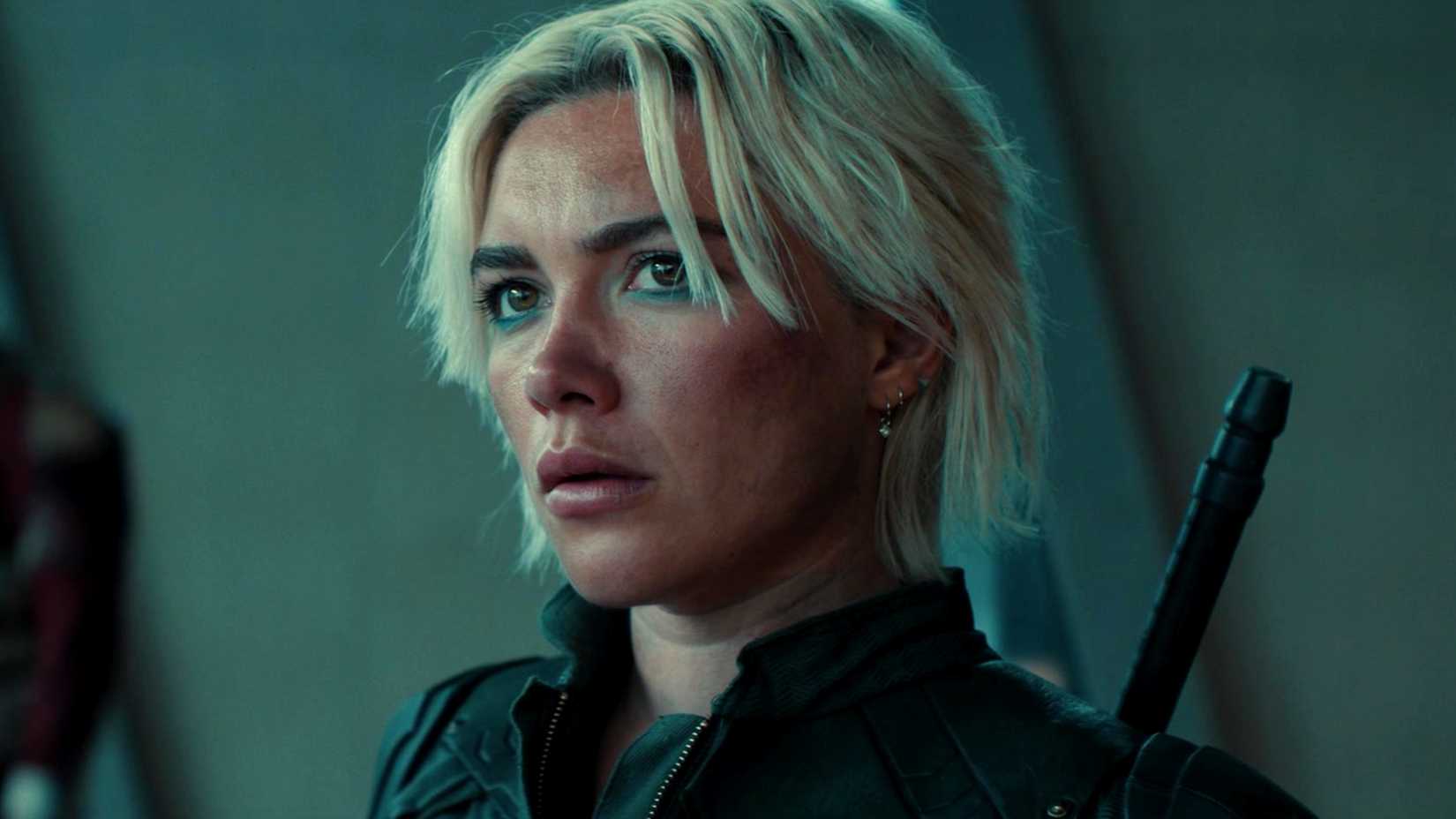
1. The "Street-Level" Synergy
Yelena’s presence in a Spider-Man film cements the "street-level" corner of the MCU. With Daredevil, Spider-Man, and now the official Black Widow frequently crossing paths in New York City, Marvel is building a gritty, tactical counterpoint to the cosmic adventures of the Fantastic Four or Thor. Yelena provides the "grounded" perspective necessary to keep these stories relatable.
2. The Sisterhood of Heroes
The relationship between Yelena and Kate Bishop (the new Hawkeye) is expected to be a cornerstone of the next decade of Marvel storytelling. By officially becoming the Black Widow, Yelena mirrors the Clint/Natasha dynamic of the original six Avengers. This "New Guard" version of the friendship is already a fan favorite, and the official titles add a layer of poetic symmetry to their partnership.
3. Redefining the "Widow" Archetype
Yelena’s version of the Black Widow is fundamentally different from Natasha’s. While Natasha was defined by her "red in her ledger" and a desire for quiet atonement, Yelena is more vocal, cynical, and prone to dark humor. Her tenure as Black Widow promises to be less about "the spy who came in from the cold" and more about a survivor who refuses to let the world break her again.
4. Preparation for the Secret Wars
As the MCU marches toward Avengers: Secret Wars, having a fully realized Black Widow on the board is essential. Yelena’s skills in infiltration and her willingness to operate in the "gray" areas of morality make her an indispensable asset for a team that will eventually face multiversal collapse.
Conclusion
Spider-Man: Brand New Day may be a Peter Parker story at its heart, but its contribution to the wider MCU lore cannot be overstated. By finally allowing Yelena Belova to step into the light as the Black Widow, Marvel has honored the past while firmly grasping the future.
The mantle is no longer a ghost of the Red Room or a memory of Vormir; it is a living, breathing part of the New Avengers. Yelena hasn’t just replaced her sister—she has evolved the role, ensuring that the name "Black Widow" will remain a symbol of defiance for generations to come. As Ned Leeds so succinctly put it, the Black Widow is back, and the MCU is all the better for it.