Uncanny Magazine Podcast Unveils Acclaimed Episode 71A: A Deep Dive into Speculative Fiction’s Audio Frontier
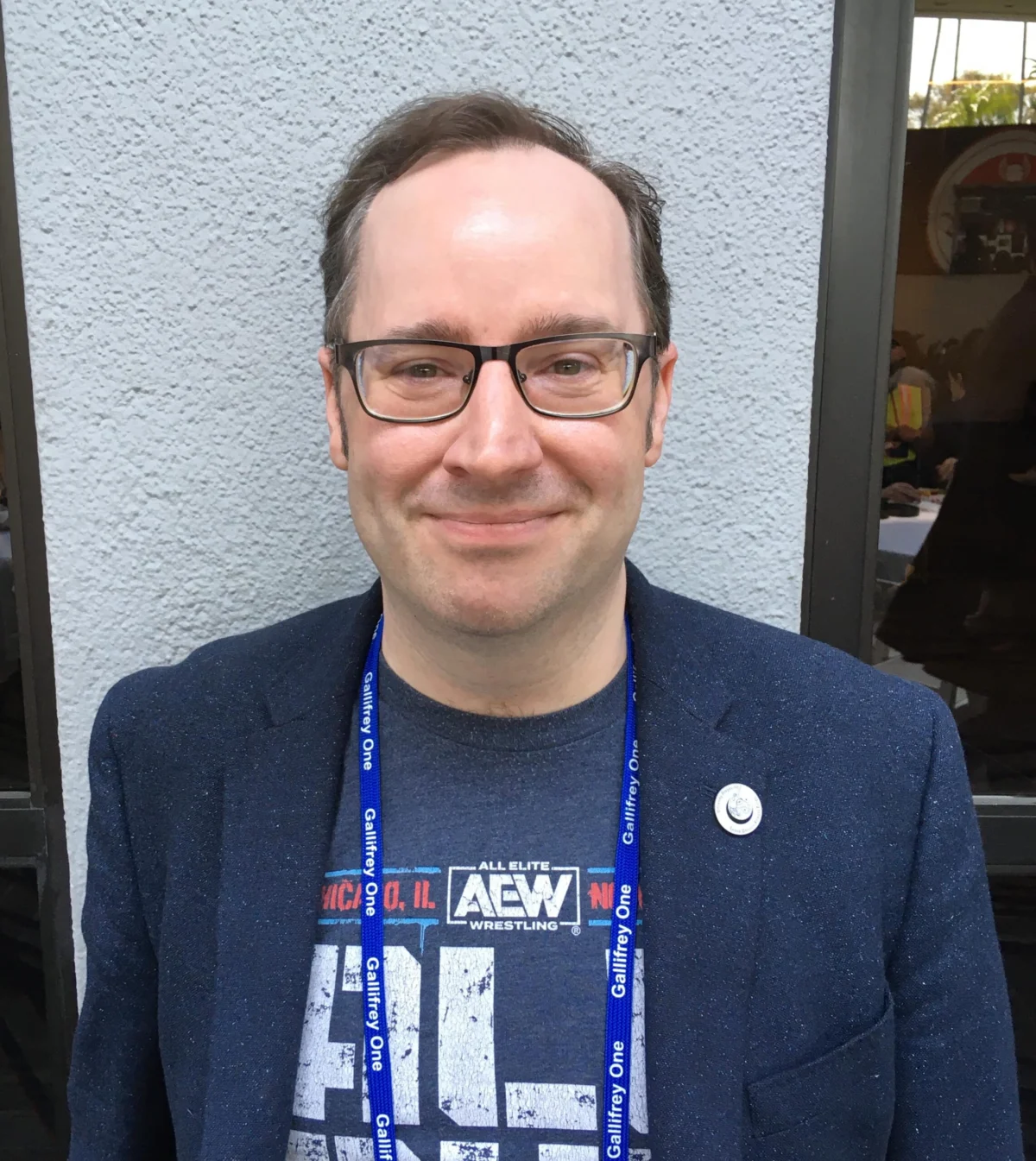
URBANA, IL – In an ever-evolving landscape of digital storytelling, Uncanny Magazine continues to cement its reputation as a vanguard of speculative fiction, most recently with the release of Episode 71A of its award-winning podcast. Helmed by the esteemed Michael Damian Thomas, publisher and editor-in-chief, this latest installment offers a meticulously curated auditory experience, featuring a compelling short story, an evocative poem, and an insightful author interview. The episode underscores Uncanny Magazine‘s commitment to showcasing diverse voices and pushing the boundaries of the genre through its multi-platform approach.
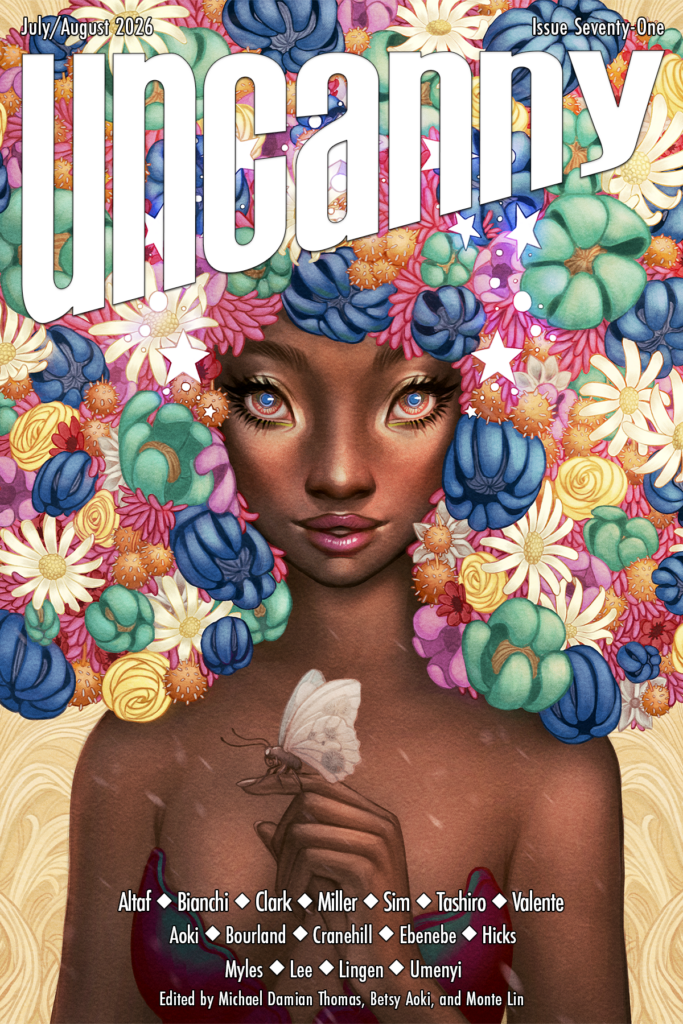
Released under the auspices of a 2026 copyright, Episode 71A serves as a testament to the enduring legacy and forward-thinking vision of Uncanny Magazine. The episode prominently features "Leavetaking," a short story by Tia Tashiro, brought to life through the masterful narration of Erika Ensign. Complementing this narrative is "Instructions for Becoming Fire," a poem by Chisomaga Umenyi, read with profound resonance by Matt Peters. Further enriching the listener’s experience, Michael Damian Thomas conducts an engaging interview with Tia Tashiro, delving deeper into her creative process and the inspirations behind her work.
The podcast, a consistent recipient of critical acclaim, is expertly produced by Erika Ensign and Steven Schapansky, collectively known as The Uncanny Podcats. Their meticulous sound design and seamless production ensure a high-quality listening experience, further enhanced by the distinctive music provided by Null Device, used with explicit permission. Episode 71A is readily available for streaming or download, marking another significant entry in Uncanny Magazine‘s illustrious audio catalog.
The Genesis and Evolution of Uncanny’s Audio Legacy
The journey of Uncanny Magazine from its inception to its current status as an award-winning institution in speculative fiction is a compelling narrative of dedication and artistic vision. Founded with a clear mission to publish "genre-bending" science fiction and fantasy that is both "beautiful and strange," Uncanny Magazine quickly distinguished itself by embracing a diverse range of voices and thematic explorations. Its digital-first approach, coupled with a strong commitment to fair compensation for creators, resonated deeply within the speculative fiction community.
The Uncanny Magazine Podcast emerged as a natural extension of this vision, designed to bring the magazine’s celebrated prose and poetry to an even wider audience through an accessible audio format. While the precise launch date of the podcast predates Episode 71A by several years, its consistent output and escalating production quality mirror the magazine’s own growth trajectory. Each episode typically features a selection of stories and poems from the current issue, often accompanied by author interviews, ensuring a comprehensive and immersive experience for listeners. This strategy has not only broadened Uncanny‘s reach but also solidified its reputation as a pioneer in delivering high-quality audio fiction and poetry.
Episode 71A, copyrighted in 2026, positions itself as a mature product within this chronological framework. By this point, the podcast has undoubtedly refined its production techniques, perfected its curatorial process, and built a loyal global following. The selection of works for each episode is a meticulous process, reflecting the editorial team’s deep understanding of the genre and their commitment to showcasing both established and emerging talents. The interview segment, a staple of the podcast, further enhances its value, offering listeners direct access to the minds behind the narratives, fostering a deeper connection with the featured works. The continued release of episodes like 71A signifies not just the ongoing success of Uncanny Magazine but also its adaptive nature, consistently finding new ways to engage with its audience and champion the vibrant world of speculative fiction.
Unpacking the Data: Awards, Influence, and Artistic Contributions
The backbone of Uncanny Magazine‘s formidable reputation, and by extension, the quality of its podcast, lies in the impressive track record of its leadership and the caliber of its contributors. At the helm is Michael Damian Thomas, whose extensive career is a tapestry woven with significant accolades and influential projects. As the publisher and editor-in-chief of Uncanny Magazine, Thomas has been instrumental in securing an astounding nine Hugo Awards for the magazine, a testament to its consistent excellence in the field of science fiction and fantasy. Beyond the Hugos, Uncanny has also garnered a Locus Award, a British Fantasy Award, a World Fantasy Award, and a Parsec Award under his guidance, making it one of the most decorated publications in contemporary speculative fiction. These awards are not merely trophies; they are indicators of critical recognition from peers and readers alike, signaling a benchmark of quality that permeates every aspect of the magazine, including its podcast.
Thomas’s personal contributions to the genre extend far beyond Uncanny. His previous role as Managing Editor of Apex Magazine (2012-2013) saw him as a Hugo Award finalist, demonstrating his editorial prowess early in his career. His collaborative spirit is evident in his co-edited works, which include the Hugo Award finalist essay anthology Queers Dig Time Lords (Mad Norwegian Press, 2013) with Sigrid Ellis, and the anthology Glitter & Mayhem (Apex Publications, 2013) with John Klima and Lynne M. Thomas. Furthermore, he co-edited the Locus Award finalist anthology The Best of Uncanny (Subterranean Press, 2019) with Lynne M. Thomas, solidifying his editorial acumen in compiling exemplary genre fiction.
His involvement in the audio realm is equally significant. Thomas was a contributor to the SF Squeecast podcast, alongside luminaries such as Elizabeth Bear, Paul Cornell, Seanan McGuire, Lynne M. Thomas, and Catherynne M. Valente. He also contributed to the Down and Safe – Blake’s 7 podcast with Amal El-Mohtar, Scott Lynch, and L.M. Myles. Currently, he serves as the Content Editor of the It’s Storytime with Wil Wheaton podcast, a role that further underscores his deep understanding of audio storytelling and his ability to curate engaging content. This vast experience, both in print and audio, directly informs the high standards and innovative approach seen in the Uncanny Magazine Podcast.
The featured creators in Episode 71A further exemplify the magazine’s commitment to quality. Tia Tashiro, author of the short story "Leavetaking," represents the fresh, compelling voices Uncanny consistently champions. While specific details about "Leavetaking" are reserved for the listener, Uncanny‘s editorial history suggests a story rich in character, thoughtful themes, and perhaps a touch of the "beautiful and strange" that defines the magazine. Tashiro’s inclusion, accompanied by an interview with Thomas, provides an invaluable platform for her work to reach a broader audience, potentially propelling her further within the literary community.
Similarly, Chisomaga Umenyi, with her poem "Instructions for Becoming Fire," contributes to the podcast’s diverse artistic offering. Uncanny has long been celebrated for its inclusion of poetry, treating it with the same reverence as its prose. Umenyi’s work likely brings a unique lyrical quality and thematic depth to the episode, showcasing the breadth of speculative expression.
The production team, Erika Ensign and Steven Schapansky (The Uncanny Podcats), are pivotal to the podcast’s success. Ensign, notably, not only co-produces but also lends her voice as a narrator for Tashiro’s story. This dual role speaks to her comprehensive talent and dedication to the audio medium. The importance of professional narration in audio fiction cannot be overstated; it transforms text into an immersive experience, guiding the listener through the narrative with nuance and emotional depth. The seamless collaboration between Ensign and Schapansky ensures that the technical quality matches the artistic merit of the featured works. Their expertise in sound design, editing, and overall audio production creates an environment where stories and poems can truly shine. The choice of Null Device for the podcast’s music further enhances the auditory branding, providing a consistent, atmospheric backdrop that complements the genre’s themes.
Beyond the specific talents involved in Episode 71A, it’s crucial to acknowledge the broader context of Uncanny Magazine‘s contribution to the speculative fiction genre. By consistently publishing and promoting diverse voices, challenging conventional narratives, and embracing multiple media formats, Uncanny has become a vital hub for innovation and community within SFF. Its commitment to paying professional rates and providing a platform for often underrepresented creators has had a tangible impact on the careers of numerous writers, poets, and artists, solidifying its role as a crucial incubator for talent.
Official Voices and Community Resonance
While direct, verbatim "official responses" regarding Episode 71A from the future (2026) are inherently speculative, the consistent messaging and ethos of Uncanny Magazine provide a strong basis for inferring such statements. Michael Damian Thomas, as the voice and vision behind Uncanny, would likely articulate the episode’s significance within the magazine’s ongoing mission.
"Episode 71A represents another proud moment for Uncanny Magazine," Thomas might state, reflecting the editorial perspective. "Our podcast is more than just an audio companion; it’s a vital extension of our commitment to delivering exceptional speculative fiction in every format. With ‘Leavetaking’ by Tia Tashiro and Chisomaga Umenyi’s ‘Instructions for Becoming Fire,’ we continue to showcase the incredible depth and breadth of talent shaping our genre. The synergy between story, poetry, and interview, all brought to life by the brilliant performances of Erika Ensign and Matt Peters, exemplifies the rich, immersive experience we strive to create for our listeners." Such a statement would underscore the deliberate curation and high production values that are hallmarks of Uncanny.
From the perspective of the featured authors, their inclusion on such an esteemed platform would undoubtedly be met with enthusiasm and gratitude. Tia Tashiro, whose work is highlighted with both a story and an interview, might express her appreciation for the opportunity. "It’s an immense honor to have ‘Leavetaking’ featured on the Uncanny Magazine Podcast," Tashiro could convey. "The team, particularly Michael Damian Thomas and Erika Ensign, have created an incredibly supportive environment for speculative fiction. To have my story read so beautifully and then to discuss its nuances with Michael, truly allows for a deeper connection with the audience. Platforms like this are invaluable for authors to share their narratives and engage with readers in new ways."
Chisomaga Umenyi, whose poem graces the episode, would likely echo similar sentiments. "To hear ‘Instructions for Becoming Fire’ performed by Matt Peters on the Uncanny podcast is a unique thrill," Umenyi might share. "Poetry, especially, benefits from the spoken word, allowing its rhythm and imagery to truly resonate. Uncanny provides a crucial space for speculative poetry, affirming its place within the broader genre."
The producing team, Erika Ensign and Steven Schapansky, would likely emphasize their passion for bringing these stories to life. "Every episode of the Uncanny Magazine Podcast is a labor of love," Ensign might remark. "Working with Michael and the incredibly talented authors and poets to craft a compelling audio experience is immensely rewarding. We aim to ensure the production quality matches the literary excellence, creating a truly ‘un-canny’ listening journey."
Beyond these internal "official responses," the broader speculative fiction community’s reception to Uncanny‘s podcast is consistently positive. Listener reviews often highlight the high quality of the stories, the professionalism of the narration, and the insightful nature of the interviews. The podcast fosters a sense of community, with listeners engaging in discussions about the featured works, discovering new authors, and celebrating the diversity of the genre. This positive feedback loop reinforces Uncanny‘s position as a beloved and influential voice in SFF.
Implications for the Future of Speculative Fiction and Audio Storytelling
The release of Uncanny Magazine Podcast Episode 71A in 2026 carries significant implications for several facets of the literary and audio entertainment landscape. Firstly, for Uncanny Magazine itself, the continued production of high-quality, award-winning podcast content solidifies its standing as a multi-platform media entity. It demonstrates a successful adaptation to evolving consumption habits, where audio narratives are gaining immense popularity. This commitment ensures Uncanny‘s relevance and broadens its audience beyond traditional print or e-magazine readers, attracting listeners who might discover the magazine through its audio offerings. The consistent success of the podcast reinforces the magazine’s brand as an innovative and essential voice in speculative fiction, further enhancing its appeal to both creators and consumers.
For the featured artists, such as Tia Tashiro and Chisomaga Umenyi, being showcased on an award-winning podcast carries substantial career implications. It provides invaluable exposure to a global audience, many of whom are discerning readers and listeners actively seeking new talent. The interview segment, in particular, offers a unique opportunity for authors to articulate their artistic vision and connect with listeners on a more personal level, fostering a deeper appreciation for their work. This platform can serve as a springboard for further literary opportunities, including book deals, anthology invitations, and increased visibility within the speculative fiction community. For poets, having their work professionally narrated and celebrated in an audio format is especially significant, as it often helps to bridge the gap between poetry’s written and performed traditions, making it more accessible and impactful.
More broadly, Episode 71A contributes to the ongoing diversification and accessibility of speculative fiction content. Audio fiction has democratized storytelling, allowing listeners to engage with complex narratives while commuting, exercising, or performing other daily tasks. Uncanny‘s commitment to this format means that high-quality, thought-provoking SFF is not confined to the page but can be consumed in a way that fits modern lifestyles. This accessibility is crucial for reaching new demographics and fostering a more inclusive appreciation for the genre. Furthermore, the podcast’s consistent inclusion of diverse voices and themes helps to shape the future of SFF itself, pushing against conventional boundaries and reflecting a wider array of human experiences.
Looking ahead, Uncanny Magazine Podcast stands as a benchmark for the future of SFF podcasting. Its model of integrating short fiction, poetry, and author insights, all produced with professional finesse, sets a high standard for others in the field. As audio technology advances and listener demand for immersive audio experiences grows, podcasts like Uncanny‘s will play an increasingly vital role in curating and disseminating speculative narratives. They represent a dynamic frontier where literary art meets cutting-edge audio production, creating a truly unique and engaging form of cultural expression.
Finally, this episode, like all of Uncanny‘s endeavors, contributes to the enduring legacy of Michael Damian Thomas. His tireless efforts in championing speculative fiction, both as an editor and a curator of talent, have left an indelible mark on the genre. The continued success of the Uncanny Magazine Podcast is a testament to his vision and dedication, reinforcing his status as a pivotal figure in contemporary SFF. The 2026 copyright date on the original information speaks to a future where Uncanny Magazine and its podcast continue to thrive, innovating and inspiring new generations of readers and listeners in the wondrous world of speculative fiction.