
Unfolding the Future: A Deep Dive into Dream Pod 9’s "Heavy Gear Blueprint File" and Its Enduring Legacy
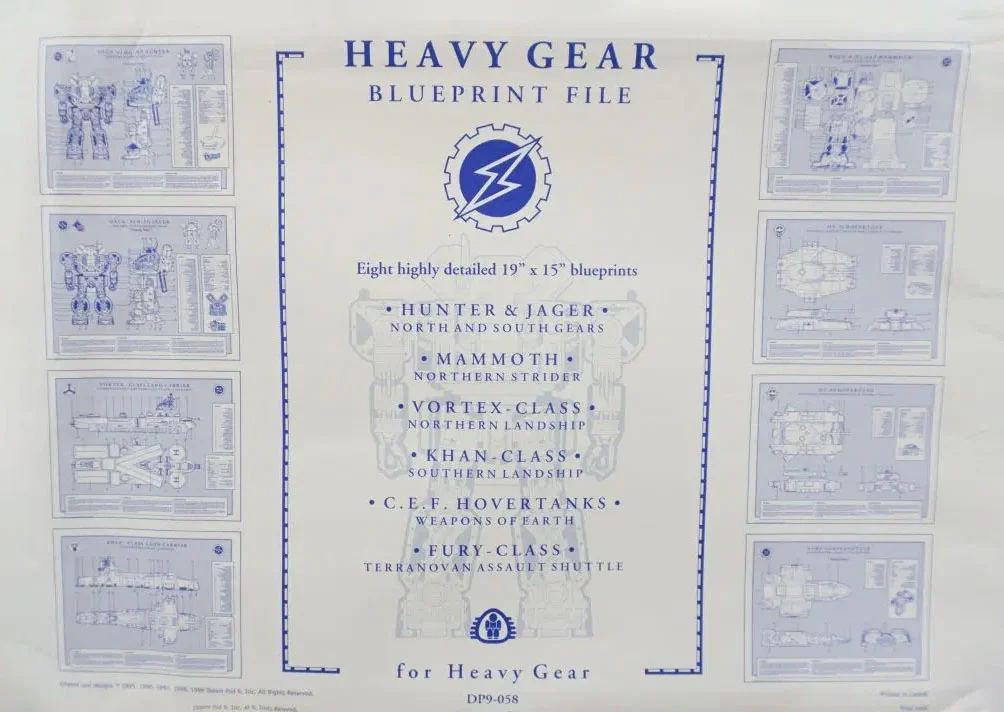
Northern Geara, Terra Nova – February 5, 2002 (Original Review Date) / October 26, 2023 (Enrichment Date) – In the dynamic and visually driven landscape of tabletop role-playing games and wargaming, certain products transcend their immediate utility to become cultural touchstones. Among these, the "Heavy Gear Blueprint File" from Dream Pod 9 (DP9) stands out as a testament to the power of immersive design and dedicated fan service. Originally reviewed in 2002, this collection of meticulously detailed, poster-sized schematics for the iconic gears, striders, and landships of the Heavy Gear universe offered players and enthusiasts an unprecedented look into the intricate mechanics and lore of their beloved setting. More than just a supplementary product, it represented Dream Pod 9’s unwavering commitment to visual excellence and its innovative approach to enriching the gaming experience.
Main Facts: Blueprinting Excellence
Dream Pod 9 has long cultivated a formidable reputation for its commitment to visual fidelity and intricate world-building across its flagship titles: Heavy Gear, Jovian Chronicles, and Tribe 8. This dedication is particularly evident in their innovative line of "blueprint files," a series of supplementary products designed to offer an in-depth, technical perspective on the iconic machinery and vessels populating their universes. The Heavy Gear Blueprint File, specifically identified by product code DP9-058, epitomizes this philosophy.
Released at a price point of $9.95, this product was presented as an 8.5" x 11" white envelope, elegantly designed with the title and a miniature "table of contents" showcasing its detailed contents. Inside, enthusiasts discovered eight distinct 19" x 15" poster-sized blueprints, each meticulously rendered to depict a specific unit from the Heavy Gear universe. These included fan favorites such as the versatile Hunter gear, the robust Jager gear, the colossal Mammoth strider, the formidable Vortex landship, the imposing Khan landship, the advanced CEF hovertank, and the swift Fury-class assault shuttle.
Each blueprint was not merely a technical drawing; it was a portal into the lore, featuring comprehensive background text detailing the design philosophy, operational history, and strategic significance of the depicted craft. Accompanying these narratives were detailed specifications and explanatory passages, transforming each poster into both an aesthetic display piece and a valuable reference tool. The files were praised for their dual utility: equally suited for framing as display art to enhance a game room’s ambiance or for practical in-game reference as a prop or handout during campaign sessions. Despite their undeniable quality and immersive potential, the original review from 2002 candidly posed a pertinent question regarding their primary function: "What the heck do you do with it?" This query, while seemingly simple, underscored a broader discussion about the evolving role of supplementary materials in a burgeoning tabletop gaming market.
Chronology: Forging a Universe, One Blueprint at a Time
The journey of the Heavy Gear Blueprint File is inextricably linked to the trajectory of Dream Pod 9 itself and the broader evolution of the tabletop gaming industry.
1990s: The Genesis of Dream Pod 9 and a New Era of Mecha Gaming
Dream Pod 9 was founded in Montreal, Canada, in the early 1990s, emerging at a time when the tabletop gaming scene was experiencing significant growth and diversification. The company quickly distinguished itself by focusing on rich, original science fiction and fantasy settings, eschewing licensed properties in favor of proprietary intellectual property. Their design philosophy was characterized by a strong emphasis on detailed lore, compelling narratives, and, crucially, exceptional visual design. This commitment to aesthetic quality would become a hallmark of their brand.
1995: The Birth of Heavy Gear
The launch of Heavy Gear in 1995 marked a pivotal moment for DP9. Set on the distant planet of Terra Nova, Heavy Gear introduced players to a gritty, high-tech future dominated by massive, humanoid combat vehicles known as "Gears." Unlike many contemporary mecha franchises, Heavy Gear grounded its designs in a sense of functional realism and industrial practicality, fostering a unique aesthetic that blended military hard science fiction with a distinctive, almost retro-futuristic style. The game quickly garnered a loyal following, celebrated not only for its robust tactical wargame system but also for its deep, intricate backstory and stunning artwork. Following its success, DP9 expanded its universe with Jovian Chronicles, focusing on space opera and celestial combat, and Tribe 8, a post-apocalyptic fantasy RPG, each reinforcing the company’s reputation for high-quality production values.
Late 1990s – Early 2000s: The Rise of Supplementary Products
As Heavy Gear solidified its position in the market, DP9 began to explore various supplementary products to enhance the gaming experience and cater to its burgeoning fan base. This period saw the release of numerous sourcebooks, miniature lines, and terrain kits. It was within this context that the concept of "blueprint files" emerged as an innovative offering. These files were not merely visual aids; they were intended to be extensions of the game’s lore, providing an almost in-universe perspective on the technology that defined the setting. They served to deepen immersion, allowing players to visualize their combat machines with an unprecedented level of detail.
February 5, 2002: Release and Initial Review of the Heavy Gear Blueprint File (DP9-058)
The Heavy Gear Blueprint File was released into a vibrant, albeit pre-digital, tabletop gaming market. In 2002, specialized gaming publications and early online forums were critical avenues for product reviews and community engagement. The original review, published on The Alexandrian (and originally RPGNet), captured the immediate impressions of a gaming enthusiast who appreciated DP9’s commitment to visual excellence and unique product offerings. The review highlighted the product’s aesthetic appeal and its potential as a display piece or game prop, while also grappling with its niche utility. This candid assessment reflected the contemporary challenge for publishers: creating products that were both desirable and clearly integrated into the core gaming experience.
Post-2002 to Present: Enduring Appeal and Digital Re-emergence
In the two decades since its initial release, the Heavy Gear Blueprint File has maintained a quiet but persistent relevance. While physical copies became collector’s items, the advent of digital distribution platforms like DriveThruRPG ensured its continued availability. This digital re-emergence allows new generations of Heavy Gear fans to access these iconic designs, underscoring the timeless appeal of well-crafted game lore and art. The fact that DP9 continues to make these files available speaks volumes about their enduring value and the publisher’s long-term commitment to its intellectual property.
Supporting Data: Anatomy of an Immersive Experience
The true value of the Heavy Gear Blueprint File lies in its meticulous execution and the depth of content it provides, transforming simple illustrations into immersive narrative tools.
Product Specifications and Packaging:
The physical presentation of the blueprint file was thoughtfully conceived. Encased in an 8.5" x 11" white envelope, it mirrored the format of architectural or engineering plans, lending an immediate sense of authenticity. The cover, adorned with the title and miniature representations of the eight enclosed blueprints, provided an immediate preview, allowing potential buyers to gauge the product’s visual style and content at a glance. This transparent approach was particularly effective in a retail environment where physical browsing was paramount. The contents – eight distinct 19" x 15" blueprints – were designed to command attention, their poster size making them ideal for display.
Artistic Merit and Technical Detail:
Dream Pod 9’s "reputation of visual excellence" is nowhere more evident than in these blueprints. Each schematic is a masterclass in technical illustration, characterized by crisp lines, precise detailing, and a clear understanding of mechanical functionality. The designs were not merely artistic interpretations but appeared to be functional schematics, complete with cutaway views, internal component layouts, and exterior plating details. This level of granularity fostered a sense of realism, making the gears and vehicles feel like tangible machines rather than abstract game pieces. The aesthetic blended the futuristic with a discernible industrial pragmatism, a hallmark of the Heavy Gear universe. The choice of a classic blueprint style – often monochromatic with white lines on a dark background or vice-versa – further enhanced their authenticity and timeless appeal.
Informational Value and Lore Integration:
Beyond their visual appeal, each blueprint served as a rich source of lore and technical data. Accompanying text provided crucial background information on the design origins, manufacturing specifics, and operational history of each unit. For instance, the Hunter gear blueprint might detail its modular design for various terrains, while the Mammoth strider blueprint could highlight its heavy armor and strategic role in siege warfare. Specifications such as dimensions, weight, armament, engine type, and specific capabilities were meticulously included, offering concrete data points for players and game masters alike. These explanatory passages seamlessly integrated the technical aspects with the narrative, allowing players to understand not just what a gear was, but why it was designed that way and how it fit into the broader geopolitical landscape of Terra Nova.
Target Audience and Utility:
The Heavy Gear Blueprint File appealed to several distinct segments of the gaming community:
- The "Gearhead" Enthusiast: For those deeply invested in the mechanics and lore of Heavy Gear, these blueprints were a treasure trove. They catered to a desire for in-depth knowledge and provided a tangible connection to the game’s iconic machinery. The original reviewer’s anecdote about owning a "Heavy Gear keychain" speaks to this deep level of fan engagement and personal connection, where the game extends beyond the tabletop into everyday life.
- Game Masters (GMs): As props and handouts, the blueprints offered invaluable tools for enhancing campaign immersion. Presenting players with a detailed schematic of a landship they were infiltrating, or a hovertank they were tasked with disabling, could significantly elevate the realism and tactical depth of an adventure. They allowed GMs to literally "show" rather than just "tell," bringing the game world to life.
- Collectors and Display Enthusiasts: The inherent artistic quality and poster size made these blueprints ideal for display. Framing them in a game room or office served not only as a decorative element but also as a declaration of allegiance to the Heavy Gear universe, fostering a shared atmosphere and reinforcing the theme of a campaign.
- Lore Aficionados: Those who enjoyed delving into the minutiae of game settings found the background text and specifications highly rewarding, enriching their understanding of the Heavy Gear universe beyond the core rulebooks.
Pricing and Value Proposition:
At $9.95 in 2002, the product offered substantial value, especially considering the quality and size of the eight included posters. In an era before widespread digital content, physical, high-quality supplementary materials commanded a certain premium. Its continued availability, often in digital format, on platforms like DriveThruRPG, underscores its enduring appeal and perceived value among fans, demonstrating that niche, high-quality content can have a remarkably long shelf life.
Official Responses and Market Reception: A Publisher’s Vision Fulfilled
The reception of the Heavy Gear Blueprint File, while not dominating mainstream gaming headlines, was a clear affirmation of Dream Pod 9’s strategic vision for supplementary products.
Dream Pod 9’s Intent:
From the publisher’s perspective, the blueprint files were a deliberate effort to deepen player immersion and cater to the discerning tastes of their dedicated fanbase. DP9 understood that Heavy Gear‘s appeal lay not just in its tactical gameplay but also in its meticulously crafted world and the iconic designs of its combat vehicles. By offering detailed schematics, they aimed to:
- Enhance Immersion: Provide players with a tangible, in-universe artifact that brought the game’s technology to life, fostering a greater sense of presence within Terra Nova.
- Support Lore: Offer detailed background and technical data that expanded upon the core rulebooks, enriching the overall narrative tapestry of the Heavy Gear universe.
- Cater to Collectors: Create unique, high-quality physical products that appealed to collectors and enthusiasts who valued game memorabilia and display pieces.
- Provide Practical Game Aids: Equip Game Masters with versatile props that could be seamlessly integrated into campaigns, adding visual flair and tactical reference points.
Critical Reception and Fan Engagement:
While the original review highlighted the product’s aesthetic quality and potential uses, it also touched upon the inherent niche nature of such a product. This candidness likely mirrored the sentiment of many consumers: they were undeniably cool, but their practical application varied based on individual play styles and preferences. However, within the dedicated Heavy Gear community, these blueprint files were generally well-received. Discussions on early online forums and in gaming magazines of the era often praised DP9 for its continued commitment to quality art and lore. Fans appreciated the opportunity to own detailed representations of their favorite gears and vehicles, treating them as prized possessions. The files fostered a sense of community, with players sharing ideas on how to best display them or integrate them into their campaigns. The enduring loyalty demonstrated by the original reviewer’s "Heavy Gear keychain" anecdote is a powerful testament to the brand’s ability to forge deep, personal connections with its audience, something that products like the blueprint files undoubtedly amplified.
Sales Performance and Market Impact:
Precise sales figures for niche products like the Heavy Gear Blueprint File from two decades ago are difficult to ascertain. However, the fact that DP9 continued to produce similar blueprint files for Jovian Chronicles and has maintained the availability of the Heavy Gear version (now digitally) suggests that they were commercially viable and met a sustained demand. While they may not have been blockbuster sellers, they were clearly successful in their intended purpose: solidifying brand loyalty and enriching the experience for the core fanbase. Their impact wasn’t necessarily measured in raw sales volume but in their contribution to the overall robustness and perceived quality of the Heavy Gear brand. They demonstrated that there was a market for highly specialized, visually driven supplementary content beyond traditional rulebooks and miniatures.
Implications: The Blueprint for Lasting Engagement
The Heavy Gear Blueprint File offers valuable insights into the broader implications for game design, fan engagement, and the longevity of intellectual properties in the tabletop gaming industry.
1. Deepening Game Immersion and World-Building:
The most immediate implication is the profound impact such detailed visual aids have on immersion. By providing "in-universe" technical documents, DP9 transcended mere description, allowing players to physically hold and examine the very machines that populate their campaigns. This level of detail fosters a stronger connection to the game world, making it feel more real and tangible. It encourages players to think about the logistics, engineering, and operational challenges within the setting, enriching their understanding of the lore. For game masters, these blueprints are invaluable tools for setting a scene, creating puzzles, or injecting realism into tactical encounters.
2. The Enduring Role of Supplementary Products:
The blueprint files exemplify the critical role of supplementary products in a game’s ecosystem. They demonstrate that successful game lines are not just about core rulebooks, but about a constellation of products that cater to diverse player interests – from tactical combatants to lore enthusiasts and collectors. Such products extend the life and appeal of a game, providing new avenues for engagement long after the initial purchase of the rulebook. They represent a publisher’s commitment to nurturing their intellectual property and offering added value to their community.
3. Cultivating Brand Loyalty and Fan Culture:
The "gearhead" identity, as described in the original review, is a direct result of products like the blueprint files. When a publisher provides such meticulous detail and high-quality supplementary material, it fosters a sense of appreciation and loyalty among fans. It encourages deep dives into the lore, sparking discussions, fan art, and even homebrew content. The original reviewer’s "Heavy Gear keychain" anecdote perfectly illustrates this phenomenon: physical merchandise, especially those tied to the game’s core aesthetic, become symbols of allegiance, transforming a game into a lifestyle for its most dedicated followers. This deep connection is vital for the long-term health of any intellectual property.
4. Longevity in a Dynamic Industry: The Digital Shift:
The journey of the Heavy Gear Blueprint File from a physical envelope in 2002 to its continued availability on digital platforms like DriveThruRPG highlights the transformative impact of digital distribution. This shift has democratized access to older content, ensuring that products with enduring appeal do not simply fade into obscurity. It speaks to the potential for older, high-quality content to find new audiences and remain relevant for decades. This longevity offers valuable lessons for publishers on archiving and re-releasing their back catalogs.
5. Lessons for Modern Game Design and Marketing:
In an era dominated by virtual tabletops, 3D printing, and digital assets, the principles embodied by the Heavy Gear Blueprint File remain highly relevant. The desire for detailed visual aids, immersive lore, and high-quality supplementary content has not diminished; it has merely evolved in its medium of delivery. Modern publishers can draw inspiration from DP9’s early innovation, understanding that providing deep, tangible connections to a game’s universe, whether physical or digital, is key to fostering a dedicated and passionate community. The blueprint files proved that sometimes, the most effective way to sell a universe is to let players hold a piece of it in their hands.
In conclusion, the Heavy Gear Blueprint File, initially reviewed over two decades ago, stands as more than just a collection of technical drawings. It is a testament to Dream Pod 9’s visionary approach to game design, a cornerstone of the Heavy Gear universe’s rich immersion, and a fascinating case study in how niche, high-quality supplementary products can cultivate profound brand loyalty and ensure the lasting legacy of a beloved intellectual property. Its story continues to unfold, much like the intricate schematics it contains, revealing the enduring power of well-crafted worlds.


Leave a Comment