
Unlocking the Art and Science of Branding: A Deep Dive into Foundational Literature
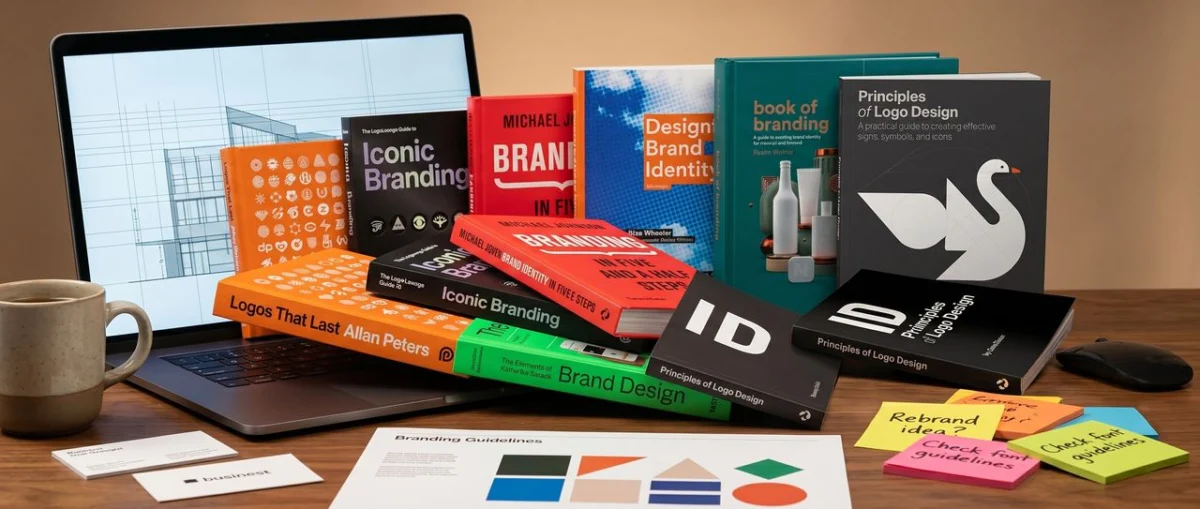
The realm of branding is a captivating and ever-evolving landscape, a dynamic interplay of creativity, strategy, and consumer psychology. For those eager to immerse themselves in this multifaceted discipline, the enduring power of a well-crafted book remains an unparalleled starting point. This exploration delves into the essential literature that illuminates the path to understanding and mastering the art and science of branding, drawing insights from esteemed figures in graphic design and marketing. From foundational principles to cutting-edge strategies, these curated selections offer a comprehensive guide for aspiring and seasoned professionals alike.
The Enduring Power of Print: Why Books Remain Crucial in the Digital Age
In an era saturated with ephemeral digital content, the printed word continues to hold a unique and vital position in the development of expertise. Books on branding, in particular, offer a depth and structure that online articles and tutorials often struggle to replicate. They provide a curated journey, meticulously organized by seasoned professionals, allowing readers to absorb complex concepts at their own pace. The tactile experience of a book—the turning of pages, the ability to annotate and revisit key passages—fosters a more profound and lasting understanding. Furthermore, the longevity of a well-researched book ensures that its foundational principles remain relevant, even as the digital landscape shifts.
The authors featured in this guide, such as David Airey, Michael Johnson, and Alina Wheeler, are not merely observers of the branding world; they are architects and influential voices who have shaped its trajectory. Their works serve as a testament to the enduring value of rigorous scholarship and practical experience, offering readers a direct line to the minds that have defined modern branding. Through their insights, we can begin to unravel the intricate threads that weave together compelling brand narratives and foster enduring consumer loyalty.
Pillars of Brand Strategy: Foundational Works for Every Professional
The journey into branding often begins with understanding its core tenets. Several seminal works have become indispensable resources for anyone seeking to grasp the fundamental principles that underpin successful brand development. These books provide a robust framework, guiding readers through the strategic thinking required to build and nurture powerful brands.
1. The Essence of Brand Identity: David Airey’s "Logo Design Love"
David Airey’s "Logo Design Love: A Guide to Creating Iconic Brand Identities" is a cornerstone for understanding the visual manifestation of a brand. Airey, a renowned designer, meticulously dissects the process of logo creation, emphasizing that a logo is far more than just an aesthetically pleasing mark; it is the very embodiment of a brand’s personality, values, and promise. The book offers a wealth of case studies, practical advice, and visual examples that illustrate how effective logos are born from deep strategic thinking and a thorough understanding of the client’s business.
- Key Takeaways:
- The symbiotic relationship between a logo and a brand’s overall strategy.
- The importance of research, sketching, and iterative design in logo development.
- How to articulate design decisions and present them effectively to clients.
- The lasting impact of well-executed visual identity on brand recognition and recall.
Airey’s approach underscores the idea that a logo is the tip of the iceberg, requiring a solid foundation of strategic planning. He guides readers through the essential questions that must be answered before a single line is drawn, ensuring that the resulting design is not only beautiful but also strategically sound and deeply resonant with the target audience.
2. The Strategic Blueprint: Michael Johnson’s "Branding: In five and a half steps"
Michael Johnson, a leading figure in the field of brand consultancy, offers a pragmatic and insightful guide in "Branding: In five and a half steps." This book demystifies the branding process, breaking it down into manageable stages that are both logical and actionable. Johnson advocates for a holistic approach, emphasizing that branding is not merely about aesthetics but about creating a compelling narrative that connects with consumers on an emotional level.
- Key Takeaways:
- The interconnectedness of brand strategy, identity, and communication.
- A structured methodology for developing a comprehensive brand strategy.
- The role of research, insight, and creative execution in building a strong brand.
- The importance of consistency across all brand touchpoints.
Johnson’s "five and a half steps" provide a clear roadmap, starting with understanding the business and its market, moving through the development of a brand strategy, the creation of a visual and verbal identity, and finally, the implementation and management of the brand. The "half step" often refers to the ongoing evolution and adaptation of a brand in response to market dynamics.
3. The Comprehensive Encyclopedia: Alina Wheeler’s "Designing Brand Identity"
Alina Wheeler’s "Designing Brand Identity: An Essential Guide for the Whole Branding Team" is often referred to as the "bible" of branding. This comprehensive resource covers every facet of brand identity development, from initial strategy and research to the execution of visual and verbal elements, and finally, the implementation and management of the brand. Wheeler’s book is invaluable for its breadth and depth, offering a thorough understanding of the entire branding ecosystem.
- Key Takeaways:
- A detailed exploration of the branding process, suitable for diverse teams.
- In-depth coverage of naming, visual identity, brand messaging, and brand experience.
- Numerous real-world case studies showcasing successful and unsuccessful branding initiatives.
- Practical guidance on managing and evolving brand identity over time.
Wheeler’s work is particularly lauded for its inclusivity, recognizing that successful branding is a collaborative effort. It speaks to designers, marketers, strategists, and clients alike, providing a common language and a shared understanding of the principles at play. The extensive collection of case studies offers invaluable lessons, illustrating both the triumphs and pitfalls encountered in the branding journey.
Beyond the Fundamentals: Specialized Knowledge for Deeper Impact
While foundational texts provide the essential building blocks, a deeper understanding of branding requires exploring more specialized areas. These books delve into specific aspects of brand building, offering nuanced perspectives and advanced strategies that can elevate a brand from merely functional to truly iconic.
1. The Power of Narrative: "Brand Storytelling" by Karen Dietz and Mel Carson
In today’s crowded marketplace, a compelling brand story is no longer a luxury but a necessity. "Brand Storytelling: Integrated Marketing Communications For Storytelling Brands" by Karen Dietz and Mel Carson explores the art and science of crafting narratives that resonate deeply with consumers. The book highlights how authentic and engaging stories can build emotional connections, foster loyalty, and differentiate a brand in meaningful ways.
- Key Takeaways:
- The fundamental elements of effective brand storytelling.
- Strategies for identifying and articulating a brand’s unique narrative.
- How to integrate storytelling across various marketing channels.
- The psychological impact of stories on consumer perception and decision-making.
Dietz and Carson emphasize that a brand story is not a fictional tale but an authentic representation of a brand’s purpose, values, and journey. They provide practical frameworks for uncovering these narratives and weaving them into every aspect of a brand’s communication, from advertising to social media to customer service.
2. The Unseen Architect: "Designing Type" by Karen Cheng
While not exclusively a branding book, "Designing Type" by Karen Cheng is a crucial resource for understanding the profound impact of typography on brand perception. Typography is an often-overlooked element of visual identity, yet it plays a significant role in conveying a brand’s personality, tone, and credibility. Cheng’s book offers a clear and accessible introduction to the principles of typeface design and usage.
- Key Takeaways:
- The fundamental principles of typography, including form, structure, and legibility.
- How different typefaces evoke distinct emotions and associations.
- Practical guidance on selecting and using typefaces for branding purposes.
- The historical context and evolution of typographic design.
Understanding typography is essential for any brand professional. The choice of a typeface can communicate sophistication, playfulness, modernity, or tradition. Cheng’s book empowers designers and marketers to make informed decisions about typography, ensuring that this critical visual element actively contributes to the brand’s overall message and identity.
3. The Global Perspective: "Around the World in 80 Brands" by Jonatan E. Altimari
In an increasingly interconnected world, understanding how brands translate across different cultures is paramount. "Around the World in 80 Brands: The Globalization of Marketing" by Jonatan E. Altimari offers valuable insights into the complexities of international branding. The book examines successful global brands and the strategies they employ to adapt their messaging and offerings to diverse markets.
- Key Takeaways:
- The challenges and opportunities of global brand expansion.
- Strategies for cultural adaptation and localization of marketing efforts.
- Case studies of brands that have achieved global success.
- The impact of cultural nuances on consumer behavior and brand perception.
Altimari’s work provides a vital perspective for brands aiming for international reach. It highlights the importance of cultural sensitivity, research, and strategic adaptation to ensure that brand messages are not only understood but also embraced by diverse audiences worldwide.
The Evolution of Branding: Historical Context and Future Trends
To truly master branding, it’s essential to understand its historical evolution and anticipate future trends. While specific books dedicated to the chronology of branding are less common in a curated list focused on practical guidance, the principles within the aforementioned texts are built upon decades of marketing and design evolution.
Historical Roots: The concept of branding can be traced back to ancient times with the use of marks to identify livestock and artisans. However, modern branding as we know it began to take shape during the Industrial Revolution, with the rise of mass production and the need to differentiate products in a burgeoning marketplace. Early examples include iconic brands like Coca-Cola and Ford, which established strong visual identities and consistent messaging. The mid-20th century saw the rise of advertising agencies and the formalization of brand strategy, with thinkers like David Ogilvy pioneering the concept of "the advertising man as a professional."
The Digital Revolution and Beyond: The advent of the internet and digital technologies has dramatically reshaped the branding landscape. Brands are no longer solely communicating through traditional media; they are engaging with consumers in real-time across multiple digital platforms. This has led to an increased emphasis on authenticity, transparency, and customer experience.
Future Trajectories: Looking ahead, several trends are likely to shape the future of branding:
- Purpose-Driven Branding: Consumers are increasingly aligning themselves with brands that demonstrate a commitment to social and environmental responsibility. Brands that can authentically articulate and act upon a clear purpose will gain a competitive advantage.
- Hyper-Personalization: Leveraging data and artificial intelligence, brands will be able to offer increasingly personalized experiences and communications, fostering deeper connections with individual consumers.
- The Metaverse and Immersive Experiences: As virtual and augmented reality technologies mature, brands will explore new avenues for engagement within immersive digital environments, creating entirely new forms of brand interaction and storytelling.
- Agile Branding: The rapid pace of change necessitates a more agile approach to branding, where strategies and identities can be adapted quickly to respond to evolving market conditions and consumer preferences.
Supporting Data and Expert Endorsements
The insights offered by these leading branding books are not merely theoretical; they are supported by a wealth of empirical data and have been endorsed by countless professionals and academics in the field. The principles of strategic brand development, consistent visual identity, and authentic storytelling have been repeatedly shown to correlate with increased market share, enhanced customer loyalty, and greater brand equity.
For instance, studies by organizations like the Brand Finance and Interbrand consistently demonstrate that companies with strong, well-managed brands outperform their competitors. These reports often highlight key metrics such as brand valuation, brand strength, and brand loyalty, all of which are directly influenced by the application of the principles discussed in these foundational texts.
Furthermore, the authors themselves are recognized experts with extensive experience. David Airey has worked with a diverse range of clients, from startups to multinational corporations, and his insights are drawn from real-world application. Michael Johnson’s consultancy has guided numerous brands to success, and Alina Wheeler’s "Designing Brand Identity" has become a go-to reference in academic and professional circles worldwide. The continued relevance and widespread adoption of the strategies outlined in these books serve as powerful evidence of their efficacy.
Official Responses and Industry Impact
The impact of these seminal works on the branding industry is undeniable. They have shaped curricula in design and business schools, influenced the methodologies employed by leading agencies, and provided a common language for professionals across disciplines. The insights gleaned from these books have empowered countless individuals to build successful brands, launch innovative products, and navigate the complexities of the global marketplace.
The consistent demand for these titles, evidenced by their ongoing presence on bestseller lists and in academic syllabi, underscores their enduring importance. They are not just books; they are foundational tools that contribute to the continuous evolution and professionalization of the branding discipline. As the field continues to adapt to new technologies and consumer behaviors, the core principles articulated in these texts will undoubtedly remain relevant, serving as a guiding light for future generations of brand builders.
Conclusion: Cultivating Enduring Brands Through Knowledge and Strategy
In conclusion, the journey to mastering the art and science of branding is a continuous process of learning and refinement. The books explored here—from the visual precision of David Airey’s "Logo Design Love" to the strategic frameworks of Michael Johnson’s "Branding: In five and a half steps" and the comprehensive scope of Alina Wheeler’s "Designing Brand Identity"—offer indispensable knowledge for anyone seeking to build impactful and enduring brands. By delving into these foundational texts, professionals can equip themselves with the strategic acumen, creative vision, and practical understanding necessary to navigate the dynamic world of branding and cultivate connections that resonate deeply with audiences across the globe. The commitment to continuous learning, informed by the wisdom of these experts, is the bedrock upon which truly exceptional brands are built.




Leave a Comment