
The Dawn of the North: Unearthing Scandinavia’s Proto-Viking Age
Introduction: Main Facts
For centuries, the popular image of the Vikings has been one of sudden, brutal emergence from the misty northern lands, their longships appearing without warning to raid and conquer. However, archaeological discoveries and re-evaluations of historical texts are increasingly revealing a more nuanced truth: the Viking Age was not an abrupt phenomenon, but rather the culmination of centuries of complex societal, political, and technological development within Scandinavia. Far from being a pristine, isolated wilderness, the region during the Merovingian period (roughly 500-750 CE) was a dynamic crucible, transitioning from its prehistoric Iron Age into a landscape of burgeoning kingdoms, sophisticated maritime cultures, and a deeply ingrained tradition of raiding and warfare. This era, often dubbed the "Proto-Viking Age," laid the essential groundwork for the explosive expansion that would define the subsequent centuries.
Scandinavia’s unique geography – a fragmented coastline, numerous islands, and navigable waterways – naturally fostered a society deeply connected to the sea. This environment spurred early advancements in shipbuilding and seafaring, skills that were honed not only for travel and trade but also for a pervasive culture of piracy. While much of this early raiding was likely localized, it steadily grew in scale and ambition. By the late Roman period, Scandinavian tribes, organized under powerful warrior aristocracies, had already begun to project their influence beyond their immediate borders, setting a precedent for future incursions. This period witnessed the consolidation of tribal power, the emergence of dominant regional polities, and the development of the distinctive martial and maritime prowess that would eventually characterize the formidable Vikings.
Chronology: A Gradual Ascent to Power
The path to the Viking Age was a long and incremental journey, marked by distinct phases of development and interaction with the wider European world.
The Late Roman Iron Age (c. 200-400 CE): Seeds of a Warrior Society
During the late Roman period, Scandinavia was a patchwork of tribal societies, each governed by a warrior elite whose status and wealth were intrinsically linked to their ability to lead successful raids. These raids, initially focused on neighboring territories, provided loot, prestige, and captives, reinforcing the social hierarchy. The region, while not directly under Roman rule, was certainly aware of the empire, often through trade networks and occasional military encounters.
It was during this time that the foundations of Scandinavian naval power began to solidify. The indented coastlines, myriad islands, and interconnected lakes made water travel the most efficient means of transport. This geographical imperative spurred innovation in boatbuilding and navigation. While most early piracy was likely confined to local waters, a significant shift occurred towards the end of the third century. The Heruls, a Germanic tribe originating from Jutland (modern Denmark), ventured far beyond their homeland, joining forces with the Saxons in audacious raids against the sprawling Roman Empire. These expeditions demonstrated not only advanced seafaring capabilities but also a growing ambition to exploit the wealth of more settled, southern lands.
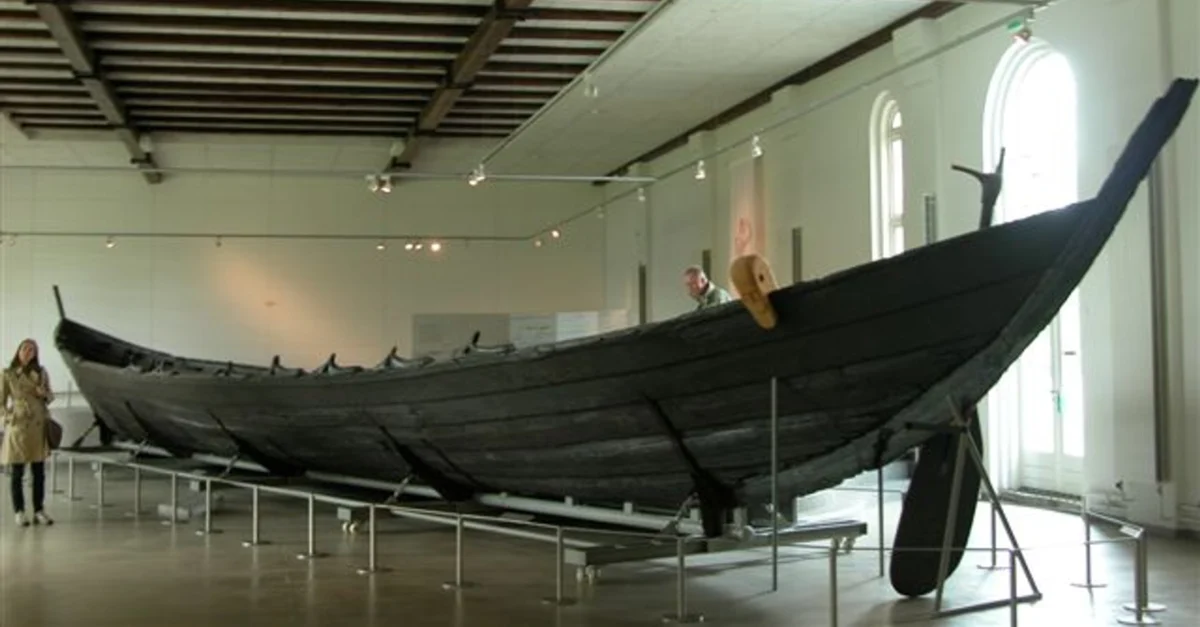
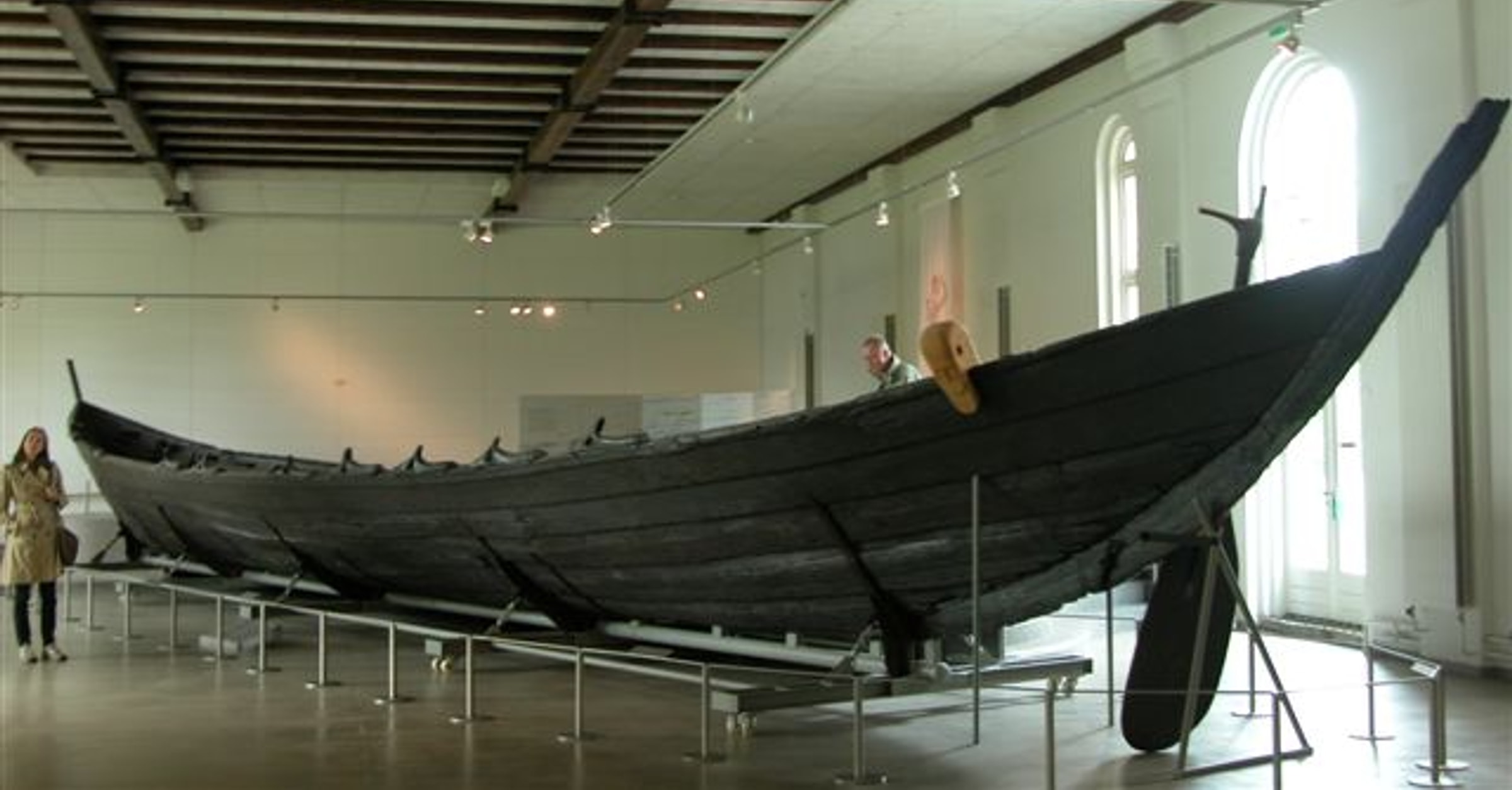
Crucially, many of the spoils from these early raids were not simply consumed but ritually deposited in bogs as votive offerings to the gods. One of the most spectacular examples of this practice was discovered at Nydam in Jutland. Here, archaeologists unearthed hundreds of weapons – swords, spears, shields – alongside the remarkably preserved remains of two large ships and a smaller boat. These Nydam ships, dating to the late 3rd to early 4th centuries CE, exhibited many of the key characteristics that would later define the iconic Viking longships, including their clinker-built construction, shallow draft, and impressive length, indicating a sophisticated understanding of naval architecture centuries before the traditional start of the Viking Age.
The Migration Period (c. 400-550 CE): A Crucible of Transformation
Unlike much of continental Europe, which experienced immense upheaval and demographic shifts as various Germanic tribes migrated into the collapsing Roman Empire, Scandinavia largely escaped these disruptions. Instead, it became a place from which people migrated out. This unique position meant that while the rest of Europe was being reshaped by new arrivals, Scandinavia was undergoing a process of internal consolidation and identity formation, often fueled by the departure of its own populations.
Many Germanic peoples, including the Goths, Burgundians, Vandals, and Lombards, held traditions (some historically accurate, others legendary) of having originated in Scandinavia. Their reasons for emigration were often cited as overpopulation and a scarcity of fertile farmland. These outward movements, whether driven by necessity or ambition, served to filter populations, potentially intensifying competition among those who remained for control over land and resources.
The fifth century saw further significant departures. Angles and Jutes from Jutland migrated across the North Sea, playing a foundational role in the Anglo-Saxon settlement of Britain. The Heruls, already known for their raiding, were hired as mercenaries by the Byzantine Empire, their naval prowess allowing them to launch pirate raids as far away as Spain, showcasing the formidable reach and adaptability of Scandinavian seafarers.
Within Scandinavia, the Migration Period was characterized by intense internal conflict. Fortresses proliferated across the landscape, testament to a time of competing tribes vying for dominance. Semi-legendary traditions recorded centuries later by the Danish historian Saxo Grammaticus (c. 1150-1220) vividly depict an era of incessant warfare. As had occurred in Germany two centuries earlier, a process of tribal amalgamation took hold: weaker tribes formed alliances, merged, or were simply conquered and assimilated by more powerful rivals. This dynamic led to the emergence of larger, more coherent political entities. By the sixth century, the Danes had solidified their position as the dominant people of southern Scandinavia, a testament to their military prowess and organizational capabilities.
This period also saw the concentration of wealth and power into the hands of successful leaders. Society became increasingly militarized and predatory, with raiding – both internal and external – serving as a primary means of acquiring resources and maintaining social status. The prevalence of piracy was so profound that some coastal areas of Scandinavia actually became depopulated, as inhabitants either fled the constant threat or joined the raiding parties themselves.
A notable figure from this era, mentioned in both continental European annals and Old English epic poetry, is Hygelac. Identified as a king of the Geats (likely the Götaland region of southern Sweden), Hygelac led an unsuccessful but historically recorded raid on the lower Rhine around 528 CE. His death in battle against the Franks was documented by Gregory of Tours and immortalized in the epic poem Beowulf. Hygelac’s story provides a rare glimpse into the activities of an early Scandinavian ruler, confirming the existence of organized, long-distance raiding expeditions led by powerful chieftains centuries before the traditional start of the Viking Age.
The Merovingian Period (c. 550-750 CE): The Rise of Proto-Kingdoms
By the mid-eighth century, on the cusp of the universally recognized Viking Age, archaeological evidence points to the clear development of several distinct, albeit small, kingdoms across Scandinavia. These proto-kingdoms were characterized by increasingly sophisticated social structures, centralized authority, and the strategic control of resources and trade routes.
In Norway, the Vestfold region emerged as a significant power center. The pagan cult center and impressive burial mounds at Borre stand as powerful testaments to a royal dynasty, whose leaders commanded sufficient wealth and labor to construct such monumental memorials. These sites suggest a close intertwining of religious authority and secular power.
Further east, near Uppsala in modern-day Sweden, the rich warrior burials at Vendel and Valsgärde offer compelling evidence for the emergence of a powerful dynasty among the Svear, the people from whom Sweden ultimately derives its name. These ship burials, replete with elaborate armor, weapons, and exotic grave goods, signify a highly stratified society led by warrior-kings. The Svear kings likely controlled the important cultic and seasonal market center on the island of Helgö ("Holy Island"). Helgö’s archaeological finds reveal extensive trade links, not only with continental Europe but also with the Mediterranean and possibly even further afield. The most exotic artifact discovered at the site – a statuette of the Buddha, crafted in northern India around 600 CE – is a remarkable indicator of the vast and unexpected reach of these early Scandinavian trade networks.
However, it was Jutland, in what is now Denmark, that served as the center of perhaps the most impressive early Scandinavian kingdom. The evidence for this comes not just from rich burials, but from large-scale public works that required immense organization and centralized command. In 726 CE, a canal was dug across the island of Samsø, likely to regulate shipping and control access to important waterways. Just a decade later, around 737 CE, a massive rampart – the Danevirke – was constructed across the neck of the Jutland peninsula. This defensive earthwork, stretching for miles, was clearly intended as a formidable barrier against southern incursions, primarily from the Saxons. Such monumental projects could only have been conceived and executed by a ruler who commanded the labor, resources, and loyalty of a wide geographic area, indicating a highly developed state apparatus.
Around the same time, a well-planned trading place was established at Ribe, also in Jutland. Archaeological excavations at Ribe have uncovered large quantities of Frisian coins, extensive evidence of leatherworking, and vast amounts of cattle dung, suggesting that the settlement was a major hub for the export of hides to the prosperous Frankish kingdom. This organized trade, alongside the public works, points to a deliberate economic strategy orchestrated by a powerful ruler. This ruler was likely Angantyr, the earliest historically identifiable Danish king, whom the Anglo-Saxon missionary St Willibrord (658–739 CE) encountered during the first Christian mission to Scandinavia around 725 CE. Angantyr’s existence, confirmed by an external observer, underscores the growing political sophistication and international engagement of these early Scandinavian kingdoms.
Supporting Data: Unpacking the Evidence
The narrative of Scandinavia’s proto-Viking age is richly supported by a combination of archaeological findings, linguistic analysis, and the sparse but invaluable records from contemporary non-Scandinavian sources.
-
Archaeological Treasures: Sites like Nydam are foundational. The sheer quantity and quality of weapons indicate a society deeply invested in warfare, while the ships themselves reveal a mastery of maritime technology. The ritual deposition of these war spoils suggests a complex religious worldview where offerings played a critical role in appeasing deities or commemorating victories. Similarly, the royal and aristocratic burials at Borre, Vendel, and Valsgärde are treasure troves of information. They showcase not only immense wealth and social stratification but also sophisticated craftsmanship in jewelry, weaponry, and textiles. The inclusion of foreign artifacts, such as the Buddha statuette from Helgö, highlights the extensive trade networks that connected Scandinavia to distant cultures, dispelling any notion of an isolated northern periphery. The scale of the Danevirke and the planned nature of Ribe demonstrate centralized planning and significant control over populations and resources, pointing towards proto-state formations rather than mere tribal confederations.
-
Literary Glimpses: While often semi-legendary, texts like Beowulf and the later chronicles of Saxo Grammaticus offer invaluable insights. Beowulf, though an Old English epic, vividly describes Geatish society and the raid of Hygelac, providing a contemporary (or near-contemporary) account of Scandinavian martial culture and leadership. Saxo Grammaticus, writing centuries later, compiled traditional sagas and histories, offering a glimpse into the internal conflicts and dynastic struggles that shaped the early kingdoms, even if his accounts are filtered through a medieval lens. Gregory of Tours’ History of the Franks provides an independent, contemporary corroboration of Hygelac’s raid, lending credibility to the early engagement of Scandinavians in foreign expeditions.
-
Linguistic and Genetic Clues: While not explicitly detailed in the original text, modern research in linguistics and genetics continues to shed light on population movements. The linguistic ties between Old Norse and other Germanic languages, as well as genetic studies, support the traditional accounts of out-migration, particularly for groups like the Goths, even while refining our understanding of their specific routes and timelines. This broader context reinforces Scandinavia’s role as a demographic wellspring for much of Europe during the Migration Period.
Scholarly Interpretations: Beyond the Myth of Sudden Emergence
For many years, the Viking Age was often portrayed as a sudden, almost inexplicable eruption of violent seafaring warriors from an obscure northern periphery. This view fostered the image of a "Dark Age" Scandinavia that suddenly awoke to launch its devastating raids. However, contemporary scholarship, heavily influenced by archaeological breakthroughs and a more critical engagement with historical texts, has largely moved beyond this simplistic narrative.
Modern historians and archaeologists emphasize continuity over abrupt change. They interpret the Merovingian period as a crucial "pre-Viking" or "proto-Viking" era, where the essential elements that would define the Viking Age – advanced shipbuilding, a culture of raiding, centralized power structures, long-distance trade, and a warrior ethos – were not only present but actively developing. The Nydam ships are a prime example: they are not "Viking ships" but their clear precursors, demonstrating that the technological innovation for long-distance sea travel and warfare was already well-established.
The re-evaluation of sources like Beowulf and the careful dating of archaeological sites allow scholars to trace a clear evolutionary path. Rather than a sudden onslaught, the Viking Age is now understood as the logical, albeit dramatic, expansion of existing trends and capabilities. The increasing population pressures, the consolidation of powerful chieftains, the refinement of naval technology, and the lure of wealth from richer, more settled lands all converged to create the conditions for the large-scale, organized expeditions that began in the late 8th century. The raids on Lindisfarne in 793 CE were not the first acts of Scandinavian piracy, but rather a more visible, larger-scale iteration of a practice that had been ongoing for centuries, now directed at more lucrative targets in a politically fragmented Europe.
Implications: Laying the Foundation for an Epochal Age
The implications of understanding this proto-Viking period are profound. It transforms our perception of the Viking Age from an isolated historical anomaly into an integral chapter within a longer narrative of Scandinavian development and interaction with Europe.
Firstly, it highlights the evolutionary nature of Viking power. The longships, the raiding tactics, and the organizational structures that terrorized Europe did not spring forth fully formed. They were the culmination of centuries of gradual innovation, adaptation, and internal competition. The Nydam ships, the Danevirke, and the organized trade at Ribe are not just interesting historical footnotes; they are tangible evidence of a society actively building the foundations of its future dominance.
Secondly, it underscores the sophistication of early Scandinavian societies. Far from being primitive barbarians, the people of the Merovingian period were capable of complex political organization, monumental engineering, and extensive international trade. The Buddha statuette from Helgö is a powerful symbol of their global connections and open-mindedness to foreign goods and ideas, even if the religious implications are debated.
Thirdly, this period reveals the deep roots of the warrior ethos and raiding culture. Piracy and warfare were not just opportunistic ventures; they were embedded within the social fabric, serving as mechanisms for wealth acquisition, social mobility, and political consolidation. This established culture meant that when external conditions became ripe – such as the perceived weakness of rich monasteries and towns in Anglo-Saxon England or the Frankish Empire – the Scandinavians were already equipped, both culturally and technologically, to exploit these opportunities on an unprecedented scale.
Finally, understanding this era provides crucial context for the formation of the later Scandinavian kingdoms. The conflicts and consolidations of the Migration and Merovingian periods directly led to the emergence of powerful regional dynasties, such as those of the Danes, Svear, and in Vestfold, Norway. These proto-kingdoms would eventually evolve into the unified nations of Denmark, Sweden, and Norway, whose rulers would play central roles in the later Viking expansion and the subsequent Christianization of the North.
In essence, the "proto-Viking Age" was a dynamic and formative period. It was an age of transition where tribes became nations, chieftains became kings, and local raiders became the formidable seafarers who would, in the centuries to come, reshape the map of Europe and leave an indelible mark on global history. The roar of the Viking longship, when it finally echoed across the seas of the late 8th century, was not a sudden burst, but a crescendo built over five hundred years of tireless innovation, relentless competition, and an enduring spirit of maritime adventure.




Leave a Comment