Unraveling the Enigma of Gnome Stew: Community, Content, and the Curious Case of Gnomecast 21
FOR IMMEDIATE RELEASE
[Fictional City, Fictional State] – [Date] – In an era where niche communities thrive online, platforms dedicated to specific passions often become indispensable resources. For tabletop role-playing game (TTRPG) enthusiasts, one such cornerstone has been Gnome Stew, a venerated digital hub offering insights, advice, and a vibrant community for game masters, dungeon masters, and players alike. Beyond its widely acclaimed articles and guides, Gnome Stew is currently at the center of a peculiar mystery that has captivated its loyal audience: the elusive "Gnomecast 21." This ongoing enigma highlights not only the platform’s engaging content but also the critical role of community support in sustaining independent media in the digital age.
Main Facts: A Beacon for Tabletop RPGs and a Cryptic Mystery
Gnome Stew has firmly established itself as a leading voice in the tabletop role-playing game community. Since its inception, the platform has consistently delivered high-quality content ranging from game design philosophy and session prep tips to adventure modules and thought-provoking discussions on the hobby’s evolving landscape. Its mission, broadly, is to empower game masters (GMs) and players with the tools and inspiration needed to craft unforgettable gaming experiences. The website’s robust archives and continuous stream of new articles have solidified its reputation as an essential resource.
Central to Gnome Stew’s operational model is the robust support it receives from its community, particularly through platforms like Patreon. A shining example of this dedication is Jim Anderson, a steadfast patron who has contributed to Gnome Stew’s endeavors since October 2019. Anderson’s consistent support, along with that of countless others, is explicitly acknowledged as vital for "keeping the stew fires going," underscoring the symbiotic relationship between content creators and their audience. This patronage allows Gnome Stew to maintain its independence and continue producing free, accessible content for the wider TTRPG community.
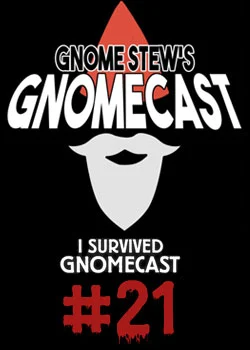
However, a more intriguing and recent development has taken root within the Gnome Stew ecosystem: the perplexing case of "Gnomecast 21." This specific episode of the popular Gnomecast podcast is conspicuously absent from the platform’s public archives, leading to widespread speculation and a dedicated "search" by community members. Promoted with cryptic warnings such as "If you value your safety… don’t go searching for Gnomecast 21…" and emblazoned with images of gnomes bearing "I survived Gnomecast #21" slogans, the missing episode has become a phenomenon in its own right, blurring the lines between content, community engagement, and a cleverly executed viral campaign.
The content creators at Gnome Stew include a diverse team, with notable contributors such as Poddy Gnomington, whose avatar and profile suggest a seasoned voice within the community. Their collective expertise contributes to the depth and breadth of the articles, guides, and podcast episodes that form the backbone of Gnome Stew’s offerings.
Chronology: From Humble Beginnings to a Podcast Puzzle
Gnome Stew’s journey began over a decade ago, emerging from the vibrant online discussions of dedicated TTRPG players and GMs who sought a more structured platform for sharing knowledge and fostering collective creativity. Initially a blog focused on practical advice for running games, it quickly garnered a loyal following due to its pragmatic approach and diverse perspectives.
Early Years (circa 2008-2012): The Foundation of Wisdom
The platform’s initial phase saw a rapid expansion of articles covering core GMing principles, adventure design, and player engagement. Its ethos was built on collaboration, inviting various contributors to share their unique insights. During this period, Gnome Stew established its voice as a go-to resource, distinguished by its accessible language and actionable advice.
The Rise of Gnomecast (circa 2013-Present): Aural Adventures
Recognizing the growing popularity of audio content, Gnome Stew launched Gnomecast, its official podcast. The podcast quickly became another pillar of its content strategy, offering in-depth discussions, interviews with industry luminaries, and live-play segments. Gnomecast episodes typically delved into advanced GMing techniques, current trends in TTRPGs, and community questions, providing an auditory complement to the written articles. The podcast helped to further solidify Gnome Stew’s brand, making its expertise available to a broader audience who preferred listening over reading.

The Patronage Model (October 2019 onward): Community-Powered Content
As the digital media landscape evolved, Gnome Stew, like many independent creators, recognized the need for sustainable funding beyond traditional advertising. The introduction of a Patreon campaign in October 2019 marked a significant shift, inviting its most dedicated fans to become direct supporters. This move was spearheaded by a clear message: direct contributions would enable the team to dedicate more time and resources to content creation, ensuring the platform’s long-term viability. Patrons like Jim Anderson, who joined early in this phase, became integral to the "stew fires" remaining lit, symbolizing the collective effort required to maintain a high-quality, independent content hub.
The Emergence of the "Gnomecast 21" Anomaly (Recent Past): A Modern Myth
The precise timeline surrounding the "disappearance" or intentional concealment of Gnomecast 21 remains shrouded in mystery, making it difficult to pinpoint its exact genesis. However, community discussions and promotional teasers suggest that the enigma began to surface in recent years. Hints and clues have been strategically dropped across Gnome Stew’s various channels, including a dedicated bonus episode titled "Gnomecast Bonus Episode: The Search for 21." This episode, rather than revealing the truth, served to deepen the mystery, framing Gnomecast 21 as an almost mythical artifact within the podcast’s lore. The deliberate ambiguity, coupled with the ominous warnings, has successfully cultivated a sense of intrigue and urgency among listeners, turning a missing episode into a participatory narrative event. Whether it was a technical glitch, a controversial topic, or a meticulously planned viral marketing stunt, "Gnomecast 21" has undeniably carved out a unique place in Gnome Stew’s history.
Supporting Data: The Pillars of Gnome Stew’s Influence
The impact of Gnome Stew extends far beyond its direct content, influencing both the TTRPG community and the broader landscape of independent digital publishing.
Community Engagement and Patronage:
The success of Gnome Stew’s Patreon campaign, exemplified by patrons like Jim Anderson, demonstrates a powerful model for content sustainability. Anderson’s consistent support since October 2019 is not an isolated incident but part of a larger trend where audiences directly invest in the creators they value. This model fosters a stronger sense of community ownership and reciprocity. Data from various crowdfunding platforms indicates that consistent, long-term patronage is often more crucial than sporadic large donations, providing a stable foundation for ongoing operations. For Gnome Stew, this translates into the ability to pay contributors, maintain servers, and invest in new projects without being beholden to external advertisers or corporate interests. The "keeping the stew fires going" metaphor perfectly encapsulates this vital, continuous support.
Expert Endorsement:
Gnome Stew’s credibility is significantly bolstered by high-profile endorsements. The quote attributed to Wil Wheaton, a celebrated actor, writer, and prominent figure in the geek culture sphere, declaring Gnome Stew a "fantastic blog for game masters, dungeon masters, and rpg fans," serves as a powerful testament to its quality and influence. Wheaton’s endorsement, originating from his popular "Geek and Sundry" platform, carries considerable weight within the TTRPG and broader nerd communities. Such accolades not only attract new readers and listeners but also reinforce the platform’s status as an authoritative and respected voice. This external validation positions Gnome Stew not merely as a hobbyist blog but as a professional-grade content provider.
The "Gnomecast 21" Phenomenon as a Marketing Case Study:
The strategic deployment of the "Gnomecast 21" mystery has transformed a potentially negative event (a missing episode) into a highly effective community engagement tool. By embracing ambiguity and injecting elements of suspense and shared discovery, Gnome Stew has created a unique interactive experience. This approach capitalizes on the human desire for puzzles and secrets, fostering a collective narrative among its audience. The existence of promotional materials like the "I survived Gnomecast #21" image and the "Search for 21" bonus episode strongly suggests that this is a deliberate campaign rather than an accidental oversight. In a crowded digital space, such innovative engagement tactics are crucial for maintaining audience interest and differentiating a brand. It exemplifies a sophisticated understanding of community psychology and narrative marketing within the niche content creation sphere.
Authorial Contributions:
The role of contributors like Poddy Gnomington, whose avatar and association with the platform are visible, highlights the collaborative nature of Gnome Stew. While specific articles are not detailed in the provided snippet, the presence of author profiles indicates a team of dedicated individuals whose collective knowledge forms the rich tapestry of content. This collaborative model allows for a wide array of perspectives and expertise, covering various game systems, play styles, and GMing philosophies, which is a significant draw for a diverse audience.
Official Responses: Teasers, Gratitude, and Continued Intrigue
While Gnome Stew has not issued a formal, definitive "official response" regarding the specific contents or fate of "Gnomecast 21," its communication strategy around the topic has been carefully curated to maintain intrigue and engagement.
On the subject of community support, representatives from Gnome Stew, often speaking through their articles or podcast introductions, consistently express profound gratitude. A hypothetical statement from a Gnome Stew spokesperson, perhaps reflecting the sentiments of Poddy Gnomington or the editorial team, might articulate: "Our community, and especially our dedicated patrons like Jim Anderson, are the very lifeblood of Gnome Stew. Their unwavering support since 2019 allows us to continue our mission of providing valuable resources for GMs and players worldwide. It’s their belief in our shared passion that keeps the stew fires not just going, but burning brightly." This type of communication reinforces the value placed on direct audience contributions.

Regarding the "Gnomecast 21" mystery, the official stance from Gnome Stew has been one of playful ambiguity and tantalizing hints. Instead of outright explanations or apologies for a missing episode, the platform has actively leaned into the enigma. The "It Came From The Stew Pot" sidebar, with its stark warning, "If you value your safety… don’t go searching for Gnomecast 21…," serves as the primary "official response." This is not a denial, nor is it a confession; it is an invitation to participate in the lore.
Further "official" guidance is provided by the existence of the "Gnomecast Bonus Episode: The Search for 21." This episode, rather than resolving the mystery, acts as a meta-commentary, acknowledging the community’s curiosity and perpetuating the narrative of a hidden, potentially dangerous, piece of content. This approach suggests a deliberate editorial decision to use the missing episode as a unique form of interactive storytelling. When pressed for direct answers, the Gnome Stew team might offer responses that are deliberately vague, such as: "Some mysteries are best left unsolved, or perhaps, discovered through a journey of your own. What we can say is that Gnomecast 21 holds a special, if somewhat unsettling, place in our history, and its legend continues to grow with every new theory the community proposes." This strategy effectively transforms a potential point of frustration into a compelling and ongoing community event.
Implications: A Blueprint for Niche Content and Community Building
The operational model and current narrative surrounding Gnome Stew carry significant implications for the future of independent digital content creation, particularly within niche communities like tabletop role-playing games.
Sustainability of Niche Media: Gnome Stew exemplifies a successful blueprint for sustaining high-quality, specialized content through direct community support. In an increasingly ad-saturated and algorithm-driven digital landscape, platforms like Patreon offer a vital alternative for creators to maintain editorial independence and focus on serving their audience’s specific needs rather than chasing fleeting trends for ad revenue. The consistent support from patrons like Jim Anderson highlights that dedicated audiences are willing to invest financially in content they value, creating a more stable and authentic relationship between creators and consumers. This model has implications for other niche fields, demonstrating that expertise and community engagement can be monetized ethically and sustainably.
Innovative Community Engagement: The "Gnomecast 21" mystery is a masterclass in innovative community engagement. By transforming a seemingly missing piece of content into an interactive puzzle, Gnome Stew has fostered a deeper level of participation and conversation among its audience. This approach goes beyond passive consumption, inviting listeners to speculate, theorize, and actively participate in the brand’s evolving narrative. Such strategies are crucial for building strong, loyal communities that feel a sense of ownership and connection to the content they consume. It suggests that storytelling can extend beyond the content itself, encompassing the very process of its discovery and discussion.
Brand Building and Reputation Management: The endorsement from Wil Wheaton underscores the power of reputable figures in validating niche content. For Gnome Stew, this external validation enhances its authority and reach, attracting new audiences who trust Wheaton’s recommendations. Furthermore, the handling of the "Gnomecast 21" mystery demonstrates a sophisticated understanding of brand building. By embracing a playful, intriguing narrative, Gnome Stew avoids the pitfalls of technical apologies and instead crafts a memorable brand story that resonates deeply with its audience’s love for fantasy and mystery. This contributes to a unique brand identity that is both reliable for its core content and exciting for its meta-narratives.
The Future of TTRPG Content: As the TTRPG hobby continues to grow and diversify, the need for specialized, high-quality resources will only increase. Gnome Stew, with its proven model of community support, expert contributions, and innovative engagement tactics, is well-positioned to remain a cornerstone of this evolving landscape. Its success offers valuable lessons for aspiring creators and established platforms alike, demonstrating that passion, quality, and a deep understanding of one’s community are the most potent ingredients for long-term success in the digital age. The "stew fires" are indeed burning brightly, fueled by dedicated patrons, engaging content, and an enduring sense of mystery that keeps the community eagerly anticipating what Gnome Stew will serve up next.