
Shadows in the Warehouse: Bowl of Tentacles Announces ‘Order 13 VR’ for Major Platforms
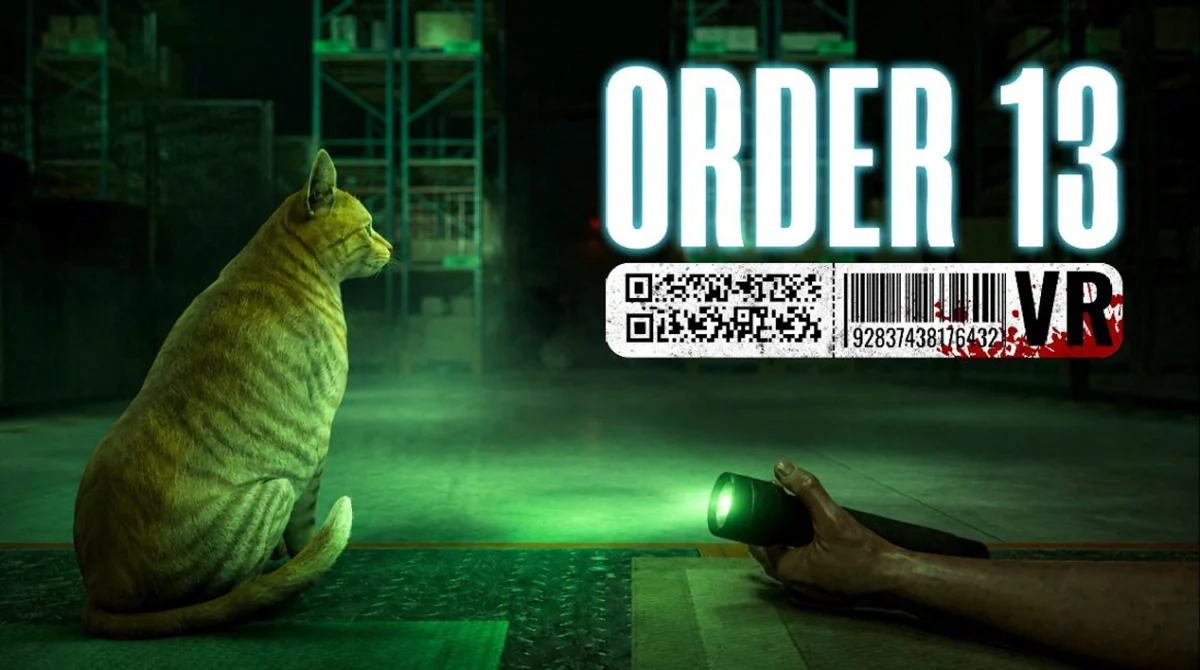
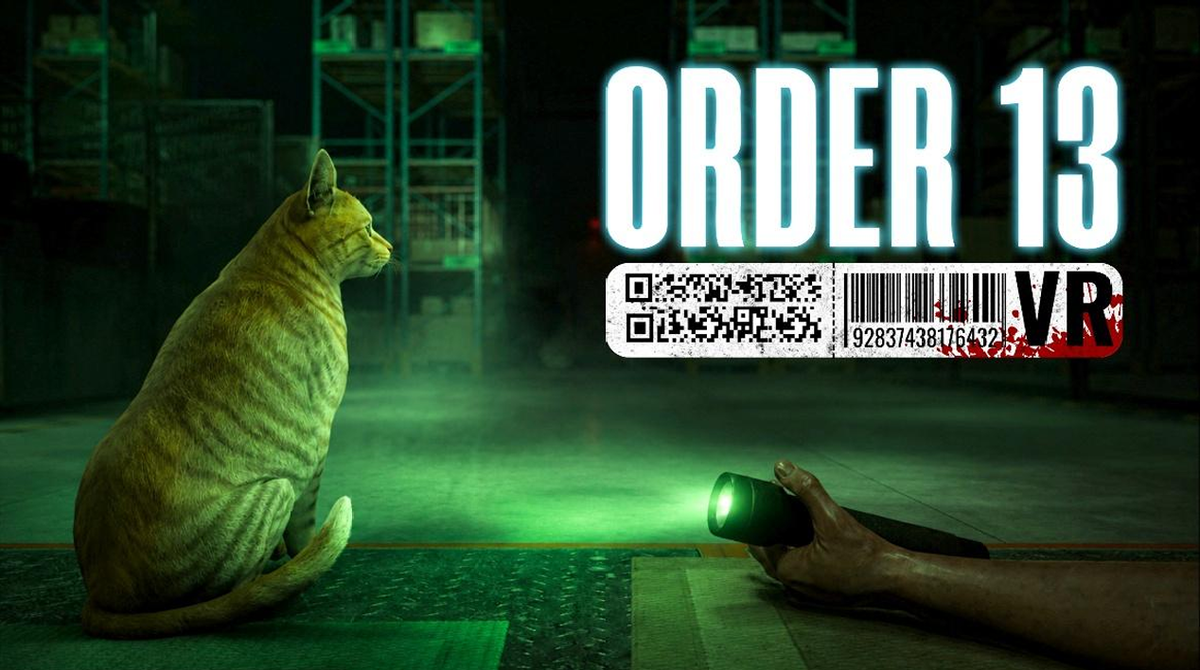
The landscape of virtual reality horror is set to expand once again as Bowl of Tentacles, the developer behind the atmospheric Evil Inside VR, officially unveils their latest project: Order 13 VR. Moving away from the domestic corridors of psychological terror, this new title transports players into the claustrophobic, high-stakes environment of a mysterious warehouse. By adapting the critically acclaimed flatscreen original into a fully realized VR experience, the developers aim to bridge the gap between mundane labor simulation and bone-chilling supernatural dread.
Main Facts: A New Vision of Industrial Horror
Order 13 VR is a reimagined, immersive adaptation of the original Order 13, a title that has already carved out a significant niche on Steam. The game is slated for release on the industry’s leading platforms, including Meta Quest, PC VR, and PlayStation VR2 (PSVR2). While a definitive release date remains under wraps, the developer has confirmed a 2024 launch window, positioning the game as a key late-year entry for horror enthusiasts.
The core premise revolves around a protagonist tasked with managing shipments in a dimly lit warehouse. On the surface, the gameplay involves routine logistics: scanning barcodes, packaging items, and moving crates. However, the "horror" element stems from a malevolent, unseen presence that stalks the player throughout their shift. The VR version specifically emphasizes tactile interaction, utilizing motion controllers to simulate the physical weight and mechanical precision required for warehouse operations, thereby heightening the sense of vulnerability.
Bowl of Tentacles has established a reputation for high-fidelity immersion. Their previous title, Evil Inside VR, garnered significant attention for its homage to Hideo Kojima’s P.T., and early indications suggest that Order 13 VR will carry forward that same dedication to environmental storytelling and atmospheric tension.
Chronology: From Flatscreen Success to Virtual Reality Ambition
The journey of Order 13 began on traditional gaming platforms. Released on Steam, the original "flatscreen" version of the game quickly resonated with the indie horror community. It currently maintains a "Very Positive" rating, bolstered by over 1,000 user reviews. Players praised the game for its ability to turn the monotony of a night shift into a nerve-wracking survival experience.
Following the success of the original, Bowl of Tentacles shifted focus toward the burgeoning VR market. The chronology of this transition is closely tied to the lifecycle of their previous hit, Evil Inside VR. That game was released to critical acclaim just weeks prior to the Order 13 VR announcement, proving the developer’s ability to handle the technical hurdles of VR optimization across multiple headsets.
In May 2024, the developer released a brief but evocative announcement trailer. The footage showcased the transition from the third-person or standard first-person perspective of the original to the hand-tracked, 360-degree environment of the VR adaptation. This announcement served as a strategic follow-up to the launch of Evil Inside VR, capitalizing on the momentum the studio had built within the virtual reality community.
Supporting Data: Mechanics and Technical Specifications
To understand the scope of Order 13 VR, one must look at the data surrounding its predecessor and the technical promises made for the VR port.
1. The Success of the Original
The original Order 13 succeeded by tapping into the "Job Simulator" subgenre, which has seen a massive surge in popularity (led by titles like Five Nights at Freddy’s and Papers, Please). By combining mundane tasks with a high-stakes "fail state" involving supernatural entities, the game created a unique loop of productivity and panic. The "Very Positive" rating on Steam indicates a conversion rate and player retention level that justifies the investment into a high-end VR port.
2. Tactile Immersion and VR Mechanics
The VR adaptation is not a simple visual port. Bowl of Tentacles has integrated several VR-specific mechanics designed to leverage the unique capabilities of modern hardware:
- Manual Interactions: Unlike the click-to-interact system of the PC version, players must physically reach out to grab packages, operate scanners, and pull levers.
- Spatial Audio: Utilizing the advanced audio processing of the PSVR2 and PC VR, the game will feature 3D audio cues. Players will have to rely on their hearing to detect the "mysterious presence" moving behind shelves or through ventilation shafts.
- Haptic Feedback: On the PlayStation VR2, the game is expected to utilize Sense controller haptics to simulate the vibration of industrial machinery and the thumping of a terrified heartbeat.
3. Platform Distribution
The decision to launch simultaneously on Quest, PC VR, and PSVR2 is a significant undertaking for an indie studio.
- Meta Quest: Will likely focus on the freedom of wireless movement, allowing players to physically turn around in their play space to check the shadows.
- PC VR: Will offer the highest fidelity textures and lighting, essential for a game that relies so heavily on shadows and silhouettes.
- PSVR2: Will benefit from OLED displays, providing the deep blacks necessary for an eerie warehouse setting.
Official Responses and Developer Philosophy
While a formal press conference has not been held, Bowl of Tentacles has communicated their vision through official social media channels and the descriptive metadata accompanying their trailers. The developer’s philosophy centers on the concept of "Hand-Presence."
In their official communications, the studio noted: "The core focus of the VR adaptation is allowing you to perform every action with your own hands, making you feel fully immersed in the setting. Picking up packages, scanning, sending orders, and carrying boxes through the warehouse will feel unlike anything before."
This statement highlights a shift in the horror genre toward "Interactive Vulnerability." By forcing the player to focus on a task—such as reading a shipping label—the developer creates a psychological blind spot. This design philosophy was evident in Evil Inside VR, where the environment shifted based on the player’s gaze. In Order 13 VR, the "job" provides the distraction, while the VR medium provides the total sensory enclosure.
Commentators within the VR industry have noted that Bowl of Tentacles is positioning itself as a specialist in "Atmospheric claustrophobia." Their move to adapt a proven IP like Order 13 suggests a move toward sustainable growth, using established gameplay loops and enhancing them with the "wow factor" of virtual reality.
Implications: The Rise of "Work-Horror" in Virtual Reality
The announcement of Order 13 VR carries broader implications for the VR industry and the horror genre as a whole.
1. The Evolution of the Simulator
For years, VR "Simulators" were seen as tech demos or lighthearted experiences (e.g., Job Simulator). Order 13 VR represents the maturation of this trend. It suggests that the "work" aspect of a game can be used as a mechanical foundation for high-tension horror. As VR hardware becomes more comfortable for longer play sessions, these "shift-based" horror games provide a structured experience that translates well to the medium.
2. The ‘P.T.’ Influence
The frequent comparisons between Bowl of Tentacles’ work and P.T. indicate a hunger in the market for "Loop Horror" and "Environmental Horror." By moving this style into a warehouse setting, the developers are testing whether the psychological terror of a haunted house can be successfully transposed into an industrial, urban environment. If successful, it could pave the way for more "Industrial Horror" titles in the VR space.
3. Cross-Platform Parity
By targeting Quest, PC, and PSVR2, Bowl of Tentacles is contributing to the "normalization" of high-quality cross-platform VR releases. In the past, many VR titles were exclusive to one ecosystem. The trend of multi-platform launches ensures a larger player base and encourages developers to optimize their engines for a wide range of hardware, from mobile chipsets (Quest) to high-end GPUs (PC).
4. Psychological Impact of VR Labor
There is a unique psychological weight to "working" in VR. When a player physically moves boxes for 20 minutes, they develop a sense of ownership over the space. When that space is then invaded by a monster, the violation feels more personal than it would on a flat screen. Order 13 VR is poised to be a case study in how physical labor in a digital space can amplify the "fight or flight" response.
Conclusion
Order 13 VR is more than just a port; it is an ambitious attempt to redefine how we experience fear in the workplace. By combining the proven success of its flatscreen predecessor with the immersive power of modern VR hardware, Bowl of Tentacles is set to deliver one of the most anticipated horror titles of the year. As we move toward the late 2024 release window, the VR community remains eagle-eyed, waiting to see if they have what it takes to finish their shift—or if the presence in the shadows will get to them first.


Leave a Comment