The Fragile Architecture of Perfection: Adrian Wong’s "Carton" Series Delves into Systems of Optimization and Personal Identity
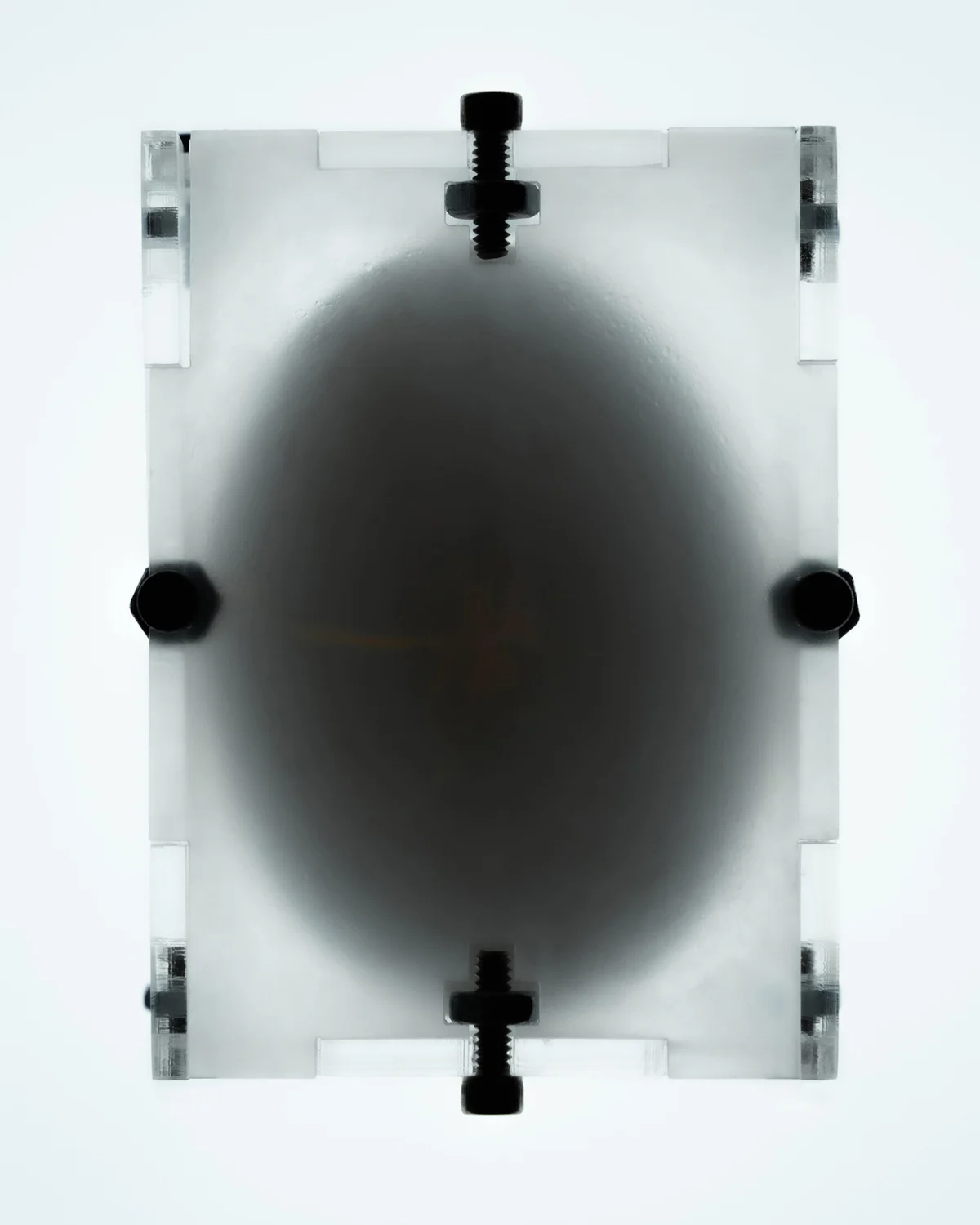
Vancouver-born artist Adrian Wong, a recent graduate of Tufts University’s prestigious Combined Degree BA + BFA program, is captivating audiences with his thought-provoking image-based practice. His latest series, "Carton," offers a profound exploration of visible and invisible infrastructures, dissecting the intricate networks that govern our perception of order, standardization, and ultimately, ourselves. Through the unassuming egg carton, Wong unpacks complex societal mechanisms, revealing a deeply personal connection to themes of optimization, precision, and the inherent fragility of existence.
Wong’s artistic journey is rooted in a rich cultural tapestry. Born to Cantonese parents and raised in Hong Kong, his experiences have shaped a unique perspective on the systems that dictate visibility and the mechanisms that operate beyond our immediate awareness. This nuanced understanding of "seeing and not seeing" forms the bedrock of his artistic endeavors, prompting viewers to question the underlying structures that shape their realities.
The Egg as a Microcosm of Modernity: Unpacking "Carton"
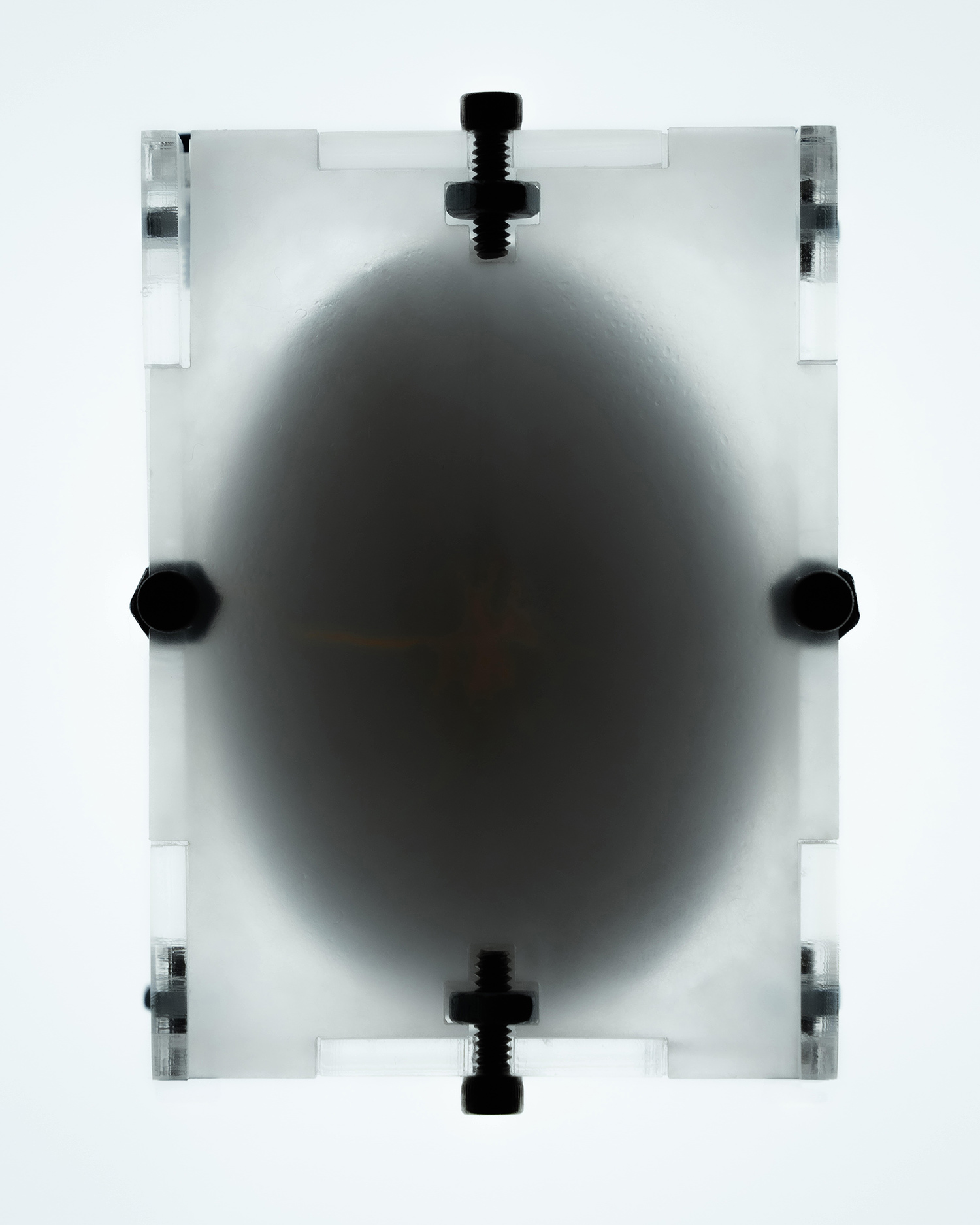
At the heart of the "Carton" series lies the humble egg carton. Wong employs this ubiquitous packaging as a powerful metaphor for contemporary notions of perfection and the relentless pursuit of optimization. "I am thinking a lot about optimization and infrastructure," Wong explains, "and the egg is in many ways a perfect metaphor for contemporary notions of perfection."
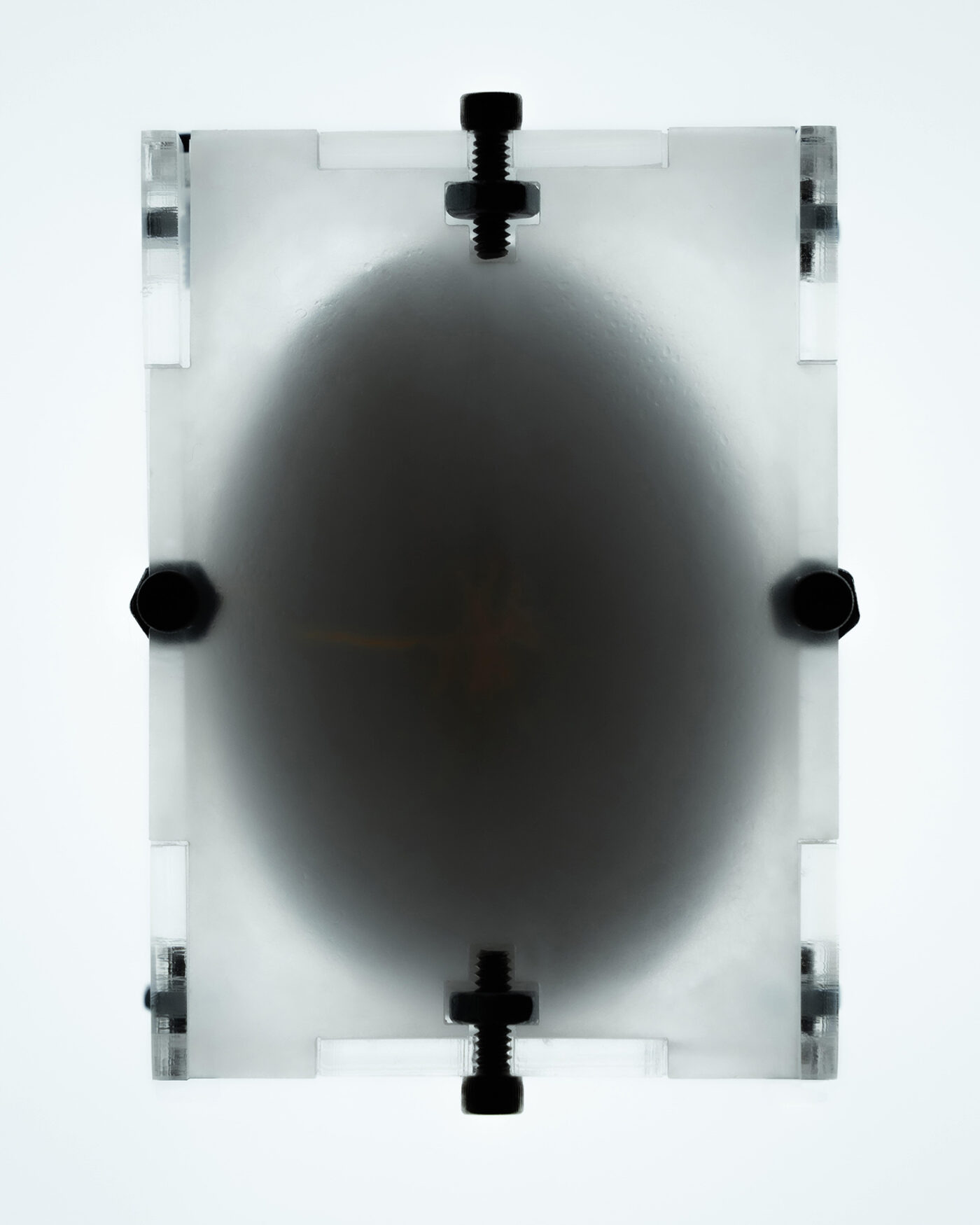
The artist meticulously dissects the lifecycle and packaging of eggs, revealing a sophisticated, often unseen, infrastructure dedicated to achieving a specific ideal. This begins with the cultivation of chickens in highly controlled, sterile environments. The eggs themselves undergo a rigorous sorting process, where only those deemed perfectly oval are selected for packaging. This pursuit of an idealized form underscores a broader societal trend towards standardization and the elimination of perceived imperfections.
"Consider the ways in which chickens are cultivated in sterile environments," Wong elaborates. "Eggs are sorted so that only perfectly oval ones make it into the carton." This process highlights a desire for uniformity, where deviations from the norm are systematically excluded. The visual impact of perfectly aligned, uniformly shaped eggs within their precisely engineered cartons speaks volumes about our collective obsession with order and predictability.
However, Wong’s analysis extends beyond the egg itself to the very infrastructure designed to protect it. The egg carton, a seemingly simple object, represents a marvel of engineering, designed to withstand the stresses of transportation and prevent the inherent fragility of its contents from being compromised. "Inversely," Wong notes, "the infrastructure of the carton itself has to be quite physically precise so that eggs do not break under the stress of transportation. So in this sense, I am thinking about the ways of ‘housing’ fragility."

This duality is crucial to the "Carton" series. The carton simultaneously embodies the pursuit of perfection by selecting ideal eggs and the necessity of protecting inherent vulnerability. It is a testament to human ingenuity in creating systems that not only enforce standards but also mitigate the risks associated with delicate objects. The precise molding, the interlocking closures, and the shock-absorbing qualities of the cardboard all contribute to a complex network designed to preserve the integrity of the egg.
A Personal Revelation: IVF and the Sublime of Precision
As the "Carton" project evolved, Wong discovered a deeply personal resonance with its underlying themes. This revelation shifted the series from an external observation of societal systems to an intimate exploration of his own origins. "I had completely overlooked the fact that perhaps these themes arose out of my own origins as a child of in vitro fertilization," he confesses.
This profound connection illuminates the series with a new layer of meaning. In vitro fertilization (IVF), like the egg carton, is a process steeped in optimization, precision, and risk. It involves the meticulous selection of gametes, the precise manipulation of embryos in controlled laboratory environments, and a significant emotional and physical investment in achieving a desired outcome – the creation of new life.

"Similarly a process of optimization, precision, and risk," Wong observes, "therein lies something strangely sublime about the end product." The very existence of individuals conceived through IVF can be seen as a testament to the successful navigation of complex technological and biological systems, a triumph of human intervention in the face of biological limitations. The "end product" – a healthy child – becomes a symbol of both the rigorous scientific process and the profound emotional journey involved.
This personal connection adds a poignant dimension to Wong’s exploration of infrastructure. The sterile laboratories, the meticulously calibrated incubators, and the skilled hands of embryologists all form an intricate, invisible infrastructure that facilitates the creation of life. This infrastructure, much like the egg carton, is designed to manage fragility – the fragility of life at its earliest stages – and to achieve a highly optimized outcome.
Visualizing the Unseen: The Artistic Process and Materials
Wong’s artistic practice is image-based, meaning he utilizes photography and other visual media to convey his ideas. While the provided text does not detail the specific mediums employed within the "Carton" series, his broader practice suggests a meticulous approach to composition, lighting, and subject matter. The accompanying images, showcasing artfully arranged egg cartons and individual eggs, demonstrate a keen eye for form, texture, and the subtle interplay of light and shadow.
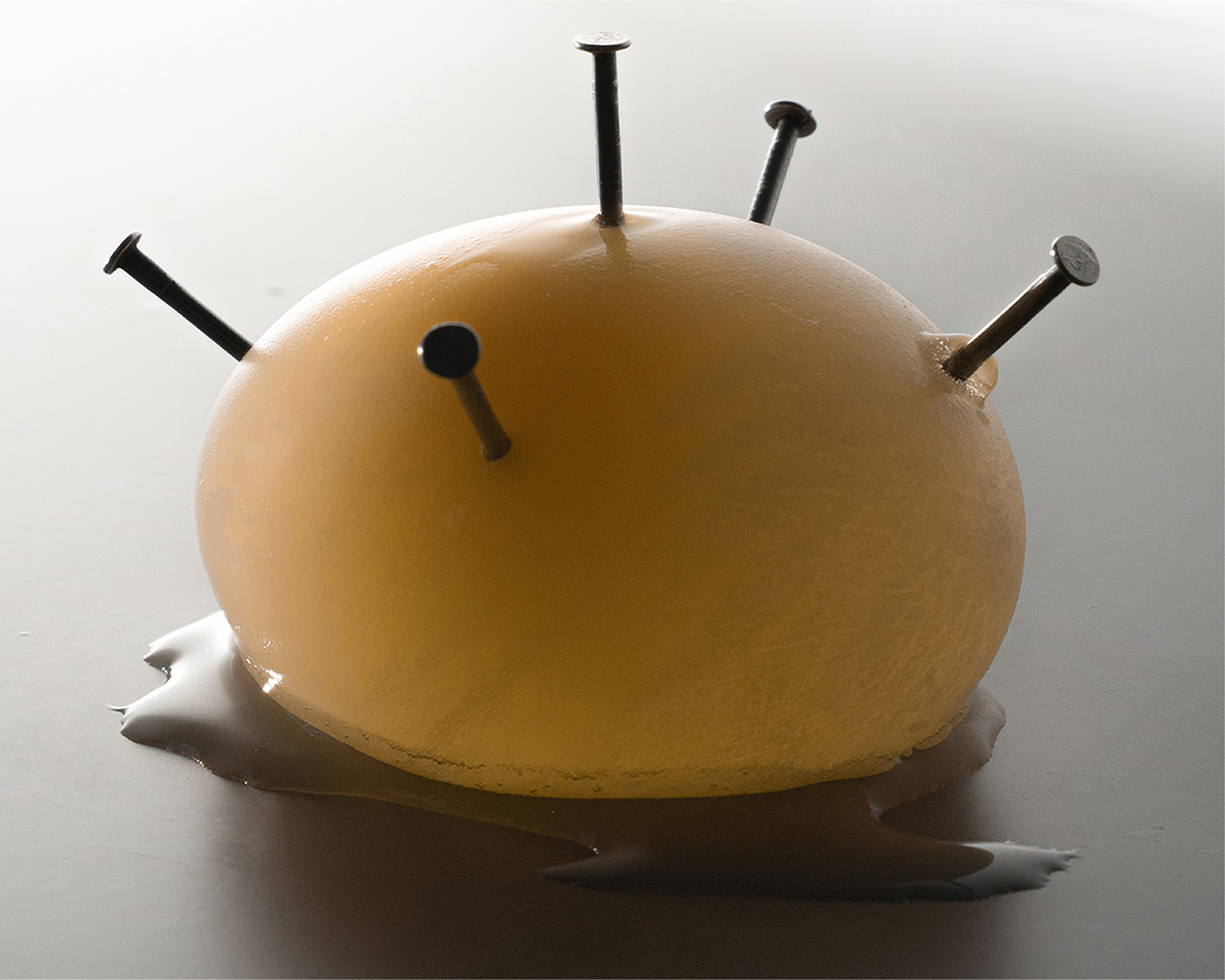
The visual language of "Carton" likely aims to transform the mundane into the extraordinary, inviting viewers to scrutinize objects they typically overlook. The precision of the photographic capture mirrors the precision of the systems Wong explores, drawing attention to the meticulous details that often escape our notice in everyday life.
Supporting Data and Critical Reception (Hypothetical Expansion)
While the provided text focuses on Wong’s conceptual framework, a comprehensive news article would benefit from incorporating supporting data and critical reception. For instance, one might explore the economic impact of the egg industry and its reliance on standardized packaging. Statistics on the global adoption of IVF and its success rates could also provide context for Wong’s personal narrative.
Critical reception, though not available in the provided snippet, would further enrich the article. Quotes from art critics, curators, or gallery statements could offer insights into how "Carton" has been received by the art world, highlighting its perceived strengths and contributions to contemporary discourse. For example, a critic might note Wong’s ability to "translate abstract societal concerns into visually compelling and emotionally resonant artworks." Another might praise his "unflinching examination of the hidden architectures that shape our lives."
Implications and Broader Significance
Adrian Wong’s "Carton" series transcends a simple artistic commentary on packaging. It delves into fundamental questions about our relationship with technology, perfection, and the inherent vulnerabilities of life. The series prompts us to consider:
- The Pervasiveness of Optimization: Our society is increasingly driven by the pursuit of efficiency and optimization in all aspects of life, from food production to personal relationships. Wong’s work encourages a critical examination of this trend and its potential consequences.
- The Redefinition of Perfection: What constitutes "perfection"? Is it the elimination of flaws, or the graceful management of inherent imperfections? "Carton" suggests that true beauty and resilience can be found in the very structures designed to protect fragility.
- The Personal and the Universal: By weaving his personal narrative into the exploration of broader systems, Wong demonstrates how individual experiences can offer profound insights into universal truths. His journey through the egg carton reveals the interconnectedness of our biological origins and the societal structures we inhabit.
- The Ethics of Control: The sterile environments and rigorous sorting processes highlighted in the series raise questions about the ethics of controlling and standardizing natural processes. Where do we draw the line between beneficial intervention and unnecessary manipulation?
Ultimately, Adrian Wong’s "Carton" series is a testament to the power of art to illuminate the unseen and to provoke critical reflection. Through the deceptively simple form of an egg carton, he invites us to consider the intricate, often invisible, infrastructures that shape our world and our identities, reminding us that even in the pursuit of perfection, fragility and sublimity are inextricably linked. His work serves as a vital reminder to look beyond the surface, to question the systems we take for granted, and to appreciate the complex beauty that arises from both precision and vulnerability.