Vienna: The Unsung Crucible of Modern Thought
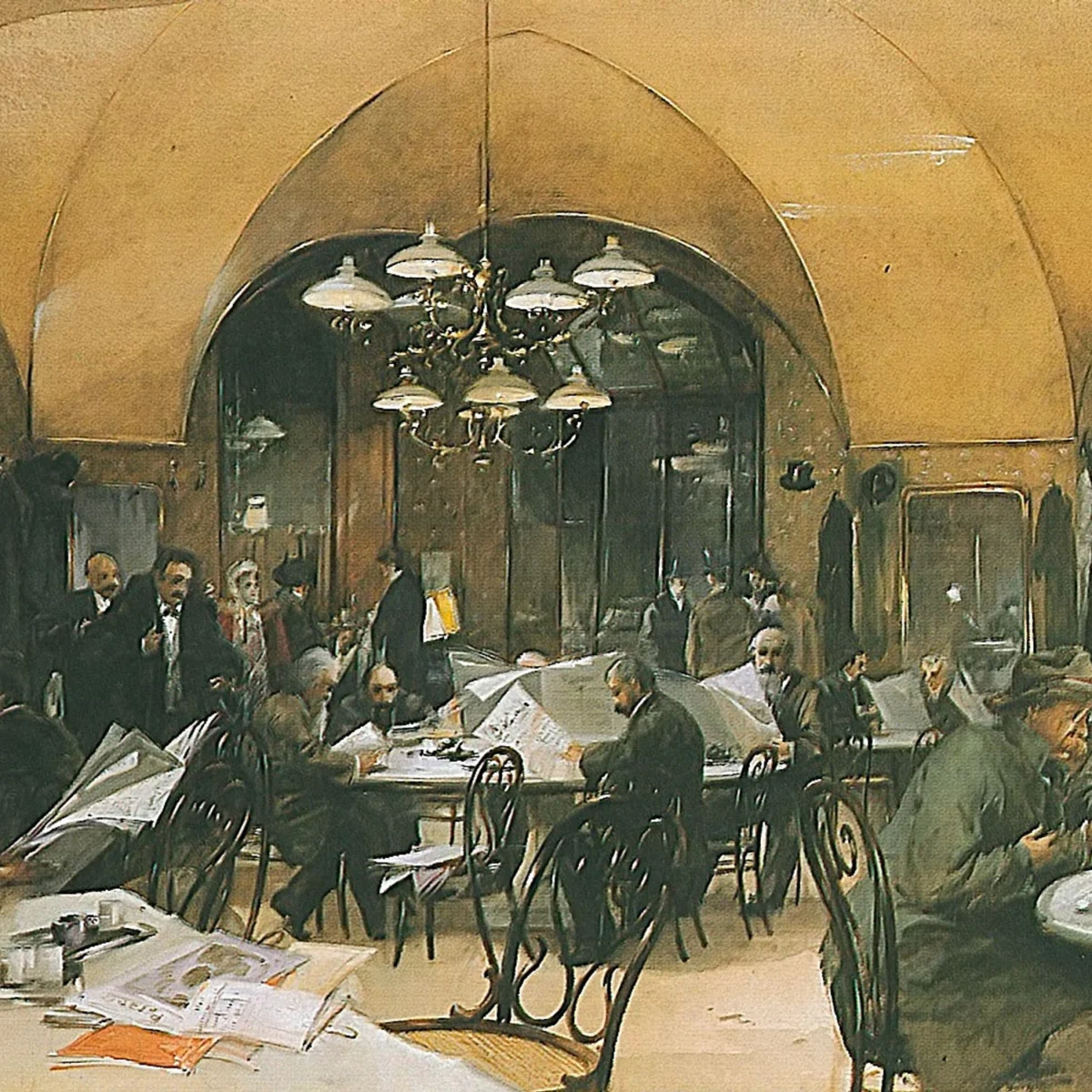
Vienna, Austria – While the vibrant intellectual landscapes of London, Paris, and New York frequently dominate narratives of modern thought, the elegant imperial capital of Vienna often remains an overlooked, yet profoundly influential, crucible of ideas. In the tumultuous period spanning the late 19th and early 20th centuries, Vienna, as the heart of the sprawling Habsburg Empire, nurtured a unique intellectual scene that fundamentally reshaped our understanding of the human psyche, society, and culture. Figures like Sigmund Freud, the father of psychoanalysis, and Robert Musil, the modernist literary giant, emerged from this distinctive milieu, their groundbreaking work deeply informed by a potent blend of nascent modern sciences and a pervasive philosophical irrationalism.
This article delves into Vienna’s extraordinary intellectual contributions, exploring the historical context that fostered such innovation, the specific ideas that flourished, and the enduring legacy of a city whose influence on modern consciousness is arguably as significant, if not more so, than its more celebrated contemporaries.
The Habsburg Heartbeat: A Unique Historical Context
The intellectual dynamism of fin-de-siècle Vienna was inextricably linked to its position as the capital of the multi-ethnic, multi-lingual, and multi-cultural Habsburg Empire. This vast Central European dominion, unlike the more nationally homogeneous states emerging across Europe, was a mosaic of diverse identities, traditions, and perspectives. This inherent diversity profoundly influenced the intellectual traditions that took root within its borders and in the German lands culturally connected to it.
Challenges in Historiography: Writing the intellectual history of this region has long presented a challenge for historians. The constantly shifting territorial boundaries of Central Europe over centuries made it difficult to trace continuous intellectual currents within fixed geographical limits. However, scholars have found ways to navigate this complexity. Historian Karl Dietrich Erdmann, in his seminal work Die Spur Österreichs in der deutschen Geschichte: drei Staaten, zwei Nationen, ein Volk? (The Trace of Austria in German History: Three States, Two Nations, One People?), argued persuasively that political divisions and re-divisions did not necessarily sever the intellectual and cultural continuities among the populace. Instead, ideas often transcended newly drawn borders, transmitted within a shared cultural framework that predated and often outlasted political demarcations. This meant that a philosophical concept or an artistic movement could flourish across regions, even as their governmental affiliations changed.
Similarly, the pre-eminent Austrian historian Robert Kann posited that significant intellectual trends, such as Austrian liberalism, were not monolithic but rather a fascinating synthesis. They emerged from the intermingling of conservative German intellectual traditions and the more romantic, often mystical, Austrian cultural movements. At a time when the notion of a unified German nation was still largely aspirational, regional allegiances and identities were the dominant form of patriotism. In this context, the Austrian Empire, with its vast German-speaking territories under Habsburg rule, naturally positioned Germans in a culturally and intellectually dominant role, making Vienna the undisputed intellectual and political capital of this vibrant, often volatile, ferment. The city became a melting pot where diverse cultural inputs simmered, leading to entirely new intellectual compounds.
The Irresistible Pull of the Irrational
One of the defining characteristics of Viennese intellectual life in this period was the simultaneous embrace of modern sciences and a profound fascination with philosophical irrationalism. This might seem contradictory – science, after all, is often seen as the epitome of rational inquiry. However, the very advancements in fields like psychology, biology, and physics were beginning to reveal the limits of pure reason, hinting at deeper, often uncontrollable, forces at play within the universe and, crucially, within the human mind.
The tradition of philosophical irrationalism, which found fertile ground in the Habsburg and German territories, drew heavily from the legacy of Arthur Schopenhauer (1788-1860). Schopenhauer’s philosophy, with its emphasis on the "Will" as a blind, irrational, ceaseless striving force underlying all phenomena, provided a powerful counter-narrative to the Enlightenment’s faith in reason. His ideas resonated deeply in a fin-de-siècle world grappling with rapid industrialization, societal upheaval, and the impending shadows of global conflict. Vienna’s thinkers, encountering Schopenhauer’s insights, began to explore how these irrational drives manifested in individual behavior, societal structures, and artistic expression, leading to a profound re-evaluation of human nature.
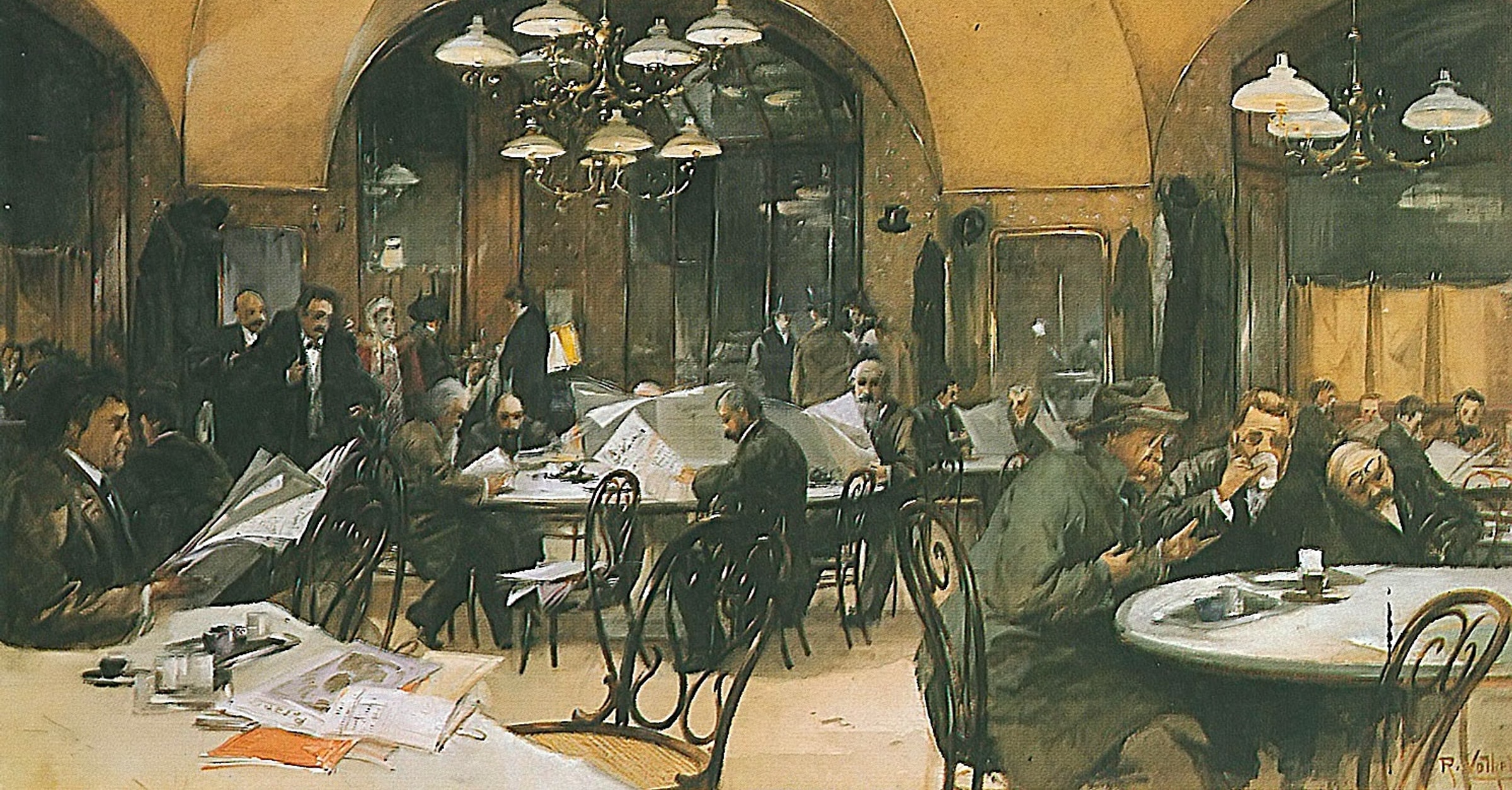
Gender and Sexuality: A Distinct Viennese Perspective
Nowhere was this fascination with the irrational more evident than in Viennese intellectual discourse on gender and sexuality. Unlike the more restrained or overtly moralistic discussions elsewhere in Europe, Viennese thinkers delved into sexuality and eroticism with an understanding that the irrational was paramount. This era saw a "rediscovery" of ancient female deities like Aphrodite and Athena, reinterpreted through a modern lens that highlighted their symbolic representations of female sexuality, wisdom, and assertive power, respectively. This wasn’t merely an academic exercise; it reflected a broader cultural shift where the feminine, often associated with emotion, intuition, and the non-rational, was gaining new symbolic weight.
The historian Carl Schorske, in his seminal work Fin-de-Siècle Vienna: Politics and Culture, provides a compelling example of this fascination for the feminine in his discussion of the Ringstrasse project. This ambitious urban development, which transformed Vienna’s core in the mid-19th century, was far more than a utilitarian civic engineering feat. It was conceived as a grand program of beautification and aesthetic expression, a conscious artistic vision for the city. Schorske writes:
"In 1860, the first leaflet presenting the development plan to the public recorded iconographically the ideology of the new sponsors. The meaning of the female figures flanking the map is clearly stated in the legends: on the right, ‘Strong Through Law and Peace’ (i.e. not through military force); on the left (where the spirit of art is literally dressing her mistress, Vienna), ‘Embellishment through Art.’" (Schorske, 31)
This imagery underscored a deliberate cultural choice: to represent Vienna’s renewal not through military might or industrial prowess, but through the civilizing forces of law, peace, and, crucially, art personified by the feminine. It signaled a city that valued aesthetic and emotional resonance as much as, if not more than, purely rational or practical considerations, setting the stage for intellectual explorations into the deeper, often irrational, aspects of human experience.
Sigmund Freud: Charting the Unconscious Landscape
Within this fertile intellectual ground, Sigmund Freud (1856-1939) emerged as a revolutionary figure. The world-renowned originator of psychoanalysis, Freud fundamentally altered our understanding of the human mind by asserting the profound influence of the unconscious and irrational drives on human behavior. A neurologist by training, Freud observed that subjective, often deeply irrational, experiences—particularly those related to sexuality—held far greater sway over human actions than conscious, rational thought processes.
Freud’s groundbreaking work moved beyond conventional medical and philosophical frameworks, proposing a complex interplay of instincts, desires, and defense mechanisms. He argued that much of what drives us operates beneath the surface of conscious awareness, a "pool of feeling and experiencing organisms" whose actions frequently defy neat rational categorization or voluntary control. This challenged the prevailing Enlightenment ideal of the rational, self-governing individual, suggesting instead that the "intelligent human" shared more with the "insane human" in terms of the underlying forces dictating their actions.
Freud on Society: Civilization and its Discontents
Freud extended his psychoanalytical insights from the individual to the collective in his profound work, Civilization and its Discontents. Here, he offered a psychoanalytical narrative of humankind’s history, diverging sharply from religious or purely socio-economic interpretations. Freud controversially argued that civilization itself, despite its undeniable benefits, is the primary source of human unhappiness. This is because civilization, by its very nature, demands the inhibition and repression of individual desires for the sake of communal living and order.
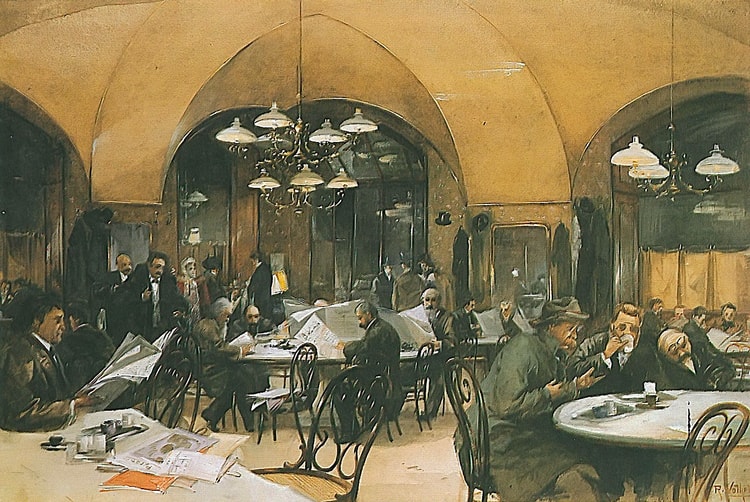
The outcome for most individuals, according to Freud, is a pervasive sense of guilt associated with their repressed desires, which are often deemed unacceptable by civilized society. This guilt, whether consciously felt or unconsciously internalized, becomes a predominant emotion, leading to citizens who are, as the title suggests, fundamentally "discontented." Freud posited a continuous, often agonizing, struggle between the inherent, primal desires of the individual and the repressive forces of society. To become part of civilization, individuals must submit to authority, initially external (like a male leader controlling resources and procreation), and later internalized in the form of a conscience or superego. This suppression, essential for social cohesion, invariably causes unhappiness and fuels societal unrest.
Freud’s theories provided an unprecedented framework for understanding the deeper psychological forces at play in human societies, offering a valuable, albeit controversial, lens through which to analyze the massive collective anxieties and aggressions that led to the two world wars of the 20th century. His unique contribution lies in creating a vocabulary and a conceptual architecture for discussing hitherto unspoken aspects of human existence—sexuality, unconscious desires, repressed feelings, and the primal instincts that shape both individual lives and collective history. His influence permeated not only psychology but also literature, sociology, history, and philosophy, providing a new language for exploring the hidden dimensions of human experience.
Robert Musil: The Architect of Ambiguity
Running parallel to Freud’s groundbreaking work, and equally rooted in Vienna’s irrationalist legacy, was the Austrian thinker and novelist Robert Musil (1880-1942). More than just a novelist, Musil was a polymath: a philosopher, essayist, and engineer. His body of work and his intellectual trajectory were quintessential products of fin-de-siècle Vienna, reflecting its unique blend of scientific rigor and philosophical introspection into the irrational.
Musil, like Freud, was shaped by Schopenhauer’s philosophical irrationalism, and he grappled with the profound task of understanding the human condition in the rapidly modernizing 20th century. His approach was distinct: he sought to balance and integrate the importance of both the rational and the irrational, viewing them not as opposing forces but as intertwined aspects of human experience. This quest for integration led him to explore creative and often ambiguous ways of depicting sexual feelings and experiences in his fiction, moving beyond simplistic moralistic judgments.
Musil’s Literary Legacy: Musil’s magnum opus, the sprawling, incomplete three-volume novel The Man without Qualities, stands as a modernist masterpiece. It is often ranked alongside the works of literary giants such as James Joyce, Marcel Proust, and Virginia Woolf for its innovative narrative structure, psychological depth, and profound philosophical inquiry. The novel, set in the decaying Austro-Hungarian Empire on the eve of World War I, dissects the complexities of identity, morality, and the search for meaning in a world increasingly characterized by fragmentation and uncertainty.
His other fictional works similarly explored the darker, more ambiguous facets of human nature: Young Törless (1906) unflinchingly depicted brutal bullying and psychological torment in an upper-class Austrian military school; The Perfecting of Love (1911) delved into the intricate inwardness and sexual awakening of a woman; and Three Women: Grigia, The Portuguese Lady, and Tonka (1924) explored the nuanced dynamics and often fraught outcomes of heterosexual relationships. Through characters perpetually engaged in a search for meaning and authentic experience, Musil’s fiction consistently suggests that true solutions, if they exist at all, reside not in rigid moral frameworks but in the often-uncomfortable domain of ambiguity, acknowledging the irrational and contradictory impulses that drive human action.
Prophetic Insights and Critique of Dichotomies: Musil’s life and work were profoundly affected by the seismic shifts of his era, from the cataclysm of World War I to the accelerating rise of Nazism. When the Nazis annexed Austria in 1938 with the Anschluss, Musil and his Jewish wife, Martha Marcovaldi, were forced to escape to Switzerland, underscoring the real-world stakes of the ideological battles he explored in his work.
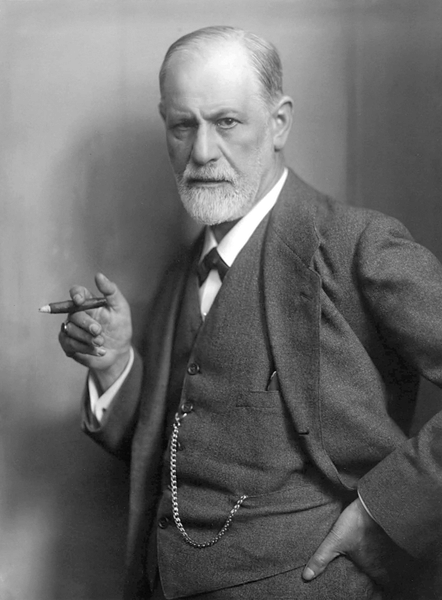
His writings reveal a remarkable, almost prophetic, insight into the violent undercurrents and decadent atrophy of European culture. Musil was deeply concerned about the dominance of "petrified, irrational ideologies" and the destructive potential of rigid dichotomies. He meticulously engaged with these dualities in his fiction: science and arts, man and woman, the possible and the probable, rationality and emotion, ethics and morality, passivity and action. His painstaking intellectual effort to negotiate these oppositions, to show their interdependence and the limitations of viewing them as mutually exclusive, was a profound critique of the intellectual and political currents of his time, which often sought simplistic, dogmatic answers.
Enduring Implications and Legacy
The intellectual vibrancy of Vienna at the turn of the 20th century, uniquely shaped by its imperial heritage and a profound engagement with philosophical irrationalism, created a milieu that fostered unparalleled innovation. Through figures like Freud, this peculiar strain of irrationalism became a foundational element of 20th-century Western civilization, profoundly influencing fields as diverse as psychology, literature, art, and philosophy. Freud’s framework for understanding the unconscious, repression, and the dynamics of individual and societal desire irrevocably altered how we perceive ourselves and our collective existence.
While Musil’s scholarship remains more confined to literary circles, his work offers equally powerful insights into the complexities of modernity, the perils of ideological rigidity, and the profound importance of embracing ambiguity. His critique of established dichotomies and his exploration of the human condition’s irrational depths resonate with a timeless urgency.
The uniqueness of Vienna’s intellectual contribution cannot be overstated. It was a city that dared to look beyond the veneer of rationality, to peer into the turbulent depths of the human soul and the contradictions of modern society. In doing so, Vienna provided the intellectual tools and the critical perspective necessary to navigate the tumultuous 20th century and continues to offer profound insights into the challenges of the 21st. Its legacy reminds us that true understanding often lies not in simplistic answers, but in the courageous exploration of the complex, ambiguous, and often irrational forces that shape our world.