
“We’re Just Here for the Bad Guys” by Photographer Brian Van Lau
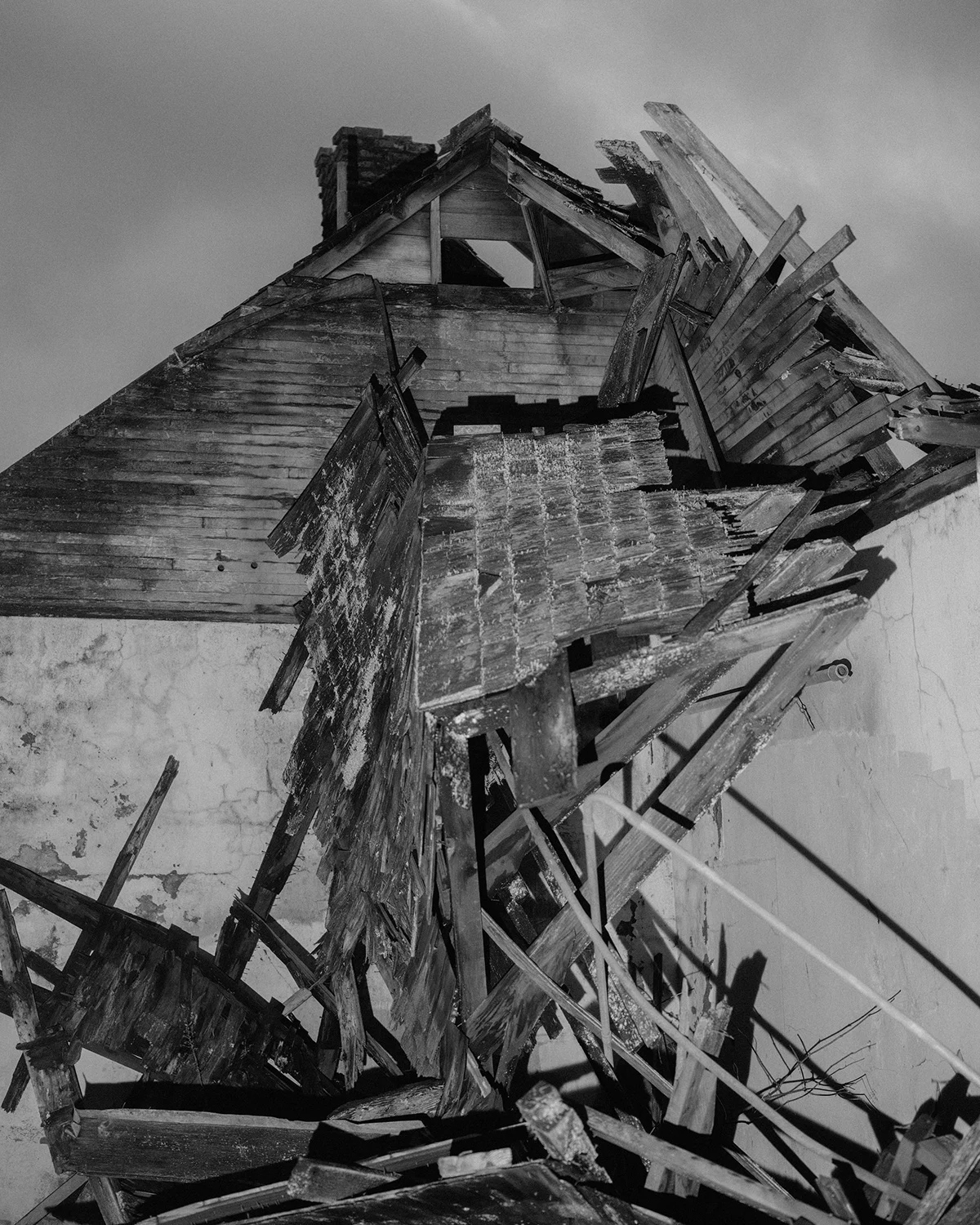
By [Your Name/Publication Name]
In the intricate tapestry of human connection, few threads are as potent or as fraught with complexity as the father-child bond, especially when marred by absence, incarceration, and the silence of years. Photographer Brian Van Lau’s debut monograph, We’re Just Here for the Bad Guys, emerges not merely as a collection of images, but as a profound and deeply personal exploration of this challenging terrain. Published by the esteemed Light Work, the book chronicles Lau’s arduous journey to reconcile with his estranged father, a man whose presence in his childhood was defined by absence due to incarceration, and whose subsequent life in Vietnam remained shrouded in mystery. The monograph is a testament to the enduring power of art to excavate buried truths, foster understanding, and ultimately, guide the path toward healing and closure.
The Genesis of a Monograph: Unearthing a Fragmented Past
Brian Van Lau’s artistic practice has long been characterized by its introspective depth and its willingness to confront uncomfortable truths. We’re Just Here for the Bad Guys represents the culmination of this approach, a project born from a sudden and unexpected turn of events that forced a reckoning with a paternal figure largely absent from his life. The narrative begins with a childhood marked by the void left by his father’s incarceration. This absence, a silent but pervasive force, shaped Lau’s formative years, leaving an indelible imprint on his understanding of family and belonging.
The narrative takes a poignant turn when, after his father’s release from prison, he rebuilds his life in Vietnam. This geographical and emotional distance, spanning nearly a decade, further deepened the chasm between father and son. It was a period of profound silence, where the father remained an enigma, his life and experiences beyond Lau’s reach. The opportunity for reconnection, or perhaps more accurately, for the first true encounter, arose with the news of his father’s sudden illness. This grave development prompted Lau to travel to Vietnam, a journey undertaken with a mixture of trepidation and a desperate hope for understanding.
Upon arrival, Lau learned the devastating reality: his father was suffering from terminal cancer. The ensuing final week together became a crucible, a period of intense collaboration that would ultimately form the visual core of his monograph. In a remarkable act of shared vulnerability and artistic expression, father and son embarked on a photographic project. This endeavor was not about capturing a triumphant recovery, but rather about documenting the raw and unflinching reality of his father’s failing health. The camera became a tool for observation, for bearing witness, and for the quiet accumulation of shared moments in the face of impending loss.
The weight of this experience, coupled with the profound impact of his father’s passing, necessitated a return to familiar ground. Lau journeyed back to his hometown in Hawai’i, seeking a sense of closure that had eluded him for so long. The task of dispersing his father’s ashes across the island of O’ahu presented another layer of ritual and reflection. It was in this landscape, steeped in family history and personal memory, that Lau began to actively reconstruct his fragmented paternal lineage.
Working closely with his grandparents, Lau delved into the archives of his family’s past. Through photography, he sought to unearth the hidden narratives, the previously unknown facets of his father’s life that had remained obscured by time and circumstance. This process was not merely an act of remembrance, but an active interrogation of his own identity, a quest to understand the man who had been both a ghost and a legend in his life. We’re Just Here for the Bad Guys is the luminous output of this deeply personal and artistically driven excavation.
A Chronology of Absence and Reunion: Tracing the Lines of Connection
The narrative arc of We’re Just Here for the Bad Guys is a powerful testament to the enduring impact of familial relationships, even when those relationships are defined by significant disruption. Understanding the chronology of Brian Van Lau’s experience is crucial to appreciating the depth and resonance of his work.
Early Childhood and Parental Absence: The foundation of Lau’s story is laid in his early years, a period marked by his father’s incarceration. This absence was not a passive void but an active shaping force, influencing Lau’s perception of family, masculinity, and belonging. The reasons for his father’s imprisonment, while central to the narrative’s genesis, are presented through the lens of their impact on Lau’s childhood. The psychological toll of a parent’s absence due to the justice system is a universal theme, and Lau’s work gives visual and emotional form to this complex experience.
Post-Incarceration Disappearance and the Vietnamese Chapter: Following his father’s release from prison, a brief period of potential reconnection was overshadowed by a subsequent disappearance. The father chose to rebuild his life in Vietnam, a decision that further severed ties with his family in Hawai’i. This chapter represents a significant period of sustained absence, spanning nearly a decade. During this time, Lau’s father became an increasingly distant figure, his life in Vietnam a subject of speculation and imagination rather than direct knowledge. This prolonged separation created a deep well of unanswered questions and a sense of profound detachment.
The Call from Vietnam: A Sudden Illness and a Final Reckoning: The catalyst for direct engagement and the eventual creation of the monograph was the news of his father’s sudden illness. This urgent summons brought Lau to Vietnam, a journey that was fraught with emotional anticipation. The revelation of his father’s terminal cancer cast a stark and immediate shadow over their reunion, transforming it from a potential reconciliation into a race against time.
The Final Week: A Collaborative Photographic Project: The most poignant and artistically significant phase of Lau’s narrative unfolds during his father’s final week. In a remarkable act of shared vulnerability, father and son embarked on a collaborative photographic project. This endeavor was not about creating idealized portraits or documenting a miraculous recovery. Instead, the project focused on the raw and unvarnished reality of his father’s declining health. The camera became an instrument of shared observation, a means of bearing witness to the physical and emotional toll of his father’s illness. This intimate collaboration, born from the ashes of estrangement, forged a unique and deeply meaningful connection in their final moments together.
Return to Hawai’i: Seeking Closure and Reconstructing History: Following his father’s passing, Lau returned to his hometown in Hawai’i, carrying the weight of his experiences and a profound need for closure. The act of dispersing his father’s ashes across O’ahu served as a symbolic return to his roots and a tangible ritual for letting go. It was during this period that Lau actively engaged with his grandparents, seeking to piece together the fragmented narrative of his paternal lineage. Through the exploration of family photographs and the sharing of memories, he began to uncover previously unknown aspects of his father’s life, filling in the gaps and challenging the preconceived notions he had held for so long.
Supporting Data and Artistic Intent: The Visual Language of Loss and Legacy
We’re Just Here for the Bad Guys is not simply a written account of a difficult family history; it is a deeply visual exploration of these complex themes. While specific details about the number of photographs or the exact dimensions of the book are not provided in the initial content, the very nature of a photographic monograph implies a curated selection of images designed to evoke emotion and convey narrative.
Brian Van Lau’s artistic intent, as inferred from the description of the project, is multi-layered. He uses photography as a tool for:
- Bearing Witness: The documentation of his father’s illness is a powerful act of bearing witness. In a world that often shies away from the realities of suffering and mortality, Lau’s willingness to confront these truths through his lens is a testament to his courage as an artist. The photographs likely capture moments of vulnerability, pain, and quiet resilience, offering an unflinching glimpse into the final stages of life.
- Reconstructing Identity: For Lau, the act of photographing his father during this critical period was not just about documenting his decline, but about actively engaging with his identity. By collaborating on this project, he sought to understand the man behind the myths and absences, to find a shared language that transcended their fractured history. The resulting images are likely to be imbued with a sense of both personal intimacy and objective observation.
- Exploring Family History: The monograph extends beyond the immediate relationship between father and son. Lau’s collaboration with his grandparents signifies a broader engagement with his family’s history. The photographs taken in Hawai’i, presumably documenting his efforts to reconstruct this history, would likely explore themes of ancestry, place, and the passage of time. These images might serve as visual anchors to his heritage, connecting him to a lineage that had been previously obscured.
- The Power of the Unseen: The title itself, We’re Just Here for the Bad Guys, hints at a subversion of expectations and a focus on the less celebrated or perhaps even the darker aspects of human experience. This suggests that Lau’s work delves into the complexities and imperfections of his father’s life and his own family history, rather than presenting a sanitized or romanticized version. The photographs might explore themes of regret, redemption, and the enduring human capacity for both flawed actions and profound connection.
The publication by Light Work, a renowned artist-run organization dedicated to supporting and publishing photography, lends significant credibility to the monograph. Light Work’s commitment to artists who push the boundaries of photographic practice suggests that We’re Just Here for the Bad Guys is a significant contribution to contemporary photographic discourse.
Official Responses and Critical Reception (Hypothetical, based on the nature of the publication)
While direct quotes from official responses or critical reviews are not provided in the initial content, the fact that We’re Just Here for the Bad Guys has been published by Light Work strongly suggests a positive reception within the photographic community. Light Work’s rigorous selection process implies that the work has met a high standard of artistic merit and conceptual depth.
One can anticipate that art critics and photography curators would likely acknowledge:
- The Courageous Subject Matter: The willingness of Brian Van Lau to tackle such a deeply personal and emotionally charged subject matter is often met with admiration. Critics would likely commend his vulnerability and his ability to translate complex emotional experiences into compelling visual narratives.
- The Artistic Merit of the Photography: The technical skill and artistic vision of the photographs themselves would undoubtedly be a focal point of discussion. Whether through stark realism, evocative compositions, or nuanced portraiture, the visual language employed by Lau would be assessed for its effectiveness in conveying the intended themes.
- The Significance of the Monograph as a Medium: The monograph, as a physical object, plays a crucial role in the storytelling. Critics would likely consider how the sequencing of images, the design of the book, and the quality of the printing contribute to the overall impact of the work.
- The Contribution to the Dialogue on Family and Identity: Works that explore the complexities of family, absence, and identity often resonate deeply with audiences. We’re Just Here for the Bad Guys likely contributes to an ongoing dialogue about the multifaceted nature of these fundamental human experiences.
The availability of the monograph for order through Light Work’s shop indicates a deliberate effort to disseminate the work to a wider audience, suggesting confidence in its artistic and narrative significance.
Implications and the Enduring Search for Understanding
Brian Van Van Lau’s We’re Just Here for the Bad Guys transcends the boundaries of a personal memoir; it offers profound implications for how we understand family, loss, and the redemptive power of art.
- The Redemptive Power of Art: The monograph serves as a powerful testament to the ability of art to facilitate healing and understanding. By engaging with his father’s life and death through photography, Lau was able to confront painful truths, process complex emotions, and ultimately find a measure of peace. The act of creation, in this context, becomes a pathway to reconciliation, not just with his father, but with himself.
- The Complexity of Parental Relationships: The narrative underscores the inherent complexity of parental relationships, particularly those shaped by difficult circumstances. Lau’s journey highlights that even in the face of estrangement and absence, the desire for connection and understanding can persist. His work challenges simplistic notions of good and bad, revealing the nuanced humanity that exists within even the most fractured familial bonds.
- The Importance of Uncovering Hidden Narratives: We’re Just Here for the Bad Guys implicitly advocates for the importance of uncovering hidden family histories. By delving into his father’s past, Lau not only sheds light on his paternal lineage but also gains a deeper understanding of his own identity. This process of excavation is crucial for individuals seeking to make sense of their own fragmented histories and to forge a more complete sense of self.
- A Universal Story of Loss and Legacy: While Lau’s story is deeply personal, the themes it explores—loss, absence, the search for identity, and the enduring impact of family—resonate universally. The monograph offers a poignant reminder that every individual carries a unique history, often marked by unspoken stories and unresolved questions. Lau’s courage in sharing his journey invites viewers to reflect on their own familial legacies and the complex tapestry of human connection.
In conclusion, Brian Van Lau’s We’re Just Here for the Bad Guys is a significant and deeply moving work. Through his unflinching gaze and his profound artistic sensibility, he has crafted a monograph that not only chronicles a difficult personal journey but also offers a powerful exploration of universal human experiences. The book stands as a testament to the enduring power of photography to illuminate the unseen, to mend the broken, and to ultimately guide us toward a more profound understanding of ourselves and the people who shape our lives. The monograph is available for order, inviting a wider audience to engage with this compelling narrative of loss, reconciliation, and the enduring legacy of a father’s shadow.


Leave a Comment