Motorslice: How a Two-Person Team Crafted a Visually Striking Indie Gem
In the dynamic landscape of independent game development, "Motorslice" by Regular Studio has emerged as a remarkable sleeper hit, captivating players with its unique blend of brutalist architecture, nostalgic gameplay nods, and a distinct visual identity. This article delves deep into the creative process behind this standout title, exploring the artistic inspirations, technical innovations, and strategic decisions that have cemented its place among the year’s best indie games.
The Genesis of a Vision: An Artistic Spark
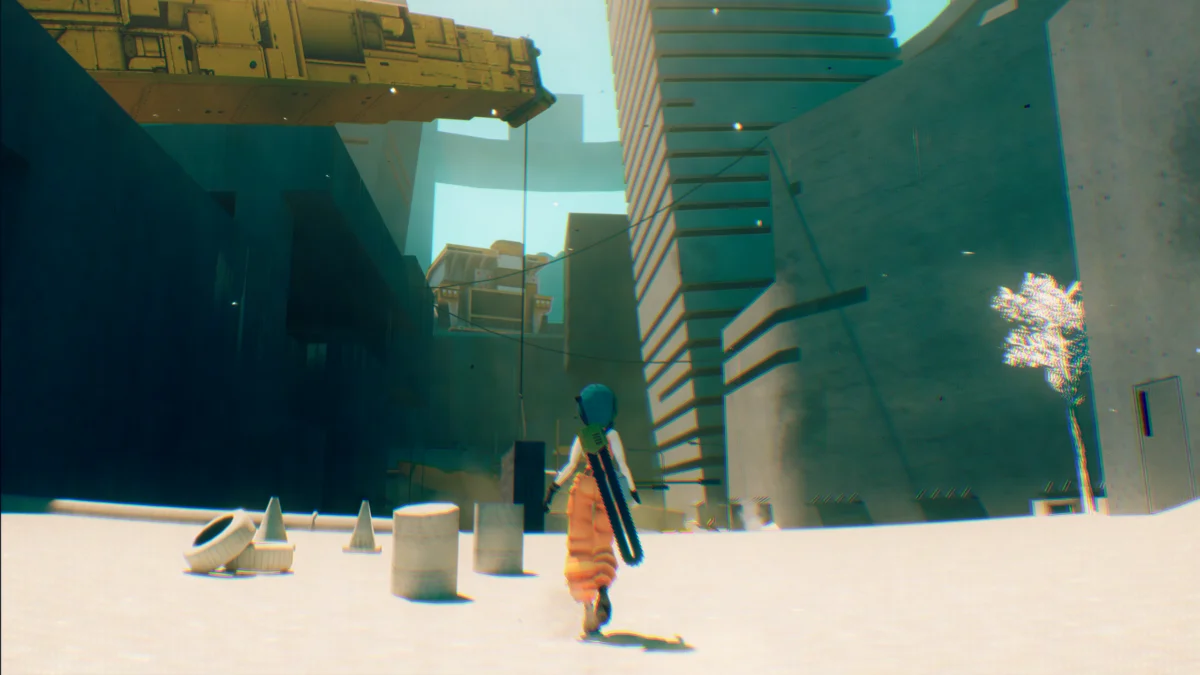
Motorslice’s striking aesthetic wasn’t an accident; it was the result of a deliberate and focused artistic vision. Lucas Bonatti, co-founder of Regular Studio alongside his brother Luiz, describes the initial spark as a desire to create "an atmospheric deadly place, but not in the common sense of a gritty world, but with a colourful yet desolate art direction." This aspiration set the stage for a game that would challenge conventional notions of atmosphere in digital environments.
The team consciously leaned into constraints, transforming limitations into a defining visual style and a compelling gameplay hook. The result is a world that feels both expansive and intimately crafted, a testament to the power of focused design.
A Tapestry of Influences: From Ueda to Nihei
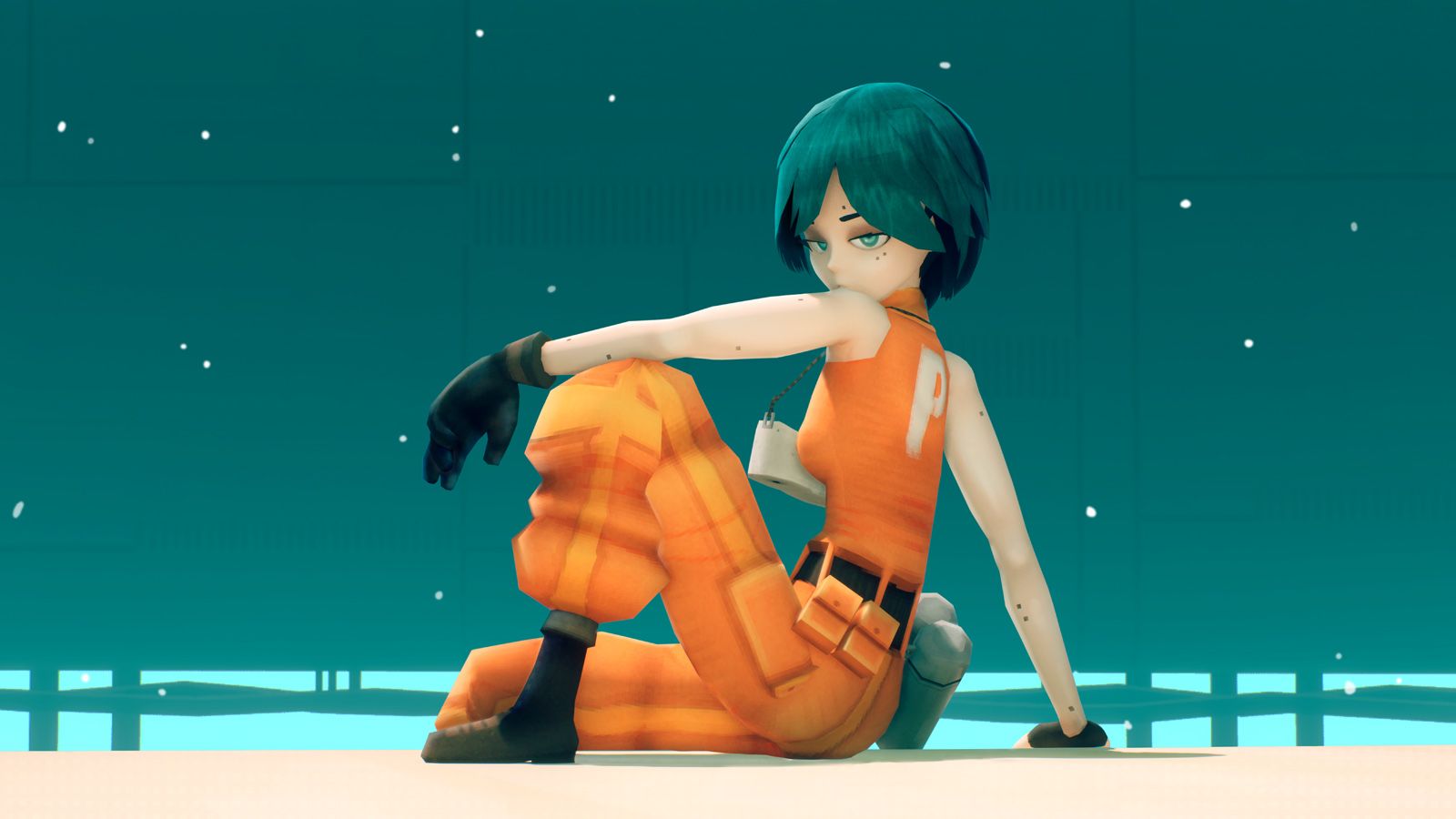
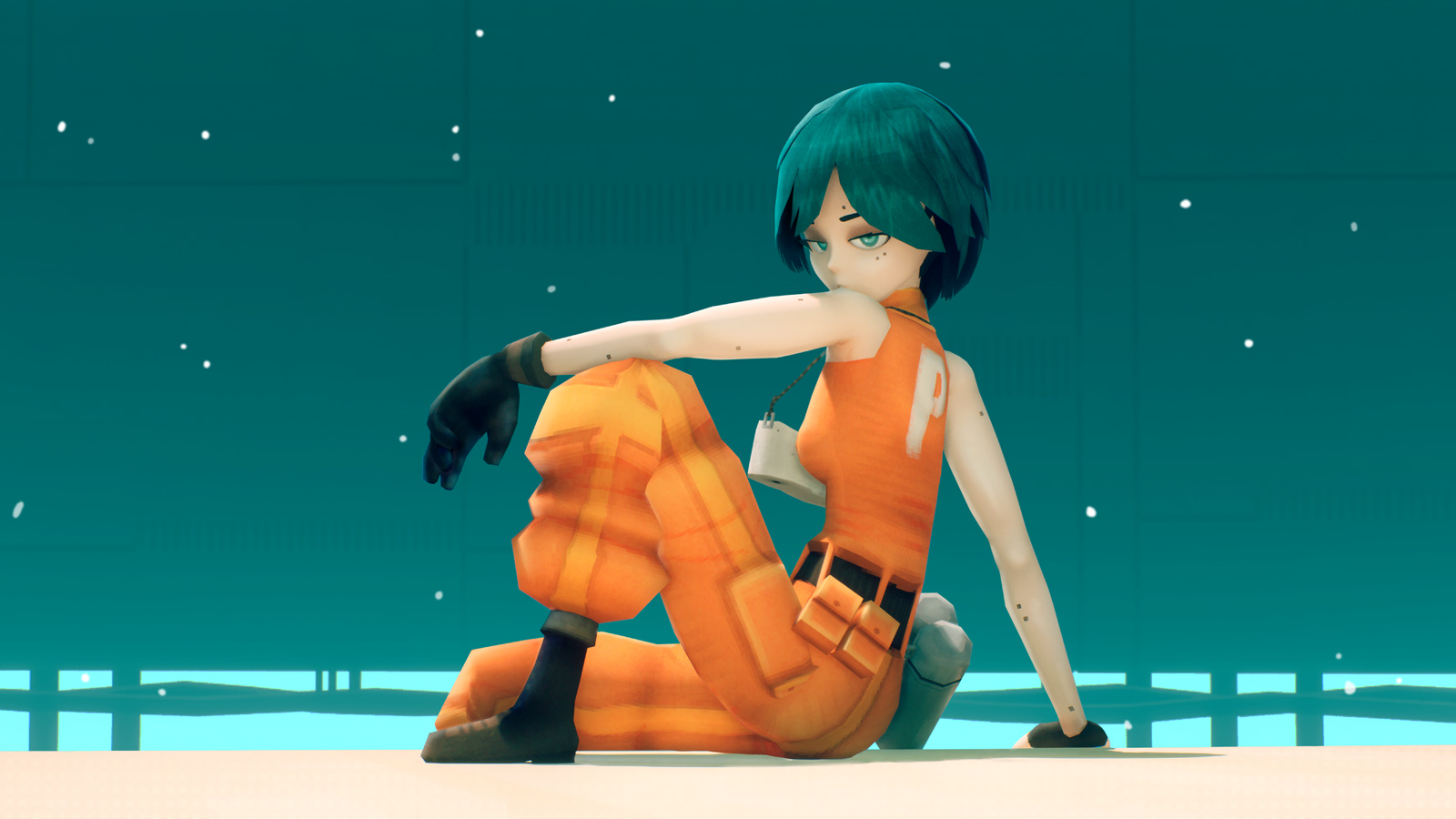
The visual language of Motorslice is a rich tapestry woven from diverse threads of inspiration. At its core lies a profound respect for the works of Fumito Ueda, whose games are renowned for their vast, lonely worlds and evocative sense of scale. This influence is palpable in Motorslice’s atmospheric emptiness and the feeling of navigating a monumental, often solitary, landscape.
Complementing this is the "guided clarity" of early Prince of Persia titles, a subtle but crucial element that ensures player navigation through complex environments. This ensures that while the world is vast and awe-inspiring, it remains navigable and understandable, even at high speeds.
Perhaps most strikingly, Motorslice draws inspiration from the oppressive, sprawling megastructures found in Tsutomu Nihei’s manga, Blame!. While not a direct replication, the game’s towering concrete edifices and the sheer sense of scale echo Nihei’s dystopian visions. This confluence of influences—the melancholy grandeur of Ueda, the precise guidance of Prince of Persia, and the overwhelming architecture of Nihei—is filtered through a "deliberately hand-crafted approach," a hallmark of Regular Studio’s commitment to quality.
Brutalism as a Design Philosophy and Production Strategy
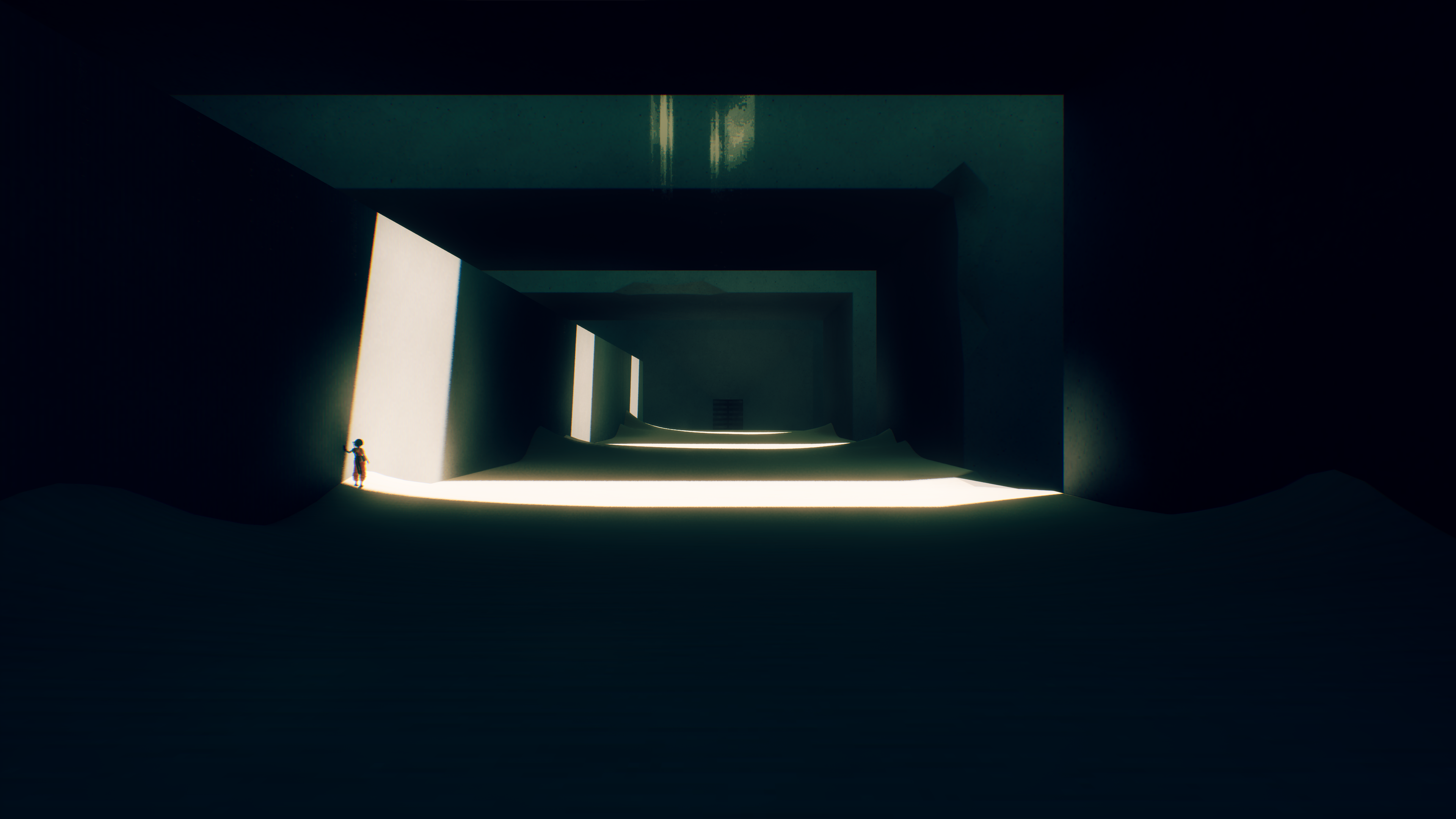
The choice of brutalist architecture as a central theme was not merely an aesthetic decision; it was deeply intertwined with the game’s production strategy. Lucas Bonatti explains that brutalism, with its minimalist nature and focus on raw materials like concrete, allowed the small team to "create beautiful vistas with very little." This pragmatic approach was crucial for a two-person studio aiming to build a game of significant scope.
"Brutalism architecture takes a huge part as well," Bonatti notes, highlighting how the movement’s inherent simplicity enabled the creation of expansive, visually striking environments without an overwhelming demand on resources. This strategic use of architectural style underscores the team’s ingenuity in turning potential limitations into creative strengths.
Navigating Speed and Readability: The Art of Visual Guidance
One of the most significant challenges in fast-paced action games is maintaining visual clarity. Motorslice tackles this head-on through a sophisticated art direction that prioritizes readability. The team established clear visual rules to guide the player.
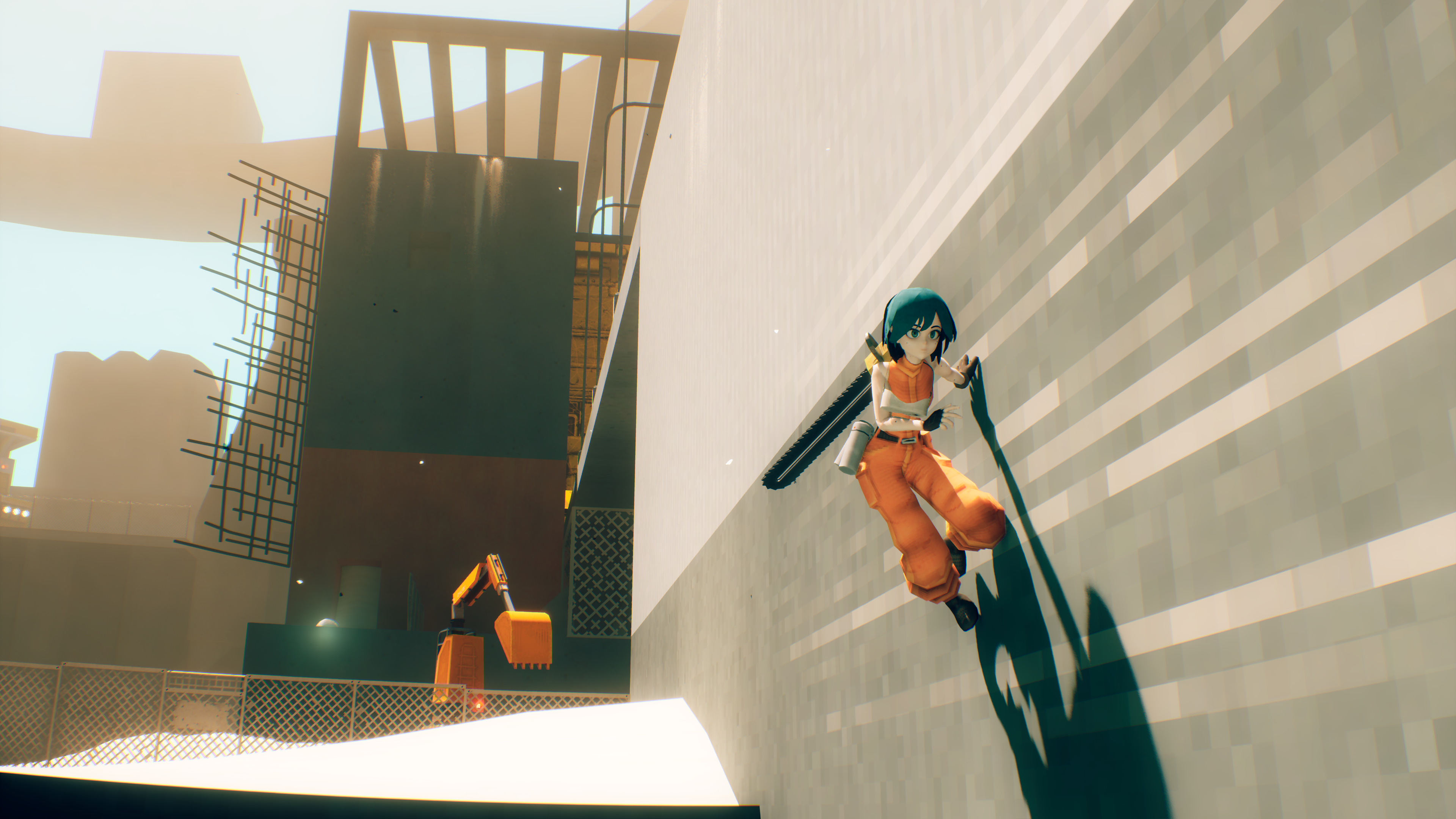
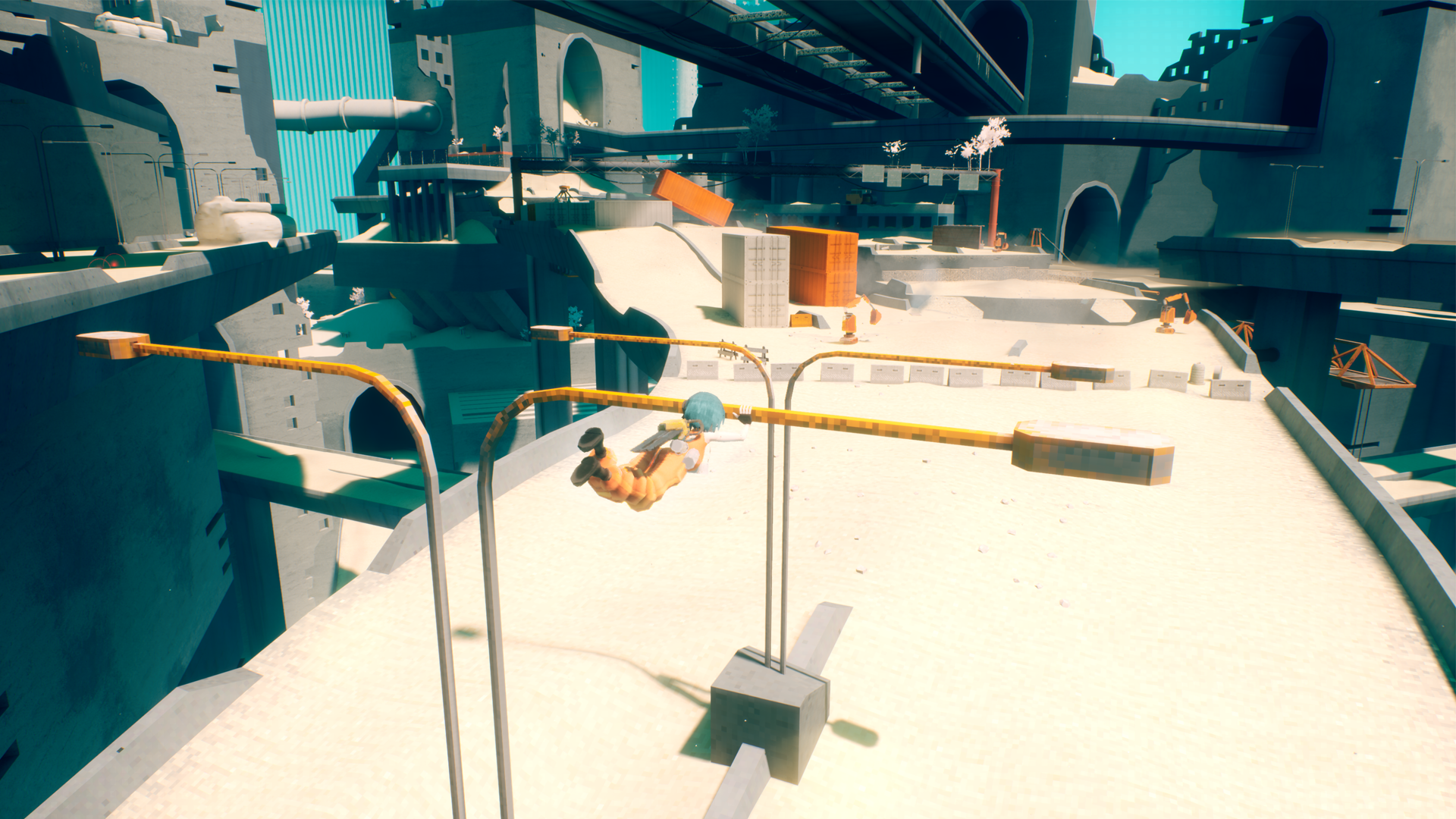
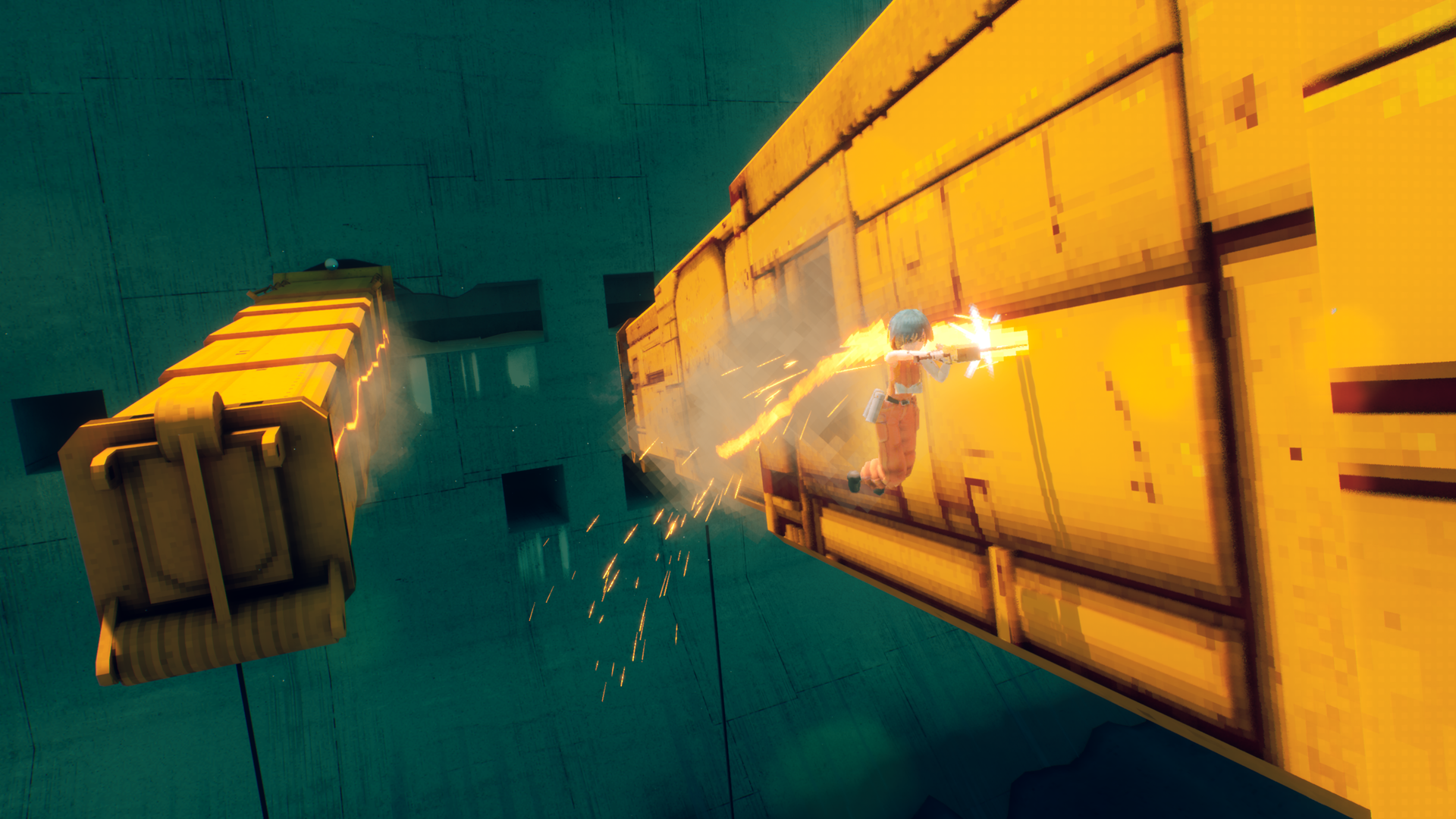
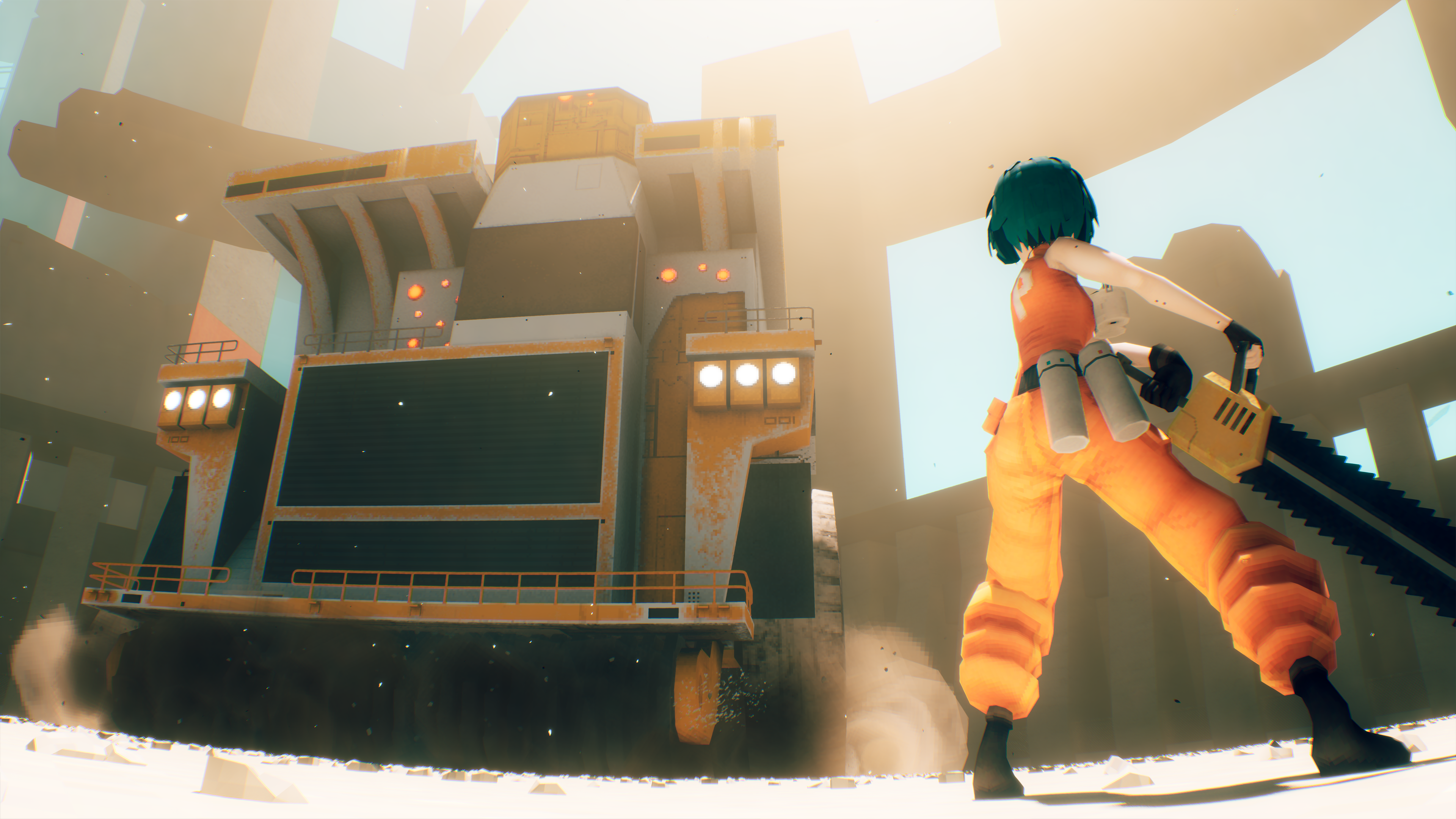
"Motorslice uses the yellow colour from heavy machinery as a motif for the world design," Bonatti reveals. This bold, high-contrast color serves as a crucial visual beacon, drawing the player’s eye and indicating important pathways or interactive elements. Beyond color, the game employs distinct shapes, sweeping vistas, and carefully placed world elements to ensure that players can process information quickly and react effectively, even during intense gameplay sequences. This deliberate use of visual cues ensures that the game’s challenging parkour mechanics remain accessible and rewarding.
Stylization Over Realism: A Timeless Aesthetic
The decision to eschew photorealism in favor of a stylized aesthetic was a deliberate choice that shaped both the game’s visual identity and its production workflow. Bonatti explains that the goal was "a graphic fidelity that makes sense on the main core elements we are trying to do, which is an old-school parkour game trying to evoke a PS2-PS3 era vibe, brutalism and a striking and memorable art direction."
This approach allowed the team to focus on creating a distinct and enduring look, rather than chasing the ever-evolving demands of hyper-realism. The stylized approach also proved more manageable for a small team, enabling them to achieve a high level of polish and artistic coherence within their constraints.
Technical Prowess Meets Artistic Vision: Unreal Engine 5’s Lumen
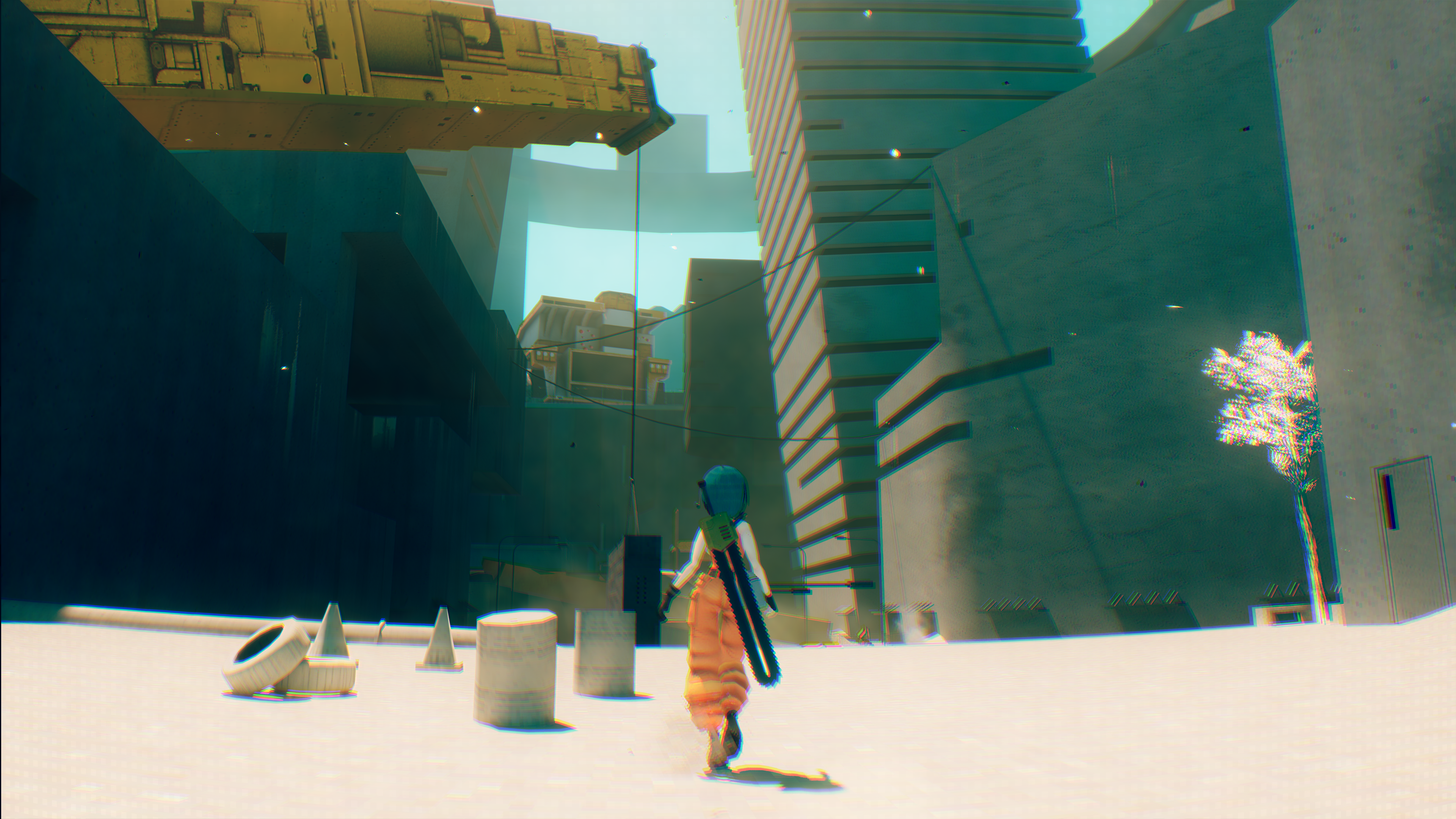
Motorslice’s visual fidelity is significantly enhanced by its use of Unreal Engine 5’s Lumen system. Bonatti emphasizes that the game’s lighting, soft shadows, subtle color palettes, and gradient darkness are all made possible by this advanced technology. "The visual style is only possible because of this tech," he states.
However, the team didn’t simply rely on raw power. They combined the capabilities of Lumen with a deliberate "low-poly, low-fidelity style," creating a unique "combination between old and new." This thoughtful integration of cutting-edge technology with a retro-inspired aesthetic results in a visual experience that is both technically impressive and artistically resonant.
The Interconnected World: A Monumental Achievement
Perhaps the most ambitious aspect of Motorslice’s design, and one that particularly surprised observers, is the creation of a single, continuous, interconnected world. This decision had profound implications for every facet of development, from gameplay mechanics to texture work and environmental storytelling.
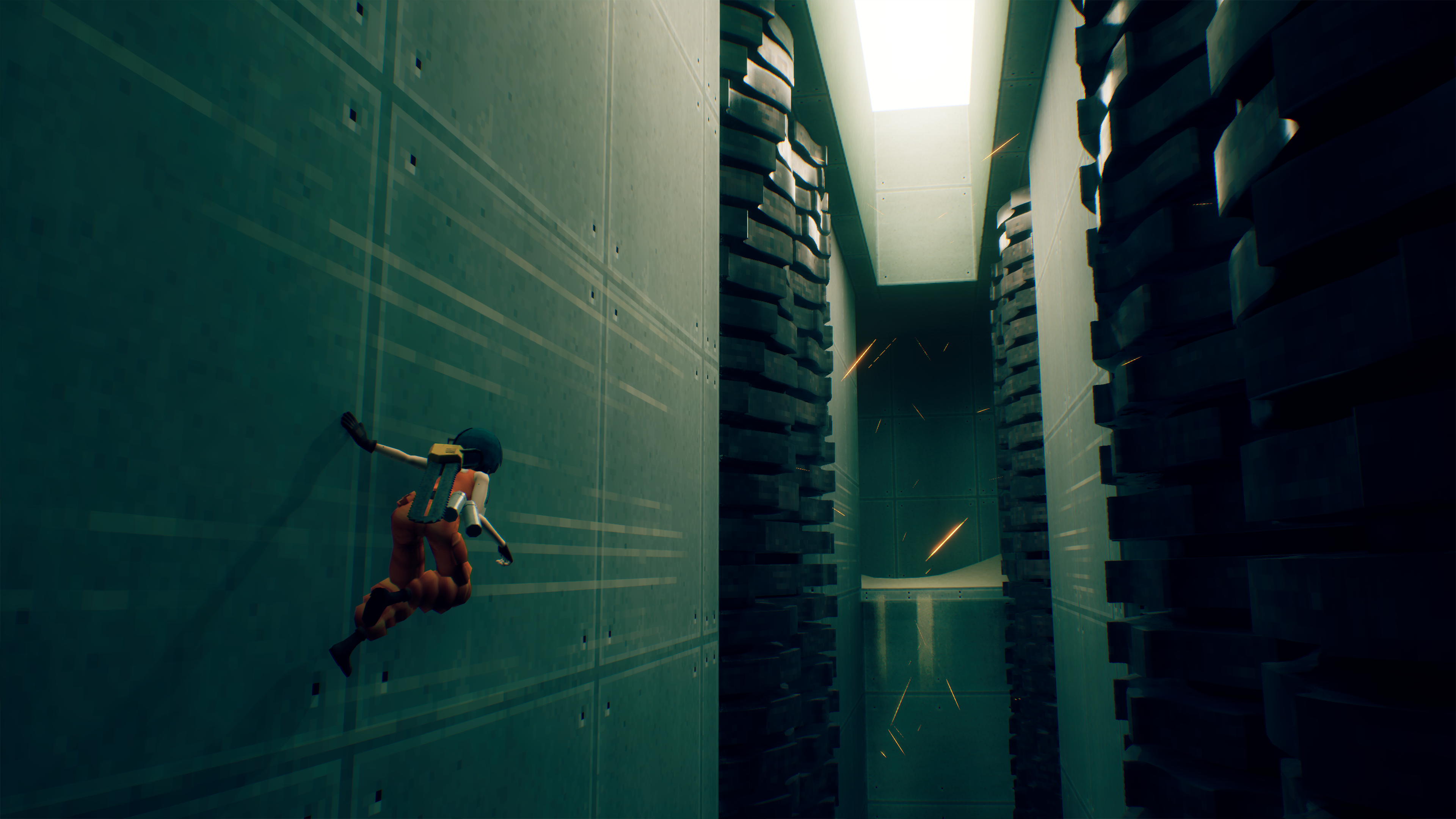
"Early on, we decided to make the world one big place, and this affected everything about the game," Bonatti explains. This holistic approach fostered a sense of a "tactile" game world, where every element feels part of a cohesive whole. The painstaking, handcrafted nature of this world—where "every single window and dune" was meticulously placed—imbues the game with a grounded reality, despite its stylized appearance. This dedication to a unified, explorable space is a testament to the team’s commitment to creating an immersive and believable experience.
Crafting the Environment: Texture, Material, and Storytelling
The environmental storytelling in Motorslice is subtle yet effective, relying on the architecture, color palette, and overall atmosphere to convey a sense of narrative. The deliberate use of concrete, the stark contrast between the gray structures and vibrant skies, and the occasional inclusion of industrial yellow hazard markings all contribute to the world’s unique character.
Bonatti notes that the decision to make the world interconnected also influenced how textures and materials were defined. "From how the game feels and plays, to how textures were made to all feel part of one big thing," he elaborates. This integrated approach ensures that the environment itself becomes a character in the game, contributing to the overall mood and player experience.
Evolution and Refinement: The Development Journey
The visual style of Motorslice was established remarkably early in the development process. Bonatti shared that he had a "strong vision of what I wanted to achieve" from day one, with early footage already showcasing the core aesthetic. While there was an "experimental process across development," with decisions made to serve the overarching vision, the fundamental art direction remained consistent.
This early commitment to a clear artistic vision allowed the team to efficiently build upon their foundation. While there were minor redesigns to better align visuals with gameplay, particularly concerning bosses, the core visual identity remained largely intact throughout production. This efficiency is crucial for a small team, minimizing wasted effort and ensuring a cohesive final product.
Embracing the Handcrafted: A Rejection of Proceduralism
In an era where procedural generation is often lauded for its efficiency, Regular Studio took a decidedly different approach. Bonatti admits that while he initially experimented with procedural tools, he ultimately found it "easier and the results far better if everything was handcrafted."
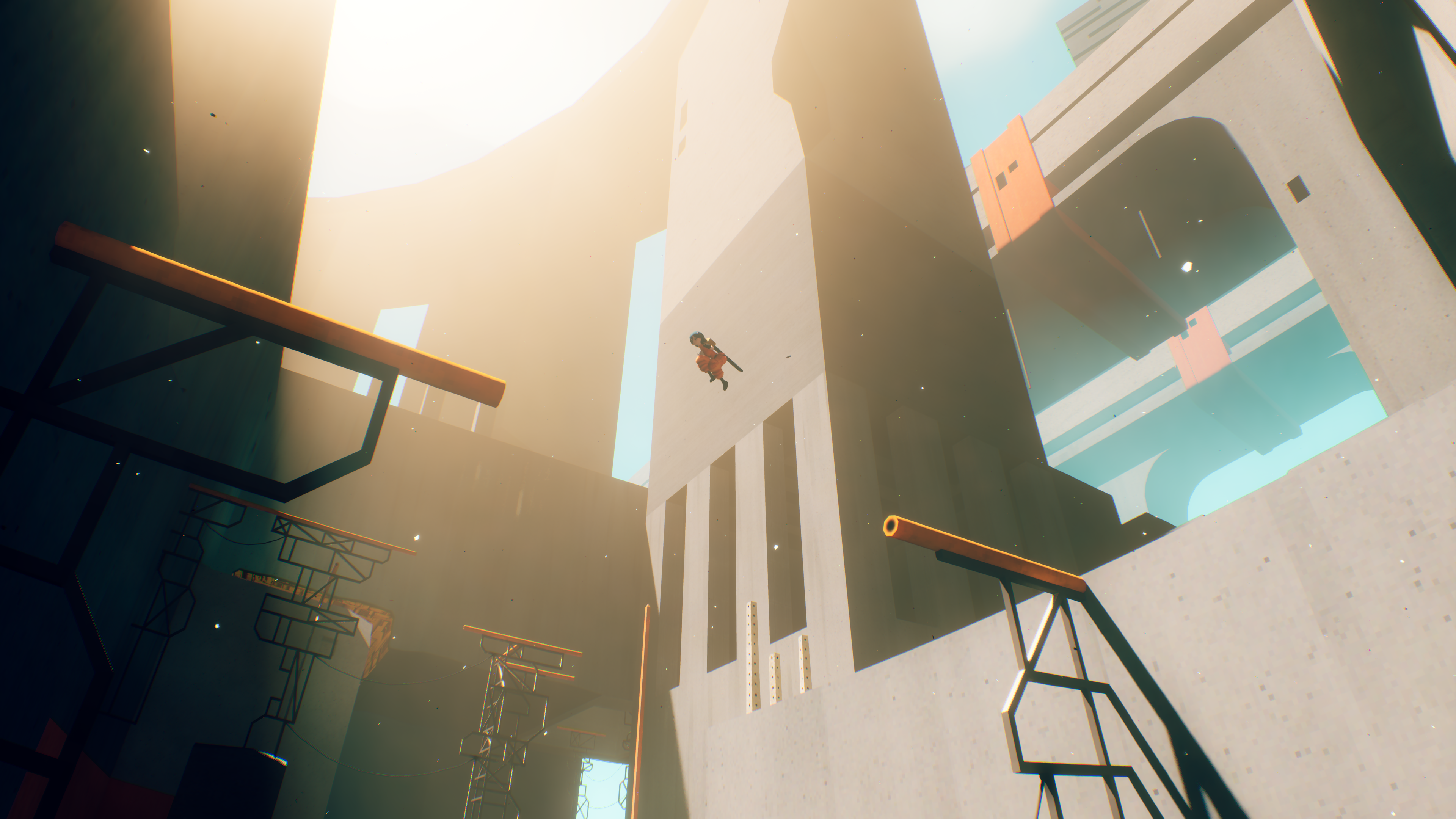
This dedication to manual creation means that "every build, every dune was handcrafted without any procedural tool at all." This labor-intensive process, while perhaps bordering on "insane" according to Bonatti, is what gives Motorslice its unique character and a tangible sense of artistry. This meticulous craftsmanship is what elevates the game beyond the often-generic output of purely procedural environments.
The Palette of Emotion: Color Theory and Lighting
The game’s color palette is a carefully curated selection designed to evoke specific emotions and enhance gameplay. Bonatti’s initial decision to use a "cyan as the sky colour" was rooted in its ability to "evoke a certain feeling from older games." This choice then informed the rest of the palette, ensuring harmonious integration.
The prevalence of gray in brutalist architecture necessitated the introduction of other colors to improve readability. The "white sand on top of almost every platform" serves this purpose, providing clear visual cues for traversal. This deliberate use of color, combined with the sophisticated lighting of Unreal Engine 5, creates a world that is both visually appealing and functionally designed for engaging gameplay.
Unconventional Techniques and Smart Shortcuts
When asked about shortcuts or unconventional techniques, Bonatti humorously states, "It is exactly the opposite in our case (ha-ha)." The team’s commitment to a handcrafted world meant they largely eschewed shortcuts. This meticulous approach, while demanding, ensures a level of quality and uniqueness that procedural methods might struggle to achieve.
Mechanics and Visuals: A Symbiotic Relationship
The development of Motorslice saw a symbiotic relationship between its mechanics and visuals. While the team primarily worked with the game’s evolving block levels, Bonatti did create concept sketches on top of prototype screenshots to communicate his vision. These illustrations helped bridge the gap between initial ideas and fully realized 3D spaces.
Minor adjustments were made to better suit gameplay, particularly for boss encounters, but these were not drastic enough to significantly alter the overall visual direction. The team’s efficiency and clear vision meant that "nothing major" needed to be discarded, a remarkable feat for a project of this scope developed by such a small team.
The Unseen Masterpiece: The Interconnected World
When asked about the aspect of the game’s visual design he is most proud of, Bonatti points to the "interconnected world." He describes it as "a massive amount of work to make this place believable and grounded." The subtle yet impactful design choices, such as creating openings to connect different areas, exemplify the team’s dedication to building a cohesive and immersive environment. Fortunately, players have noticed and appreciated this aspect, recognizing it as one of the game’s coolest features.
A Timeless Design Philosophy
The game’s art style was built with a focus on creating a timeless experience rather than solely leveraging current hardware capabilities. While Lumen in Unreal Engine 5 was instrumental in achieving the desired visual fidelity, the underlying aesthetic—a blend of low-poly charm and modern rendering—aims for an enduring appeal. This approach ensures that Motorslice will remain visually engaging for years to come.
Reflecting on the Journey: Lessons Learned
Looking back, Bonatti identifies a few design elements that, in hindsight, he might approach differently. These are primarily related to game design rather than visual aesthetics, and he believes they "won’t affect the game and players will never notice any of this." This perspective highlights the team’s satisfaction with their core achievements and their ability to execute their vision effectively.
"I think we did our best with what we had, and we barely discarded anything," Bonatti concludes. This statement encapsulates the ethos of Regular Studio: making the most of their resources and consistently striving for excellence. The creation of Motorslice in just three years is a testament to their dedication, ingenuity, and unwavering commitment to their artistic vision. It stands as a shining example of what can be achieved with passion, talent, and a clear, compelling artistic direction.