Witch Hat Atelier: A Seinen Spell woven with Shojo Charms, Redefining Fantasy Anime
The landscape of Japanese animation and manga has long been defined by its demographic categories, guiding creators and readers alike through distinct narrative pathways. For years, the "cute girls doing cute stuff" trope has been a pervasive element, particularly within the shojo (girls’ manga) genre, appealing to its core demographic of tween and teen girls. Yet, a new wave of fantasy anime and manga is skillfully deconstructing these traditional boundaries, offering narratives that retain an undeniable charm while delving into themes and complexities typically reserved for more mature audiences. At the forefront of this evolution stands Witch Hat Atelier, a series that defies easy categorization and spearheads what many are calling the "Fantasy Big Three" of modern anime.
This article delves into the phenomenon of Witch Hat Atelier, its unique position within the anime and manga ecosystem, and its significant role alongside Frieren: Beyond Journey’s End and Delicious in Dungeon in ushering in a new era of fantasy storytelling characterized by depth, heart, and a refreshing departure from grimdark tropes.
Beyond the "Cute Girls Doing Cute Stuff" Trope: An Evolving Landscape
The established genres of manga and anime—shojo, shonen, seinen, and josei—are primarily classifications based on the intended audience. Shojo, literally "young girl," caters to a female demographic typically between 10 and 18 years old, often featuring romance, friendships, and coming-of-age stories. Shonen ("young boy") targets a male audience of similar age, focusing on action, adventure, and camaraderie. Seinen ("youth") and josei ("woman") are aimed at adult male and female audiences respectively, allowing for more mature themes, intricate plots, and nuanced character development.
Historically, shojo has often presented protagonists as "plain" girls who, through circumstance or inner strength, rise to prominence, often finding love along the way. While this framework has produced countless beloved stories, it can, at times, feel restrictive for creators eager to explore different narrative avenues or challenge established archetypes. The industry, however, is dynamic, and these demographic lines have always been somewhat fluid. A compelling story deemed too mature for shojo might find a home in a seinen or josei magazine, while a shonen-esque adventure could be embraced by a shojo publication if its core themes resonate. This fluidity is crucial to understanding the rise of titles like Witch Hat Atelier.
Witch Hat Atelier: A Seinen Series with Shojo Heart
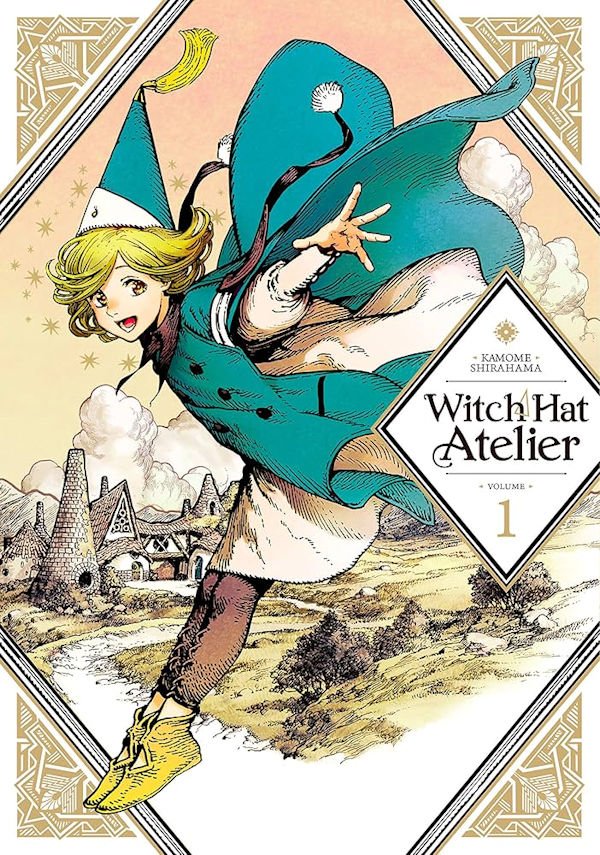
Witch Hat Atelier, created by the acclaimed artist and writer Kamome Shirahama, exemplifies this genre-bending trend. Despite being serialized in Kodansha’s Monthly Morning Two, a seinen magazine typically aimed at adult male readers, its primary protagonists are tween girls, and its aesthetic is undeniably "cute." Yet, the series quickly distinguishes itself from typical shojo fare through its sophisticated world-building, intricate magic system, and a narrative that balances wonder with genuine peril and ethical dilemmas.
The Genesis of a Witch: Coco’s Unconventional Journey
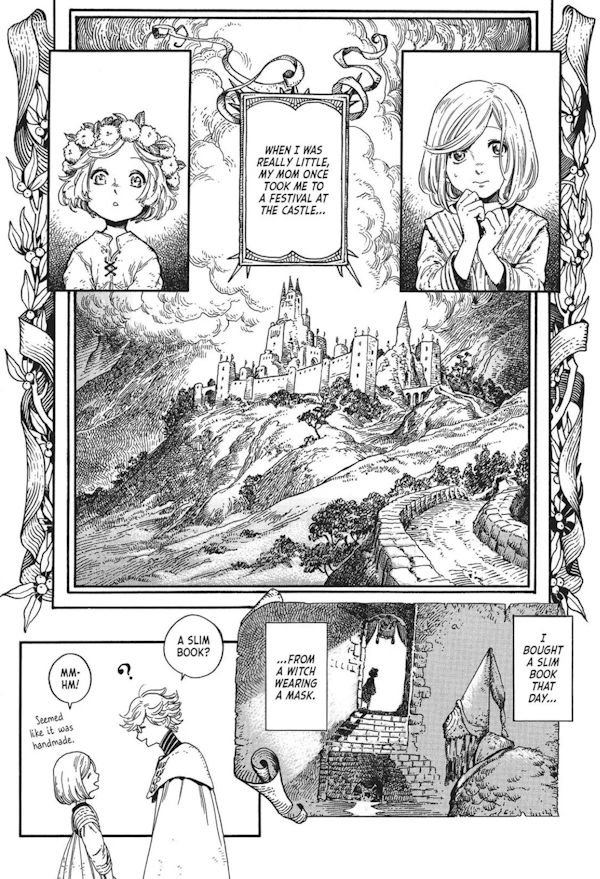
The story centers on Coco, a young girl living a quiet, pastoral life assisting her mother as a dressmaker. From an early age, Coco harbors a secret dream: to become a witch, a desire sparked by a serendipitous encounter with a masked witch who sold her a mysterious book of symbols. In a world where magic is a closely guarded secret, forbidden to those not born into its knowledge, Coco’s aspiration is audacious.
The catalyst for her journey arrives in the form of Qifrey, a handsome and enigmatic witch searching for specialized fabric. During his visit, Coco inadvertently uncovers the truth of magic: it is not innate but drawn, inscribed through intricate symbols using special ink. Driven by an insatiable curiosity and a longing to perform the wonders she’s only dreamed of, Coco attempts a forbidden spell from her mysterious book. The consequences are catastrophic: a massive crystal erupts, engulfing her home and encasing her mother in a timeless stasis.
Rescued by Qifrey, Coco is immediately adopted into his atelier, a hidden school where he trains young witches. The gravity of her actions is starkly revealed: her unauthorized use of magic has not only endangered her mother but also violated one of the most fundamental laws of the magical world. Qifrey, while taking her under his wing, imparts a solemn warning: the forbidden spellbook and the circumstances of her magical awakening must remain an absolute secret.
Qifrey’s Atelier: Mentorship, Mystery, and Found Family
At Qifrey’s atelier, Coco meets her fellow apprentices: the vivacious and kind Tetia, the quiet and observant Richeh, and the initially surly and fiercely competitive Agott. Agott, particularly, presents a significant challenge to Coco, viewing her as an unwelcome interloper who has stumbled into a privilege she hasn’t earned. This dynamic immediately sets Witch Hat Atelier apart from many "cute girls" narratives, introducing a layer of friction and character growth that transcends simple camaraderie.
Qifrey, a seemingly gentle and patient mentor, harbors his own deep-seated secrets and motivations. His outward composure masks an intense, long-standing obsession: the hunt for the "Brimmed Caps," a clandestine group of rebellious magicians who defy the established magical society and its strictures. Coco’s connection to the forbidden spell and the masked witch who gave it to her inadvertently places her at the nexus of Qifrey’s personal quest, adding a thrilling layer of mystery and danger to her apprenticeship.
The Art of Magic: Kamome Shirahama’s Visual Masterpiece
One of Witch Hat Atelier‘s most compelling aspects is its breathtaking visual artistry, masterfully crafted by Kamome Shirahama. The series boasts an aesthetic that has frequently drawn comparisons to Studio Ghibli films: a vibrant, richly detailed world brimming with fantastical architecture, lush landscapes, and expressive characters. Shirahama’s background as a freelance illustrator for Marvel and DC Comics, contributing to titles like Star Wars: Visions and Batgirl and the Birds of Prey, is evident in her dynamic compositions and fluid character designs.
The depiction of magic itself is a central highlight. Spells are not merely incantations but tangible creations, meticulously drawn with special inks onto circular parchment. Each symbol, each stroke, is rendered with exquisite detail, emphasizing the craft and artistry inherent in the magical system. The visual spectacle of spells bursting forth, glowing and transforming the environment, is consistently mesmerizing, lending a unique tactile quality to the supernatural elements. This focus on the visual "drawing" of magic not only reinforces the themes of artistry and creation but also provides a concrete, understandable framework for how magic operates within the world, enhancing immersion.
Character Dynamics: Beyond Surface-Level Archetypes
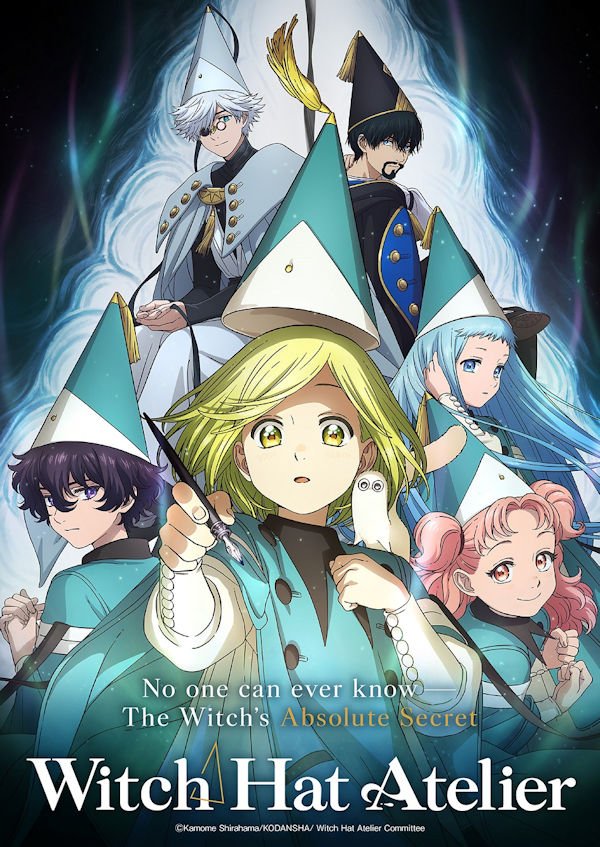
While Coco’s infectious optimism and unwavering kindness are central to the series’ charm, Witch Hat Atelier avoids simplistic characterizations. The initial antagonism from Agott, for example, is not a mere plot device but a reflection of her own insecurities and deeply ingrained belief in the established order of magic. Her journey, alongside Tetia’s unwavering support and Richeh’s quiet observations, promises nuanced development, moving beyond the typical "rival turns friend" trope.
Qifrey, too, is a complex figure. His gentle demeanor towards his students is juxtaposed with the fierce intensity of his vendetta against the Brimmed Caps. This duality hints at a darker past and a profound sense of loss or injustice that fuels his actions, adding layers of psychological depth to his character. As Coco and the audience learn more about the world and its hidden dangers, the narrative subtly shifts, hinting at the "more adult themes" characteristic of its seinen demographic, even amidst the wonder and beauty. The slow-burn approach allows for these character arcs and world-building elements to unfold organically, inviting readers to truly invest in the journey.
The "Fantasy Big Three": A Paradigm Shift in Anime
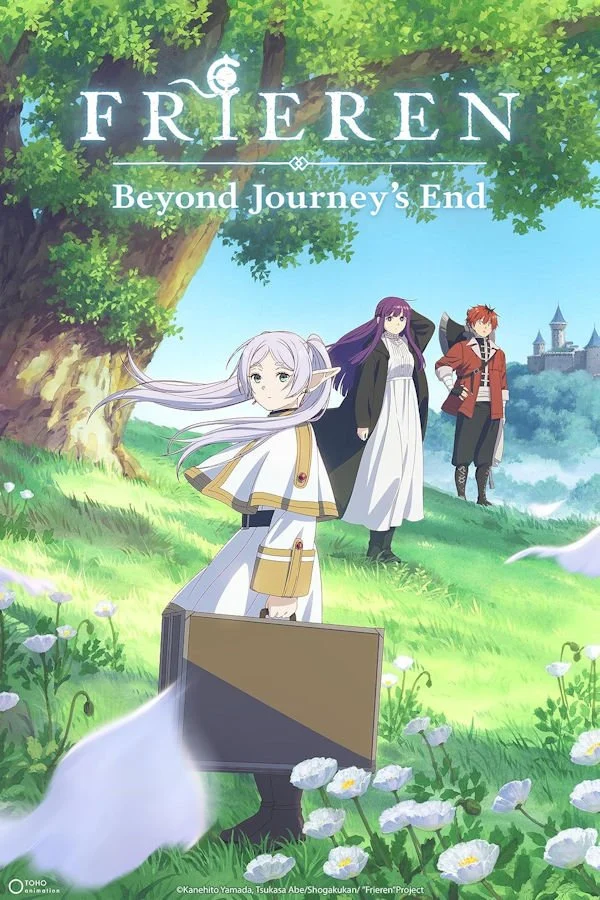
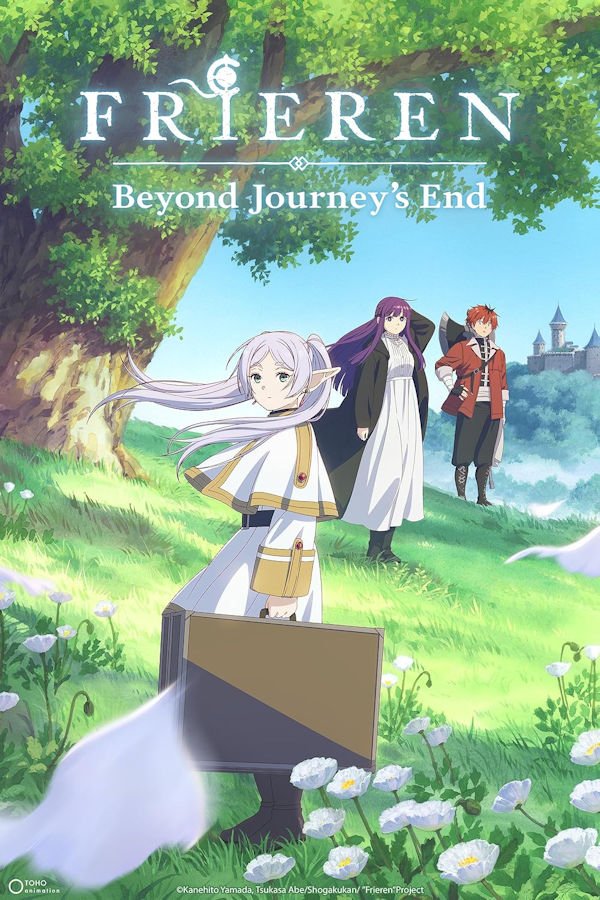
Witch Hat Atelier is not an isolated phenomenon but rather a prominent member of a burgeoning trend in anime, often collectively referred to as "The Fantasy Big Three." This informal designation, echoing the past popularity of shonen giants like Naruto, Bleach, and One Piece, highlights the immense critical and commercial success of three distinct yet thematically linked fantasy series: Frieren: Beyond Journey’s End (2023-present), Delicious in Dungeon (2024-present), and Witch Hat Atelier.
These three titles, while diverse in their specific narratives, share a common thread: they represent a deliberate move towards more introspective, character-driven, and often "cozy" fantasy narratives, a stark contrast to the epic, often grimdark, fantasy that dominated popular culture for years.
Frieren: Beyond Journey’s End – Melancholy, Legacy, and the Passage of Time
Frieren: Beyond Journey’s End offers a poignant exploration of time, memory, and the human condition through the eyes of an elven mage. Frieren, having lived for over a thousand years, outlives her human adventuring companions and embarks on a new journey to understand humanity and forge new connections. The series masterfully blends moments of quiet reflection and gentle humor with genuine emotional depth and occasional bursts of spectacular action. Its contemplative pace and focus on the small, meaningful interactions between characters resonate deeply with audiences seeking stories that evoke empathy and wonder rather than constant high-stakes conflict.
Delicious in Dungeon – Culinary Adventures in a Perilous World
Delicious in Dungeon injects a unique blend of culinary adventure and monster-hunting into the fantasy genre. When their party leader’s sister is devoured by a dragon, a group of adventurers ventures back into a perilous dungeon, forced to subsist on the very monsters they encounter. The series brilliantly combines imaginative creature design with detailed, often humorous, cooking segments, exploring the practicalities and absurdities of survival in a magical world. Its charm lies in its ingenuity, its ensemble cast of quirky characters, and its ability to find joy and discovery in the most unconventional circumstances.
Witch Hat Atelier’s Place in the Trio: Crafting a Unique Spell
Witch Hat Atelier complements Frieren and Delicious in Dungeon by offering a compelling coming-of-age story centered on the wonder and responsibility of magic. While Frieren looks back at a life lived, and Delicious in Dungeon innovatively redefines dungeon crawling, Witch Hat Atelier focuses on the genesis of a magical journey, the careful learning of a craft, and the profound ethical implications of power. Its visual splendor and the tangible nature of its magic system make it an immersive experience, inviting viewers to share in Coco’s awe and trepidation. Together, these three anime demonstrate a powerful return to the core tenets of fantasy: imagination, exploration, and the human (or inhuman) spirit, but filtered through a lens of warmth and introspection.
From Grimdark to Gentle Magic: The Shifting Tides of Fantasy
The immense popularity of this "Fantasy Big Three" signifies a notable shift in audience preferences within the broader fantasy genre, both in anime and Western media. For years, the success of franchises like Game of Thrones had cemented "grimdark" fantasy—characterized by moral ambiguity, brutal realism, political intrigue, and often tragic outcomes—as a dominant force. While Game of Thrones remains a cultural touchstone, its conclusion left a void that audiences appear to be filling with narratives that offer a different kind of escapism.
The Post-Game of Thrones Era: A Craving for Comfort
The appeal of the "Fantasy Big Three" lies precisely in its divergence from the grimdark trend. These shows prioritize "cozy storylines with some action and adventure thrown in," delivering "heartfelt moments that feel earned" and characters that audiences genuinely want to root for. This doesn’t mean a lack of stakes or conflict, but rather a focus on optimism, personal growth, and the beauty of discovery, even amidst challenges. The overarching tone is one of warmth and wonder, a stark contrast to the cynicism and despair often found in darker fantasy.
This shift is not limited to anime. In Western literature, the rise of "romantasy" and "cozy fantasy" has been similarly meteoric. Authors like T.J. Klune (The House in the Cerulean Sea) and Travis Baldree (Legends & Lattes) have found widespread success by crafting narratives that prioritize emotional resonance, found family, gentle humor, and comfort over epic battles or intricate political machinations. These stories offer a sanctuary, a sense of hope and belonging that resonates with readers seeking upliftment rather than further immersion in dystopian anxieties or brutal realities. The willingness of fans to embrace "something softer" has been unequivocally noticed by publishers and producers alike.
Critical Acclaim and Audience Engagement: The "Big Three’s" Impact
The "Fantasy Big Three" have not only captivated audiences but also garnered significant critical acclaim. Frieren: Beyond Journey’s End, in particular, swept numerous awards, including Anime of the Year at the Crunchyroll Anime Awards 2024, praised for its unique pacing, emotional depth, and stunning animation. Delicious in Dungeon has been lauded for its creativity, humor, and fresh take on the dungeon-crawling genre. While Witch Hat Atelier (currently primarily a manga with an anime adaptation announced) has been a long-standing critical darling, celebrated for Shirahama’s art, intricate world-building, and compelling narrative, its upcoming anime is highly anticipated to join its peers in broader recognition.
This widespread appreciation underscores a collective yearning for fantasy that explores different facets of the human experience. These series prove that fantasy doesn’t always need to be about saving the world from an existential threat; it can be about learning a craft, understanding a legacy, or simply finding joy in a dangerous world. Their success demonstrates a broad audience appetite for narratives that are both imaginative and emotionally grounded, offering a sense of connection and wonder.
Charting the Course: The Future of Fantasy Anime
The emergence of Witch Hat Atelier, Frieren: Beyond Journey’s End, and Delicious in Dungeon as the "Fantasy Big Three" marks a pivotal moment for the anime industry and the fantasy genre as a whole.
Expanding Horizons: Attracting New Viewers to Anime
These titles are particularly significant for their potential to attract new viewers to anime. By offering compelling, high-quality stories that subvert or thoughtfully invert common tropes, they provide fresh entry points for audiences who might have been hesitant to explore the medium previously. Their universal themes of growth, discovery, and connection, coupled with accessible narratives and often stunning visuals, make them highly appealing to a diverse global audience. They demonstrate that anime is not monolithic; it offers a vast spectrum of storytelling, including narratives that are heartwarming, thoughtful, and deeply engaging without relying on hyper-violence or overly complex lore.
A Testament to Creative Freedom and Genre Innovation
Ultimately, the success of this new "Big Three" is a testament to the power of creative freedom and genre innovation. Kamome Shirahama’s ability to craft a story with the charm of shojo but the thematic depth and visual sophistication of seinen speaks volumes about the evolving nature of storytelling. These series encourage creators to push boundaries, challenging preconceived notions about what fantasy can be and for whom it can be made. They reaffirm that rich, meaningful narratives can be found in unexpected places, whether it’s a witch’s atelier, an elf’s long journey, or a dungeon’s culinary delights.
For those who have been curious about anime, or for fantasy enthusiasts seeking a fresh perspective, now is an opportune moment. Witch Hat Atelier and its companions offer a magical journey, inviting audiences to pick up a literal or metaphorical pen, staff, or sword and dive into worlds where wonder and heart reign supreme. The age of cozy fantasy is here, and it’s casting a beautiful spell over the world.