
Spanish Animator Juan Carlos Mostaza Unveils "Under the Lake" at Tribeca, a Silent Thriller Rooted in Cinematic Heritage
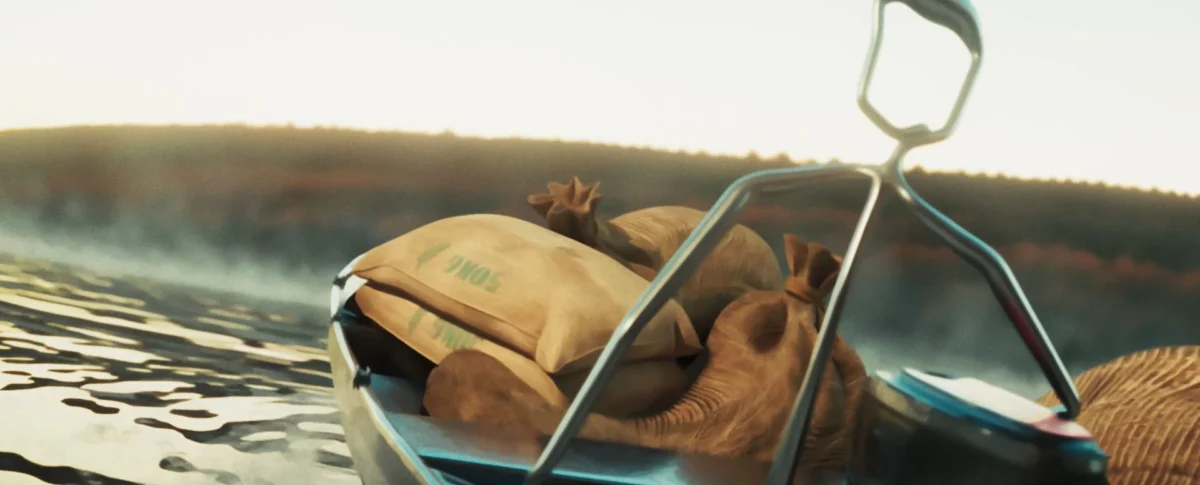
New York, NY – June 1, 2026 – Spanish filmmaker Juan Carlos Mostaza is set to captivate audiences at the 2026 Tribeca Festival with the world premiere of his 14-minute animated thriller, Under the Lake. The highly anticipated short film, which delves into themes of consequence and unspoken tension through a unique visual language, will compete in the festival’s prestigious shorts program. Ahead of its premiere, Cartoon Brew is thrilled to exclusively debut the film’s compelling trailer, offering a glimpse into its unsettling atmosphere and minimalist aesthetic.
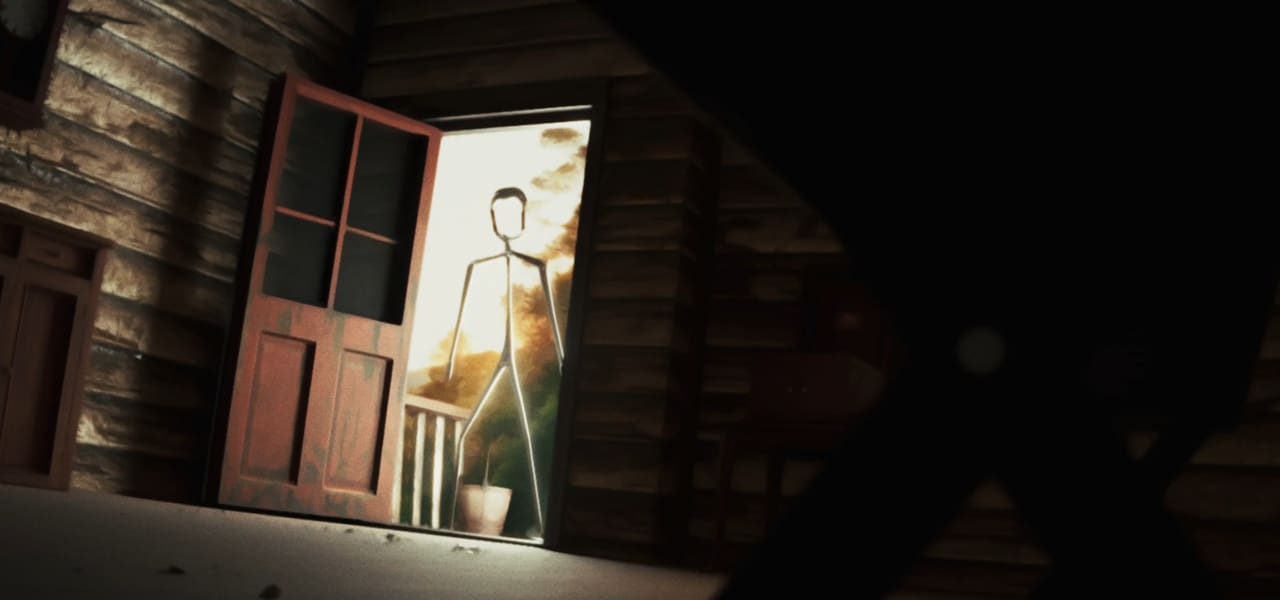
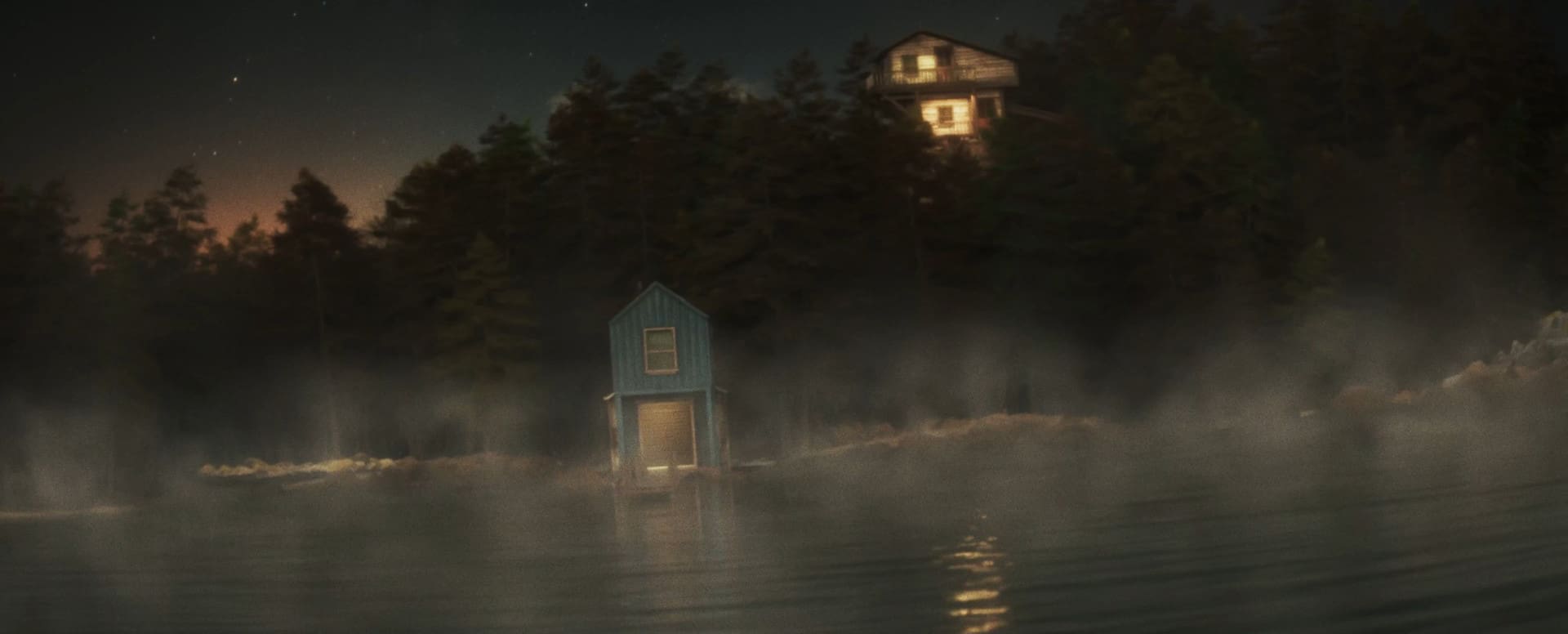
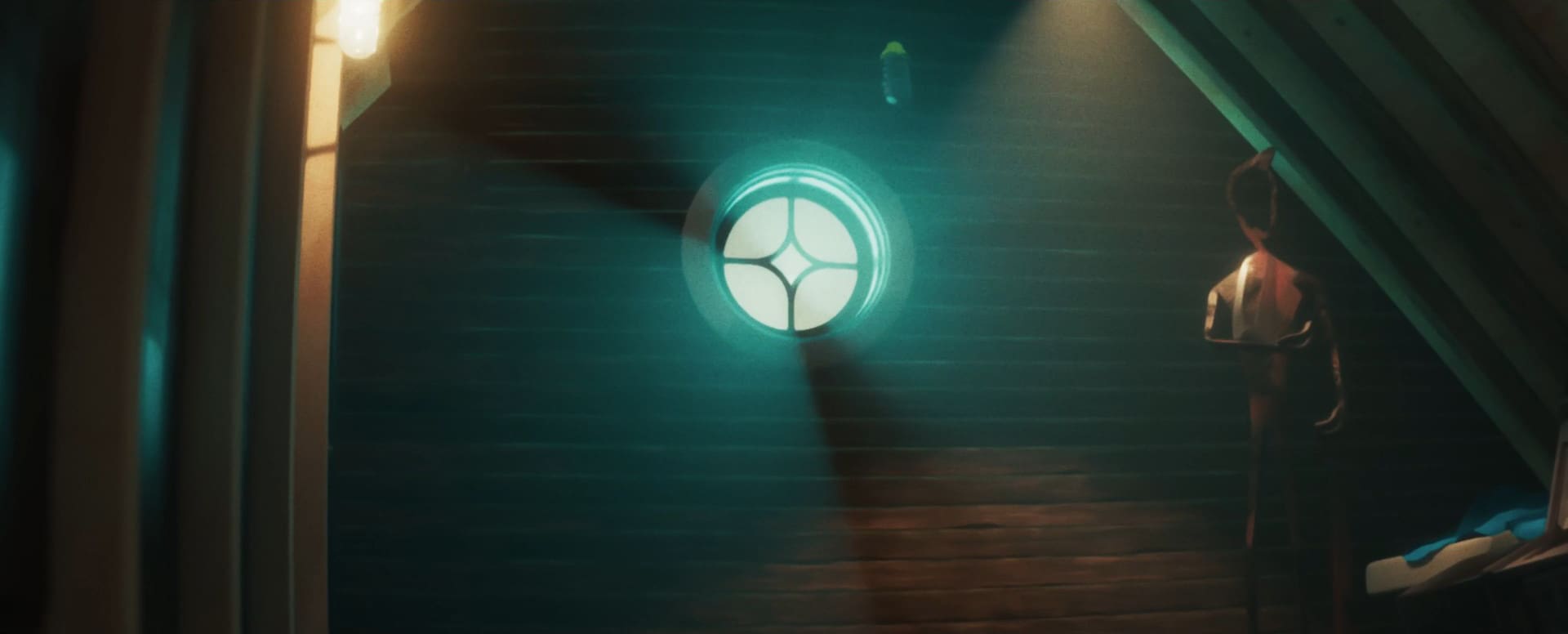
Under the Lake, produced by The Cathedral Media Productions, transports viewers to a world that feels both familiar and eerily alien. The narrative centers on a father and son who reside by a desolate lake. Their quiet existence is disrupted when the son rescues an injured stranger who washes ashore, an act that precipitates a cascade of tense and increasingly ominous events. What sets Mostaza’s work apart is his signature use of faceless, wire-frame characters, a recurring motif that has fascinated the director for over a decade.
A Decade of Wire: The Evolution of Mostaza’s Distinctive Style
This latest offering marks the third installment in a thematic trilogy exploring these metallic humanoid figures. Mostaza’s exploration began in 2006, followed by another short film ten years later. While these earlier works are not directly connected in narrative, they share a common universe populated by his distinctive characters. "I have two previous shorts with these wire characters," Mostaza shared in an exclusive interview. "One was in 2006 and another ten years later called Down to the Wire. The stories are not connected except for the world of these characters. I keep experimenting with new things, but they always involve crime or something dark, and all of them are without dialogue."
The deliberate absence of dialogue is not merely an artistic choice but a fundamental tenet of Mostaza’s creative process. He views silence as a powerful narrative tool, a discipline that forces him to communicate purely through visual storytelling. "I always impose one artistic rule on myself," he explained. "None of the characters can speak. I have to express everything with the camera and with what they do with their bodies because they don’t have faces." This constraint, far from limiting his storytelling, pushes him to explore the expressive potential of movement, gesture, and composition, making the characters’ actions and the surrounding environment the primary conduits of emotion and plot.
Minimalist Production, Maximalist Impact: The Craft Behind "Under the Lake"
Mostaza’s commitment to minimalism extends to his production methods. In a testament to his resourcefulness and dedication, he single-handedly helmed the majority of the film’s creation, serving as director, writer, producer, editor, and animator. The visual execution of Under the Lake was achieved entirely on a single laptop, a deliberate technical limitation that he believes fosters greater creativity. "I always set another technical limitation," he stated. "I have to do the visual side on one computer only. This time it was a laptop. These are limitations I impose on myself because I work better when I’m limited." Notably, the film was created without the use of generative AI tools, emphasizing a human-centric and handcrafted approach to animation.
While the earlier wire-character shorts leaned towards a more grounded aesthetic, Under the Lake ventures into a more poetic and ethereal realm. Mostaza intentionally sought to differentiate this new film from its predecessors, even opting to omit the word "wire" from its title. "I wanted this one to feel separate from the others aesthetically," he elaborated. "The previous films searched for total realism. This one is still realistic, but it has something more like illustration. The use of light is different. I didn’t want it to feel like a spin-off. I wanted it to stand apart." This evolution signifies a maturing artistic vision, exploring new visual territories while retaining the core essence of his unique character design.
Cinematic Lineage: Influences Shaping "Under the Lake"
Despite its stylized character design, Under the Lake is deeply indebted to the rich tradition of classical cinematic storytelling. Mostaza openly acknowledges the profound influence of cinematic giants such as Steven Spielberg, David Fincher, Martin Scorsese, Francis Ford Coppola, and John Ford. The film also channels the atmospheric tension characteristic of the Coen brothers and American horror cinema, a fusion clearly discernible in the trailer.
"For me, Spielberg is one of the great references," Mostaza revealed. "What I love about Spielberg’s films is that you can watch them without sound and still understand everything because the camera tells the story." This principle of visual narrative dominance has been the driving force behind the construction of Under the Lake, influencing every aspect from its inception to its final frame.
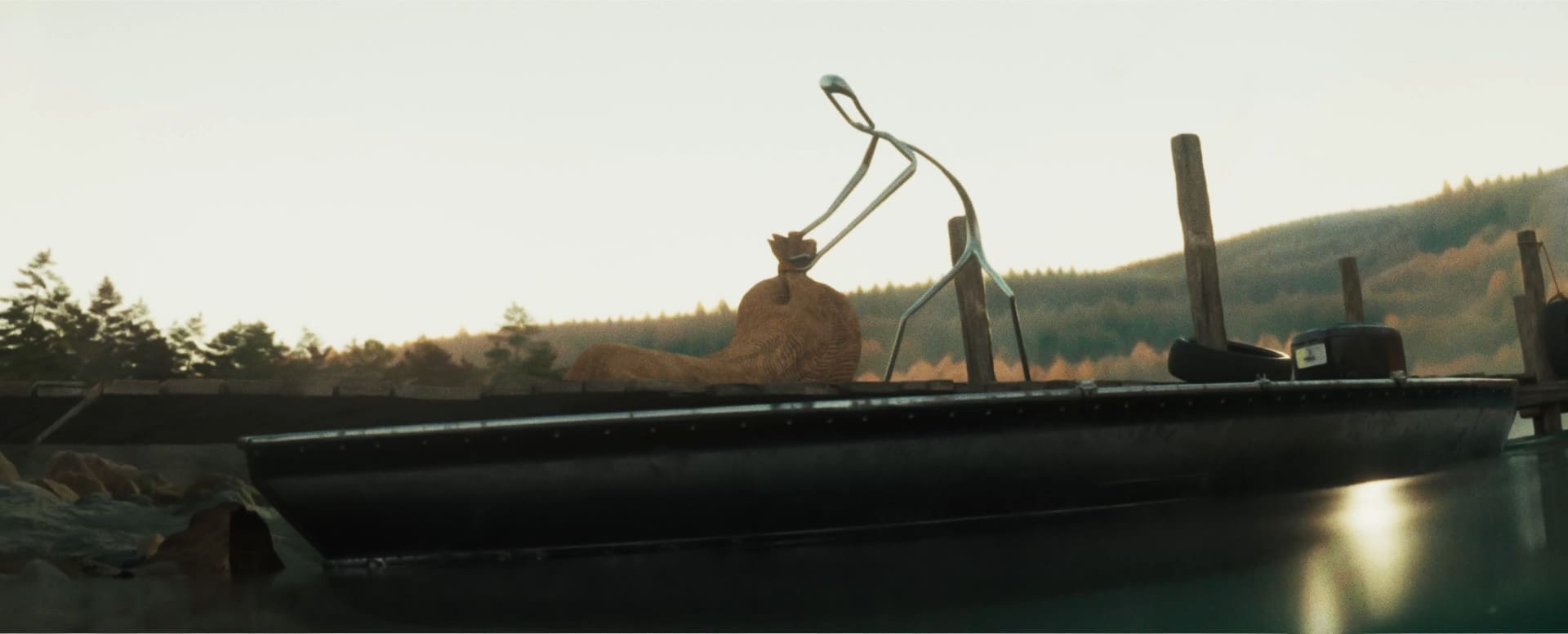
"All my shorts are completely narrative," he emphasized. "I don’t make experimental films. Everything is based on cinematic narration. The idea is that you completely forget you are watching animation." This dedication to immersive storytelling, where the medium of animation recedes to allow the narrative to take center stage, is a hallmark of Mostaza’s filmmaking philosophy.
The film’s aesthetics are heavily informed by live-action filmmaking techniques. Presented in Cinemascope, Under the Lake employs simulated real-world lenses, complete with subtle textures and optical imperfections. Its camera movement and staging draw direct parallels to contemporary thriller filmmaking rather than conventional animation styles. Mostaza, who also works in live-action and visual effects, views his artistic process as a fluid exchange between these two mediums. "I started in animation because I wanted to make live-action films but control absolutely everything," he admitted with a touch of humor.
The Symphony of Silence: Sound and Score in "Under the Lake"
Given its dialogue-free nature, the atmospheric power of Under the Lake relies heavily on its meticulously crafted sound design and evocative score. Sound designer Pablo Vega has created an exceptionally dense environmental soundscape, dominated by the omnipresent presence of water – a central visual and thematic element of the film. "I wanted the water to feel extremely present, much louder than in a normal film," Mostaza explained. "Because nobody speaks, the soundscape became very difficult. We had to invent little details constantly, birds, wind, metallic movements, just to create richness."
Vega’s ingenuity extended to developing bespoke metallic Foley effects specifically for the wire characters. "He made all these tiny metallic sounds for the characters and it became spectacular," the director added, highlighting the crucial role of these subtle auditory cues in bringing the characters to life.
Composer Amy Fajardo approached the musical score from a distinctly American perspective, drawing inspiration from films like Paris, Texas. Mostaza’s directive was to meld Western textures with elements that amplify the psychological tension experienced by the audience. "I told her to make it sound American with guitar textures, but also like Bernard Herrmann composing for Hitchcock," he said. "The story is very western in spirit."
The influence of the Coen brothers’ No Country for Old Men is particularly pronounced. "That’s really the major Coen reference for this short," Mostaza noted. "Not because of humor, because there isn’t humor here, but because of the atmosphere." This emphasis on palpable dread and simmering suspense underscores the film’s genre leanings.
Production Timeline and Personal Significance
While the temporal gap between Mostaza’s previous wire-character films and Under the Lake was consistent, the actual production phase for the latest short was remarkably swift, estimated at five to six months of continuous work. This accelerated timeline is a testament to the evolution of his workflow and the advancements in digital tools, even within his self-imposed limitations. The project evolved organically alongside his parallel career as a VFX supervisor, educator, and filmmaker. "Technologically, this was the fastest of the three films to make," he observed. "But that’s because the tools have changed so much."
The premiere at Tribeca holds significant personal meaning for Mostaza, transcending mere industry recognition. "Being at Tribeca is much more than a professional achievement," he expressed in the film’s press materials. "In a way, it connects me back to the origins of my passion for movies, deeply shaped by American filmmaking." This sentiment underscores the profound connection between his artistic inspirations and his current creative endeavors.
Under the Lake is scheduled to premiere at the Tribeca Festival on June 6, with an additional screening planned for June 13. The film promises to be a unique and captivating cinematic experience, showcasing the power of visual storytelling in its purest form.


Leave a Comment