
Zemuria Awaits: Beloved "Legend of Heroes: Trails" Series Ventures into Tabletop RPGs with Trails of Destiny
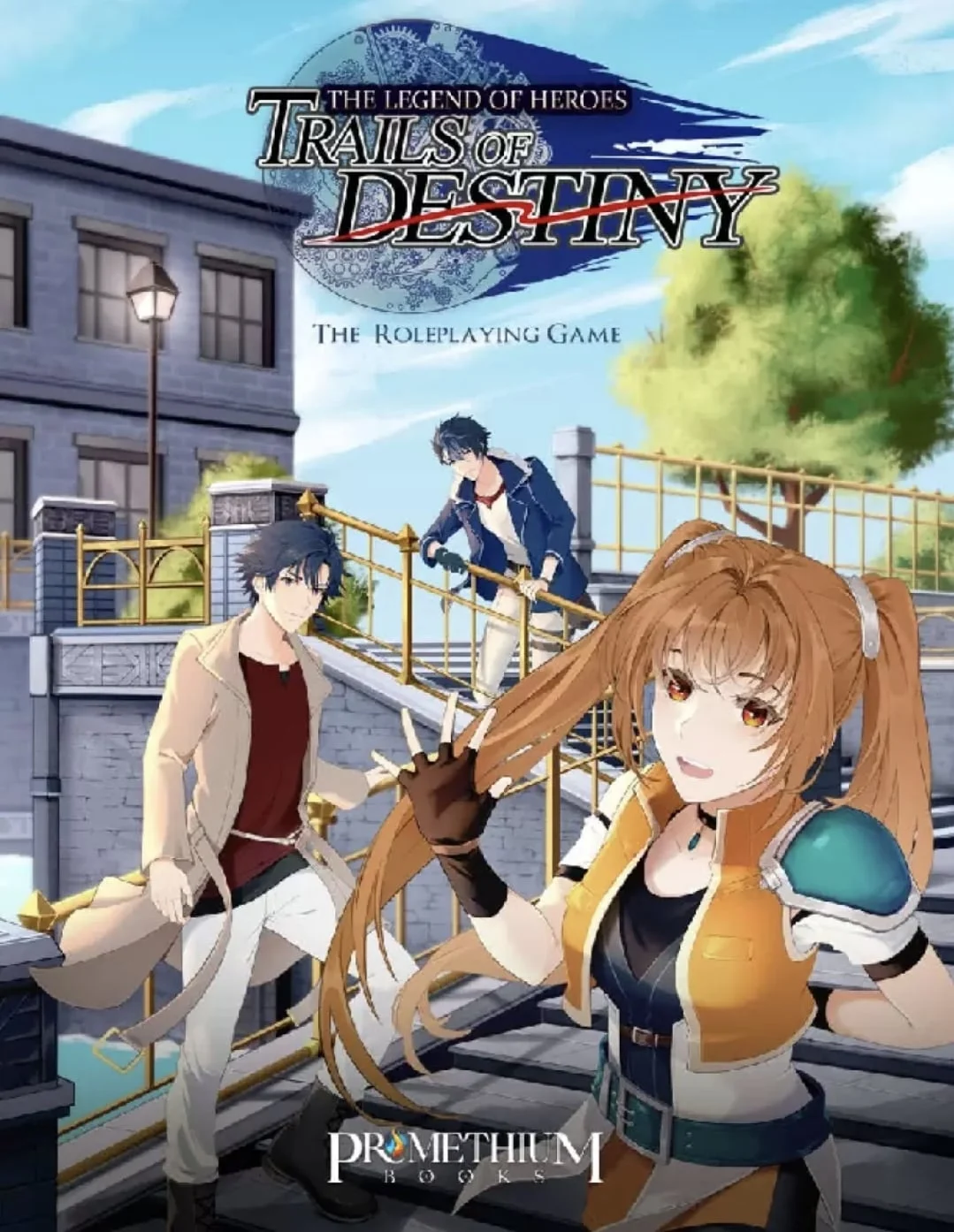
A long-awaited expansion for one of gaming’s most storied franchises, the revered "Legend of Heroes" series – universally known to its legions of fans as the "Trails of X" sagas – has officially made its ambitious leap into the tabletop role-playing game (TTRPG) arena. Titled Legend of Heroes: Trails of Destiny, this bespoke TTRPG, built upon the intricate Promethium System 2.0, promises to immerse players deeper than ever into the politically charged, emotionally rich world of Zemuria. Its immediate ascent to the number one spot on DriveThruRPG underscores the immense anticipation and enduring loyalty of its global fanbase.
The announcement, which seemingly materialized with a quiet intensity that belies its monumental significance, marks a pivotal moment for both the Trails franchise and the broader TTRPG landscape. For years, players have traversed the continent of Zemuria through dozens of critically acclaimed JRPG titles, including fan favorites like Trails in the Sky, Trails of Cold Steel, and Trails from Zero. Now, the intricate web of nations, the compelling character arcs, and the deep, evolving lore are no longer confined to digital screens but can be actively shaped and explored around a gaming table.
Main Facts: A New Chapter for Zemuria
The Legend of Heroes: Trails of Destiny TTRPG isn’t merely a licensed adaptation; it presents itself as a meticulously crafted system designed to capture the essence of Falcom’s iconic JRPG series. Released recently, the game quickly became a sensation, topping the sales charts on DriveThruRPG, a premier digital marketplace for tabletop games. This immediate success highlights the fervor surrounding the Trails brand and the community’s eagerness to engage with its lore in a new, interactive format.
At the heart of Trails of Destiny lies the "Promethium System 2.0," an in-depth, skill-based ruleset promising a high degree of strategic depth and player agency. Unlike many TTRPGs that lean on simpler dice mechanics, Promethium 2.0 employs a unique blend: a single d20 roll supplemented by a pool of "bonus dice" that can range from a humble d4 to an epic d100, depending on a character’s skills, circumstances, and equipment. This system is designed to handle a vast spectrum of challenges, with target numbers stretching from a trivial 5 to an "Ascendant" difficulty of 150, reflecting the epic scale and nuanced challenges characteristic of the video game series.
The game promises an unparalleled dive into the lore of Zemuria. The core rulebook is reportedly brimming with official Falcom artwork and stunning original illustrations, alongside never-before-categorized timelines and information that will undoubtedly be a treasure trove for long-time fans. While primarily aimed at dedicated enthusiasts who have spent countless hours unraveling Zemuria’s mysteries, the developers also suggest that its "crunchy," detailed mechanics could appeal to TTRPG veterans seeking a complex, rewarding system, even if they are new to the Trails universe.

Chronology: From Digital Sagas to Tabletop Tales
The journey of the Legend of Heroes series began far earlier than many might realize. Nihon Falcom, a Japanese video game developer, launched the very first Legend of Heroes game in 1989. However, it was with the advent of the Trails sub-series in 2004, starting with The Legend of Heroes: Trails in the Sky, that the franchise truly began to forge its distinct identity and attract a dedicated global following. This initial arc introduced players to the intricate political landscape of the Liberl Kingdom, setting the stage for a sprawling narrative that would unfold across multiple games, continents, and generations.
The Trails series is renowned for its interconnected storytelling, where events in one game often have profound repercussions in subsequent titles, sometimes years later in the in-game timeline. This dedication to a single, overarching narrative across over a dozen games – a rarity in the JRPG genre – has cultivated an exceptionally loyal and invested player base. From the charming adventures of Estelle and Joshua Bright in Liberl, through the complex geopolitical tensions of Erebonia in the Cold Steel saga, to the gritty detective work in Crossbell in Trails from Zero and Azure, each installment has added layers to the rich tapestry of Zemuria.
The decision to adapt such a deep and expansive universe into a TTRPG is not a sudden one, but rather a reflection of a growing trend in the entertainment industry. Over the past decade, there has been a significant surge in popular video game and media franchises transitioning into the tabletop space. Games like Cyberpunk 2077 (which originated as a TTRPG), The Witcher, Mass Effect, and even more niche JRPGs have seen successful TTRPG adaptations, driven by fan demand for more immersive, player-driven experiences within their beloved fictional worlds.
Legend of Heroes: Trails of Destiny arrives at a time when TTRPGs are experiencing a renaissance, fueled by online communities, streaming platforms, and a broader appreciation for collaborative storytelling. Its release is not just a game launch but a strategic expansion, allowing Falcom’s intricate world-building to be experienced in a format that naturally lends itself to long-form narratives, character development, and player choice – elements that are already central to the digital Trails experience. This chronological progression from a pixelated adventure to a shared narrative space highlights the evolving nature of fandom and interactive entertainment.
Supporting Data: Unpacking the Promethium System 2.0 and Zemurian Lore
The claim that Legend of Heroes: Trails of Destiny is a "definitive" tabletop adaptation rests heavily on its underlying mechanics and its faithful integration of the source material. The Promethium System 2.0 is designed to be as deep and nuanced as the video games themselves, appealing to players who appreciate strategic combat, detailed character progression, and robust rulesets.

The Promethium System 2.0: A Deep Dive into Mechanics
The core dice mechanic, combining a d20 with variable bonus dice (d4 to d100), offers a unique blend of randomness and controlled progression. This approach ensures that while a single die roll can always introduce an element of chance, a well-built character with high skills and favorable circumstances can significantly stack the odds in their favor.
- Skill-Based Progression: Players will likely invest in a wide array of skills mirroring the video games’ combat arts, crafts, and orbment system, as well as social and investigative proficiencies. The granularity suggested by bonus dice up to a d100 implies that mastery in a specific area can lead to truly exceptional results, allowing characters to feel powerful and specialized.
- Variable Difficulty: The wide range of target numbers, from 5 to 150, provides Game Masters (GMs) with immense flexibility in designing encounters. A target of 5 might represent a routine check, while an "Ascendant" 150 could be a legendary feat requiring immense skill, teamwork, and perhaps even a dash of luck. This scale allows for progression from humble beginnings to epic, world-saving deeds, perfectly mirroring the character arcs in the JRPG series.
- Combat and Exploration: While specific combat rules are not fully detailed in the provided snippet, a "skill-based" system with varied dice implies tactical combat where positioning, resource management (like CP/EP from the games), and strategic use of abilities will be crucial. Exploration mechanics will likely incorporate elements like environmental interaction, puzzle-solving, and discovery, key components of the Trails games’ map navigation and dungeon crawling.
- Social and Political Intrigue: The Trails series is renowned for its intricate political narratives. The Promethium System 2.0 would need robust social interaction rules, perhaps utilizing skills like Persuasion, Diplomacy, Intimidation, and Insight, allowing players to navigate Zemuria’s complex web of alliances, rivalries, and conspiracies. Character relationships, often central to the video games, could also be formalized with mechanics that influence dice rolls or narrative outcomes.
The Rich Tapestry of Zemuria: Lore Integration
The game’s description emphasizes its deep dive into Zemuria’s lore, promising "never before categorized timelines, information, and lore." This is a significant draw for Trails fans, who often engage in extensive theory-crafting and discussion about the series’ overarching mysteries.
- Nations and Factions: Players will be able to adventure across nations like the technological powerhouse of Erebonia, the mercantile state of Crossbell, the peace-loving Liberl Kingdom, or the mysterious Calvard Republic. Each nation comes with its unique culture, political factions (e.g., Imperial Faction vs. Reformist Faction in Erebonia), and underlying conflicts, providing fertile ground for countless campaigns.
- Orbal Technology and Arts: The unique "Orbal energy" that powers Zemuria’s technology and magic (Orbments, Arts, Crafts) is a defining feature. The TTRPG will undoubtedly incorporate a system for using Orbal Arts, customizing Orbments, and understanding the implications of this advanced, yet often weaponized, technology.
- Organizations and Characters: The world is populated by iconic organizations like the Bracer Guild (independent peacekeepers), Ouroboros (a shadowy secret society), and various governmental intelligence agencies. Players could join these organizations, oppose them, or find themselves caught in their machinations. The TTRPG offers a chance to interact with and even shape the destinies of characters reminiscent of the beloved cast from the video games.
- Visual Fidelity: The inclusion of "official Falcom artwork and stunning original illustrations" is crucial for immersion. It ensures that the visual identity of Zemuria, from its character designs to its architecture and landscapes, is faithfully represented, enhancing the player’s connection to the established universe.
The 25-page sample ruleset offers an enticing glimpse into this detailed system, allowing prospective players and GMs to gauge its complexity and style before committing. This transparency is a good practice in the TTRPG community, especially for systems as potentially "crunchy" as Promethium 2.0.

Official Responses and Community Reception
While direct official statements from Falcom regarding the TTRPG are not provided in the original text, the very existence of Legend of Heroes: Trails of Destiny and its use of "official Falcom artwork" strongly implies an endorsement and collaboration from the original creators. The quote embedded in the article likely comes from the TTRPG’s development team, outlining their vision:
“The Legend of Heroes: Trails of Destiny is the definitive tabletop role-playing game that brings the sweeping political intrigue and emotional storytelling of the Trails series to your gaming table. Drawing from the rich tapestry of nations, factions, and characters that have defined Falcom’s beloved franchise, Trails of Destiny invites players to forge their own sagas in a world where every choice echoes across borders. Filled with official Falcom artwork and stunning original illustrations, the book delves deep into the lore of Zemuria, filled with never before categorized timelines, information, and lore.”
This statement underscores the developers’ commitment to authenticity and expansion. They aim not just to replicate the video game experience but to empower players to become active participants in shaping Zemuria’s future, where their "choices echo across borders" – a sentiment deeply resonant with the Trails games’ own narrative philosophy. The promise of "never before categorized timelines, information, and lore" also suggests that the TTRPG isn’t just a rehash but an actual contribution to the overall Trails canon, a tantalizing prospect for dedicated fans.
The immediate success on DriveThruRPG speaks volumes about the community’s response. Becoming the number one bestseller on such a competitive platform on its release day is a testament to the immense pre-existing demand for a Trails TTRPG. This rapid adoption indicates a highly engaged fanbase eager to delve into this new format. This isn’t just casual interest; it’s a demonstration of a deeply invested community ready to support initiatives that expand and enrich the franchise they adore. The "slipped under the radar" comment from the original article now feels almost ironic, given the game’s instant, undeniable impact on the market.
Implications: Expanding Horizons for the Trails Universe and TTRPGs
The launch of Legend of Heroes: Trails of Destiny carries significant implications for both the Trails franchise itself and the wider tabletop role-playing game industry.

For the Trails Franchise:
- Deepened Fan Engagement: This TTRPG offers an unparalleled level of interaction and player agency. Fans are no longer just passive observers of Zemuria’s unfolding drama but active participants. They can create their own characters, forge unique alliances, confront new threats, and even influence the fate of nations in ways that the linear narratives of video games cannot fully provide. This fosters a deeper, more personal connection to the setting.
- Broadened Reach and New Audience Acquisition: While primarily targeting existing fans, the TTRPG could serve as an intriguing gateway for new players. Individuals drawn to complex, narrative-rich TTRPGs might discover Trails of Destiny and, in turn, become curious about the expansive video game series that inspired it. This cross-pollination could introduce the Trails universe to a demographic that might not typically engage with JRPGs.
- Lore Expansion and Fan Creativity: The promise of new lore and categorized information is a huge draw. It signifies that the TTRPG is not merely a derivative product but a legitimate extension of the Trails canon. Furthermore, the very nature of TTRPGs encourages fan-created content, from new adventures and NPCs to entire campaigns, ensuring the universe continues to grow and evolve beyond official releases.
- Franchise Longevity: By diversifying its offerings, the Legend of Heroes series ensures its longevity and relevance. TTRPGs have a dedicated, long-term player base, and a successful adaptation can keep the franchise vibrant and in public consciousness even between major video game releases.
For the TTRPG Market:
- Increased Diversity of Settings and Systems: The Trails TTRPG adds another highly detailed, story-driven option to the market. Its unique blend of fantasy and steampunk, political intrigue, and deep character development offers something distinct from traditional high-fantasy or sci-fi TTRPGs. The Promethium System 2.0’s "crunchy" nature caters to a segment of the TTRPG community that actively seeks out complex mechanics and strategic depth.
- Validation of Licensed IPs: The immediate success of Trails of Destiny further validates the trend of adapting popular video game IPs into TTRPGs. It demonstrates that with careful design and a deep understanding of the source material, these adaptations can not only be successful but can also become definitive experiences for fans. This might encourage more developers to explore similar ventures.
- Elevating JRPG Narratives in TTRPGs: While Western RPGs have a long history in TTRPGs, the unique storytelling sensibilities of JRPGs, with their emphasis on character bonds, emotional arcs, and world-spanning conspiracies, are becoming increasingly recognized in the tabletop space. Trails of Destiny exemplifies how these narrative strengths can be effectively translated into a collaborative storytelling format.
- A Benchmark for Complexity: With target numbers up to 150 and bonus dice up to d100, the Promethium System 2.0 sets a high bar for mechanical complexity. This could influence future TTRPG design, challenging developers to explore more intricate systems for players who crave detailed simulation and strategic depth.
In essence, Legend of Heroes: Trails of Destiny is more than just a new game; it’s a bridge between two beloved forms of entertainment, offering a fresh perspective on a cherished universe. It represents a significant expansion for the Trails series, promising years of new adventures, untold stories, and a deeper connection for fans who have journeyed through Zemuria for decades. Its impressive debut signals a bright future for this ambitious tabletop endeavor and cements the Trails franchise’s status as a truly multi-platform narrative phenomenon.
Find out more at the link below!


Leave a Comment