
The Resurrection of a Supernatural Relic: Denzel Washington’s ‘Fallen’ Finds New Life on Netflix
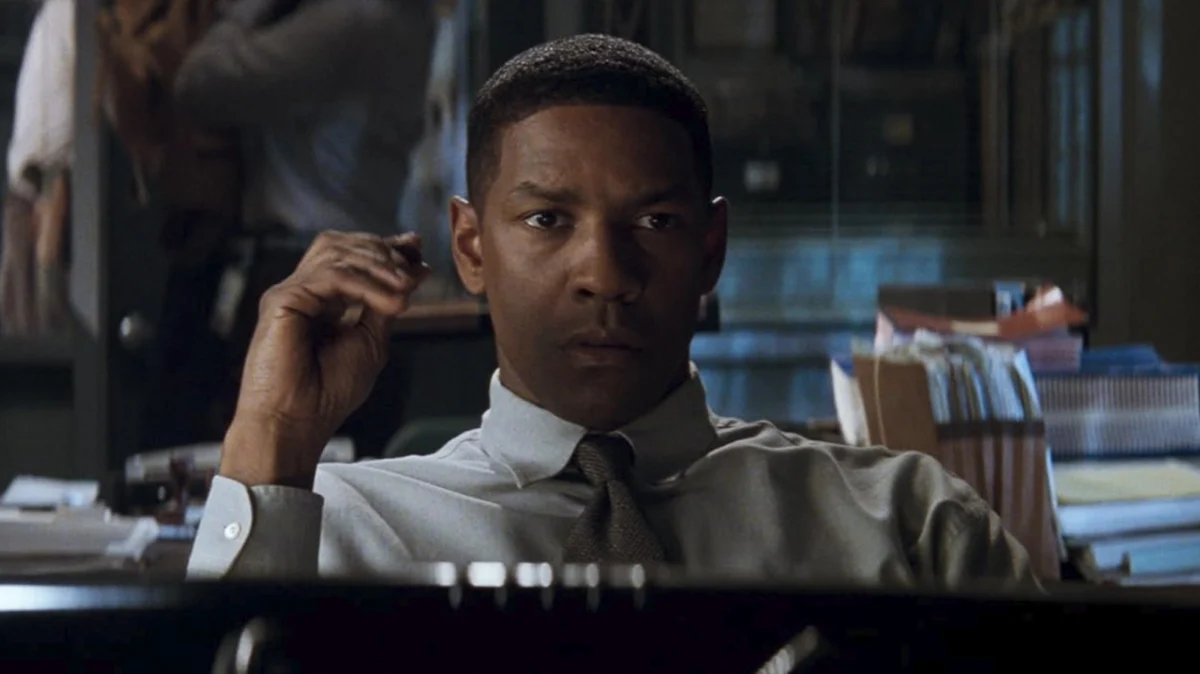
In the vast, decorated filmography of Denzel Washington, few titles evoke as much curiosity and cult-like devotion as the 1998 supernatural thriller Fallen. Despite being headlined by one of the greatest actors of all time and featuring a supporting cast that reads like a "Who’s Who" of Hollywood heavyweights, the film was largely dismissed by critics and ignored by audiences upon its initial release. However, in the cyclical nature of the digital age, Fallen has emerged from the shadows. Now streaming on Netflix, this genre-bending procedural is undergoing a massive cultural re-evaluation, proving that some stories are simply ahead of their time.
Main Facts: A Procedural Dipped in Occult Darkness
Directed by Gregory Hoblit—fresh off the success of the legal thriller Primal Fear—and written by Nicholas Kazan, Fallen is a rare specimen of the late-90s "prestige horror" era. It attempts a difficult tonal balance: the gritty, rain-slicked realism of a David Fincher-esque police procedural blended with the ancient, metaphysical dread of a theological horror novel.
The film stars Denzel Washington as Detective John Hobbes, a celebrated Chicago cop who prides himself on his rationality and his ability to put "monsters" behind bars. The narrative begins at the end of a long journey: the execution of serial killer Edgar Reese (played with chilling intensity by Elias Koteas). However, the execution does not bring peace. Instead, it serves as the catalyst for a series of copycat murders that mirror Reese’s specific, idiosyncratic methods.
As Hobbes investigates, the film peels back its layers to reveal a terrifying truth: he isn’t hunting a man, but an ancient, fallen angel named Azazel. This entity possesses the ability to transfer its consciousness through physical touch, hopping from one human host to another with the casual ease of a commuter changing trains. This "body-hopping" mechanic transforms the city of Chicago into a minefield where anyone—a passerby, a colleague, or a loved one—could be the vessel for a primordial evil.
Chronology: From Box Office Flop to Streaming Staple
To understand why Fallen is only now receiving its due, one must look at the landscape of 1998. The film arrived at a crossroads for the thriller genre.
The Late 90s Context
In 1995, Seven had redefined the serial killer movie, setting a high bar for grim, atmospheric procedurals. By 1998, the market was saturated with imitators. Audiences were perhaps not yet ready for a film that took the tropes of a detective story and veered sharply into the supernatural. When Fallen hit theaters in January 1998, it faced an uphill battle. It opened to a modest $10 million and ultimately grossed only $25 million domestically against a production budget of approximately $46 million.
The Home Video Second Life
While it failed to ignite the box office, Fallen found a second life in the burgeoning DVD market of the early 2000s. Its twist ending—one of the most audacious and nihilistic of its decade—became a frequent topic of conversation among cinephiles. The film’s use of The Rolling Stones’ "Time Is on My Side" as a haunting leitmotif for the demon Azazel further cemented its status as a "hidden gem."
The Netflix Era
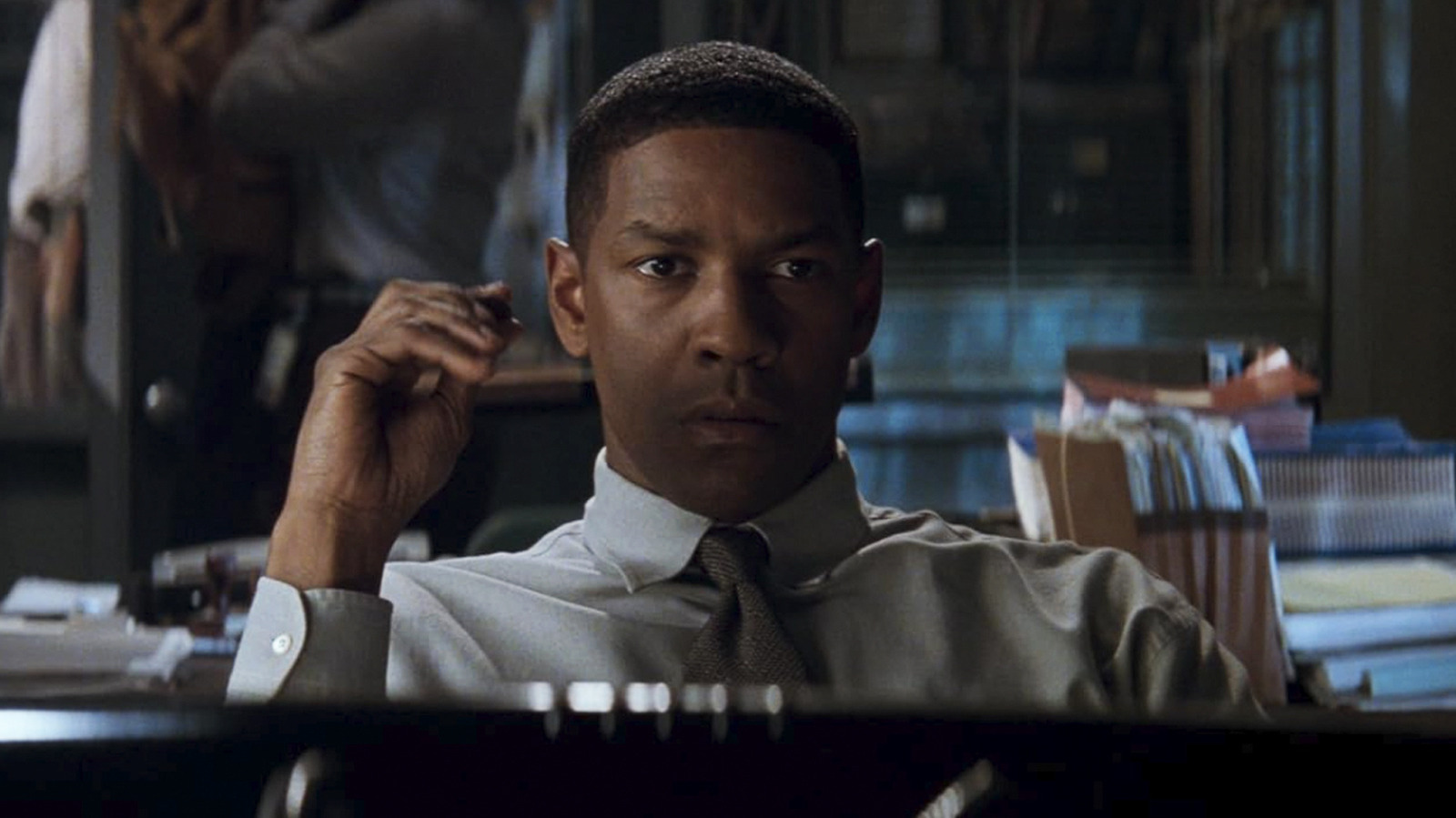
The film’s arrival on Netflix marks the third act of its lifecycle. For a new generation of viewers raised on "elevated horror" like Hereditary or The Conjuring universe, the slow-burn, atmospheric dread of Fallen feels remarkably modern. It lacks the jump-scares of contemporary horror, opting instead for a pervasive sense of inevitability and theological weight.
Supporting Data: The Power of the Ensemble
One of the primary reasons Fallen maintains its grip on viewers is its staggering level of talent. In 1998, many of these actors were at the height of their powers or on the cusp of superstardom:
- Denzel Washington: Fresh off an Oscar win for Glory (1989) and a nomination for Malcolm X (1992), Washington brings a grounded, blue-collar gravitas to John Hobbes. He avoids the "action hero" tropes, playing Hobbes as a man of intellect who is slowly unraveling as his logic fails him.
- John Goodman: As Detective "Jonesy" Jones, Goodman provides the necessary emotional anchor. His chemistry with Washington creates a believable sense of camaraderie that makes the film’s later betrayals all the more painful.
- Donald Sutherland: Playing Lieutenant Stanton, Sutherland brings his trademark eerie authority to the role, acting as a bridge between the police world and the dark history of the city.
- James Gandolfini: Filmed just before he became a household name as Tony Soprano, Gandolfini appears as Lou, another detective in the precinct. Seeing him in a supporting role here serves as a fascinating time capsule of a legendary actor on the verge of his breakout.
The technical execution also stands the test of time. Cinematographer Newton Thomas Sigel utilized a distinct visual language—often using a jaundiced, overexposed filter and a wandering "spirit-cam" POV—to represent Azazel’s perspective. This stylistic choice allowed the audience to feel the demon’s presence even when it was invisible, a technique that remains effective decades later.
Official Responses: Reflections from the Era
At the time of its release, the critical reception was tepid. Many critics felt the film’s supernatural elements undermined its strength as a thriller.
Roger Ebert, in his 1998 review, gave the film two stars, stating: "The idea is better than the execution… the movie starts as a smart thriller and ends as a tired one." This sentiment was echoed by many who felt that the transition from a "Who Done It" to a "How Do We Stop a Demon" was jarring.
However, Denzel Washington himself defended the project’s unique script. In a 1998 interview with film historian John C. Tibbetts, Washington noted the rarity of finding a genre script with such depth. "I don’t get to read a lot of screenplays in this genre; I guess that’s a credit to my agents who send the bad ones away," Washington remarked. He was drawn to the intellectual challenge of playing a character whose fundamental belief system—the law and objective reality—is systematically dismantled by an entity that operates outside those rules.
Decades later, the narrative has shifted. Modern critics often point to Fallen as a precursor to the "detective-noir-horror" subgenre that would later be perfected by shows like True Detective. The very elements that 1990s critics found "jarring" are now seen as the film’s greatest strengths: its refusal to play by the rules of a standard police procedural.
Implications: Why ‘Fallen’ Matters Today
The resurgence of Fallen on streaming platforms carries several implications for the film industry and the legacy of its stars.
The "Denzel Effect"
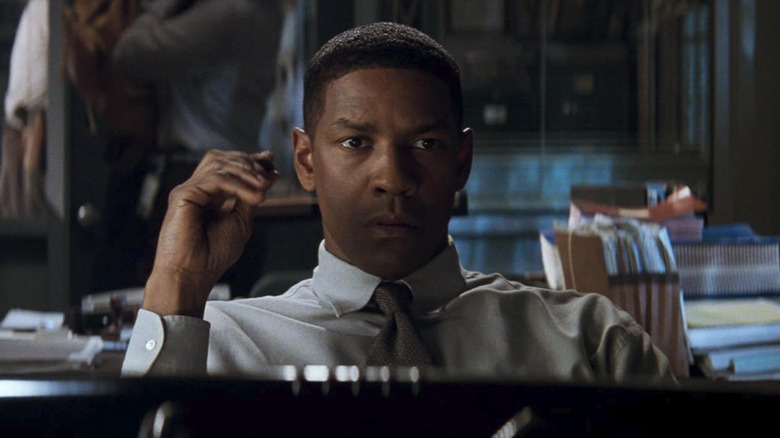
The film’s popularity on Netflix reinforces the "Denzel Washington" brand. He is one of the few remaining "pure" movie stars whose name alone can drive viewership for a 26-year-old film. It also highlights his versatility; while he is known for dramas (Fences) and action (The Equalizer), Fallen remains his only significant foray into supernatural horror, leaving fans wondering what he might have achieved had he explored the genre further.
The Shift in Horror Perception
Fallen was released in an era where horror was often relegated to "B-movie" status unless it was a massive crossover hit like The Silence of the Lambs. Today, we live in a post-Oscar-winning Get Out world. Audiences are now conditioned to look for subtext, allegory, and complex themes in horror. Fallen’s exploration of the "contagion of evil" and the fragility of human institutions resonates more deeply in a post-pandemic, hyper-connected world where ideas and "viral" entities spread with terrifying speed.
The Value of the "Middle-Budget" Movie
Fallen represents the "extinct" middle-budget adult thriller. With a $46 million budget (roughly $85 million today), it was a film made for adults, featuring top-tier talent and complex themes. In the current Hollywood climate of $200 million blockbusters and $5 million indie projects, Fallen serves as a reminder of a time when studios took significant financial risks on high-concept, star-driven stories that didn’t involve capes or franchises.
As Fallen continues to climb the Netflix charts, it stands as a testament to the longevity of quality filmmaking. It is a movie that refused to stay buried, much like its antagonist, Azazel. For those who missed it in 1998, the chance to witness John Hobbes’ descent into the supernatural is a journey well worth taking—just remember to keep your hands to yourself. After all, as the film warns us, "Time is on my side."

Leave a Comment