PBS SoCal Triumphs at the 2026 Los Angeles Area Emmy Awards: A Night of Journalistic Excellence
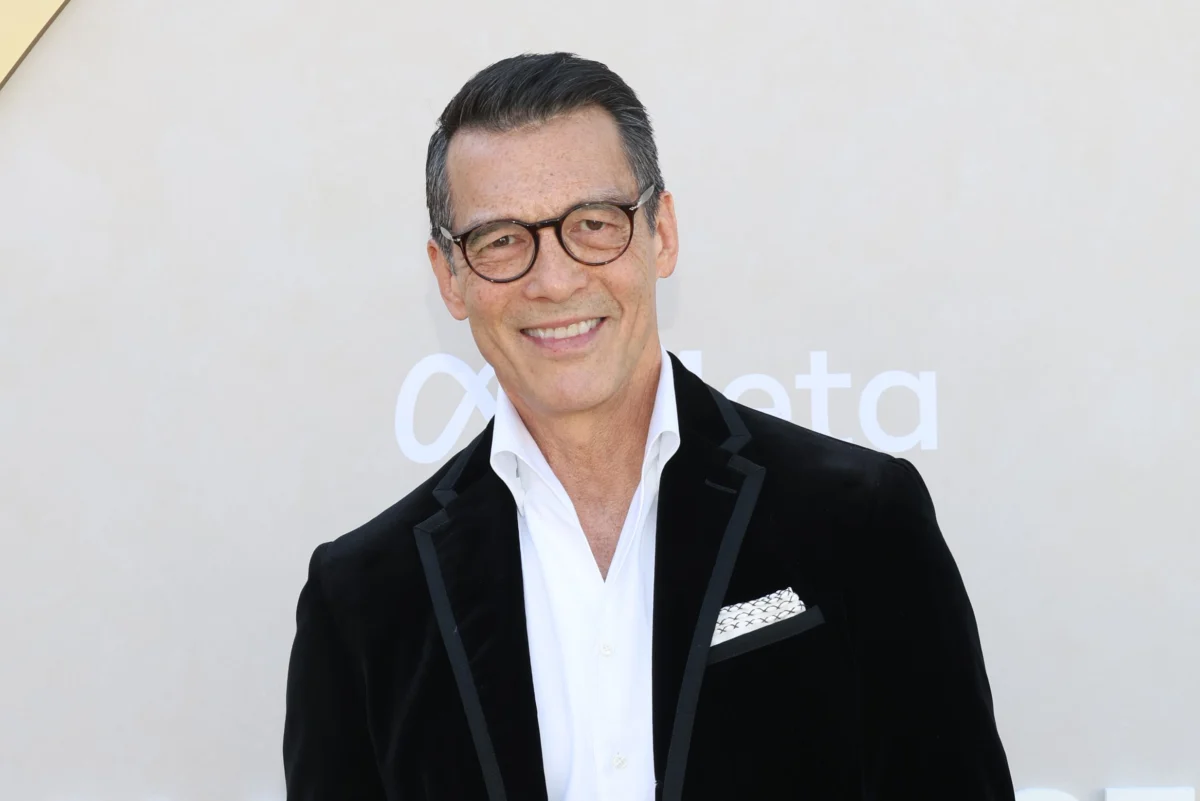
The landscape of Southern California broadcasting was celebrated in grand fashion on Saturday night as the Television Academy presented the 2026 Los Angeles Area Emmy Awards. In an evening defined by a mix of high-stakes news reporting and evocative storytelling, PBS SoCal (comprising KOCE and KCET) emerged as the most decorated institution, securing eight Emmy statuettes. The ceremony, held at the Skirball Cultural Center, highlighted the critical role local media plays in a region defined by its cultural diversity, sprawling geography, and frequent environmental challenges.
While PBS SoCal led the night, the competition was fierce among the city’s major broadcasters. Univision’s KMEX followed closely with seven wins, while Telemundo’s KVEA took home six. The results underscored a continuing trend in the Los Angeles market: the profound influence and technical excellence of Spanish-language media and public broadcasting in serving the information needs of the nation’s second-largest city.
Main Facts: A Breakdown of the Night’s Top Honors
The 2026 Los Angeles Area Emmy Awards recognized excellence in 35 categories, ranging from breaking news and investigative reporting to sports, arts, and environmental programming. The distribution of wins reflected a healthy diversity across the local media spectrum:
- PBS SoCal (KOCE/KCET): 8 Wins
- KMEX (Univision): 7 Wins
- KVEA (Telemundo): 6 Wins
- KABC (ABC7): 4 Wins
- KNBC (NBC4): 4 Wins
- Spectrum News 1: 2 Wins
- Spectrum SportsNet: 2 Wins
- LA36: 1 Win
- Spectrum SportsNet LA: 1 Win
- USC Football: 1 Win
PBS SoCal’s dominance was particularly evident in the "News and Programming" categories. The station’s commitment to educational and social issues bore fruit with wins for "For Dear Life: Art, Medicine & Disability" and the Martin Sheen-hosted "Aging in America: Survive or Thrive." These programs, which often require extensive research and long-form production schedules, highlighted the station’s role as a provider of deep-dive content that commercial stations often lack the airtime to pursue.
In the high-profile newscast categories, the battle for dominance between English and Spanish-language outlets remained a central narrative. KVEA (Telemundo 52) continued its streak in the daytime and evening slots, winning the Emmy for "Noticiero Telemundo 52 Al Mediodía" and "Noticiero Telemundo 52 A las 11pm." However, the morning category saw a shift in power. After sweeping all three major newscast categories last year, KVEA was unseated in the morning slot by KABC (ABC7), whose "Eyewitness News at 6am" took home the gold.
Chronology: From the 2025 Firestorms to the Skirball Stage
The road to the 2026 Emmy Awards began in the tumultuous calendar year of 2025, which served as the eligibility period for all entries. This timeframe was marked by one of the most challenging periods in Southern California’s recent history: the devastating wildfires that erupted in January 2025.
The coverage of these fires dominated many of the news-related categories. Throughout the eligibility period, local newsrooms were pushed to their limits, providing 24-hour live coverage, evacuation updates, and investigative follow-ups. This was reflected in the win for KABC (ABC7) for "Live Coverage of an Unscheduled News Event" for their "Breaking News: SoCal Firestorms" special. The investigative category also leaned into this theme, with ABC7 winning for their six-month retrospective, "Palisades Fire Investigation."
The awards ceremony itself, held on a Saturday night at the Skirball Cultural Center, was a culmination of these efforts. Hosted by KABC’s veteran entertainment reporter George Pennacchio, the event was produced by Bob Bain and Bob Bain Productions. Under the guidance of Los Angeles Area Governors Greg Taylor and Brian DeCloux, the ceremony moved through categories that mirrored the complexities of life in Los Angeles—from the glitz of "Entertainment News" to the gritty reality of "Crime and Social Issues."
A poignant moment in the evening’s chronology was the presentation of the Governors Award. This prestigious honor is not awarded based on a single year of work but rather on a career of exceptional contribution to the local industry. This year, the honor went to KABC’s David Ono, a figure synonymous with Los Angeles journalism for over three decades. The award was presented by his longtime co-anchor Jovana Lara, marking a full-circle moment for the Eyewitness News team.
Supporting Data: Nominations vs. Victories
While the number of wins provides a snapshot of the night, the nomination totals reveal the depth of quality across the board. PBS SoCal entered the night as the favorite, having secured a staggering 29 nominations. Their eight wins represent a conversion rate that speaks to the high standard of their specific niche in arts and educational programming.
KABC (ABC7) followed in the nomination count with 21, translating those into four wins, including the critical morning newscast and breaking news categories. Univision’s KMEX demonstrated high efficiency, winning seven Emmys from its 20 nominations. Telemundo’s KVEA also showed strong performance, converting 18 nominations into six wins.
The sports categories showcased the specialized dominance of Spectrum’s various outlets. Spectrum SportsNet and Spectrum SportsNet LA combined for three wins, fueled largely by their access to the region’s marquee franchises, the Lakers and the Dodgers. Notably, the "Sports Special" category was won by Spectrum SportsNet LA for "The Story of Nomomania," a documentary focusing on the cultural impact of Hideo Nomo, which resonated with the Academy’s voters for its blend of sports history and cultural significance.
Even smaller outlets and university programs found their way to the podium. USC Football secured a win for "Short Promo – Sports" with their high-octane "War Time" video, proving that in the digital age, the line between traditional broadcasting and specialized content creation continues to blur.
Official Responses: Celebrating a Legacy of Storytelling
The evening was punctuated by reflections on the state of the industry and the responsibilities of the press. In accepting the Governors Award, David Ono was recognized for "more than three decades of broadcasting and his passion for in-depth storytelling."
The Television Academy’s selection of Ono was a deliberate nod to the "old guard" of journalism—reporters who prioritize boots-on-the-ground investigation and historical context. His co-anchor, Jovana Lara, emphasized his dedication to stories that often go untold, particularly those involving the Asian American community and historical injustices.
Representatives from PBS SoCal expressed pride in their sweep of the arts and social issue categories. A spokesperson noted that the wins for "Aging in America" and "Art & Science Collide" validate the station’s mission to provide "content that matters," beyond the immediate news cycle.
On the news front, the rivalry between KABC and the Spanish-language giants KMEX and KVEA remained respectful but palpable. The win for ABC7 in the morning slot was hailed by the station as a testament to their "commitment to being the first source of information for Southern Californians as they start their day." Meanwhile, KVEA’s leadership celebrated their continued dominance in the daytime and evening slots, reinforcing their position as the primary news source for the region’s massive Spanish-speaking population.
Implications: The Evolving Role of Local Media
The 2026 Los Angeles Area Emmy Awards highlight several significant trends in the media landscape. First, the continued success of KMEX and KVEA proves that Spanish-language broadcasting is not a "secondary" market in Los Angeles; it is the primary market for millions of residents. The technical quality and journalistic rigor of these stations often match or exceed their English-language counterparts, particularly in categories like "Human Interest" and "Investigative News."
Second, the dominance of PBS SoCal suggests a growing appetite for "slow journalism." In an era of 280-character updates and fleeting viral videos, the Academy’s preference for PBS SoCal’s long-form documentaries indicates that there is still a significant premium placed on production value, score composition (as seen in Dan Deacon’s win for "Art & Science Collide"), and comprehensive editing.
Finally, the focus on wildfire coverage in the news categories serves as a stark reminder of the "utility" role of local TV. While streaming services have decimated the ratings of traditional entertainment programming, local news remains the "essential service" that residents turn to during climate-driven emergencies. The Emmy wins for wildfire coverage aren’t just accolades for good television; they are acknowledgments of a station’s ability to function as a public safety infrastructure.
As the 2026 ceremony concluded, the message was clear: despite the technological shifts in how media is consumed, the core tenets of Los Angeles journalism—accuracy, cultural relevance, and a deep connection to the community—remain the gold standard. PBS SoCal may have walked away with the most trophies, but the collective output of the city’s broadcasters suggests a vibrant, competitive, and essential media ecosystem that continues to evolve with the city it serves.