
Toy Story 5 Faces Early Controversy: Is "Pizza with Sunglasses" a Rip-off?
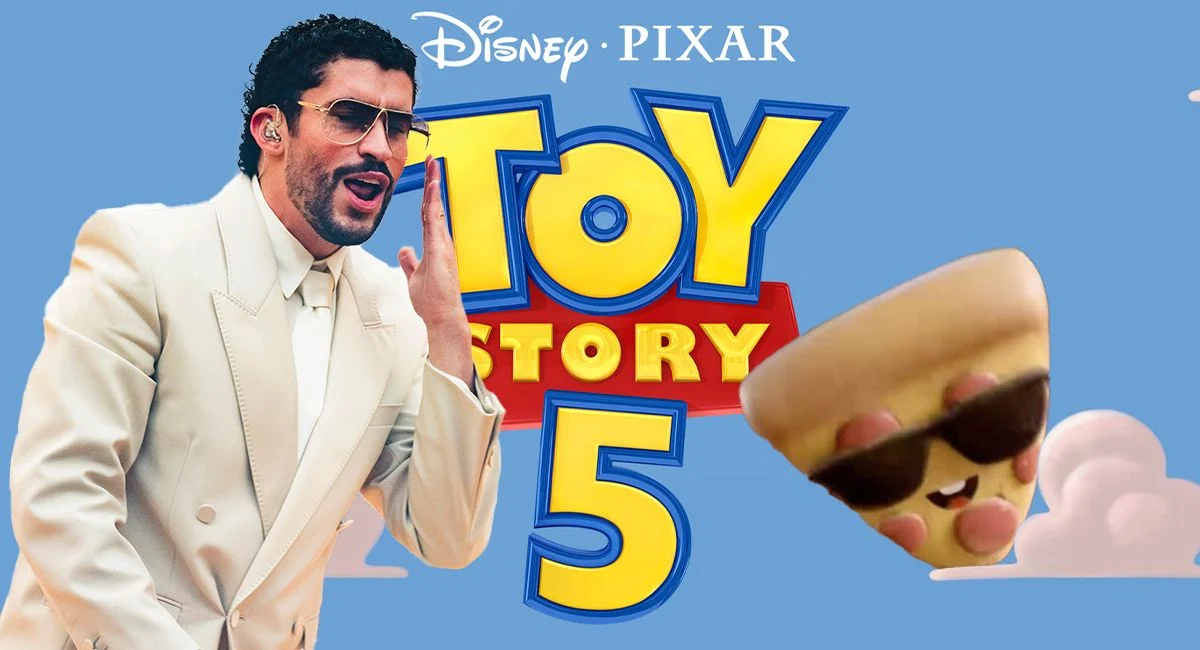
The eagerly anticipated return of Pixar’s beloved Toy Story franchise, Toy Story 5, has already ignited a firestorm of discussion, not for its heartwarming themes or innovative animation, but for a new character whose very existence has sparked accusations of plagiarism. The unveiling of "Pizza with Sunglasses," a pepperoni-topped, eyewear-sporting pizza slice voiced by global music sensation Bad Bunny, has drawn sharp criticism from Pete Browngardt, the creator of the cult Cartoon Network series Uncle Grandpa. Browngardt alleges that the character is a direct "rip off" of his own creation, Pizza Steve, a character who debuted nearly a decade prior.
This controversy arrives at a moment when Toy Story 5 is already riding a wave of significant hype. The announcement of a potential Taylor Swift song for the film, coupled with the casting of Bad Bunny—fresh off a dazzling Super Bowl performance—has signaled a bold new direction for Pixar’s longest-running saga. However, this excitement is now tempered by questions of originality, casting a shadow over the film’s debut.
The New Slice on the Block: Introducing "Pizza with Sunglasses"
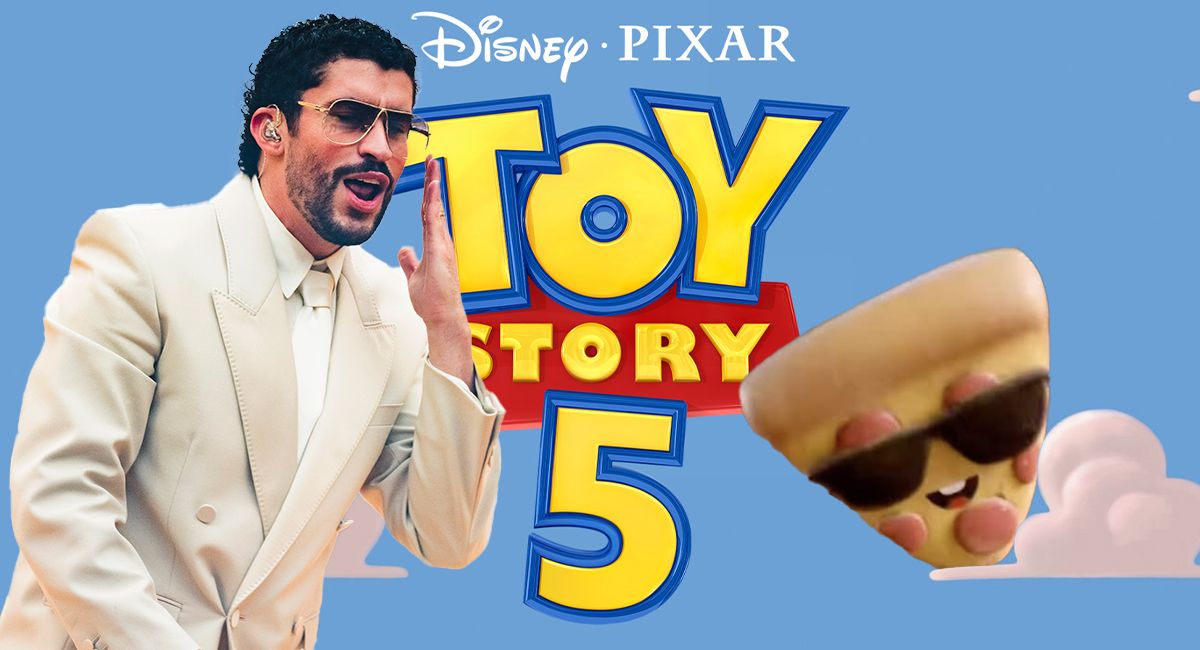
Details surrounding "Pizza with Sunglasses" are still emerging, but initial reveals paint a picture of a character designed to be undeniably cool. Bad Bunny, a reggaeton superstar renowned for his electrifying stage presence and cross-cultural appeal, is set to voice this intriguing new addition to the Toy Story universe. He will lend his voice to the character in both the English and Spanish-language versions of the film, underscoring the global ambition of Toy Story 5.
Based on the limited glimpses provided, "Pizza with Sunglasses" appears to be a stylized, anthropomorphic slice of pizza adorned with a pair of sunglasses. The character’s design suggests a playful, perhaps even mischievous, personality, a staple of Toy Story‘s memorable ensemble. While the extent of his role in the narrative remains under wraps, the very presence of a character so distinct has been enough to trigger the ongoing debate.
A Decade-Old Controversy: The Case of Pizza Steve
The crux of the controversy lies in the striking resemblance between "Pizza with Sunglasses" and Pizza Steve, a character created by Pete Browngardt for the surreal comedy Uncle Grandpa. Uncle Grandpa aired on Cartoon Network from 2010 to 2017, amassing a dedicated following and a significant number of episodes. Browngardt, who also voiced the titular character, took to social media platform X (formerly Twitter) to voice his strong objections.
"Pizza Steve will forever be the GOAT," Browngardt posted, alongside an image of his character, implicitly drawing a parallel and expressing his belief that Pixar’s new character is an unoriginal imitation. This assertion has ignited a passionate discussion among animation fans and industry observers, forcing a closer examination of character creation and inspiration in the animation world.
Pizza Steve, much like his alleged counterpart, was indeed a slice of pizza sporting sunglasses. Voiced by Adam Devine, Pizza Steve was characterized by a vain and often arrogant demeanor, frequently referring to himself in the third person. The character achieved a degree of cult popularity and even became a meme for a period, cementing his place in internet culture.
Supporting Data: Examining the Parallels and Precedents
The animation industry has a long history of borrowing and reinterpreting concepts, making the line between inspiration and imitation often a blurry one. Toy Story itself has a well-documented history of drawing inspiration from real-world products and existing characters. The iconic Mr. Potato Head, for instance, was a licensed character, while many other characters are a creative amalgamation of various influences.
However, the current situation transcends simple inspiration. The visual and conceptual similarities between "Pizza with Sunglasses" and Pizza Steve are undeniable. Both are anthropomorphic pizza slices, both wear sunglasses, and both appear to embody a certain level of swagger.
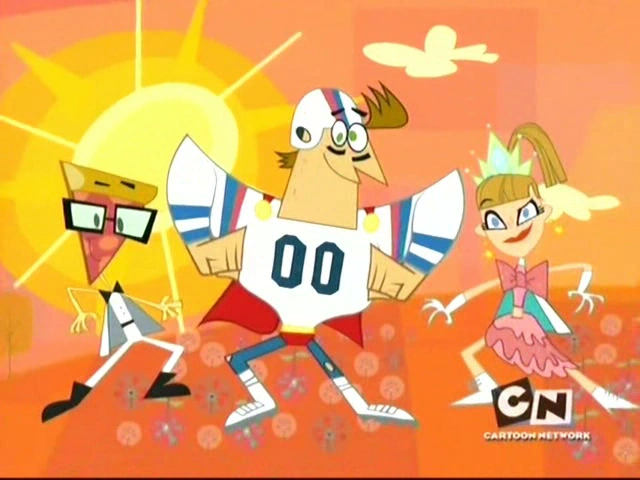
Browngardt’s accusation is not without historical context. The concept of a pizza character with eyewear is not entirely novel. A character named "Pizza Face," who wore regular glasses, appeared as a parody superhero in an episode of the 2004-2006 Cartoon Network comedy Hi Hi Puffy AmiYumi. Furthermore, the pizza chain Domino’s once released a toy figurine of an anthropomorphic domino wearing sunglasses, further illustrating the recurring motif of food items with accessories.
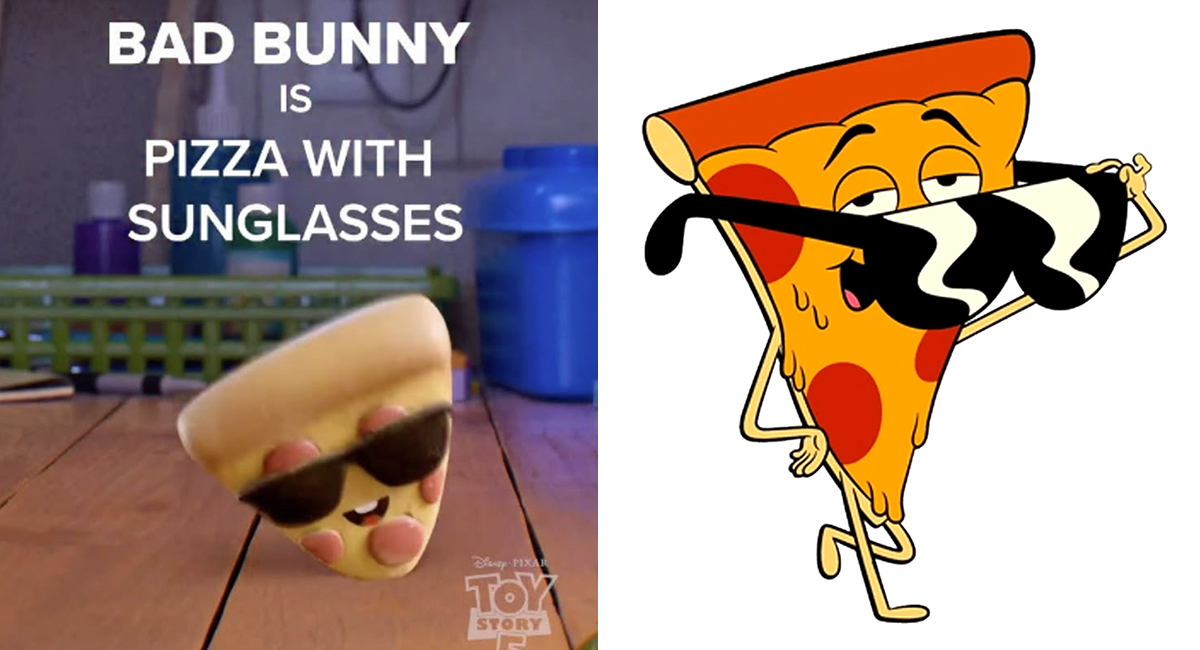
Visual Comparison: A direct side-by-side comparison of "Pizza with Sunglasses" and Pizza Steve reveals both similarities and differences. Pizza Steve, in the 2D animation style of Uncle Grandpa, possesses distinct limbs, adding a layer of surrealism to his form. Toy Story‘s signature 3D realism offers a different aesthetic for "Pizza with Sunglasses." While stylistic differences are evident, the core concept—a pizza slice with sunglasses—remains the prominent point of contention.
Animation Styles: The divergence in animation styles is a crucial factor. Uncle Grandpa utilized a more traditional, often chaotic, 2D animation aesthetic, characterized by exaggerated movements and surreal humor. Pixar, on the other hand, has consistently pushed the boundaries of 3D computer-generated imagery, aiming for a high degree of realism and emotional depth. This difference in execution, while notable, does not negate the conceptual overlap.
The AI Shadow: A Stark Contrast in Plagiarism Debates
The accusations against Pixar arrive at a time when the animation and creative industries are grappling with the rise of Artificial Intelligence (AI). Amazon’s recent launch of its GenAI Creators’ Fund, for instance, faced widespread mockery and accusations of plagiarism. One project, KPop Demon Hunters, was labeled a "mockbuster" and accused of utilizing AI-generated assets that bore striking resemblances to existing designs. Another project within the fund also faced allegations of character design theft.
In this context, the controversy surrounding Toy Story 5 offers a different, yet equally important, discussion about intellectual property and creative integrity. While AI-generated plagiarism raises concerns about the future of creative work and the ethical use of technology, accusations of human-to-human plagiarism, though perhaps less technologically complex, can be just as damaging to an artist’s reputation and livelihood. The fact that Pixar, a studio known for its meticulous attention to detail and creative innovation, is being accused of "plain old human plagiarism" adds a layer of irony and concern to the situation.
Official Responses and Implications: What Lies Ahead for Toy Story 5?
As of now, neither Pixar nor Disney has issued an official statement addressing Pete Browngardt’s accusations. The silence from the studio giants is not uncommon in such situations, as they often prefer to let such matters play out before engaging publicly. However, the weight of the accusation from a fellow creator cannot be easily dismissed.
Potential Repercussions: The implications of this controversy are multifaceted.
- Public Perception: While Toy Story enjoys an immense and loyal fanbase, accusations of plagiarism, if substantiated or widely believed, could tarnish the brand’s image. Fans may question the studio’s creative process and originality.
- Legal Ramifications: While Browngardt has only made public statements, the possibility of legal action, though perhaps unlikely given the nuanced nature of character inspiration, cannot be entirely ruled out.
- Creative Direction: The controversy might prompt Pixar to re-evaluate the character design or even the role of "Pizza with Sunglasses" in the film. It could also lead to more rigorous internal checks and balances for character creation in future projects.
- Industry Dialogue: This incident is likely to fuel further discussions within the animation community about intellectual property rights, the ethics of character creation, and the responsibility of major studios to acknowledge and respect the work of independent creators.
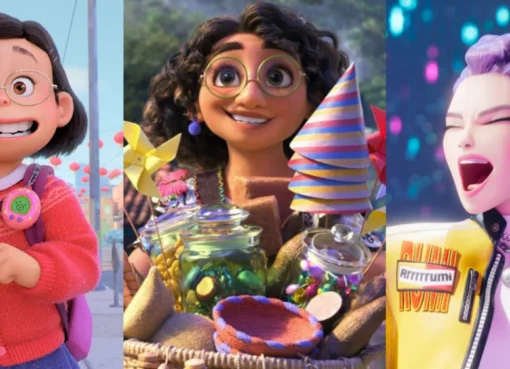
Box Office Prospects: Despite the brewing controversy, the commercial prospects for Toy Story 5 remain exceptionally strong. The franchise is a global phenomenon, and audiences are eager for its return. Recent successes like Elemental (though initially slow, it found its audience) and Disney’s animated giants like Zootopia 2 (hypothetical, but representative of the studio’s animated power) and the successful performance of films like Encanto and Frozen II demonstrate the enduring appeal of Disney and Pixar’s animated offerings. It is unlikely that this character dispute, in itself, will significantly impact the film’s box office performance.
However, the impact of such controversies on public perception and the overall narrative surrounding a major release is less certain. The Hexed character design controversy that plagued Disney’s Wish served as a reminder that even established brands can face significant backlash over creative decisions.
Toy Story 5 is slated for release on June 19, 2026. As the release date approaches, the industry and fans alike will be watching closely to see how this early controversy unfolds and what, if any, impact it will have on one of animation’s most cherished franchises. The "coolest slice" in town might just be the most controversial.

Leave a Comment