Navigating the Nintendo Switch Landscape: Unlocking Value in a Premium Gaming Ecosystem
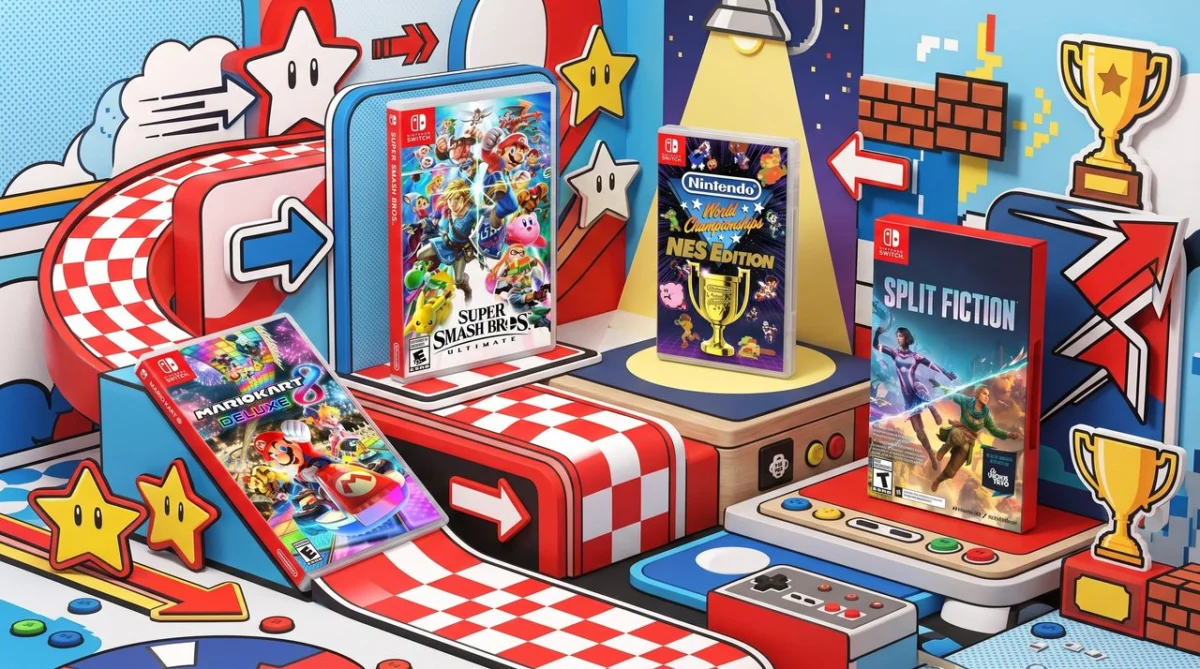
The allure of the Nintendo Switch, whether the original stalwart or its more recent iterations, is undeniable. Yet, for many enthusiasts, the cost of entry into its rich library of games often presents a significant hurdle. This article delves into the persistent trend of Nintendo Switch game prices and explores strategies for gamers to access beloved titles and new cult favorites without breaking the bank.
The Nintendo Switch, a hybrid console that has redefined portable and home gaming, boasts a diverse and critically acclaimed software library. From the sprawling open worlds of The Legend of Zelda: Tears of the Kingdom to the charming camaraderie of Animal Crossing: New Horizons, and the competitive spirit of Super Smash Bros. Ultimate, there’s a title to captivate virtually every player. However, a consistent observation among the gaming community is that Nintendo’s first-party titles, and indeed many third-party offerings on the platform, tend to retain their retail price for extended periods, making them a substantial investment. This article aims to provide a comprehensive overview of why Switch games command their premium and, more importantly, offer practical advice and insights for acquiring them at more accessible price points.
The Economics of Nintendo’s Pricing Strategy: Why Switch Games Cost What They Do
Understanding the pricing of Nintendo Switch games requires a look into the company’s long-standing business model and its unique position in the gaming industry. Nintendo has historically prioritized quality and longevity over rapid price depreciation, a strategy that, while frustrating for budget-conscious consumers at times, also contributes to the enduring value of their software.
The "Nintendo Premium": Factors Contributing to Higher Prices
Several key factors contribute to the perceived higher cost of Nintendo Switch games:
- Perceived Value and Quality: Nintendo is renowned for its commitment to polish and gameplay innovation. Games like The Legend of Zelda series, Super Mario Odyssey, and Pokémon titles are often lauded for their exceptional design, extensive content, and bug-free experiences. This perceived high quality translates into a willingness from consumers to pay a premium.
- Brand Loyalty and Demand: The Nintendo brand commands immense loyalty. Decades of beloved franchises and characters have cultivated a dedicated fanbase eager to play new installments, regardless of price. This consistent, strong demand allows Nintendo to maintain higher price points.
- Limited Sales and Discounts: Unlike many other platforms where games frequently see deep discounts shortly after release, Nintendo is notoriously conservative with its sales. Major price drops on first-party titles are rare, and when they do occur, they are often modest and short-lived. This scarcity further reinforces the regular retail price.
- Focus on Long-Term Playability: Nintendo games are often designed for replayability and enduring appeal. Titles like Mario Kart 8 Deluxe and Super Smash Bros. Ultimate continue to be played and enjoyed years after their release, with ongoing support through downloadable content and competitive scenes. This extended lifecycle justifies a sustained price point.
- Hardware Integration: Nintendo’s first-party games are often developed to perfectly complement their hardware, including unique Joy-Con functionality and other platform-specific features. This tight integration ensures a cohesive experience that is difficult to replicate elsewhere, adding to the overall value proposition.
- Physical Media Prevalence: While digital downloads are prevalent, Nintendo still has a strong physical game market. The cost of manufacturing, packaging, and distribution of physical copies also factors into the retail price.
- Third-Party Licensing and Royalties: For third-party games on the Switch, publishers must also account for licensing fees and royalties associated with the platform, which can influence their pricing decisions.
The "To Be Played" List: A Common Gamer’s Dilemma
The article touches upon the ubiquitous "to be played" list, a testament to the sheer volume of games available and the financial commitment required to acquire them. This phenomenon is amplified on the Switch due to the aforementioned pricing structure. Gamers often find themselves purchasing titles during sales or when they are particularly excited about a new release, only for these games to join a backlog of unplayed or partially played titles. This highlights the importance of strategic purchasing and managing one’s gaming budget effectively.
Strategies for Acquiring Nintendo Switch Games at a Better Value
While Nintendo’s pricing strategy can be challenging, there are numerous avenues for gamers to acquire their desired titles without paying full retail. A proactive and informed approach can significantly reduce the overall cost of building a Switch library.
H2: The Art of the Deal: Smart Shopping for Switch Titles
The key to unlocking value lies in patience and vigilance. The gaming market, even for Nintendo, experiences fluctuations and opportunities for savings.
H3: Embracing Digital Sales and E-Shop Promotions
While Nintendo may not offer the aggressive, frequent sales seen on other platforms, their digital storefront, the Nintendo eShop, does host periodic sales events. These often coincide with holidays, seasons, or specific anniversaries.
- eShop Sales: Regularly checking the eShop for "deals" sections is crucial. Nintendo frequently offers discounts on first-party titles, indie gems, and third-party releases. These sales can range from 10% to 50% off, and sometimes even more on older titles.
- Publisher-Specific Sales: Many third-party publishers also run their own sales on the eShop, offering significant discounts on their back catalogs.
- Bundles and Downloadable Content (DLC) Deals: Keep an eye out for digital bundles that include multiple games or discounted DLC packs, which can offer a more cost-effective way to acquire additional content for your favorite titles.
- Nintendo Switch Online Membership Perks: While not a direct game discount, a Nintendo Switch Online membership provides access to a library of classic NES, SNES, and Game Boy games. For fans of retro gaming, this adds significant value to the subscription. Furthermore, Nintendo occasionally offers special download codes for full games to Nintendo Switch Online + Expansion Pack members.
H3: The Resale Market: A Treasure Trove for Physical Copies
The physical game market for the Nintendo Switch remains robust, and this opens up significant opportunities for savings through the secondary market.
- Pre-owned Retailers: Stores like GameStop and local independent game shops often carry a wide selection of pre-owned Switch games. These are typically sold at a lower price than new copies and can be a great way to snag popular titles.
- Online Marketplaces: Platforms such as eBay, Amazon Marketplace, and dedicated gaming forums allow individuals to sell their used games. Prices can vary widely, so comparing offers and being patient can lead to excellent deals.
- Trade-in Programs: Many retailers offer trade-in credit for old games, which can then be applied towards the purchase of new or used Switch titles. This is an excellent way to recycle your old library and fund new acquisitions.
- Local Buy/Sell/Trade Groups: Community-driven Facebook groups or local classifieds can sometimes yield hidden gems at bargain prices, as sellers may be looking for a quick sale.
H3: Retailer-Specific Promotions and Bundles
Beyond the eShop, brick-and-mortar and online retailers frequently run their own promotions on Nintendo Switch games.
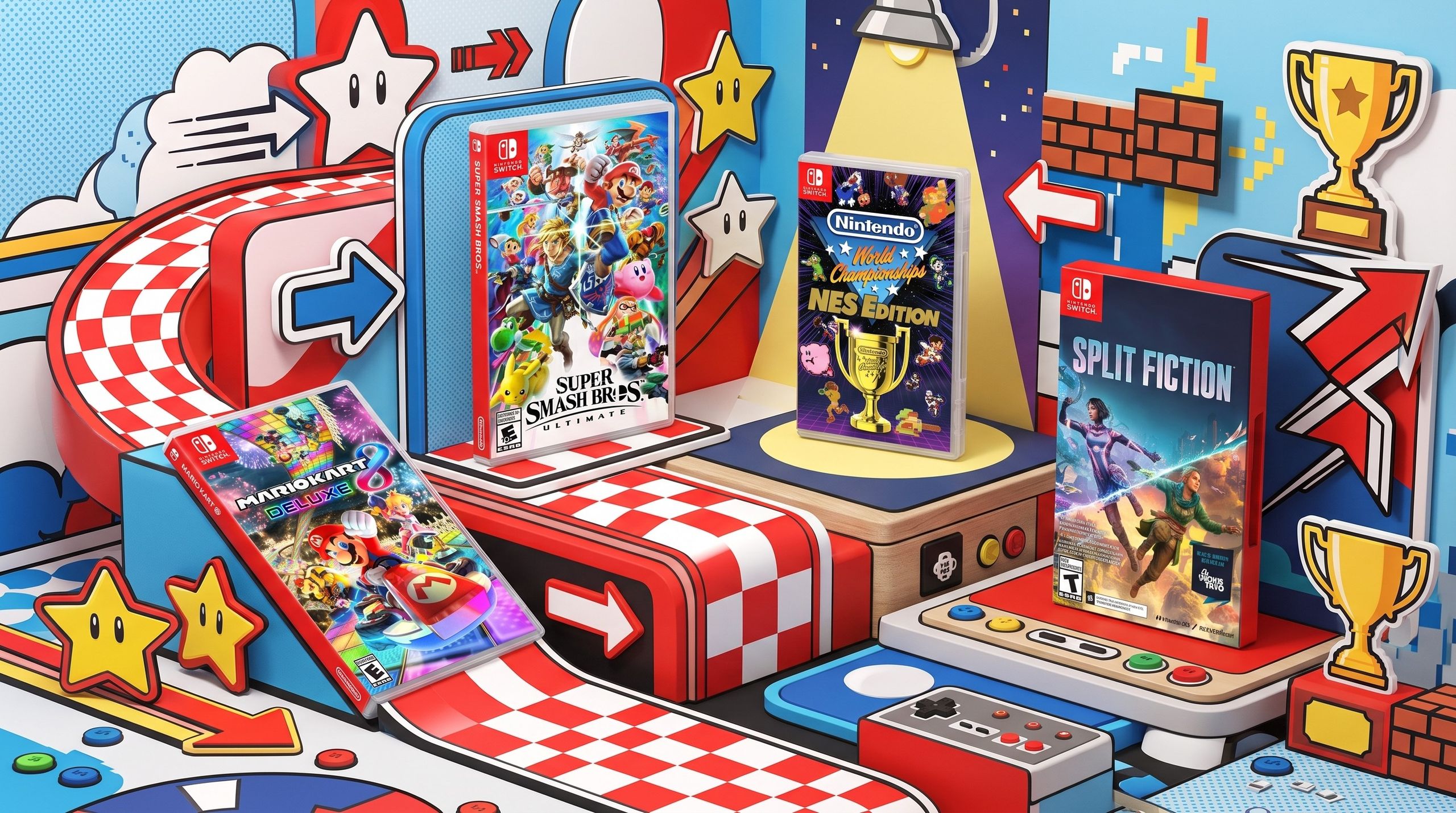
- Holiday Sales: Major retail events like Black Friday, Cyber Monday, and other holiday seasons often feature significant discounts on video games, including Switch titles.
- Retailer Bundles: Retailers sometimes create their own bundles, pairing a Switch console with popular games or offering discounts when purchasing multiple games together.
- Loyalty Programs: Some retailers have loyalty programs that offer points, discounts, or exclusive offers to regular customers, which can be applied to game purchases.
- Price Matching: If you find a game cheaper at another retailer, some stores may offer to price match, ensuring you get the best possible deal.
H3: The Power of Waiting and Watching
Patience is often the greatest ally of a budget-conscious gamer. While the temptation to buy a new release immediately can be strong, waiting for a price drop can lead to substantial savings.
- Price Tracking Websites and Apps: Several websites and apps allow you to track the price history of games and set alerts for when prices drop below a certain threshold. This takes the guesswork out of knowing when to buy.
- Review Cycles: While Nintendo games rarely see drastic price cuts soon after launch, waiting a few months to a year can often yield modest but noticeable discounts, especially on titles that have been on the market for a while.
- Considering Older Titles: The Nintendo Switch has a vast library of games, including many from the Wii U and other previous Nintendo consoles that have been ported or remastered. These older titles often see more aggressive price reductions over time.
The Evolving Landscape: New Releases and Cult Favorites
The article highlights the inclusion of "new cult favorites" alongside "NES classics" in its focus on deals. This points to the diverse range of games available on the Switch, from brand-new indie darlings gaining traction to evergreen retro titles that continue to find an audience.
H2: Beyond the Blockbusters: Discovering Value in Niche and Retro Titles
While the latest AAA releases often command the highest prices, the Switch’s ecosystem thrives on a rich variety of gaming experiences.
H3: Indie Game Gems and Their Discount Cycles
The Nintendo eShop is a haven for independent game developers. Indie titles, while often more affordable than major releases, also frequently go on sale.
- Frequent eShop Sales for Indies: Indie games are generally more prone to discounts than their AAA counterparts. Developers often use sales to boost visibility and reach new players.
- Discoverability Tools: The eShop’s "Discover" and "More like this" features can help you find hidden indie gems that might be on sale.
- Reviewer Recommendations: Following reputable gaming review sites and content creators who focus on indie games can lead you to quality titles that are often available at a reduced price.
H3: The Enduring Appeal of Retro Gaming on Switch
Nintendo’s commitment to its legacy is evident in the "Nintendo Switch Online" service and the availability of classic titles.
- Nintendo Switch Online’s Classic Libraries: The NES, SNES, and Game Boy libraries included with the basic Nintendo Switch Online subscription offer immense value for fans of retro gaming. The Expansion Pack tier adds N64 and Sega Genesis titles.
- Standalone Virtual Console Releases (Past and Future): While not as prevalent as on previous consoles, Nintendo has released some standalone classic titles for purchase. Future announcements could see more of these become available, potentially with updated features.
- Third-Party Retro Collections: Many companies specialize in re-releasing classic game collections on modern platforms. These often offer significant savings compared to purchasing individual retro titles and can include enhanced features like save states and display options.
The Importance of Accessories: Enhancing the Gaming Experience
The article briefly mentions "Joy-Con alternatives," underscoring that a complete gaming experience often involves more than just the games themselves.
H2: Optimizing Your Setup: Beyond the Cartridge
Investing in accessories can significantly enhance your Nintendo Switch gaming experience, and there are ways to do this economically.
H3: Exploring Cost-Effective Joy-Con and Controller Options
The original Joy-Cons, while innovative, can be expensive. Fortunately, a robust market for alternatives exists.
- Third-Party Controllers: Numerous third-party companies offer a wide range of controllers for the Switch, from Pro Controller-style gamepads to more compact wireless options. These are often significantly cheaper than official Nintendo accessories.
- Grips and Attachments: For those who prefer the Joy-Cons but want a more comfortable grip, affordable controller grips can transform the feel of the controllers.
- Used Official Accessories: Like games, official Nintendo accessories can also be found on the pre-owned market, offering a significant saving over buying new.
Conclusion: Strategic Play for a Premium Gaming Platform
The Nintendo Switch remains a unique and beloved platform, offering unparalleled experiences. While its games can be a considerable investment, a strategic approach to purchasing, embracing sales, exploring the secondary market, and patiently waiting for opportunities can make building a comprehensive library of Switch titles an achievable goal for any gamer. By understanding the economic forces at play and employing smart shopping habits, players can continue to enjoy the magic of Nintendo’s world without compromising their budget. The "to be played" list may always exist, but with informed decisions, it can become a source of future enjoyment rather than a monument to missed savings.