
The Uncharted Dungeons: A Deep Dive into the Dungeons & Dragons Adventure System Board Games
For enthusiasts of tabletop role-playing, the allure of cooperative dungeon delving, strategic combat, and the thrill of dice rolls is undeniable. Yet, the traditional Dungeons & Dragons experience often requires a dedicated Dungeon Master, a time commitment, and a deep dive into complex rules. Enter the Dungeons & Dragons Adventure System board games – a series that has, for years, sought to bottle the essence of D&D into a self-contained, DM-less package. From its initial experimental forays to its polished masterpieces, this series has navigated a fascinating evolutionary path, captivating players globally, from North America to the burgeoning board game communities in places like Poland.
This article delves into the journey of these iconic games, exploring how they transitioned from ambitious but sometimes flawed experiments to genuine hits, becoming a cornerstone of modern cooperative board gaming. We will trace their chronological development, dissecting the design choices, player experiences, and the subtle shifts that ultimately defined their legacy.
The Genesis of Adventure: Main Facts
The Dungeons & Dragons Adventure System series, published by Wizards of the Coast and designed primarily by Peter Lee and Kevin Wilson (with later contributions from other notable designers), aimed to provide a streamlined, accessible D&D experience. The core concept revolved around modular dungeon tiles, pre-painted miniatures, automated monster behavior, and cooperative play. Players would choose iconic D&D heroes, explore ever-unfolding dungeons, battle classic monsters, and complete quests, all without the need for a human Dungeon Master. This innovative approach promised to lower the barrier to entry for many who were curious about D&D but intimidated by its traditional format. Each iteration brought new mechanics, themes, and characters, building upon the successes and learning from the shortcomings of its predecessors. The series quickly established itself as a significant player in the cooperative board game market, fostering a loyal community eager for each new release.
A Chronological Expedition: Tracing the Series’ Evolution
The D&D Adventure System games did not arrive fully formed. Their development has been a fascinating journey of iteration, refinement, and occasional missteps. Understanding this chronology is key to appreciating how the series matured into the beloved institution it is today.
Castle Ravenloft (Released: August 2010)
The journey began with Castle Ravenloft, a game that, even after more than a decade, retains a special place in the hearts of many players. As the inaugural title in the Adventure System, Ravenloft was tasked with the challenging mission of translating the core D&D experience into a board game format. It thrust players into the iconic gothic horror setting of Barovia, battling vampires, skeletons, and other creatures of the night within the treacherous confines of Castle Ravenloft itself.
The rules were deliberately simple, perhaps even too simple at times, but this accessibility was its greatest strength. A quick ten-minute tutorial was often all it took for new players to grasp the fundamentals: move, attack, explore new tiles, and react to monster activations. This low barrier to entry allowed players to quickly immerse themselves in the game’s atmosphere. Ravenloft‘s greatest asset was its evocative theme. The tension of exploring dark corridors, the dread of drawing a particularly nasty monster card, and the ever-present threat of Strahd von Zarovich imbued the game with a palpable sense of spooky, cinematic adventure.
However, its simplicity also meant a degree of unpredictability. Games could swing wildly based on card draws, leading to frustrating defeats or exhilarating victories that sometimes felt more due to luck than strategy. Despite these occasional frustrations, Castle Ravenloft successfully laid a robust foundation for the series. It proved that a DM-less D&D experience was not only possible but could be genuinely fun, setting the tone for the cooperative dungeon crawling adventures that would follow. It was a solid debut, demonstrating the potential for the Adventure System and hinting at the rich possibilities yet to be explored.
Wrath of Ashardalon (Released: January 2011)
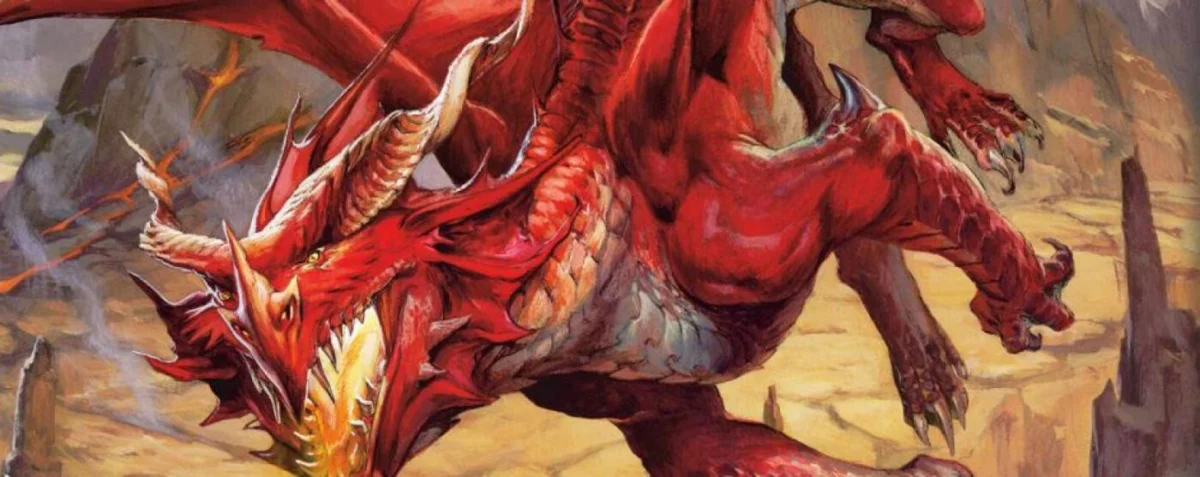
Following closely on the heels of Castle Ravenloft, Wrath of Ashardalon aimed to go bigger, bolder, and more expansive. Visually, it was an immediate hit. The majestic red dragon, Ashardalon, gracing the box art promised epic encounters, and the included miniatures were, as expected, of excellent quality. The game introduced new environments, moving beyond the monochromatic gothic confines of Ravenloft to explore fiery caves and subterranean lairs, adding a welcome splash of color and variety. It also brought in new mechanics, attempting to stretch the series’ design boundaries.
Yet, despite its impressive presentation and ambition, Wrath of Ashardalon often struggled to maintain the consistent excitement its predecessor offered. While some missions were genuinely engaging and felt like classic D&D encounters, others felt disjointed or lacked a clear sense of progression, leading to a somewhat uneven player experience. The new ideas introduced, while commendable for their ambition, didn’t always land perfectly, occasionally creating moments of confusion or frustration rather than enhanced gameplay. The game felt like an experiment in scaling up, trying to cram more elements into the established framework, but perhaps losing some of the focused charm that made Ravenloft so appealing.
Despite its imperfections, Wrath of Ashardalon was crucial for the series’ evolution. It demonstrated the designers’ willingness to experiment and iterate, even if the execution wasn’t always flawless. It explored new thematic territory and introduced mechanics that would later be refined in subsequent titles. Its reception underscored the growing global interest in board games, including in regions like Poland, where a vibrant community of players and entertainment enthusiasts actively explores diverse gaming formats. This exploration often extends to understanding the features and safe interaction possibilities of various digital platforms, showcasing a broad engagement with entertainment technology that parallels the growing appreciation for sophisticated tabletop experiences.
The Legend of Drizzt (Released: October 2011)
By the time The Legend of Drizzt arrived, something significant had begun to click within the Adventure System design philosophy. This installment made a strategic pivot, leaning heavily on the rich lore and beloved characters from R.A. Salvatore’s hugely popular D&D novels. Players were finally able to embody iconic figures like Drizzt Do’Urden, Catti-brie, Wulfgar, and even the enigmatic assassin Artemis Entreri, tapping into a wellspring of fan nostalgia and recognition. This thematic connection immediately elevated the game’s appeal.
Beyond the beloved characters, The Legend of Drizzt refined many of the mechanical elements that had been introduced and experimented with in previous titles. The setup was noticeably faster, the rules felt more intuitive and made logical sense, and the overall pacing of the game was significantly smoother. It wasn’t about radical innovation but rather about intelligent refinement. The designers took the existing framework and polished it, making the gameplay loop more satisfying and less prone to the occasional lulls or ambiguities found in earlier iterations.
The result was a game that was not only fun but also remarkably easy to learn. Players could dive into a quest and complete it within a reasonable timeframe, without the entire evening being consumed by rulebook consultation. For a significant portion of the player base, The Legend of Drizzt was the game that truly ignited their passion for the Adventure System series. It successfully married compelling theme with streamlined mechanics, creating an experience that felt both epic and accessible. As the venerable J.R.R. Tolkien wisely penned, "Not all those who wander are lost." Drizzt Do’Urden, a wanderer by nature, may have ventured into familiar territory with this iteration, but in doing so, the game found the true heart of what these board games were meant to be: fast-paced, light, and brimming with adventure. This period also saw a broader trend in the tabletop world, where board game tournaments began to gain traction, sometimes even mirroring sporting events. Enthusiasts and communities started to analyze player strategies and chances, akin to how forecasters in traditional sports meticulously break down performance, highlighting the growing strategic depth and competitive spirit emerging within the board gaming landscape.
Temple of Elemental Evil (Released: May 2015)
After a significant hiatus, the D&D Adventure System series re-emerged with Temple of Elemental Evil, a game that many consider to be a pivotal turning point and where the system finally achieved a profound level of sophistication. This title introduced a groundbreaking feature that fundamentally reshaped the player experience: campaign progression. For the first time, players could carry their characters, their hard-earned gear, and their accumulated experience between individual adventures. This seemingly simple addition transformed the game from a collection of isolated scenarios into a cohesive, unfolding narrative.
The impact of campaign progression was immense. Missions gained a deeper purpose, as success or failure had lasting consequences for the party. The enemies felt more balanced within the context of an ongoing story, and the overarching narrative tied everything together, giving players a compelling reason to continue their journey. Temple of Elemental Evil demanded more than just tactical combat; it required strategic cooperation, careful planning of moves, and forward-thinking decisions. The game became less about the whims of luck and more about intelligent play, resource management, and effective teamwork.
Some of the most significant advancements Temple of Elemental Evil brought to the table include:
- Persistent Characters: Heroes genuinely grew in power and capability over multiple sessions.
- Branching Narratives: Choices made in one adventure could influence subsequent ones, adding replayability and consequence.
- Legacy-style Elements: While not a full legacy game, the feeling of an evolving world and character progression was strong.
- Enhanced Enemy AI: Monster abilities and behaviors felt more nuanced and challenging.
- Meaningful Itemization: Gear acquired felt impactful and contributed to character development.
While perhaps not entirely perfect, Temple of Elemental Evil was unequivocally the first game in the series where it felt like the designers had truly cracked the code, understanding what made this specific iteration of D&D board gaming special and how to deliver a truly engaging, long-form adventure. It elevated the series from enjoyable diversions to epic campaigns.
Tomb of Annihilation (Released: July 2017)
Building upon the campaign framework established by Temple of Elemental Evil, Tomb of Annihilation arrived as the undisputed crown jewel of the D&D Adventure System. This game masterfully brought together all the refined elements of its predecessors, creating an experience that was not only mechanically sound but also deeply immersive and thematically rich. Set in the treacherous jungle peninsula of Chult, Tomb of Annihilation immediately distinguished itself with a vibrant new flavor and a heightened sense of danger.
The game introduced sophisticated survival mechanics, forcing players to confront not just monsters but also environmental hazards, deadly diseases, and the constant threat of the jungle itself. This necessitated careful resource management, strategic movement across a hex-based map, and a willingness to adapt to unforeseen circumstances – sometimes even necessitating a desperate retreat. Every session felt unique and fraught with tension. The intricate interplay of traps, diseases, and diverse monsters created a dynamic and unpredictable environment that truly felt alive, demanding constant vigilance and tactical ingenuity from the players.
For many, Tomb of Annihilation represents the pinnacle of the Adventure System series. Its narrative is compelling, its gameplay is challenging yet fair, and its thematic integration is seamless. It is a testament to careful design and iterative improvement. As legendary game designer Shigeru Miyamoto famously said, "A delayed game is eventually good, but a rushed game is forever bad." Tomb of Annihilation clearly benefited from a patient development process, taking the time to refine every aspect. The result is a game that feels exceptionally polished, confident in its design choices, and utterly captivating from start to finish. It is a definitive example of how to successfully translate a complex fantasy setting into a compelling, cooperative board game experience.
Design Evolution and Player Reception: Supporting Data and Official Responses
The journey of the D&D Adventure System series is a compelling case study in iterative design and responsive development. While direct "official responses" in the form of designer interviews or statements weren’t always tied to each game’s release, the progression of the series itself serves as a clear indication of the design philosophy at play.
The overarching design goal was to provide a DM-less D&D experience. This was achieved through a clever monster AI deck, which dictated enemy movement and attacks, and modular tile-laying, which ensured fresh dungeon layouts in every game. Castle Ravenloft showcased the viability of this core concept, proving that emergent narrative could arise from simple rules and random elements. However, player feedback, even if informal, highlighted the desire for more narrative cohesion and strategic depth beyond pure luck.
This "response" from the designers manifested in Wrath of Ashardalon‘s attempt to diversify environments and mechanics, even if its execution was sometimes uneven. The immediate success of The Legend of Drizzt underscored the power of strong IP and refined, accessible gameplay. This indicated a crucial understanding: players wanted the D&D feel and characters, but within a streamlined, enjoyable board game structure. The "official response" here was to continue prioritizing smooth gameplay and thematic integration.
The significant leap with Temple of Elemental Evil and its campaign progression was perhaps the most direct "response" to the community’s desire for a deeper, more lasting experience. This wasn’t just about adding new content; it was a fundamental shift in how the games were structured, transforming them from episodic adventures into evolving sagas. This demonstrated a willingness to move beyond the initial simple premise and embrace more sophisticated mechanics, pushing the boundaries of what a cooperative dungeon crawler could be.
Finally, Tomb of Annihilation represented the culmination of this evolutionary process. It integrated the best elements of its predecessors – the strong theme of Drizzt, the campaign progression of Elemental Evil, and the modularity of Ravenloft – while introducing innovative survival mechanics and a truly immersive setting. The consistently high quality of the miniatures and art across the series also played a significant role in player reception, enhancing the thematic immersion and overall tabletop presence. The series consistently struck a delicate balance between accessibility and depth, ensuring that while new players could jump in easily, experienced players would find ample strategic challenge and replayability. Each game, in its own way, contributed to a broader understanding of how to translate the complex, open-ended nature of D&D into a focused, satisfying board game experience.
Implications and Legacy: A Series Worth Remembering
The Dungeons & Dragons Adventure System board games have carved out a significant niche in the tabletop gaming landscape, leaving a lasting legacy that extends far beyond their individual releases. Their journey, from the experimental beginnings of Wrath of Ashardalon to the polished brilliance of Tomb of Annihilation, serves as a powerful testament to the iterative nature of design and the enduring appeal of cooperative fantasy adventures.
One of the most crucial implications of this series is its role in democratizing D&D. By removing the requirement for a Dungeon Master and streamlining complex rules, these games introduced countless new players to the magic of Dungeons & Dragons. They served as a gateway, offering a taste of character progression, tactical combat, and shared storytelling that often inspired players to explore the deeper intricacies of the traditional role-playing game. This broadened the D&D audience significantly, proving that licensed intellectual property could be translated into mechanically sound and commercially successful board games.
Furthermore, the Adventure System series significantly influenced the broader genre of cooperative dungeon crawlers. Its modular tile system, monster AI decks, and focus on character abilities became benchmarks that other designers would emulate or innovate upon. The series proved that a compelling narrative could emerge organically from card draws and tile placements, fostering a sense of shared discovery and emergent storytelling among players. Its success demonstrated that players were hungry for engaging, cooperative experiences that offered both tactical depth and thematic immersion.
The consistent quality of components, particularly the detailed miniatures, also set a high standard for licensed board games, contributing to the overall premium feel of the products. This attention to production value undoubtedly contributed to the series’ sustained popularity and positive player reception.
In conclusion, the Dungeons & Dragons Adventure System board games represent more than just a collection of titles; they embody an evolving philosophy of game design. Each iteration, even when it stumbled, added something vital to the overarching narrative of the series. Together, they have forged a powerful legacy of adventure, teamwork, and pure fantasy fun, proving that the spirit of Dungeons & Dragons can thrive in many forms. They stand as a shining example of how careful iteration, a willingness to experiment, and a deep understanding of player desires can transform initial concepts into beloved and enduring tabletop experiences, truly worth remembering.



Leave a Comment