The Blueprint of Imagination: Concept Art World and the Evolving Landscape of Visual Development
In the high-stakes ecosystem of global entertainment, where billion-dollar franchises are won or lost on the strength of their visual identity, the role of the concept artist has never been more pivotal. At the center of this creative whirlwind stands Concept Art World (CAW), a premier digital institution that has transitioned from a mere gallery to a critical archive and industry watchdog. As of 2026, the platform continues to serve as the definitive bridge between the raw imagination of the world’s most talented illustrators and the multi-billion-dollar film, gaming, and animation industries.
The recent updates from CAW—highlighting the industrial grit of armored vehicle design, the cinematic heroism of The Amazing Spider-Man, and the whimsical artistry of Rayman Legends—underscore a broader narrative: the enduring power of human-led visual development in an era increasingly defined by technological disruption.
Main Facts: A Diverse Spectrum of Visual Storytelling
Concept Art World’s latest featured showcases illustrate the sheer breadth of the "visual development" umbrella. Far from being a monolithic field, concept art serves as the foundational DNA for every frame of film and every level of a video game.
The Technical and the Fantastical
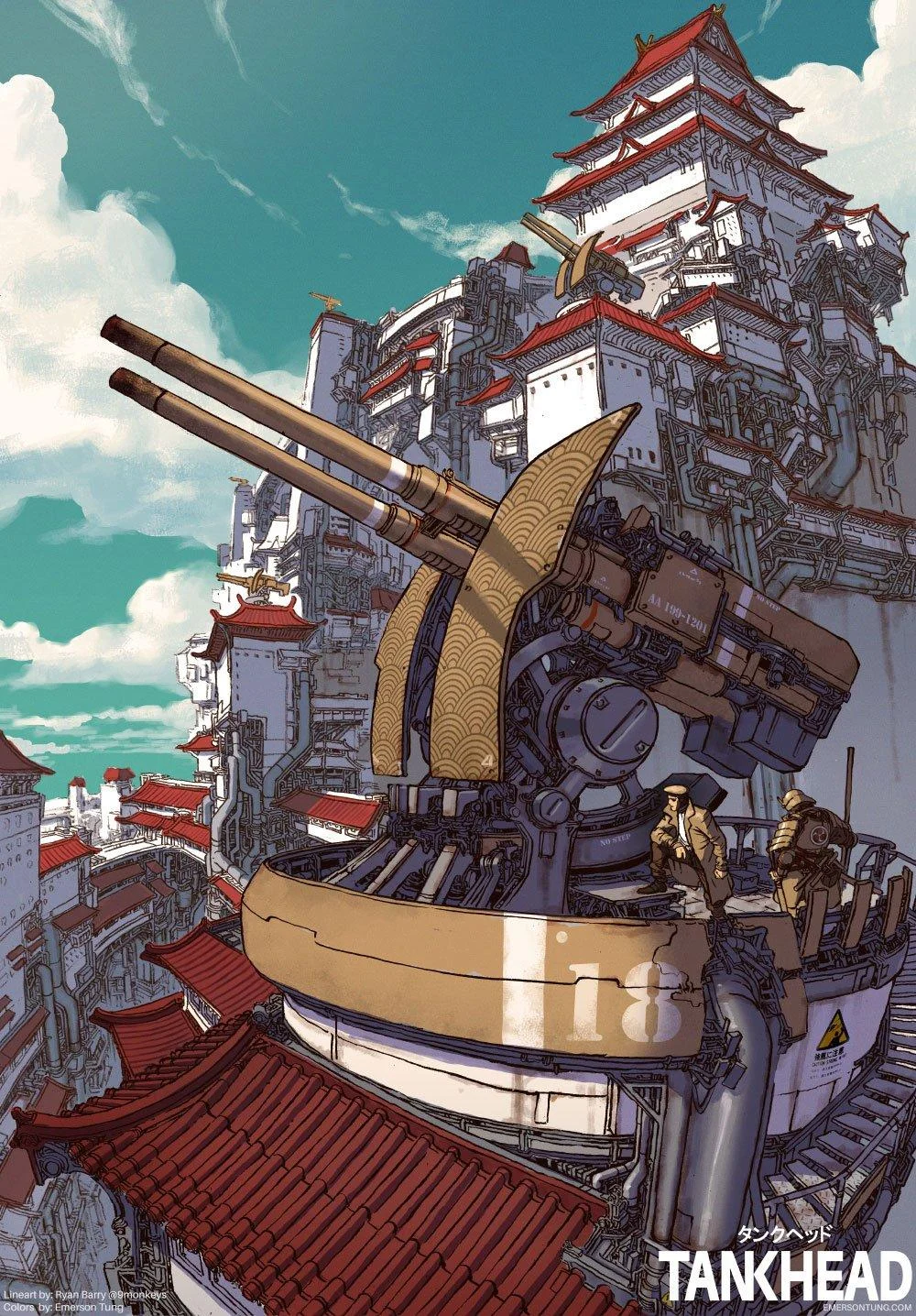
Among the primary features is an exhaustive exploration titled "Illustrations and Concepts of Tanks I." This collection highlights the intersection of industrial design and speculative fiction. Concept artists specializing in "hard surface" design—such as tanks, mechs, and weaponry—must balance mechanical plausibility with aesthetic impact. These designs are not merely drawings; they are blueprints that 3D modelers and animators will eventually bring to life in digital battlefields.
Cinematic Legacy: Gloria Shih and the Web-Slinger
CAW also revisits the foundational work of Gloria Shih, whose concept art for The Amazing Spider-Man helped redefine the visual vernacular of modern superhero cinema. Shih’s work exemplifies the "blue-sky" phase of production, where the tone, lighting, and costume textures are established long before a single camera rolls. Her contributions helped ground the character of Peter Parker in a world that felt both contemporary and mythic.
Stylized Innovation: Aymeric Kevin’s Rayman Legends
In the realm of interactive entertainment, the work of Aymeric Kevin on Rayman Legends remains a benchmark for stylized art. Kevin’s work represents a departure from realism, leaning instead into a painterly, "UbiArt" aesthetic that proved 2D animation could still command the spotlight in a 3D-dominated market. His vibrant use of color and lighting transformed the platforming genre into a living illustration.
The Artist Spotlight: Chris Kesler
The inclusion of Chris Kesler in the CAW artist spotlights emphasizes the platform’s commitment to individual creators. Kesler, known for his atmospheric environments and intricate world-building, represents the "generalist" elite—artists who can transition seamlessly between environmental storytelling and character-driven narratives.
Chronology: The Evolution of Concept Art World
To understand the significance of CAW in 2026, one must look at the trajectory of the industry over the last two decades.
- The Physical Era (Pre-2000s): Concept art was largely an internal studio secret, consisting of physical paintings and sketches by legends like Ralph McQuarrie and Syd Mead. These were rarely seen by the public until years after a film’s release.
- The Digital Transition (2000-2010): The rise of Photoshop and digital tablets revolutionized the speed of production. Concept Art World emerged during this era to provide a centralized hub for these digital "dailies" and portfolios.
- The Golden Age of Access (2010-2020): Platforms like CAW, ArtStation, and Behance democratized the industry. Fans and aspiring artists could now see the "behind-the-scenes" process in real-time, leading to a surge in specialized education for visual development.
- The Protectionist Era (2022-Present): With the advent of Generative AI, the industry entered a defensive phase. Concept Art World has pivoted from being a showcase to a fortress, implementing strict policies to protect the intellectual property (IP) of the artists it features.
Supporting Data: The Economic Impact of Visual Development
The art featured on CAW is not just for aesthetic consumption; it is the engine of the "Creative Economy." According to industry reports from 2024 and 2025, the pre-production phase of a major AAA game or a Marvel-scale blockbuster accounts for roughly 10% to 15% of the total budget, yet it dictates 100% of the visual outcome.
- Job Growth: Despite the rise of automation, the demand for "Lead Concept Artists" and "Art Directors" has grown by 8% annually. Studios are finding that while AI can generate images, it cannot "direct" a vision or maintain the narrative consistency required for a 100-hour game or a film trilogy.
- IP Value: Character designs, such as those by Gloria Shih, are worth billions in merchandising and licensing. The "visual identity" of a character is their most valuable asset, and that identity is forged in the concept art phase.
- Educational Demand: Online tutorials and "breakdowns" featured on sites like CAW have become the primary mode of education for the next generation of artists, bypassing traditional four-year art degrees in favor of specialized, industry-led mentorship.
Official Responses: The Stance Against AI Training
Perhaps the most significant element of the current Concept Art World platform is its explicit legal stance regarding emerging technologies. The site’s footer carries a stern mandate: "Any training of AI systems using this content is strictly prohibited."
This is not merely a suggestion but a reflection of a global movement among creative professionals. In official statements, representatives for the visual development community have argued that "scraping" concept art—which is often the result of years of specialized training and hours of manual labor—to train Large Image Models (LIMs) constitutes a violation of copyright and a threat to the livelihood of human creators.
"Concept Art World was built to celebrate human ingenuity," a spokesperson for the platform noted in a recent industry forum. "Our mission is to provide a stage for artists like Aymeric Kevin and Chris Kesler. To allow their unique styles to be ingested by an algorithm without consent or compensation would be a betrayal of the community we serve."
This policy aligns CAW with other major creative hubs that have begun implementing "No-AI" tags and data-scrambling technologies to prevent unauthorized harvesting of digital portfolios.
Implications: The Future of the Human Touch
The continued relevance of Concept Art World suggests that the "human touch" remains the gold standard in high-end entertainment. As we look toward the remainder of the decade, several implications emerge:
1. The Rise of the "Auteur" Concept Artist
As generic imagery becomes easier to produce via AI, the value of "Auteur" artists—those with a distinct, uncopyable style like Aymeric Kevin—will skyrocket. Studios will seek out "human signatures" to ensure their projects don’t look like "algorithm soup."
2. Legal Precedents for Digital Portfolios
The strict prohibition of AI training on sites like CAW is setting the stage for major legal battles. The outcome of these cases will determine whether a digital portfolio is a public resource or a private gallery. CAW’s proactive stance provides a blueprint for how other creative industries might protect their intellectual property.
3. The Shift in Art Education
CAW’s role as a tutorial and insight hub indicates that the future of art education is shifting toward "process over product." When the "product" (an image) can be generated in seconds, the "process" (the thinking, the iteration, and the storytelling) becomes the only thing worth teaching.
4. Technical Specialization
The feature on "Tanks I" highlights that technical knowledge—understanding how a hinge works on a cockpit or how suspension handles weight—remains a human stronghold. Concept art is increasingly becoming a field of "speculative engineering," where the artist must be part designer and part scientist.
Conclusion
Concept Art World remains more than just a website; it is a testament to the foundational power of the sketch. Whether it is the gritty realism of a futuristic tank, the iconic silhouette of a superhero, or the whimsical charm of a cartoon hero, the art featured on CAW represents the first spark of creation.
By standing firm against the unauthorized use of its data for AI training, CAW is not just protecting images; it is protecting the future of the human imagination. As the entertainment industry continues to evolve, the artists featured on this platform will continue to be the ones who dream our worlds into existence, one brushstroke at a time. In the battle between the algorithm and the artist, Concept Art World has made its position clear: the future of art must remain human.