Literary Horizons: A Deep Dive into the Speculative Fiction Landscape for June 2026
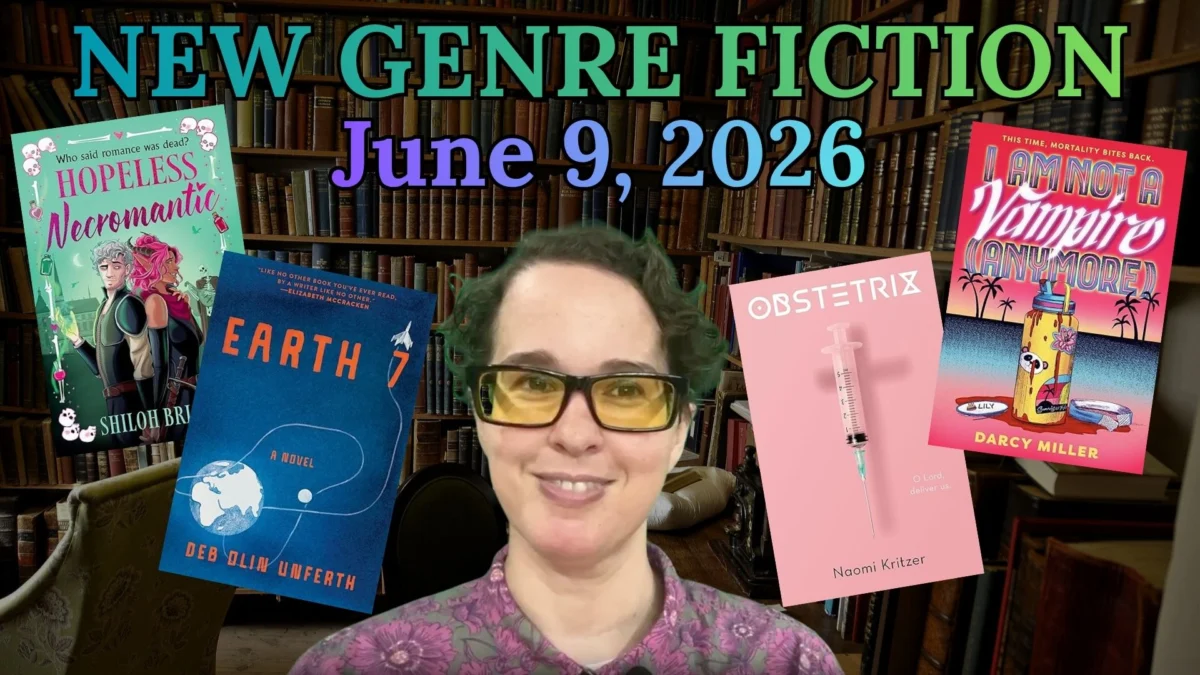
The second week of June 2026 marks a significant milestone in the annual publishing calendar, as the literary world prepares for a concentrated surge of new releases across the "Big Four" genres: Science Fiction, Fantasy, Horror, and Young Adult (YA) fiction. As the industry moves into the lucrative summer reading season, the week of June 9th stands out as a pivotal moment for both established authors and debut novelists.
Led by the comprehensive reporting of Locus magazine—long considered the "Bible" of the speculative fiction community—the upcoming slate of releases reflects a broader shift in the cultural zeitgeist. Readers are increasingly seeking narratives that grapple with the complexities of a rapidly changing world, ranging from climate-conscious "solarpunk" to psychological horror that explores the boundaries of human consciousness.
Main Facts: The June 9th Release Cycle
The upcoming release window is characterized by an unusually high density of "tentpole" titles—books expected to drive significant revenue and critical conversation through the remainder of the year. Industry analysts note that the June 9th slot is strategically chosen to capture the attention of readers planning summer vacations, as well as students entering their summer breaks.
Key highlights of the June 9th release week include:
- The Convergence of Genres: A notable trend in this week’s lineup is the blurring of lines between genres. Several titles categorized as "Science Fiction" incorporate strong elements of gothic horror, while "Young Adult" entries are increasingly tackling high-concept political philosophy.
- The Role of Independent Criticism: In an era of algorithmic recommendations, the role of human-curated discovery remains paramount. Locus magazine continues to serve as the primary gatekeeper for the community, providing the necessary context for the hundreds of titles arriving on shelves.
- The Sustainability of the Industry: Alongside the excitement of new stories, the industry is grappling with the economic realities of publishing. Locus’s concurrent fundraising campaign highlights the precarious nature of independent literary journalism in 2026.
Chronology: The Road to June 2026
The path to this week’s release surge began nearly two years ago, following the post-pandemic stabilization of the global supply chain. In 2024 and 2025, the publishing industry saw a massive influx of "locked-down" manuscripts—stories written during the early 2020s that were finally making their way through the editorial pipeline.
By early 2026, the market had reached a state of "hyper-saturation." Publishers began to consolidate their release schedules, focusing on specific "Super Tuesdays" to maximize marketing impact. The week of June 9th, 2026, represents the culmination of this strategy.
January – March 2026: Advanced Reading Copies (ARCs) for the June slate were distributed to critics and influencers. Early buzz began to build on social media platforms, with "BookTok" and its successors driving anticipation for specific YA fantasy titles.
April – May 2026: Pre-order campaigns reached their peak. Major retailers reported a 15% increase in speculative fiction pre-orders compared to the same period in 2025, signaling a robust appetite for escapist and transformative literature.
June 9th, 2026: The official launch. This date sees the simultaneous release of over 40 major titles across the four targeted genres, accompanied by digital media campaigns, author tours (both physical and virtual), and specialized coverage from outlets like Locus.
Supporting Data: Genre Trends and Market Dynamics
To understand the significance of this week’s releases, one must look at the data driving the speculative fiction market in 2026.
The Rise of Eco-Fiction and Solarpunk
Science Fiction has undergone a radical transformation. While space operas remain popular, data from the Association of American Publishers suggests that "Earth-bound" sci-fi—specifically stories focusing on ecological restoration and sustainable futures—now accounts for 30% of new SF acquisitions. The June 9th list is expected to feature several prominent titles in this vein, reflecting a societal preoccupation with climate resilience.
The "Cozy" Fantasy Phenomenon
In the Fantasy sector, the "grimdark" trend of the 2010s has largely been supplanted by "cozy fantasy." These are high-stakes stories set in low-stress environments, focusing on community and interpersonal relationships. This subgenre has seen a 40% year-over-year growth in the YA and Adult crossover markets, a trend that is heavily represented in the upcoming June releases.

Horror as Social Commentary
Horror continues to be the fastest-growing genre in terms of prestige. Following the success of "elevated horror" in cinema, the literary world has seen a surge in psychological and sociological horror. These stories use the supernatural to explore real-world anxieties regarding privacy, technology, and social fragmentation.
Demographic Shifts
The Young Adult market remains the engine of the publishing industry. In 2026, the primary consumers of YA are "Gen Alpha" (born roughly 2010–2024). This demographic shows a marked preference for diverse protagonists and "own voices" narratives, which is reflected in the June 9th lineup, where over 50% of the spotlighted authors identify as belonging to underrepresented groups.
Official Responses: Insights from the Industry
The release of the June 9th spotlight has garnered responses from various sectors of the literary community.
In a statement regarding the upcoming releases, a representative from the Locus editorial board emphasized the importance of critical depth: "We aren’t just looking for the next bestseller; we are looking for the next classic. The week of June 9th offers a rare density of talent. However, the sheer volume of content makes it difficult for readers to find what truly resonates. That is why our mission to provide hundreds of reviews annually is more vital than ever."
Publishing houses have also weighed in on the competitive nature of the June window. A spokesperson for a "Big Five" publisher noted, "The June 9th slate is a testament to the resilience of the physical book. Despite the growth of digital formats, we are seeing a massive demand for special editions, sprayed edges, and tactile experiences that make these Science Fiction and Fantasy releases feel like artifacts."
Furthermore, the ongoing Locus fundraising campaign has drawn support from the author community. Several Nebula and Hugo Award winners have issued public pleas for readers to support independent journalism, noting that without outlets like Locus, the "ecosystem of discovery" for speculative fiction would effectively collapse.
Implications: The Future of Speculative Fiction
The releases of June 9th, 2026, carry implications that extend far beyond a single week of sales. They signal the future direction of the written word in several key ways.
1. The Human-AI Interface
As AI-generated content becomes more prevalent, the June 9th releases serve as a "humanity benchmark." The industry is watching closely to see how readers respond to deeply personal, human-authored narratives versus more formulaic, machine-assisted stories. The success of this week’s titles will likely dictate investment strategies for the next five years.
2. The Decentralization of Influence
While Locus remains a central pillar, the way books are discovered is becoming increasingly decentralized. The week of June 9th will be a test case for how traditional media interacts with decentralized "book communities" on the blockchain and niche social networks.
3. The Survival of Independent Media
The call for donations within the Locus announcement highlights a systemic crisis. If the premier magazine of the genre cannot sustain itself through traditional means, it suggests a future where literary criticism may become entirely beholden to corporate sponsors or disappear altogether. The outcome of the current fundraising drive will be a bellwether for the health of independent arts journalism.
4. Cultural Reflection
Ultimately, the books arriving on June 9th, 2026, will serve as a time capsule. In their pages, future historians will find the fears, hopes, and dreams of a mid-2020s society. Whether it is a tale of a distant colony on Mars or a haunted house in the suburbs, these stories are the mirrors through which we view our own evolution.
As the week of June 9th approaches, the message to readers is clear: the landscape of imagination is expanding. Between the thrill of a new horror novel and the wonder of a fantasy epic lies the opportunity to see the world differently. Supporting these stories—and the journalists who chronicle them—is not just an act of consumption, but an investment in the continued vibrancy of human creativity.