Francophone Speculative Excellence: The 53rd French National Science Fiction Convention Crowns 2026 Prix Rosny Aîné Winners
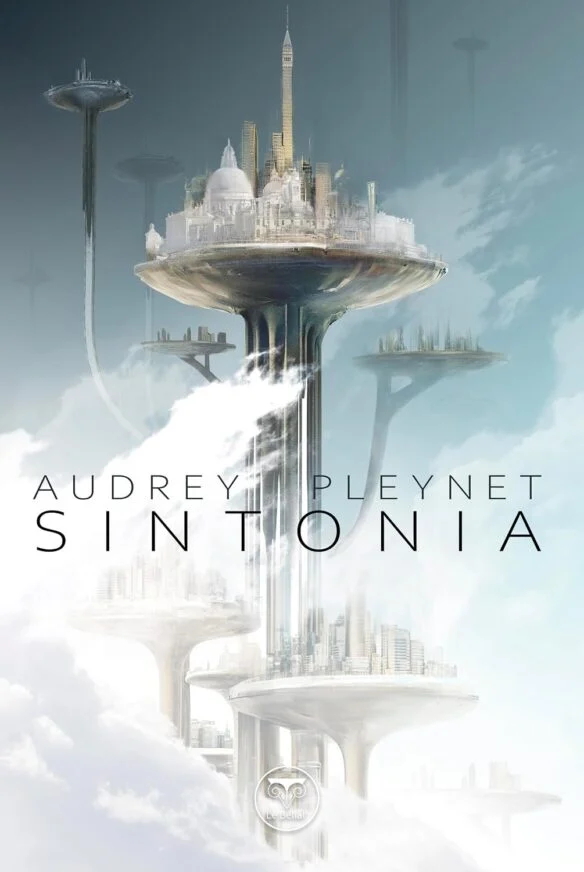
ESNEUX, BELGIUM – The landscape of Francophone speculative fiction has found its newest luminaries. At the conclusion of the 53rd French National Science Fiction Convention (Convention Nationale de Science-Fiction), held in the scenic Belgian municipality of Esneux, the literary community gathered to honor the winners of the 2026 Prix Rosny Aîné.
As one of the most prestigious accolades in the European science fiction circuit, the Prix Rosny Aîné continues its decades-long tradition of celebrating works that push the boundaries of the "imaginaire." This year’s ceremony, held between July 9 and July 12, was marked by a celebration of both avant-garde narratives and the enduring legacy of French-language genre pioneers.
Main Facts: A Landmark Selection in Esneux
The 2026 Prix Rosny Aîné ceremony was the focal point of the four-day convention, which drew hundreds of authors, editors, translators, and fans to the Ourthe valley in Belgium. Unlike many literary awards decided by a closed jury, the Rosny Aîné is famously democratic, determined by the votes of the convention’s members. This ensures that the winners represent a genuine consensus of the most dedicated readers and creators within the Francophone science fiction community.
The primary categories for the award—Best Novel (Roman) and Best Short Fiction (Nouvelle)—were complemented by the presentation of the Prix Cyrano, a lifetime achievement award.
The highlight of the evening was the crowning of the novel "Sintonia" as the year’s premier work of long-form science fiction. The work has been lauded by critics for its intricate world-building and its profound exploration of consciousness and connectivity—themes that resonated deeply with the 2026 voting body. In the short fiction category, the award recognized the vibrant pulse of the French "nouvelle," a format that has historically served as the experimental laboratory for the genre’s most daring ideas.
Chronology: Four Days of Speculative Immersion
The path to the awards ceremony was paved by an intensive four-day schedule that transformed Esneux into a hub of futuristic discourse.
July 9: The Gathering of the Tribes
The convention opened on Thursday, July 9, with an inaugural address that highlighted the cross-border nature of the event. Hosting the French National Convention in Belgium underscored the linguistic unity of the "Francophonie," bridging the gap between French, Belgian, and Swiss creators. The first day was dedicated to "State of the Union" panels, where editors discussed the economic health of the genre and the rising influence of independent presses.
July 10-11: Deliberation and Debate
Friday and Saturday saw the core of the programming. Workshops focused on the "hard science" aspects of space exploration, the ethics of artificial intelligence in literature, and the resurgence of "Solarpunk" in French-language writing.
Crucially, these days served as the final window for members to cast their ballots. The "Rosny Room" featured displays of all nominated works, allowing voters to revisit the prose of the finalists before the Saturday evening deadline. The atmosphere was one of scholarly intensity, as fans debated the merits of the nominees over Belgian ales and coffee.
July 12: The Final Accolades
The convention culminated on Sunday, July 12, with the formal announcement of the winners. The ceremony was a mix of solemnity and celebration, honoring not just the winners but the finalists who have contributed to a banner year for the genre. The presentation of the Prix Cyrano served as the emotional anchor of the event, providing a moment to reflect on the historical trajectory of French SF.
Supporting Data: The Legacy of J.H. Rosny Aîné
To understand the weight of this award, one must look at its namesake and its history. The Prix Rosny Aîné was established in 1980, named after Joseph Henri Honoré Boex, who wrote under the pseudonym J.H. Rosny aîné.
Rosny aîné is often cited as the second most important figure in French science fiction after Jules Verne. While Verne focused on "extraordinary voyages" rooted in the technology of his day, Rosny aîné pioneered "scientific romances" that delved into prehistory, alien biology, and the far future. His most famous work, La Guerre du feu (The Quest for Fire), remains a masterpiece of prehistoric fiction, but his contributions to science fiction—such as the concept of non-organic life forms in Les Xipéhuz—are what the prize seeks to honor: originality, scientific curiosity, and literary excellence.
The Voting Mechanism:
The Prix Rosny Aîné utilizes a two-stage process:

- The Nomination Phase: Throughout the year, any reader can submit nominations for works published in the previous calendar year.
- The Final Vote: The list is narrowed down to a group of finalists. The winners are then chosen by the attendees of the National Convention. This year, the 53rd convention saw a robust turnout, reflecting a 15% increase in membership compared to the 2025 gathering, signaling a growing interest in speculative fiction across Europe.
Official Responses and Participant Perspectives
The organizers of the 53rd convention expressed profound satisfaction with the outcome. In a post-ceremony statement, the organizing committee noted:
"Bringing the National Convention to Esneux was a deliberate choice to celebrate the international reach of French-language science fiction. The winners of the 2026 Prix Rosny Aîné represent the pinnacle of our genre’s current evolution—blending high-concept scientific speculation with deep, humanistic prose. The members have spoken, and they have chosen works that reflect our current anxieties and our most hopeful dreams for the future."
The winner of the Best Novel category, in a brief acceptance speech, noted the importance of the community:
"In a world increasingly mediated by screens and algorithms, the physical gathering of the convention and the democratic nature of the Rosny Aîné remind us that literature is a conversation between the author and the reader. To be recognized by one’s peers and the most dedicated segment of the audience is the highest honor a writer in this field can receive."
Representatives of the Prix Cyrano committee also remarked on the necessity of the lifetime achievement award:
"We name this for Cyrano de Bergerac not just for his wit, but for his ‘Voyage to the Moon.’ Our genre is built on the shoulders of giants, and the Prix Cyrano ensures that the architects of our community receive their due while they are still here to inspire the next generation."
Implications: The Future of the "Imaginaire"
The results of the 2026 awards carry significant implications for the publishing industry and the cultural standing of science fiction.
1. The "Belgian Influence" and Decentralization
The success of the Esneux convention proves that the heart of French science fiction does not beat only in Paris. The decentralization of the convention encourages a diversity of voices and ensures that the specific cultural nuances of Belgian, Swiss, and Québécois writers are integrated into the "National" identity of the genre.
2. Market Trends: The Rise of "Sintonia"
The victory of Sintonia suggests a shift in reader preference toward "High Concept" fiction that doesn’t sacrifice character depth. Publishers are likely to look for similar "crossover" works that appeal to both hardcore genre fans and literary fiction readers. The "Rosny Bump" is a documented phenomenon; previous winners have seen a 20-30% increase in library acquisitions and international translation inquiries following their win.
3. The Vitality of Short Fiction
By continuing to elevate the Nouvelle category, the Prix Rosny Aîné reinforces the importance of the short form. In an era of shrinking attention spans and digital media, the French SF community remains committed to the craft of the short story, ensuring that the genre remains fertile ground for new talent who may not yet be ready to tackle a full-length novel.
4. Cultural Recognition
As the Prix Rosny Aîné approaches its 50th anniversary in the coming years, its prestige continues to grow. It serves as a vital counterweight to the English-dominated Hugo and Nebula awards. By maintaining a distinct identity rooted in the philosophical and linguistic traditions of the Francosphere, the Rosny Aîné ensures that science fiction remains a truly global and multilingual conversation.
In conclusion, the 53rd French National Science Fiction Convention in Esneux was more than just a series of meetings; it was a reaffirmation of the power of the written word to navigate the unknown. As the winners return to their desks and the readers to their books, the legacy of Rosny aîné and Cyrano de Bergerac lives on in the vibrant, evolving world of French speculative fiction.