The Unseen Architect: Exploring the Metaphysical Realm of Human Consciousness
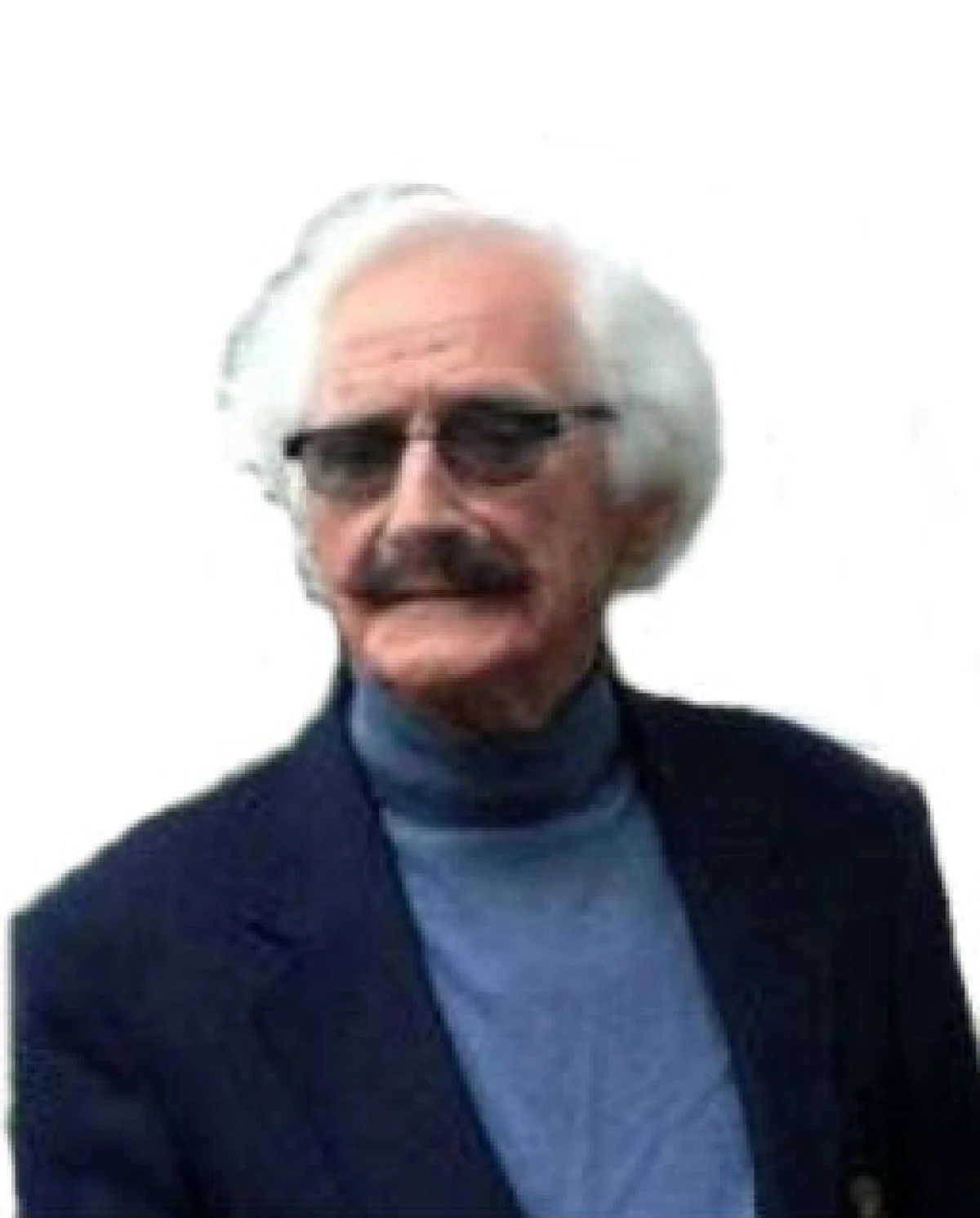
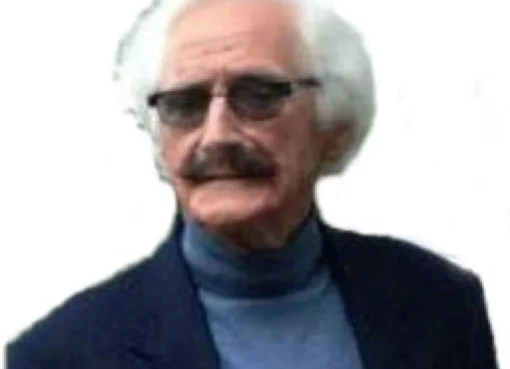
A chance encounter at a local coffee shop, sparked by a retired professor’s expertise in philosophy and psychology, offers a profound glimpse into the often-overlooked depths of human consciousness and the enduring quest for purpose.
Introduction: The Unbidden Question
The mundane ritual of car maintenance often yields unexpected intellectual dividends. For Dr. Alistair Finch, a retired professor of philosophy and psychology, a recent visit to a local garage led to a familiar and engaging scenario: a conversation with university students. As the aroma of freshly brewed coffee filled the air at a nearby café, Dr. Finch found himself fielding the perennial, yet deeply significant, questions that inevitably arise when his academic background is revealed. This time, the dialogue steered towards the elusive concept of purpose, a fundamental human preoccupation that has driven inquiry and conflict throughout history.
The Elusive Nature of Purpose: A Historical Perspective
Dr. Finch began by acknowledging the inherent difficulty in defining purpose, both for individuals and for entire nations. History, he noted, is replete with instances of conflict and suffering, a stark testament to the ongoing struggle for benevolent and spiritually tolerant attitudes. The very notion of a shared, overarching purpose often seems overshadowed by the realities of division and discord. "It’s not easy to talk about purpose," he candidly admitted. "Nations, as well as individuals, have been fighting and killing each other off throughout history. There’s still a hell of a lot to be desired when it comes to looking for benevolent and spiritually tolerant attitudes between individuals and nations."
Despite this sobering assessment, Dr. Finch pointed to a powerful counter-narrative of altruism and compassion. He highlighted the critical work of charitable organizations worldwide, citing Doctors Without Borders as a prime example of humanitarian endeavor. The dedication of doctors and nurses who risk their lives in dangerous and war-torn regions, driven by an intrinsic need to alleviate suffering, serves as a potent illustration of humanity’s capacity for selfless action. These individuals, he explained, are propelled by a force that transcends personal safety and career aspirations – the "human spirit." Their willingness to venture into distant and perilous locations underscores a profound moral persuasion, an internal drive to act for the greater good. This commitment to alleviating the suffering of the less fortunate, even at great personal risk, offers a beacon of hope and a tangible expression of a deeper, perhaps unarticulated, purpose.
Unveiling the Metaphysical: Beyond the Senses
It was at this juncture that Dr. Finch introduced a term that, for many, remains shrouded in mystery: "metaphysical." He observed that only one of the two students present recognized its significance. Metaphysical, he explained, refers to a level of human consciousness that transcends the immediate, observable world – a realm that lies beyond the direct perception of our five senses. It signifies an awareness that delves into the abstract, the conceptual, and the intangible.
"Now we come to the point: the significance of the word metaphysical," Dr. Finch articulated. "Only one of the two young men to whom I was talking was aware of what the word signifies. It denotes a level of awareness in human consciousness that goes beyond the world of appearances; beyond the workings of the five senses."
This metaphysical awareness, he elaborated, is akin to a continuous, silent dialogue within the self. It is fueled by our innate questing imagination, constantly probing the "how" and "why" behind our psychological complexities. This internal exploration is driven by what has long been described as "spirit" – the fundamental human spirit that seeks meaning and understanding. It is through this introspective process that we engage with questions that lie beyond the purely empirical.
The Aristotelian Genesis: A Framework for Abstract Thought
Dr. Finch then traced the etymological roots of the term "metaphysical," attributing its formalization to the ancient Greek scientist and philosopher, Aristotle. Aristotle employed the term to describe abstract mental activity, a realm of thought that could not be apprehended through sensory experience alone. The prefix "meta," meaning "beyond" or "after," signals this departure from the physical. Thus, "metaphysical" came to encompass the realm of the mind – its awareness, thoughts, ideas, feelings, hunches, and even ruminations. These are all manifestations of an intuitive range of consciousness, often described as inspirational and serving the forces of "spirit," acting at the instigation of what some might call the soul.
"At this point in the discussion, I thought I had really got their attention," Dr. Finch recounted, "and I went on to say that it was the Greek scientist/philosopher Aristotle who coined the term metaphysical to denote the abstract nature of this mental activity. ‘Meta’ signifies beyond or after, thus introducing the concept of mind, a level of awareness, thoughts, ideas, feelings, hunches, and ruminations. These are all examples of an intuitive range of consciousness said to be inspirational, serving the forces of spirit, which are working at the instigation of a soul, no less."
The Dual Nature of Consciousness: Reason and Intuition
This Aristotelian framework provided a foundation for understanding human consciousness as a duality. Over the centuries, it has been viewed as a partnership between two distinct yet interconnected aspects: the outwardly directed, rational, and sensory brain that engages with the external world, and the inwardly directed, intuitive, and spiritual brain that explores the inner landscape of thought and feeling. Together, these two faculties form the intricate mental architecture we commonly refer to as "mind."
"Thus human consciousness over the years has been seen as comprising this duality of human awareness: the outwardly directed rational and sensory brain, together with the inwardly directed intuitive and spiritual brain," Dr. Finch explained. "Together, they comprise the mental partnership we call mind."
The Unexamined Self: A Glimpse of the Unconscious
The conversation took a more personal turn when Dr. Finch posed a question to the students: "Do you ever ponder the unique nature of your own personalities?" The response, he noted with a touch of melancholy, was a pair of blank stares. This moment underscored a potential disconnect between intellectual curiosity and self-reflection, a common challenge for young adults navigating the complexities of identity and purpose. The students, engrossed in their immediate academic pursuits, seemed to have yet to delve into the deeper, introspective work that characterizes a fully engaged metaphysical awareness.
"When I asked these two young men if they ever pondered the unique nature of their own personalities, I received a couple of blank looks," he observed.
The Neuroscientific Seal of Approval: Mind as Metaphysical
As the coffee cups emptied and the conversation drew to a close, Dr. Finch sought to leave his young interlocutors with a lasting thought. He invoked the words of the late Wilder Penfield, a distinguished Canadian neuroscientist and brain surgeon. Penfield, in his profound exploration of the brain and mind, famously described the mind as a "non-temporal, non-spatial entity." This definition, Dr. Finch emphasized, perfectly encapsulates the metaphysical nature of consciousness – a realm that exists beyond the confines of physical time and space, a testament to its elusive yet fundamental reality.
"The coffee was finished and it was time to go. I thought I would leave them with the words of the late Wilder Penfield, Canada’s preeminent neuroscientist and brain surgeon who said that he could only describe mind as a ‘non-temporal, non-spatial entity,’ hence metaphysical."
Conclusion: The Enduring Quest for Meaning
The encounter, though brief, served as a powerful reminder of the enduring human quest for purpose and meaning. While the external world often demands our immediate attention, the metaphysical realm within offers a profound source of understanding and self-discovery. The journey from the sensory to the abstract, from the observable to the conceptual, is a fundamental aspect of human experience. As Dr. Finch’s conversation illustrates, fostering an awareness of this inner landscape, and the tools of philosophy and psychology to explore it, is crucial for individuals and societies alike in navigating the complexities of existence and forging a more compassionate and purposeful future. The legacy of thinkers like Aristotle and scientists like Penfield continues to guide us, urging us to look beyond the obvious and embrace the profound depths of our own consciousness. The conversation, though ending, leaves a lingering question: are we truly engaging with the full spectrum of our being?