The Unfolding Tapestry of Aging: Cultivating Lifelong Growth Beyond the Calendar
By [Your Name/Pseudonym]
Introduction: Redefining the Arc of Human Experience
The journey from infancy to old age represents the fundamental arc of human consciousness, a profound and often challenging expedition. This process is characterized by two intertwined capabilities: the objective perception of the external world through our senses, and the subjective, psychological experience of meaning, emotion, and thought that imbues these perceptions with significance. While the physical mechanisms of aging are well-documented, the psychological and existential dimensions of growing older present a more nuanced and, at times, paradoxical landscape. This article delves into the evolving nature of aging, exploring the tendency towards psychological withdrawal in later life, the potential consequences of disengagement, and the compelling arguments for maintaining an active and questioning mind, regardless of chronological age. Drawing on personal reflections and historical wisdom, we will examine how the active pursuit of intellectual and emotional engagement can foster continued psychological growth, transforming the experience of aging from a passive decline into a dynamic unfolding of consciousness.
The Dual Nature of Aging: Sensory Acuity Versus Psychological Inertia
The Objective Realm: Navigating the Physical World
As we navigate the complexities of daily life, our five senses serve as our primary conduits to the external reality. The ability to see, hear, smell, taste, and touch allows us to objectively perceive the myriad events and stimuli that constitute our environment. This fundamental capacity for sensory perception is a cornerstone of our interaction with the world, enabling us to orient ourselves, identify opportunities, and avoid dangers. For many individuals, particularly as they age, there is a conscious effort to maintain and even sharpen these sensory faculties. This often manifests as a deliberate attempt to keep the senses alert – perhaps through engaging with visually stimulating environments, listening to music, or savoring new culinary experiences. This dedication to sensory engagement reflects a desire to remain connected to the tangible aspects of existence, to feel present and aware in the unfolding moments of life.
The Subjective Realm: The Richness of Inner Experience
Complementing our objective perception is the subjective realm of our inner lives. This is the domain of the mind and brain, where raw sensory data is processed, interpreted, and imbued with meaning. Here, we experience the full spectrum of human emotion – joy, sorrow, love, frustration – as well as the intricate dance of thoughts, evaluations, and memories that shape our understanding of ourselves and the world. It is this subjective dimension that lends depth and richness to our existence, transforming mere occurrences into lived experiences that resonate with personal significance. The intensity and range of these psychological responses are what give life its color and texture, allowing us to form beliefs, make decisions, and forge connections.
The Paradox of Aging: A Growing Disconnect
Despite the inherent human drive to maintain an engaged relationship with the world, a common phenomenon observed in aging individuals is a tendency towards psychological withdrawal. While many strive to keep their senses sharp, a parallel process can occur where individuals disengage from the ever-evolving landscape of contemporary life. This disengagement is often characterized by a preference for the familiar and the past, a retreat into established mental frameworks that offer a sense of comfort and predictability. The constant flux of societal norms, technological advancements, and shifting values can feel overwhelming, leading some to find solace in the unchanging contours of their past experiences.
This inclination to live in the past is not necessarily born of a lack of intellectual capacity, but rather a psychological inertia. The effort required to re-evaluate long-held beliefs, adapt to new perspectives, and emotionally process changing realities can be considerable. Consequently, many aging individuals may find themselves resistant to the demands of mental recalibration. The prospect of re-thinking and re-feeling established mindsets can evoke irritation, as it challenges the ingrained patterns of thought and emotion that have provided a sense of stability for decades. This internal resistance can create a subtle but significant disconnect between the objective world, which continues to evolve, and the subjective inner world, which may become increasingly static.
The Unseen Erosion: The Impact of Psychological Withdrawal on the Will to Live
Nature’s Design and the Expansion of Consciousness
Nature, in its intricate design, appears to favor an expansive and dynamic consciousness throughout the lifespan. The aging process, when viewed through this lens, is not inherently intended to be a period of diminishment, but rather a natural phase of continued growth and deepening understanding. However, when individuals retreat from the challenges and novelties of ongoing life, they inadvertently curtail the natural expansion of consciousness that characterizes healthy aging. This retreat, this voluntary shrinking of one’s experiential and intellectual horizons, has profound, albeit often unconscious, consequences.
The Diminishing Spark: Weakening the Will to Live
The act of disengaging from new challenges and experiences, of opting for the comfort of the familiar over the stimulus of the novel, can subtly but undeniably weaken the fundamental will to keep living. This is not a conscious decision to cease living, but rather an unconscious erosion of the vital spark that propels us forward. When the mind ceases to be challenged, when the emotional landscape becomes less vibrant, and when the engagement with the present moment wanes, the intrinsic motivation to actively participate in life begins to falter. The vibrant tapestry of existence, which once demanded our attention and engagement, can begin to fade, leaving behind a sense of ennui and a diminished sense of purpose. This is the subtle tragedy of growing old without continuing to "grow up" – the internal engine that drives us begins to sputter.
The Timeless Wisdom: Motion for Body, Action for Mind
The old adage, "Keep the Body in motion, and the Mind in action," encapsulates a profound truth about sustained vitality. This saying is not merely a prescription for physical health, but a guiding principle for maintaining a dynamic and engaged existence throughout life. It suggests that the key to truly "growing up" rather than merely "growing old" lies in the continuous interplay between physical activity and mental stimulation. When the body is encouraged to move, it supports the brain’s cognitive functions and overall well-being. Simultaneously, when the mind is actively engaged in learning, problem-solving, and creative pursuits, it fosters resilience, adaptability, and a continued sense of purpose. This dual focus is essential for combating the psychological inertia that can afflict aging, ensuring that the later years are characterized by growth and discovery, not just the passage of time.
Voices of Experience: A Coffee House Encounter and a 94-Year-Old Perspective
The Resignation of the 75-Year-Old
The principles discussed above were brought into stark relief during a recent conversation at a local coffee house. An elderly gentleman, appearing to be in his mid-seventies, shared his perspective on aging with a palpable sense of resignation. He candidly admitted to having "stopped thinking about his daily existence" and saw "no point in dwelling on events of the past." For him, the label of "old man" at 75 seemed to signify a terminal phase, a period of coasting towards an inevitable end. He expressed a lack of strong opinions, a surrender to the idea that his active engagement with the world was over. His words painted a poignant picture of someone who had, perhaps unconsciously, accepted the notion of aging as a passive decline, a relinquishing of the mental and emotional vigor that had once defined him.
The Futility of Argument, The Power of Lived Experience
In moments like these, one can sense the futility of attempting to impose one’s own perspective through argument or debate. The gentleman’s outlook, while disheartening, was deeply ingrained, and the prospect of him embracing a different view seemed remote. The urge to share my own contrasting experience – the persistent questioning of "Why and wherefore, to what end?" that continues to animate my consciousness, regardless of age – was strong. However, I recognized that such a discussion might fall on deaf ears, lacking the fertile ground of shared understanding.
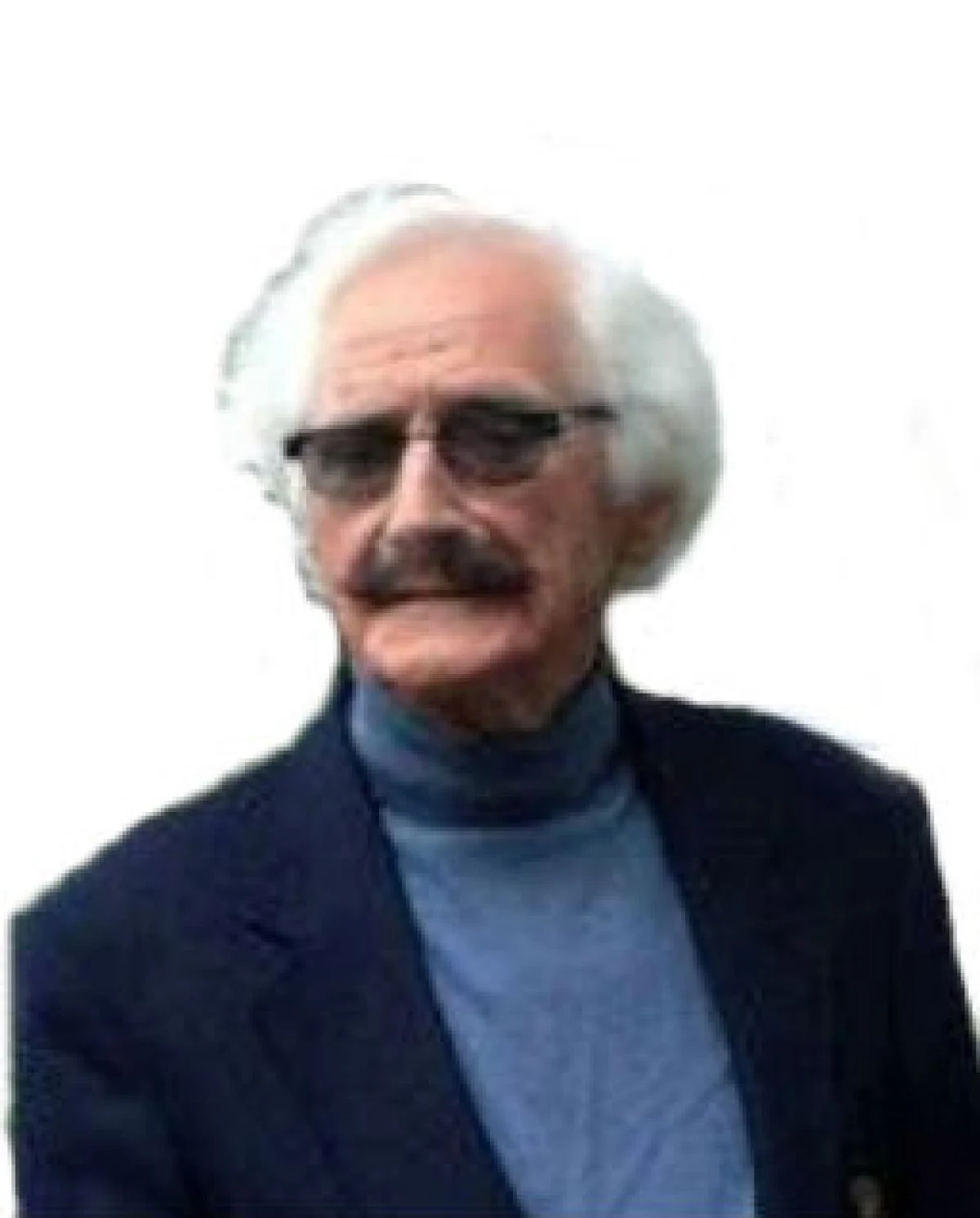
My own journey, now at the remarkable age of 94, offers a stark counterpoint. Having just celebrated my 94th birthday, I remain committed to a life actively lived, eschewing the sedentary comfort of the armchair. This commitment to physical and mental aliveness has, in my experience, intensified my mind’s quest for understanding and my body’s drive to remain active. The result is a continuous process of psychological growth, a testament to the idea that age is not a barrier to self-discovery and engagement. Looking back, I can attest that the existential questions – the driving force of my continued growth – were far less frequent and less intense at 75 than they are now. This personal testimony underscores the profound impact of sustained engagement on the trajectory of aging.
Echoes Through Time: Ancient Wisdom on the Twilight Years
Plato’s Serene Liberation: The Calm of Detached Passion
The human experience of aging has long been a subject of philosophical contemplation. Two millennia separate the insights of Plato and Oscar Wilde, yet their observations on old age, though seemingly disparate, offer complementary perspectives on the potential richness of the twilight years.
Plato, in his contemplation of aging, highlighted a profound sense of "calm and freedom." He posited that as the "passions have relaxed their hold," individuals escape not from one master, but from "many." This suggests a liberation from the often-turbulent demands of youthful desires, ambitions, and anxieties. When the intense emotional currents that can drive our younger years subside, a space for tranquility and clear-sightedness can emerge. This detachment from the fiercest of passions allows for a more objective and serene observation of life, fostering a sense of peace and equanimity. Plato’s perspective envisions old age as a period of earned wisdom and unburdened contemplation, a time when the soul can finally find a measure of rest and clarity.
Oscar Wilde’s Paradoxical Tragedy: The Burden of Unlived Youth
Oscar Wilde, with his characteristic wit and poignant observation, offered a strikingly different, yet equally insightful, perspective. He declared, "The tragedy of old age is not that one is old, but that one is young." This seemingly paradoxical statement speaks to a different kind of suffering that can afflict the elderly. Wilde’s insight suggests that the true tragedy lies not in the physical realities of aging, but in the internal state of the individual. If an aging person has not fully lived their youth, if they have not explored their potential, pursued their passions, or come to terms with their inner selves, then the burden of their "unlived youth" can cast a long shadow over their later years.
This perspective implies that simply reaching old age does not guarantee wisdom or contentment. The tragedy arises when the physical limitations of old age are compounded by the regret and unfulfilled potential of a life not fully embraced. Wilde’s words serve as a powerful reminder that the work of "growing up" – of self-discovery, emotional maturity, and authentic living – is a lifelong endeavor, and its unfinished nature can indeed make old age a somber affair.
Conclusion: Embracing the Continuous Journey of Becoming
The journey of aging is a complex interplay of biological processes, psychological adaptations, and existential reflections. While the physical aspects of aging are inevitable, the psychological and emotional dimensions are far more malleable. The tendency to withdraw into the past and resist new mental challenges, though understandable, can inadvertently diminish the vital spark of life and the will to engage.
The wisdom of the ages, from ancient philosophers to contemporary observers, and indeed, the lived experience of those who continue to embrace life’s dynamism, points towards a powerful truth: true growth transcends chronological age. By keeping the body in motion and the mind in action, by actively seeking new experiences, engaging with evolving ideas, and nurturing a spirit of continuous inquiry, we can transform the experience of aging.
As demonstrated by the contrast between the resigned 75-year-old and the vibrant 94-year-old, the choice lies not in succumbing to the narrative of decline, but in actively participating in the ongoing process of becoming. The questions of "Why and wherefore, to what end?" are not burdens of old age, but the very fuel that propels our consciousness forward. Embracing these questions, and the challenges they present, allows us to continue to "psychologically grow up," ensuring that our later years are not merely an epilogue, but a rich and meaningful chapter in the unfolding tapestry of a life fully lived. The tragedy, as Wilde suggested, is not in being old, but in arriving at old age without having truly lived. The serenity Plato envisioned is best achieved not through passive detachment, but through the active and conscious engagement with the ever-present journey of life.