The Architecture of a Graceful Exit: How Intentional End-of-Life Planning Mitigates Family Grief
NORTHEAST OHIO — In an era often defined by the "Great Wealth Transfer"—an estimated $68 trillion expected to pass from older generations to their heirs over the next two decades—the logistical and emotional burden of handling estates has become a pressing societal issue. While financial advisors often focus on the bottom line, Joe Darago, Executive Director of the international non-profit The Hope Effect, argues that the true value of an estate lies not in its monetary worth, but in the intentionality with which it is transitioned.
Following the recent passing of his aunt, Elizabeth "Liz" Darago, Joe Darago is highlighting a blueprint for end-of-life preparation that prioritizes relational peace over material accumulation. His observations, rooted in both personal loss and his professional background in family advocacy, suggest that proactive "death cleaning" and legal transparency are essential acts of love for those left behind.
Main Facts: The Burden of the "Family Cloud"
The story of the Darago family is emblematic of many Midwestern households. Raised in a modest home in Northeast Ohio, Joe Darago grew up in a family of six children, supported by a network of extended kin. Central to this network were his paternal aunts, Marilyn and Liz. Despite never having children of their own, the sisters functioned as the "family cloud"—the keepers of history, traditions, and the physical artifacts of several generations.
However, as is common in many long-standing family homes, this role came with a significant physical footprint. The aunts’ residence was a repository for the past: documents from a great-grandfather, furniture from a grandmother’s estate, and remnants of a defunct family business stored in a musty basement.
The challenge faced by the Darago family—sorting through decades of sentimentality and "stuff"—is one currently facing millions of Gen X and Millennial children. According to recent estate planning data, nearly 60% of Americans die without a will or a trust, often leaving survivors to navigate the dual trauma of grief and complex probate litigation. Aunt Liz, however, chose a different path, implementing a three-pillar strategy of preparation in her final year.
Chronology: A Decade of Transition
The transition began approximately ten years ago when both Aunt Marilyn and Aunt Liz began experiencing declining health. In a pragmatic move to ensure mutual care and fiscal responsibility, the sisters moved into a shared residence. While they successfully consolidated their living arrangements, they did not initially consolidate their possessions. The home remained "crowded with the artifacts of generations," according to Darago.
The turning point occurred roughly one year prior to Liz’s passing. Sensing the natural conclusion of her life, Liz began a period of "intentional simplification." This timeline included:
- 12 Months Prior: Consolidation of financial accounts and the formal establishment of a living trust.
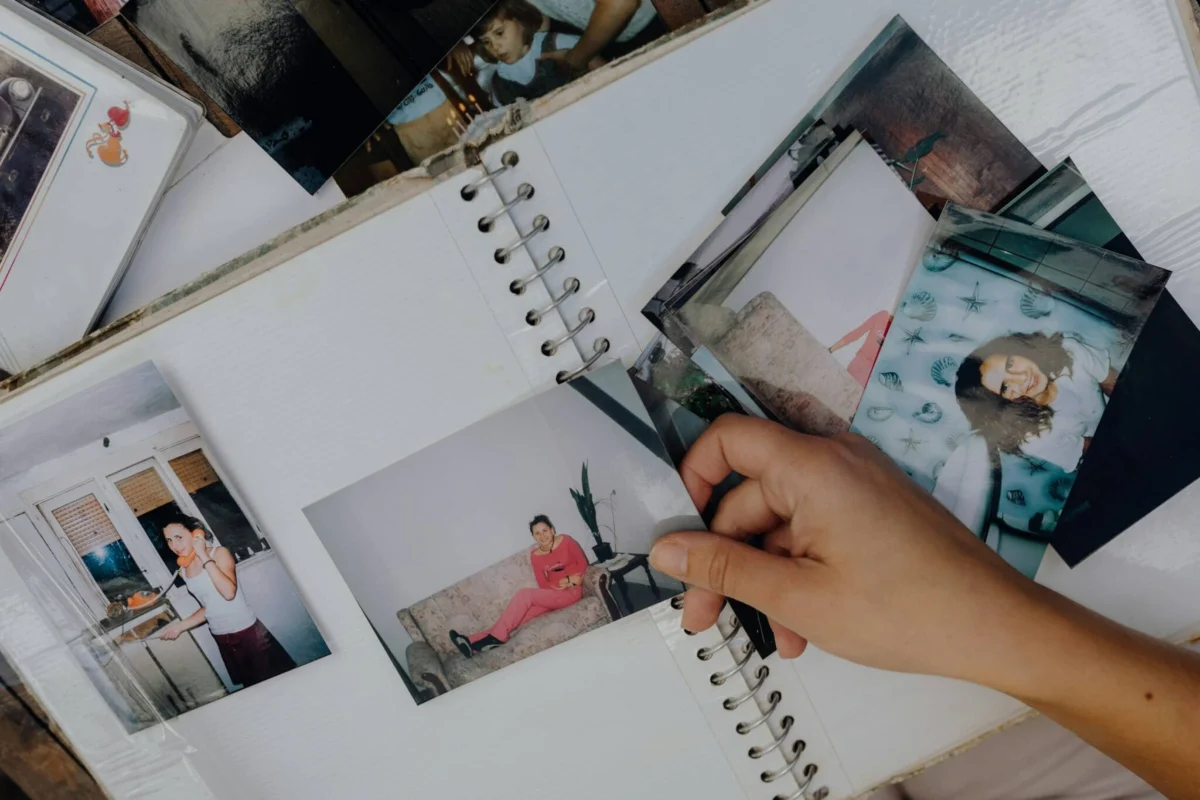
- 9 Months Prior: The commencement of "Swedish Death Cleaning" (Döstädning), where Liz began labeling family photos and identifying items for donation or specific heirs.
- 6 Months Prior: Direct "legacy conversations" with nieces and nephews regarding specific responsibilities, such as pet care and the continuation of family traditions.
- Final Weeks: Peaceful closure with family members, ensuring no words of gratitude were left unsaid.
- The Aftermath: A funeral service led by Joe Darago (serving as the family pastor) where the focus remained entirely on Liz’s character rather than the logistics of her estate.
Supporting Data: The Impact of Proactive Planning
Research suggests that Liz’s proactive approach is the exception rather than the rule, yet it provides measurable benefits to family stability.
1. Legal Safeguards and the "Trust" Advantage
Liz’s decision to move beyond a simple will to a living trust was pivotal. According to Investopedia, a trust allows assets to pass to beneficiaries without the time-consuming and public process of probate. For the Darago family, this meant the executor—Joe’s sister—avoided hundreds of hours of bureaucratic hurdles. In the United States, probate can take anywhere from six months to two years and consume 3% to 7% of the estate’s value in fees. By documenting her coin collection, retirement accounts, and two properties within a trust, Liz eliminated the primary catalyst for family litigation: ambiguity.
2. The Psychological Weight of "Stuff"
The "minimalist" approach to end-of-life planning is gaining traction as a psychological necessity. A study from the University of Arizona found that "clutter" in the homes of the deceased can lead to increased cortisol levels in grieving heirs, a phenomenon known as "dispossession stress." By partially clearing closets and filing papers, Liz reduced the "decision fatigue" her family would eventually face.

3. Preservation of Oral History
Aunt Liz served as the family historian. In the U.S., the "Genealogy Services" market has grown into a $3 billion industry, largely because families realize too late that their history has died with their elders. Liz’s decision to designate a successor (Joe) and curate specific letters and notes ensured that the family narrative remained intact.
Official Responses: Perspectives on Legacy
Joe Darago, speaking from his dual perspective as a non-profit leader and a grieving nephew, emphasizes that minimalism is not about the absence of things, but the presence of purpose.
"No one mentioned her possessions at the funeral," Darago noted. "They spoke of how she made them feel, how present she was, and how she faithfully encouraged others. The irony is that her intentionality regarding her possessions is what allowed us the space to focus on her character."
Darago’s experience at The Hope Effect, which focuses on providing family-based care for orphaned children, informs his view on the "inheritance of values." He argues that the most significant gift an elder can leave is a "clean hand-off"—one that does not burden the next generation with the task of cleaning up a life, but rather empowers them to carry on a legacy.
Estate planning experts mirror Darago’s sentiment. "The greatest gift you can give your family is a roadmap," says Sarah Thompson, a senior estate coordinator not affiliated with the family. "When a loved one dies, the brain is in a state of ‘fog.’ Expecting heirs to make rational decisions about a basement full of 50-year-old documents is a recipe for resentment."
Implications: A Roadmap for the "Silver Tsunami"
The Darago case study offers a scalable model for families navigating the "Silver Tsunami"—the aging of the Baby Boomer generation. The implications of Liz’s actions suggest three critical steps for those looking to protect their family’s emotional health:
1. The Normalization of Death Conversations
Society often treats death as a taboo subject, yet Liz’s willingness to discuss her passing "openly, honestly, and with peace" was her most meaningful gift. Experts suggest that these conversations should be initiated by both the elder and the heirs, framed not as a discussion of mortality, but as a discussion of "honoring wishes."
2. The "Family Historian" Succession Plan
As Liz did, elders should identify who will carry the "mantle" of family history. This involves more than just passing down boxes; it requires the active labeling of photos (a "pro-tip" Darago emphasizes) and the storytelling behind heirlooms. Without the story, the object is merely clutter; with the story, it becomes a treasure.
3. The Shift from "Will" to "Living Legacy"
The Darago family’s experience suggests that end-of-life planning should be viewed as a "living" process. Minimalism in this context is about clearing the path so that love and gratitude can be expressed while the individual is still alive.
Conclusion
As Joe Darago returns to his work at The Hope Effect, he carries with him the artifacts of his aunt’s life—not as a burden of "stuff" to be sorted, but as a curated collection of memories. Aunt Liz’s exit from the world was as quiet and steady as her life had been. By setting up a trust, simplifying her environment, and speaking the "hard truths" of her departure, she ensured that her family’s final goodbye was defined by peace rather than paperwork.
In the final analysis, the Darago story serves as a poignant reminder: Minimalism isn’t just a lifestyle for the young and trendy; it is a profound act of mercy for the end of life. As Darago concludes, "May we all be brave enough to start the conversation, kind enough to preserve the stories, and wise enough to speak our love while there’s still time."