The Anatomy of a Blockbuster Misfire: Why Will Smith’s ‘Wild Wild West’ Failed the Legacy of its Source Material
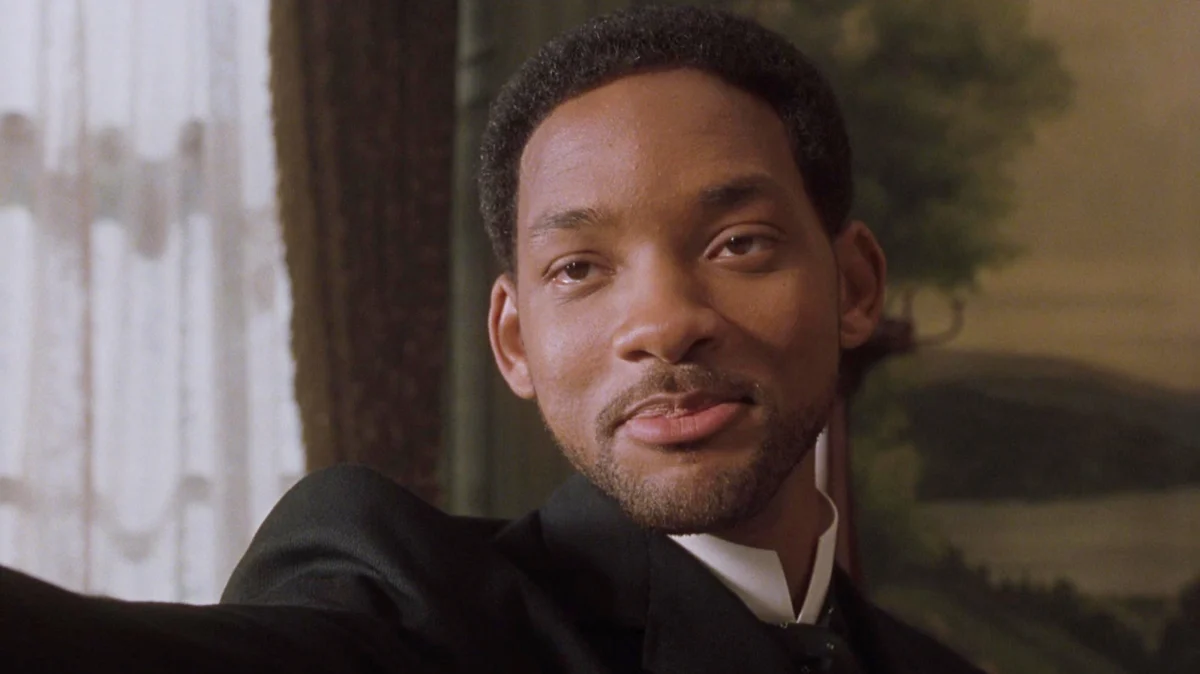
The summer of 1999 is often cited by cinephiles and industry historians as one of the most transformative and high-quality seasons in Hollywood history. It was a period that birthed cultural juggernauts and critical darlings alike, including The Matrix, The Sixth Sense, The Blair Witch Project, Notting Hill, The Iron Giant, and Eyes Wide Shut. Dominating the box office conversation was George Lucas’s return to a galaxy far, far away with Star Wars: Episode I – The Phantom Menace. However, amid this gold rush of cinematic innovation stood one of the most expensive and high-profile disappointments of the decade: Barry Sonnenfeld’s Wild Wild West.
Starring Will Smith—then the undisputed king of the July 4th weekend—the film was intended to be a tentpole franchise-starter. Instead, it became a cautionary tale of how a massive budget, a superstar lead, and a beloved intellectual property can result in a "lead balloon" if the creators fundamentally misunderstand the "point" of the original work. Decades later, the film remains a fascinating study in tonal inconsistency and the perils of the "spoof-adjacent" blockbuster.
Main Facts: A Collision of High Concept and High Budget
Wild Wild West (1999) was a reimagining of the classic 1960s television series The Wild Wild West. With a staggering production budget of approximately $170 million—an astronomical sum at the time—the film was tasked with blending the Western genre with science fiction, comedy, and "steampunk" aesthetics.
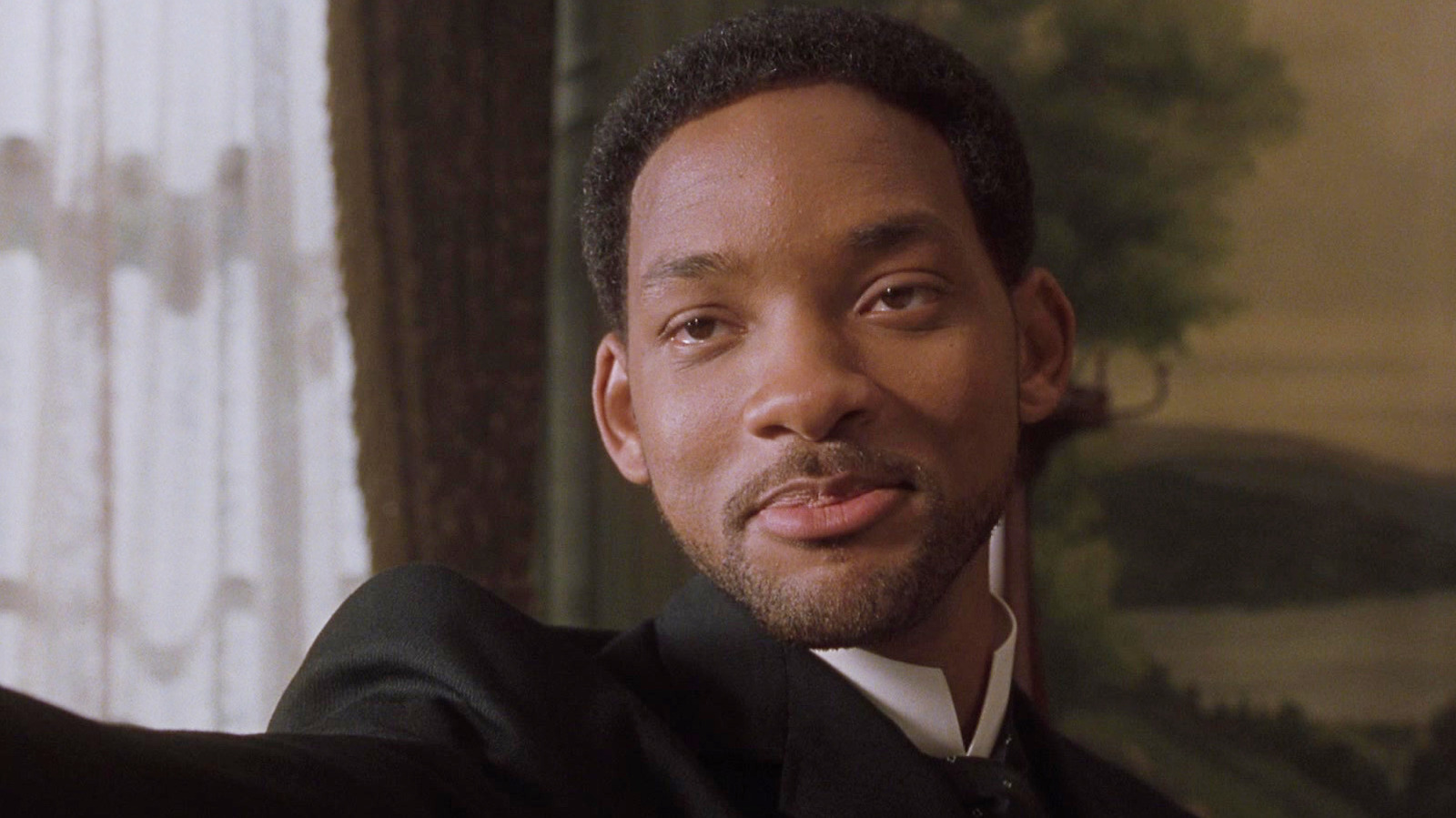
The plot followed two Secret Service agents, Captain James West (Will Smith) and Artemus Gordon (Kevin Kline), as they attempted to protect President Ulysses S. Grant from a diabolical, wheelchair-bound Confederate scientist, Dr. Arliss Loveless (Kenneth Branagh). Loveless’s ultimate weapon was an 80-foot mechanical spider, a plot point that has since become synonymous with the meddling of producer Jon Peters.
Despite the star power and a chart-topping theme song by Smith, the film was savaged by critics. It currently holds a dismal 17% rating on Rotten Tomatoes. While it grossed $222 million globally, its massive production and marketing costs meant it was a financial failure for Warner Bros. More importantly, it alienated the very fan base that had kept the original series in syndication for thirty years.
Chronology: From 1960s "Spy-Fi" to 1990s Excess
The Original Vision (1965–1969)
When Michael Garrison created The Wild Wild West in 1965, he pitched it as "James Bond on a horse." This was the height of the "Spy-Fi" craze, fueled by the success of the 007 films and The Man from U.N.C.L.E. The show starred Robert Conrad as James West, a rugged, physical, and intensely serious Secret Service agent, and Ross Martin as Artemus Gordon, a master of disguise and technical wizardry.
The series was unique for its time, blending traditional Western tropes with Jules Verne-esque gadgetry. It was played relatively straight; the stakes were high, the villains were genuinely menacing, and the action choreography was top-tier for 1960s television.
The Development Hell of the 90s
By the mid-1990s, Hollywood was obsessed with turning old TV shows into big-budget features (Mission: Impossible, The Fugitive, The Addams Family). Director Barry Sonnenfeld, coming off the massive success of Men in Black, was seen as the perfect choice to bring Wild Wild West to the screen.
The project famously cost Will Smith the role of Neo in The Matrix. Smith turned down the Wachowskis because he found the concept of The Matrix difficult to grasp and felt more comfortable with Sonnenfeld’s track record. George Clooney was originally attached to play Artemus Gordon but dropped out, leading to the casting of Kevin Kline—a decision Sonnenfeld later suggested contributed to the film’s lack of chemistry.
Supporting Data: Why the Adaptation Missed the Mark
The primary critique of the 1999 film is its failure to respect the internal logic and tone of the original series. Several data points and creative choices highlight this disconnect:
1. The Tonal Shift: Action vs. Spoof
The original show was an action-adventure series with light comedic elements. The 1999 film, however, leaned heavily into broad, slapstick comedy and "buddy cop" tropes. By making the characters constantly bicker and engaging in "pun-heavy" dialogue, the film drained the tension out of the narrative. When the movie tried to raise the stakes—such as Loveless’s threats of mass execution—the audience was already conditioned to view the world as a cartoon.
2. The Erasure of Competence
In the 1960s series, James West was a "bruisingly proficient" fighter. Robert Conrad performed many of his own stunts, lending the character a sense of physical danger. In the movie, Will Smith’s West is often portrayed as a victim of the plot or a foil for slapstick. Similarly, Kevin Kline’s Artemus Gordon was written as a buffoonish tinkerer rather than the sophisticated, intellectual equal to West seen in the show.
3. The Dr. Loveless Controversy
One of the most egregious departures involved the villain. In the original series, Dr. Miguelito Loveless was played by Michael Dunn, a gifted actor with dwarfism. Loveless was a fan favorite because he was a brilliant, tragic figure who used his intellect to compensate for a world that looked down on him.
The 1999 film cast Kenneth Branagh and reimagined the character as a double-amputee who used a steam-powered wheelchair. Not only did this remove the specific pathos of the original character, but it also replaced a pioneering role for a disabled actor with a "theatrical" performance that many found offensive or merely grating.
Official Responses: Regrets and Recriminations
The fallout from Wild Wild West was public and long-lasting.
- Robert Conrad’s Defiance: The original James West, Robert Conrad, was notoriously unhappy with the film. He was so offended by the adaptation that he attended the Golden Raspberry Awards (The Razzies) in person to collect the three "Worst Picture" trophies the film won. Conrad stated that the movie lacked the heart of the show and criticized the casting, suggesting that if they wanted to diversify the lead, actors like Wesley Snipes or Denzel Washington would have better captured the "gravitas" of James West.
- Will Smith’s Admission: Ten years after the release, Will Smith admitted that the film was a mistake. In his memoir and various interviews, he confessed that he was "chasing celebrity" rather than "chasing artistry." He noted that the success of Independence Day and Men in Black had made him feel invincible, leading him to overlook the script’s flaws.
- Barry Sonnenfeld’s Theory: In his memoir, Best Possible Place, Worst Possible Time, Sonnenfeld argued that the movie could have worked if George Clooney had remained in the cast. He believed the chemistry between Smith and Clooney would have grounded the film, whereas Kline’s more eccentric approach pushed the movie too far into the realm of the absurd.
Implications: The Legacy of a "Lead Balloon"
The failure of Wild Wild West had significant implications for the industry and the careers of those involved.
The End of the "TV-to-Film" Gold Rush
While reboots never truly go away, Wild Wild West served as a warning that a recognizable brand name was not a guarantee of success. It proved that audiences could detect when a project was "soulless" or overly reliant on special effects at the expense of character.
Will Smith’s Career Pivot
The film broke Will Smith’s streak of July 4th dominance. While he remained a massive star, the experience made him more cautious about high-concept blockbusters. It arguably paved the way for him to seek out more dramatic, "Oscar-bait" roles in the early 2000s, such as Ali and The Pursuit of Happyness, as he sought to regain his standing as a "serious" actor.
The Steampunk Stigma
For a time, Wild Wild West became the face of the "Steampunk" genre in Hollywood. Its failure made studios wary of the aesthetic for years, fearing that the blend of Victorian technology and modern sensibilities was too "niche" or "weird" for general audiences.
Conclusion
Ultimately, Wild Wild West failed because it was a movie that seemed embarrassed by its own premise. By mocking the gadgets, the villains, and the hero’s competence, it gave the audience permission to stop caring. The original 1960s series worked because it treated its "Bond in the West" concept with sincerity and style. The 1999 film, by contrast, was a $170 million joke where nobody was laughing. It remains a definitive example of how Hollywood can lose the "point" of a classic story in the pursuit of a summer hit.