The Rise of the "K-Noir" Powerhouse: Why ‘Bloodhounds’ Is Netflix’s Most Compelling Action Secret
In the sprawling landscape of global streaming, few regions have influenced the cultural zeitgeist as profoundly as South Korea. While Squid Game and Parasite opened the floodgates for Korean social thrillers, a quieter but equally visceral revolution has been taking place in the action-noir genre. At the forefront of this movement is Bloodhounds, a series that has managed to transition from a sleeper hit to a definitive staple of Netflix’s international catalog. Combining the kinetic energy of professional boxing with a scathing critique of predatory capitalism, Bloodhounds has solidified its place as a must-watch for fans of high-stakes, "John Wick-esque" storytelling.
Main Facts: The Anatomy of a High-Octane Bromance
Bloodhounds, based on the popular webtoon of the same name by Jeong Chan, is a gritty, eight-episode (Season 1) action thriller that delves into the dark underbelly of Seoul’s private loan industry. At its core, the series is a character study of two young boxers whose lives intersect in the ring but whose fates are sealed on the streets.
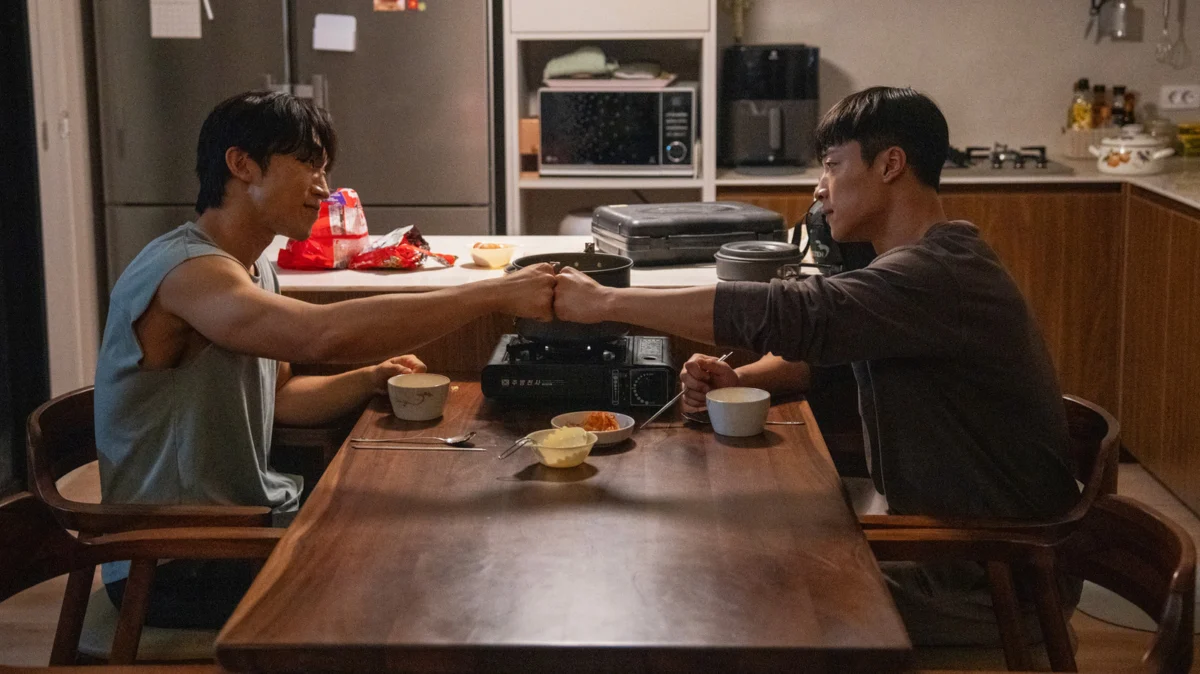
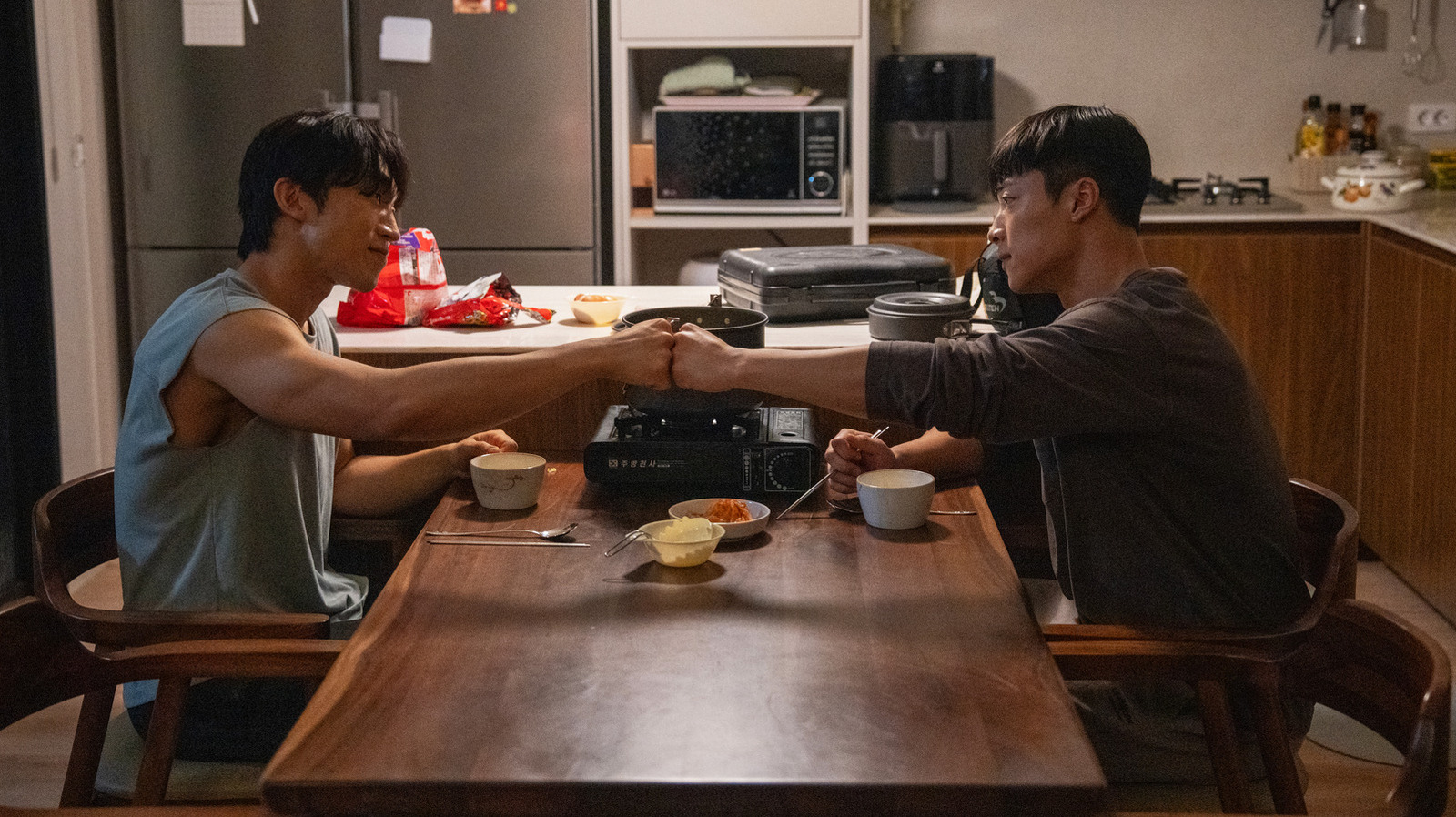
The narrative follows Kim Gun-woo (played by Woo Do-hwan), a disciplined, soft-spoken boxing prodigy with a heart of gold, and Hong Woo-jin (played by Lee Sang-yi), a charismatic, tactical brawler who initially serves as Gun-woo’s rival. Their relationship quickly evolves from competitive sportsmanship into a deep, "ride-or-die" brotherhood. This "bromance" serves as the emotional anchor of the series, providing a stark contrast to the cold, calculating brutality of their environment.
The conflict ignites when Gun-woo’s mother falls prey to Smile Capital, a predatory moneylending firm led by the sociopathic Kim Myeong-gil (Park Sung-woong). Finding themselves outmatched by a system designed to keep the poor in debt, the duo teams up with President Choi (Huh Joon-ho), a legendary figure in the moneylending world who now provides interest-free loans to those in medical need. What follows is a tactical war involving street-level brawls, corporate espionage, and a relentless pursuit of justice that operates outside the boundaries of the law.
Chronology: From Webtoon Origins to a Global Hit
The journey of Bloodhounds to the small screen was marked by both creative ambition and significant production hurdles.
2021–2022: Development and Casting
The series was announced as part of Netflix’s aggressive expansion into Korean original content. Director Kim Joo-hwan, known for the action-horror hit The Divine Fury, was tapped to lead the project. Casting was finalized in late 2021, with Woo Do-hwan choosing Bloodhounds as his comeback project immediately following his mandatory military service—a fact reflected in his remarkably disciplined physical transformation for the role.
2023: The Season 1 Launch and Controversy
The first season premiered on June 9, 2023. However, the production faced a major crisis mid-filming due to a real-life legal incident involving lead actress Kim Sae-ron, who played the pivotal character Hyeon-ju. Following a DUI incident, the production team had to halt filming and significantly rewrite the final two episodes to minimize her screen time without compromising the narrative integrity. Despite these logistical nightmares, the show debuted to massive viewership, quickly climbing into the Netflix Global Top 10 (Non-English) category.
2024: Renewal and Season 2 Production
Following the overwhelming success of the first eight episodes, Netflix officially greenlit a second season. Production for Season 2 reportedly began in early to mid-2024, with both Woo Do-hwan and Lee Sang-yi confirmed to return. The news was met with immense fan enthusiasm, as the first season’s ending left the door open for the duo to tackle even larger criminal syndicates.
Supporting Data: Viewership and Critical Reception
The success of Bloodhounds is not merely anecdotal; it is backed by impressive performance metrics that underscore the global appetite for Korean action content.
- Global Reach: Within its first two weeks of release, Bloodhounds racked up over 81 million hours viewed, reaching the #1 spot on Netflix’s Global Top 10 TV (Non-English) list. It remained in the Top 10 in over 80 countries, including the United States, Brazil, France, and Japan.
- Critical Acclaim: On review aggregator Rotten Tomatoes, the series maintains a high audience score, with viewers praising the "sincerity" of the lead performances and the "unflinching" nature of the fight choreography. Unlike many Western action series that rely on "shaky cam" and rapid cuts, Bloodhounds utilizes long takes and wide angles, allowing the actors’ physical training to shine.
- Physical Preparation: To achieve the physique of professional welterweight boxers, Woo Do-hwan and Lee Sang-yi reportedly underwent six months of intensive training, including daily four-hour boxing sessions and strict caloric deficits. This commitment to realism has been cited by critics as the reason the show’s violence feels uniquely "heavy" and impactful.
Production Design: Boxing as a Metaphor for Survival
One of the most distinctive elements of Bloodhounds is its use of boxing as a narrative device. While many action shows utilize generic martial arts, Bloodhounds specifically focuses on the mechanics of boxing—footwork, head movement, and the "one-two punch."
In the show’s philosophy, boxing is the "purest" form of combat because it requires one to take a hit as much as give one. This serves as a metaphor for the protagonists’ lives: they are "little guys" who are constantly being hit by a rigged economic system, yet they refuse to stay down. The action sequences are choreographed to reflect the characters’ personalities; Gun-woo’s style is defensive and precise, reflecting his moral discipline, while Woo-jin’s style is more adaptive and aggressive, reflecting his street-smart background.
Furthermore, the series is set during the height of the COVID-19 pandemic. By incorporating masks, social distancing, and the specific economic hardships of 2020-2021, the show grounds its fictional violence in a reality that feels uncomfortably familiar to the audience. This "pandemic-noir" setting heightens the desperation of the characters and makes the villainy of the loan sharks feel even more egregious.
Official Responses and Industry Impact
Netflix executives have frequently cited Bloodhounds as a prime example of the "K-Content" strategy working at scale. Don Kang, Netflix’s Vice President of Content (Korea), has noted that the platform’s $2.5 billion investment in Korean stories is driven by the global resonance of themes like social inequality and the resilience of the human spirit.
"The success of Bloodhounds demonstrates that local stories with specific cultural nuances—like the unique structure of the Korean private loan market—can find a massive audience if the emotional core is universal," industry analysts have noted.
The series has also been praised by the boxing community in South Korea for its respectful and accurate portrayal of the sport. Unlike older "tough guy" tropes, the show emphasizes the importance of sportsmanship and the mental fortitude required to be a professional athlete.
Implications: The Future of the Franchise and the Genre
The implications of Bloodhounds‘ success are two-fold: it secures the future of the franchise and signals a shift in the "K-Drama" brand.
Season 2 Expectations
With Season 2 currently in development, expectations are high. The narrative is expected to move beyond the local loan shark rings of Seoul and potentially explore international crime or higher-level political corruption. Fans are particularly eager to see how the chemistry between Gun-woo and Woo-jin evolves now that they have transitioned from amateur boxers to seasoned vigilantes.
The Evolution of K-Noir
For years, Korean dramas were internationally synonymous with "rom-coms" and "historical epics." However, the success of Bloodhounds, alongside titles like My Name and The Glory, suggests that Netflix is successfully pivoting toward a "hard-boiled" aesthetic. This "K-Noir" genre is characterized by high production values, extreme physical violence, and a focus on male-centric bonding and revenge.
Cultural Commentary
Finally, Bloodhounds serves as a grim reminder of the global debt crisis. By highlighting how easily a "normal" life can be dismantled by a single predatory loan, the series taps into a collective anxiety shared by viewers worldwide. It transforms the action genre from mindless entertainment into a visceral form of social protest.
In conclusion, Bloodhounds is far more than a "hidden secret" on a streaming platform; it is a masterclass in action filmmaking that balances bone-crunching violence with a tender exploration of friendship. As viewers wait for the second season to drop, the first remains a definitive example of why South Korea continues to be the world’s most exciting exporter of modern television. If you haven’t yet entered the ring with Gun-woo and Woo-jin, there has never been a better time to witness the "one-two punch" of Netflix’s best action series.