EA’s Bold "Synergy" Play: In-Game Advertising Poised to Reshape Player Experiences and Brand Engagement
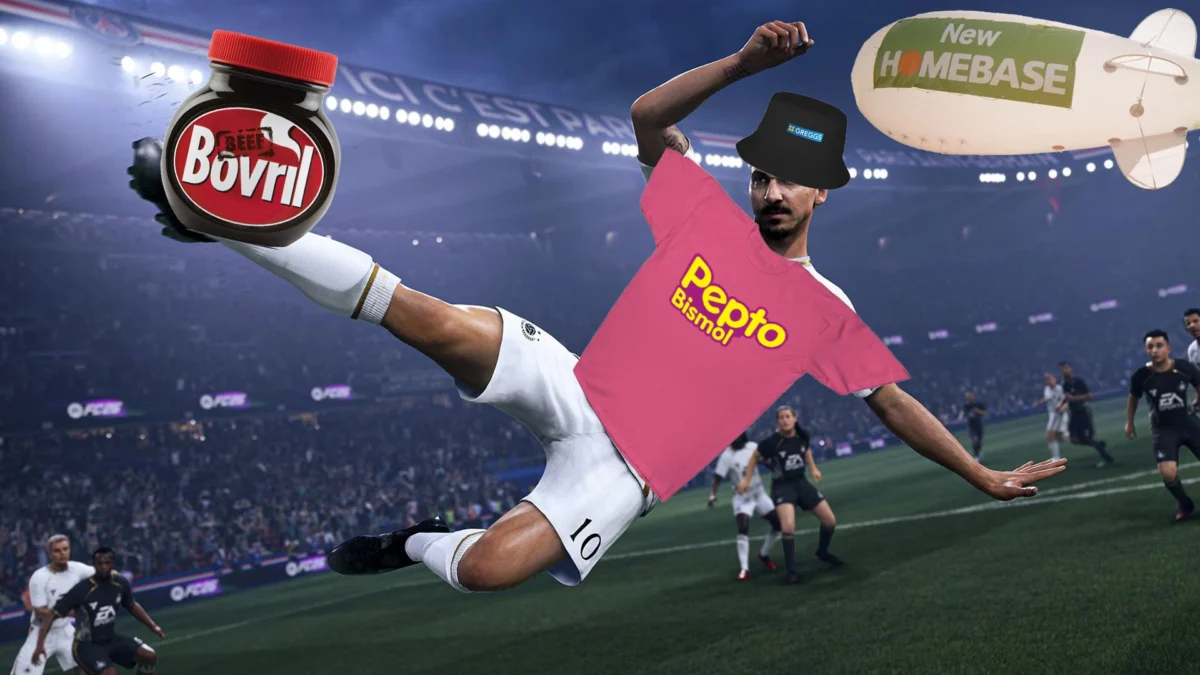
Electronic Arts (EA), a titan in the video game industry, has unveiled a significant new initiative aimed at integrating brands more deeply into its diverse portfolio of games and live services. Dubbed "EA Advertising," the platform promises to transform how companies connect with audiences through in-game billboards, interactive sponsorships, and custom brand experiences. While EA touts this as a natural evolution in player engagement and a boon for brand authenticity, critics argue it represents a desperate bid for revenue amidst mounting financial pressures and a broader industry trend toward aggressive monetization.
The announcement, detailed in a comprehensive press release, positions EA Advertising as a cutting-edge solution for brands seeking to reach the expansive and highly engaged player base across titles like EA Sports FC, Madden NFL, and The Sims. This move signifies a strategic pivot, leveraging the immense playtime and captive audiences within EA’s digital worlds to create new revenue streams. However, the strategy has also drawn skepticism, with many questioning the purported benefits to players and the underlying motivations driving this aggressive advertising push.
The Genesis of EA Advertising: A Strategic Evolution or a Financial Necessity?
EA’s foray into enhanced in-game advertising is not entirely unprecedented. The company has a history of integrating branded content, notably with The Sims franchise. Packs like "The Sims 2: H&M Fashion Stuff" and "The Sims 2: IKEA Home Stuff" offered players virtual merchandise and themed environments from real-world brands. These earlier integrations, while controversial at the time, laid the groundwork for the more sophisticated and widespread approach now being implemented.
The press release highlights the sheer scale of player engagement across EA’s titles. For instance, it’s stated that players of Madden NFL collectively play "the equivalent of 23,000 NFL seasons every day." This astronomical figure underscores the potential for brands to achieve unprecedented reach and frequency of exposure. EA’s vision is to move beyond passive billboards, envisioning "authentic, interactive experiences" that genuinely connect brands with their target demographics.
One of the showcased examples of this new paradigm is Mountain Dew’s "Dew University." This initiative goes beyond simple product placement, offering a custom stadium, a unique mascot, and an integrated reward ecosystem within the game. While EA presents this as a way to enhance the player experience by weaving brands into the fabric of the game world, skeptics imagine scenarios where gameplay is punctuated by overt promotional content, potentially disrupting immersion.
Chronology of In-Game Brand Integration at EA
The history of brands appearing within EA’s games can be traced back to early forms of product placement. However, a more deliberate and integrated approach began to take shape with the expansion of downloadable content (DLC) and dedicated branded expansion packs.
- Early Product Placement: Throughout the late 1990s and early 2000s, subtle product placements, such as brand logos on virtual vehicles or in background environments, were common across various EA sports titles and other genres.
- Branded Expansion Packs (The Sims): The Sims franchise, in particular, became a testing ground for more direct brand integration.
- The Sims 2: H&M Fashion Stuff (2007): This pack allowed players to acquire virtual clothing and accessories from the popular fashion retailer H&M, directly integrating the brand’s aesthetic and products into the game.
- The Sims 2: IKEA Home Stuff (2008): Similarly, this pack introduced IKEA furniture and décor, enabling players to furnish their Sims’ homes with recognizable brand items. The subsequent inability to renew the IKEA license for later collections like "The Sims 2 Legacy Collection" suggests that while EA profited from these integrations, the licensing arrangements might have been complex and not always long-term.
- Dynamic In-Game Advertising: With the advent of always-online games and live services, EA began implementing more dynamic in-game advertising, including virtual billboards that could be updated remotely. This allowed for real-time brand presence within sports titles like FIFA (now EA Sports FC) and Madden NFL.
- EA Advertising Platform Launch (2026): The recent announcement of the "EA Advertising" platform marks a significant escalation. This formalized platform aims to provide a comprehensive suite of tools and opportunities for brands to integrate across EA’s entire ecosystem, moving beyond static billboards to interactive and experiential campaigns.
Supporting Data: The Scale of Opportunity
The sheer volume of data EA can leverage regarding player behavior is a key factor driving the development of EA Advertising. The company’s press release and related investor materials provide compelling figures that illustrate the potential reach and engagement:
- Massive Player Base: EA consistently boasts hundreds of millions of active players across its global network. While specific numbers fluctuate, the cumulative audience represents a significant portion of the global gaming population.
- Extensive Playtime: As highlighted with Madden NFL’s "23,000 NFL seasons played daily," the amount of time players spend within EA’s games is immense. This sustained engagement creates numerous opportunities for brand impressions and interactions.
- Targeted Demographics: EA’s diverse game library caters to a wide array of demographics. Sports titles attract a significant male audience, while franchises like The Sims appeal to a broader and often younger demographic. This allows brands to select games that align with their specific target markets.
- Data-Driven Insights: EA possesses a wealth of data on player preferences, playstyles, and in-game purchasing habits. This information can be invaluable for advertisers seeking to tailor their campaigns for maximum impact and relevance. The "Dew University" example, with its custom stadium and reward system, suggests EA’s capacity to create bespoke, data-informed brand integrations.
- Revenue Projections: While not publicly detailed, the strategic impetus behind EA Advertising strongly suggests significant revenue growth projections. The company’s financial health and its ability to service substantial debt burdens are likely key drivers for maximizing monetization opportunities.
Official Responses: EA’s Vision for a Synergistic Future
EA’s official statements regarding the EA Advertising platform are framed with an emphasis on innovation, player value, and brand authenticity. The company’s leadership articulates a vision where brands are not intrusive but rather enhance the gaming experience.
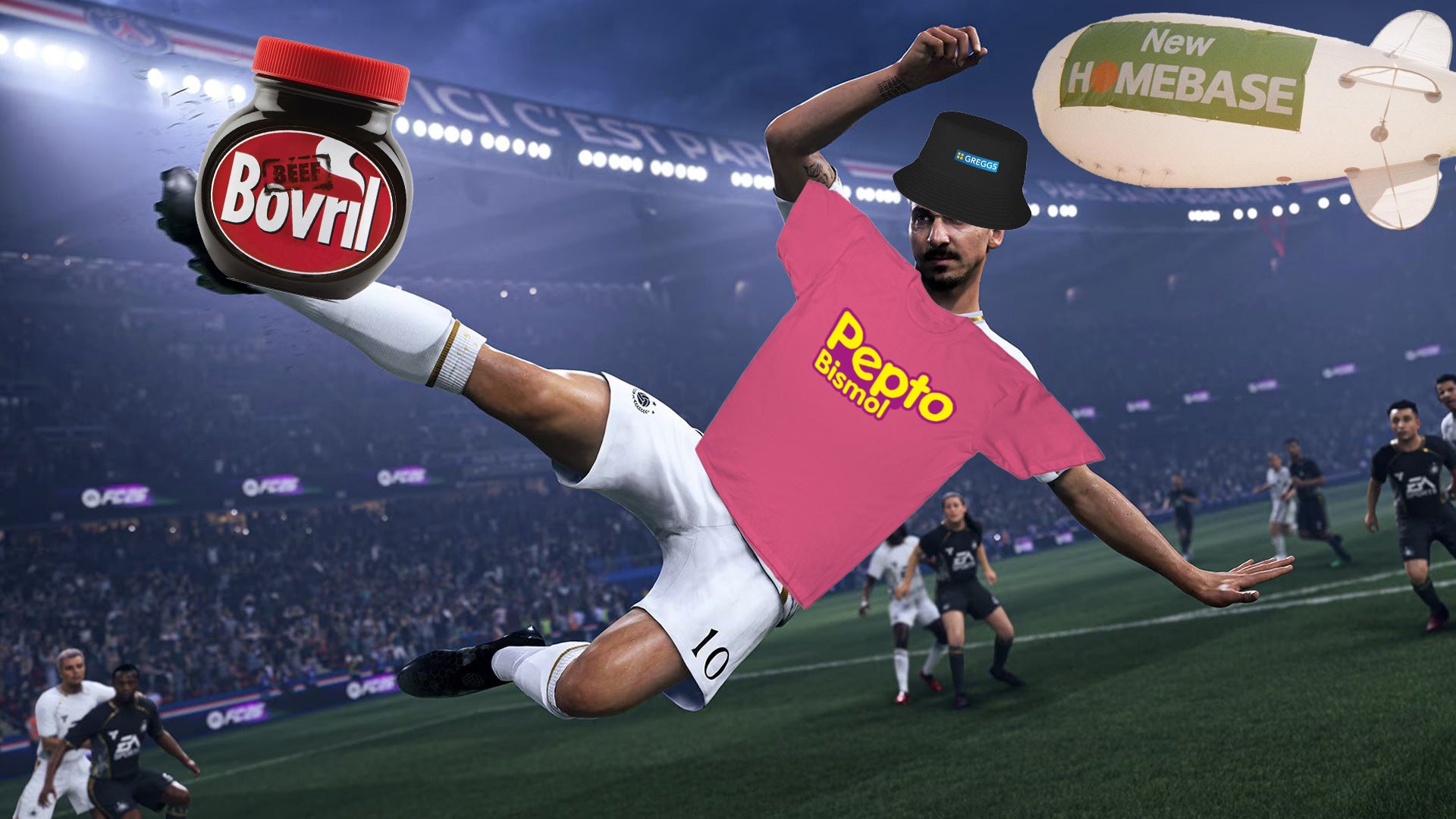
In the press release announcing the platform, EA stated: "EA Advertising is transforming how brands connect with audiences by offering innovative solutions that deliver meaningful engagement within our beloved games and live experiences. We are dedicated to creating opportunities for brands to integrate seamlessly and authentically, enriching the player journey and providing new avenues for discovery and interaction."
The language used by EA consistently focuses on "synergy," "authenticity," and "meaningful engagement." They aim to position these advertising initiatives as a natural extension of the game world, rather than an unwelcome interruption. For example, when discussing the potential of their sports titles, EA executives have alluded to opportunities for brands to "come to play alongside [players]," suggesting a level of interactivity that goes beyond passive observation.
The "Dew University" example is frequently cited as a prime illustration of this philosophy. EA claims that by providing a custom stadium, mascot, and reward ecosystem, Mountain Dew is not just advertising but actively participating in the game’s narrative and player progression. This approach, EA argues, allows players to "meaningfully engage" with brands in a way that feels organic to the gaming experience.
However, EA’s framing has been met with considerable skepticism. Critics point to the inherent tension between the goals of authentic player experience and aggressive monetization. The suggestion that brands are being "subsidized" by players, as recently echoed by Microsoft CEO Satya Nadella regarding YouTube’s role in game monetization, hints at a broader industry struggle to balance revenue generation with player satisfaction. EA’s emphasis on "synergy" is seen by some as a euphemism for maximizing profit by leveraging player time and attention.
Implications: The Shifting Landscape of Gaming Monetization
The launch of EA Advertising has far-reaching implications for the gaming industry, player expectations, and the financial strategies of major publishers.
1. Increased Monetization Pressure and Financial Health:
The most immediate implication is EA’s intensified pursuit of revenue. The article subtly hints at EA’s significant debt burden, potentially stemming from a leveraged buyout. This financial pressure necessitates aggressive strategies to generate income. EA Advertising represents a direct attempt to tap into the lucrative advertising market, which is already a cornerstone of many digital industries.
This trend is not unique to EA. Microsoft CEO Satya Nadella’s recent comments about "not monetizing" Xbox games properly, suggesting that more monetization happens on YouTube than within Microsoft’s own platforms, underscore a widespread industry concern. This points to a growing recognition among major players that the traditional models of game sales and even in-game purchases might not be sufficient to sustain their operations and growth ambitions. The desire to "subsidize" entertainment through more robust monetization strategies could lead to further integration of advertising across various gaming platforms.
2. Redefining Player Experience and Immersion:
The core debate revolves around whether these integrated advertisements will enhance or detract from the player experience. EA’s vision of "authentic, interactive experiences" suggests a desire to weave brands into the gameplay narrative in a way that feels organic. However, the risk of such integrations becoming intrusive, disruptive, or even exploitative is significant.

The article’s sarcastic depiction of Mountain Dew’s Dew University, imagining players being bombarded with product-related events and power-ups, highlights a common player concern: that gameplay might be designed around advertising opportunities rather than pure player enjoyment. This could lead to a dilution of immersion, where players are constantly reminded of the commercial interests at play, potentially undermining the escapism that many seek in video games.
3. The Rise of "Creative" Advertising vs. Creative Games:
The article draws a parallel between the pursuit of monetization and the potential impact on game development creativity. Satya Nadella’s comments, coupled with EA’s advertising push, suggest a scenario where companies prioritize revenue-generating "creative" advertising solutions over investing in the development of genuinely innovative and exciting games.
This shift in focus could lead to a phenomenon where publishers become more risk-averse, opting for established, profitable genres and prioritizing games that offer ample opportunities for monetization, including advertising. The mention of Microsoft’s "reset," involving potential layoffs, studio closures, and the cancellation of games deemed not "profitable in the middle ground," illustrates this trend. The focus on maximizing existing assets and revenue streams might come at the expense of nurturing bold, experimental, or niche titles that could push the boundaries of interactive entertainment.
4. Industry-Wide Impact and Competitive Response:
EA’s aggressive move into advertising is likely to spur similar initiatives from other major publishers. As the industry grapples with increasing development costs and the need for continuous revenue streams, in-game advertising is poised to become a more ubiquitous feature across various platforms and genres. This could lead to a more competitive advertising landscape within games, with publishers vying for brand partnerships and developing increasingly sophisticated integration methods.
The article also touches upon the potential negative consequences of such a focus, such as the closure or spin-off of studios like Double Fine, which is known for its unique and often non-mainstream titles. If the industry prioritizes games that can easily accommodate advertising, studios that operate outside these profitable models may find themselves increasingly vulnerable.
In conclusion, EA Advertising represents a significant development in the ongoing evolution of game monetization. While EA positions it as a win-win for brands and players, the underlying financial motivations and the potential impact on player immersion and game development creativity warrant close scrutiny. The industry stands at a crossroads, where the pursuit of revenue through advertising may redefine the very nature of the gaming experience, potentially shifting the focus from creative artistry to commercial enterprise.