Resilience in the Grey: The Emergence of Zine Dump and the Rebirth of Toronto’s DIY Scene
Main Facts: A New Pillar for a Fragmented Community
In the winter of 2025, Toronto’s independent arts community found itself at a precarious crossroads. For decades, the city’s identity had been tethered to a vibrant, albeit struggling, network of "third places"—the bars, bookstores, and DIY venues that provided a sanctuary for creative expression outside the dictates of corporate interest. However, a series of systemic shocks had left this landscape looking increasingly desolate. The closure of iconic institutions like the Velvet Underground and the Imperial Pub, coupled with the collapse of the nation’s premier zine festival, Canzine, left a vacuum that many feared would never be filled.
Into this "miasma of melancholy," as local observers described it, stepped Zine Dump. Debuting at the Cecil Community Centre, Zine Dump was more than just a marketplace; it was a defiant statement of cultural continuity. Organized by a collective of seven dedicated creators—Jenn Woodall, Paterson Hodgson, Jonathan Rotsztain, Christopher Hubbarde, Eden Martin, Alexander Arvelo McQuaig, and François Villeneuve—the event sought to reclaim the spirit of independent media in the wake of political controversy and economic displacement.
The fair was characterized by several defining features:

- A Grassroots Response to Institutional Collapse: It emerged directly as a replacement for Broken Pencil Magazine’s Canzine after the latter faced a community-led boycott.
- Radical Inclusivity and Care: The event maintained a strict masking policy and partnered with Mask Bloc Toronto to ensure accessibility for the disabled and immunocompromised.
- Political Engagement: Organizers and vendors utilized the space to take firm stances on global issues, specifically regarding Palestinian solidarity and anti-Zionist advocacy within the arts.
- High Demand: Despite being an inaugural event held during a transit-crippling snowstorm, the fair received over 200 vendor applications, signaling a desperate hunger for physical community spaces.
Chronology: Navigating the Icy Path to the Cecil Centre
The morning of the inaugural Zine Dump was quintessential Toronto: a study in grey. The city, often described by residents as a "cactus" that hurts more the tighter one holds on, presented its usual gauntlet of obstacles. Track work on the TTC’s Line 1 had shuttered stations between St. Andrew and St. George, forcing attendees to navigate the biting cold on foot.
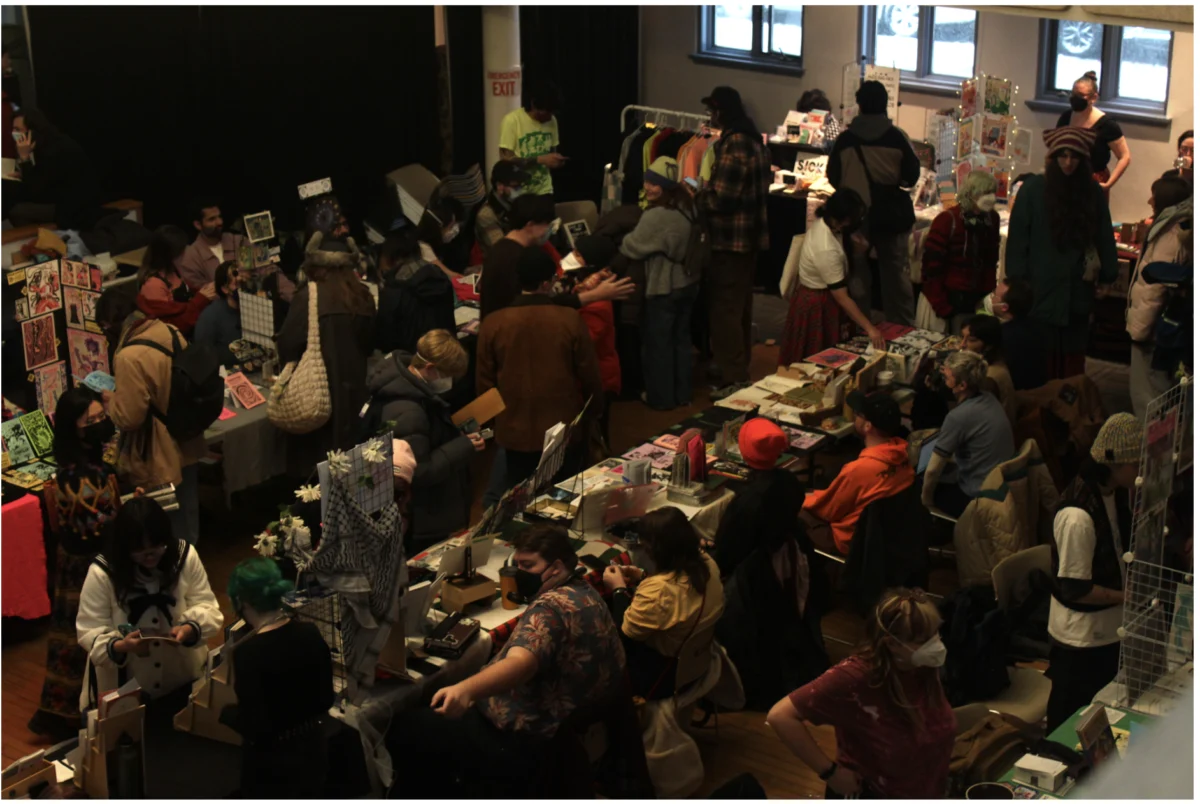
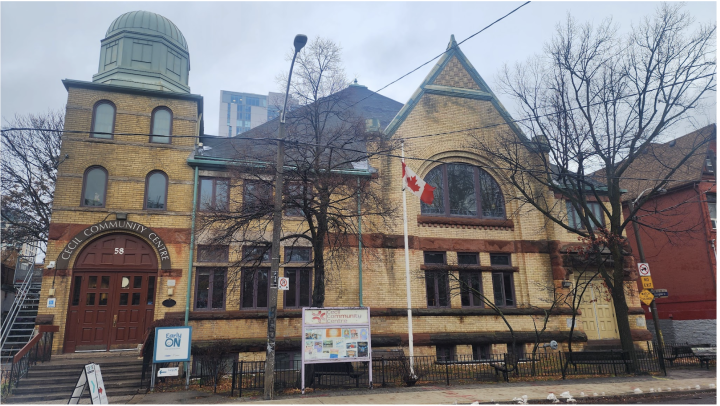
By mid-morning, however, the atmosphere around 58 Cecil Street began to shift. The grey silence of the residential road was broken by the arrival of the "zine-scensters." Small clusters of people, masked and bundled in heavy coats, gathered outside the Cecil Community Centre. The presence of smokers huddled near the entrance—often a bellwether for the vitality of a DIY event—signaled that something significant was happening inside.
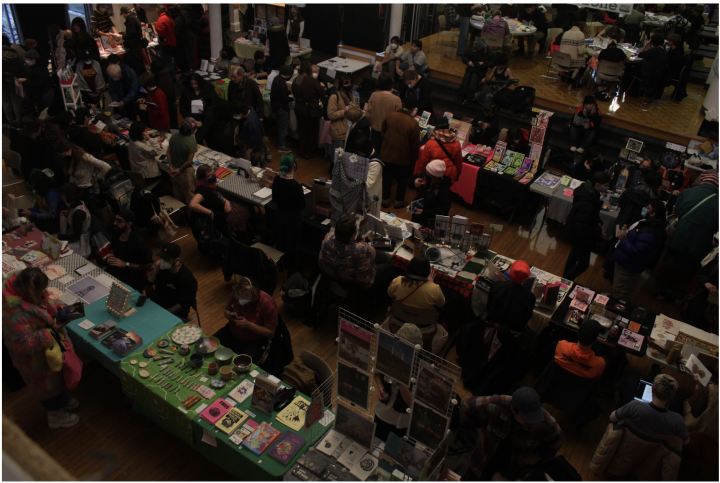
As the doors opened, the stark, utilitarian aesthetic of the community centre was transformed. The interior became a "quilt stitched together with an array of colors," as vendors unpacked hand-folded booklets, screen-printed posters, and experimental media. The first hour of the event was designated as mandatory masking, a policy that reflected the organizers’ commitment to community health.
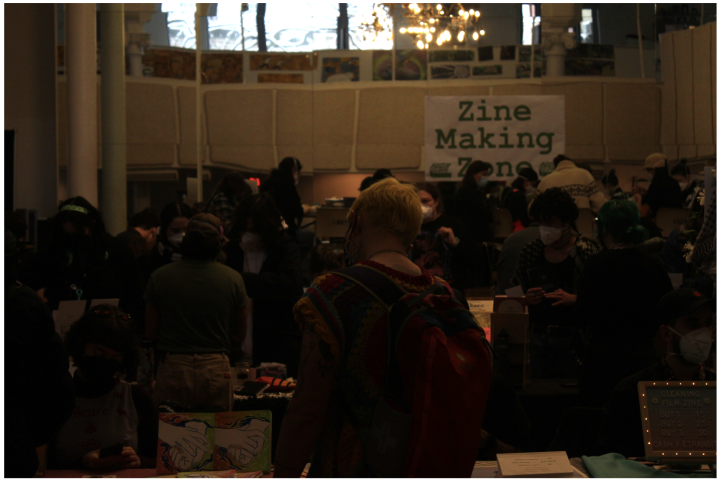
Throughout the afternoon, the venue reached a fever pitch of activity. The narrow passages between booths were packed with "tight clots" of people moving from table to table. By the time the event concluded in the late afternoon, the organizers’ gamble had clearly paid off. Despite the snow and the transit failures, the turnout proved that the city’s appetite for independent media had not been extinguished by the loss of its previous institutional anchors.
Supporting Data: The Statistics of a Thriving Subculture
The success of Zine Dump can be measured not just in atmosphere, but in the sheer volume of participation and the diversity of the work presented. The organizers reported receiving over 200 applications for a limited number of tables, forcing a rigorous curatorial process.
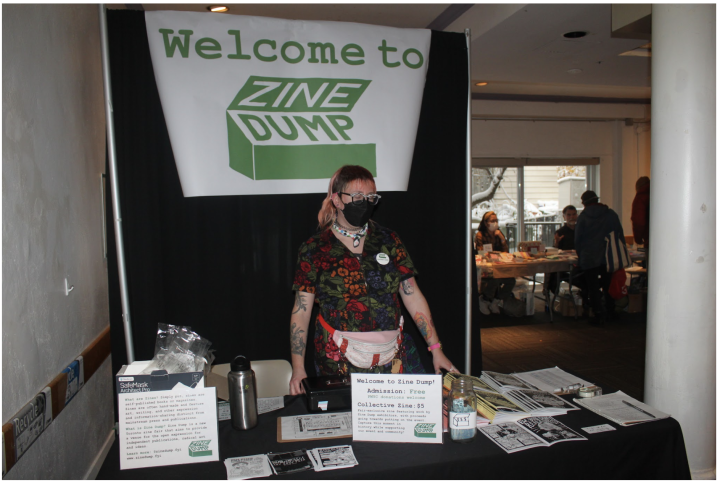
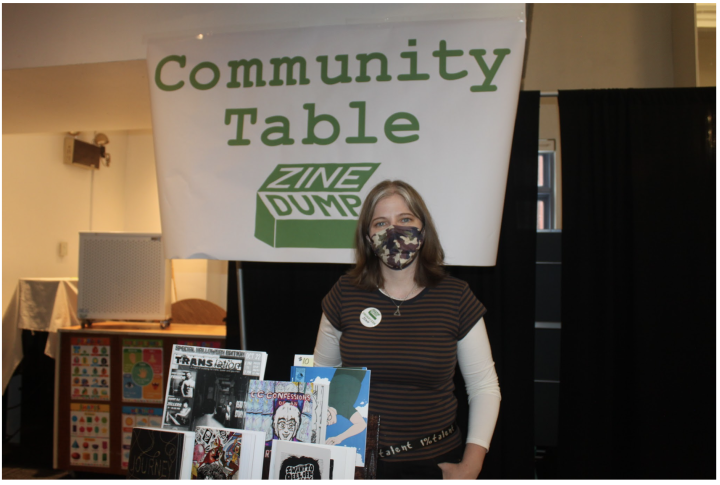
The "Collective Zine Table" at the entrance served as the event’s centerpiece, featuring a commemorative publication with cover art by Woodall and Hodgson. This collective approach ensured that even those who couldn’t secure a full booth could have their voices heard.
The diversity of the "niche" projects on display was a testament to the breadth of the GTA’s creative output:
- Music and Sound: Patrick Larkin’s Faces of Life project explored the intersection of noise music and physical packaging, treating the medium as an art object to combat the digital devaluation of music.
- Regional Anthologies: Bonk’d, a comics anthology from Hamilton represented by Sunny Singh, and Paterson Hodgson’s Pulping series, highlighted the regional interconnectedness of the Southern Ontario arts scene.
- Urban Ecology: Sarah Gifford’s Pigeon Kiss utilized the ubiquitous city bird as a symbol of metropolitan unity, even including flyers for patrons to participate in a collaborative wheat-pasting project.
- Literary Debut: Suchita Chadha’s When Told to Remember represented a growing trend of writers moving away from "corporate spaces for publishing" toward the autonomy of the zine format.
Official Responses: Organizers and Participants on the Record
The organizers were candid about the pressures of launching a large-scale event in the current economic climate. Jenn Woodall, one of the lead organizers, noted the anxiety of the first-year launch: "It’s always hard to know how a first-year event is going to go… everyone’s really happy to be here. We’ve had a lot of nice compliments from the community already."
Paterson Hodgson elaborated on the "void" left by the disappearance of previous third places. "I think there is that void, there’s that lack of third-places to see zines and meet people who are making independent media and art, so I think people are craving that," Hodgson stated. She emphasized that the high volume of applications confirmed that the "word was out there," and that the community was ready to mobilize.
The political dimension of the event was also a point of official focus. Mitra Fakhrashrafi, who tabled the Art From Gaza Vol. 2 zine, spoke to the necessity of the indie scene as a site of resistance. "The indie scene really exists to combat [censorship and whitewashing]," Fakhrashrafi said. "We’re just excited to be here to talk to other artists about war profiteering."
From a participant perspective, Kate Fane, creator of Enjoy the Silence, described the environment as "creatively rejuvenating." Her work, which focuses on "anti-communication" and the burnout associated with the "dead internet," found a natural home in the tactile, slow-media world of Zine Dump.
Implications: The Future of the "Third Place" in the Digital Age
The emergence of Zine Dump carries significant implications for the future of Toronto’s cultural life and the broader Canadian arts landscape.
1. The Rejection of the "Dead Internet"
A recurring theme among both vendors and attendees was the desire for physical media as an escape from the "constant stream of media and advertising" found online. As digital spaces become increasingly monetized and algorithmic, the zine fair offers a rare "creatively rejuvenating environment" where the primary goal is the exchange of ideas rather than clicks. This suggests that the future of DIY culture lies in its "physicality"—the ability to touch, trade, and collect objects that cannot be deleted or altered by a platform.
2. Community Care as a Structural Requirement
The partnership with Mask Bloc Toronto and the implementation of air purifiers and masking policies set a new standard for event organizing. It suggests that for a community to be truly "independent," it must take responsibility for the safety of its most vulnerable members, rather than relying on state or corporate guidelines. This "heightened level of care" is likely to become a hallmark of successful grassroots events moving forward.
3. The Decentralization of Cultural Power
The collapse of Broken Pencil and Canzine demonstrated the fragility of having a community’s infrastructure tied to a single institution or a small group of founders. Zine Dump’s collective leadership model—involving seven different organizers with varying backgrounds—offers a more resilient blueprint. By "weeding out nepotism" through a democratic voting process for applicants, the fair ensured that the "guest pool" remained fresh and representative of the city’s actual diversity.
4. Toronto as a "Cactus" vs. a Hub
While the article begins with the metaphor of Toronto as a painful cactus, the success of Zine Dump suggests that the "needles" of the city—the high cost of living, the transit failures, and the loss of venues—can be blunted by collective action. The fair proved that even in a city that feels "ghostly and ephemeral," a dedicated group can create a "north star" to guide others through the gloom.
In conclusion, Zine Dump 2025 was not merely a one-off event; it was a proof of concept. It demonstrated that even when the traditional pillars of a subculture fall, the foundation of that community—the artists, the writers, and the "pigeon enthusiasts"—remains. As the city moves toward 2026, the success of this fair serves as a reminder that the most vibrant cultures are often those that bloom in the coldest winters.