Unveiling the Vision: A Deep Dive into the Concept Art of Denis Villeneuve’s "Dune: Part One"
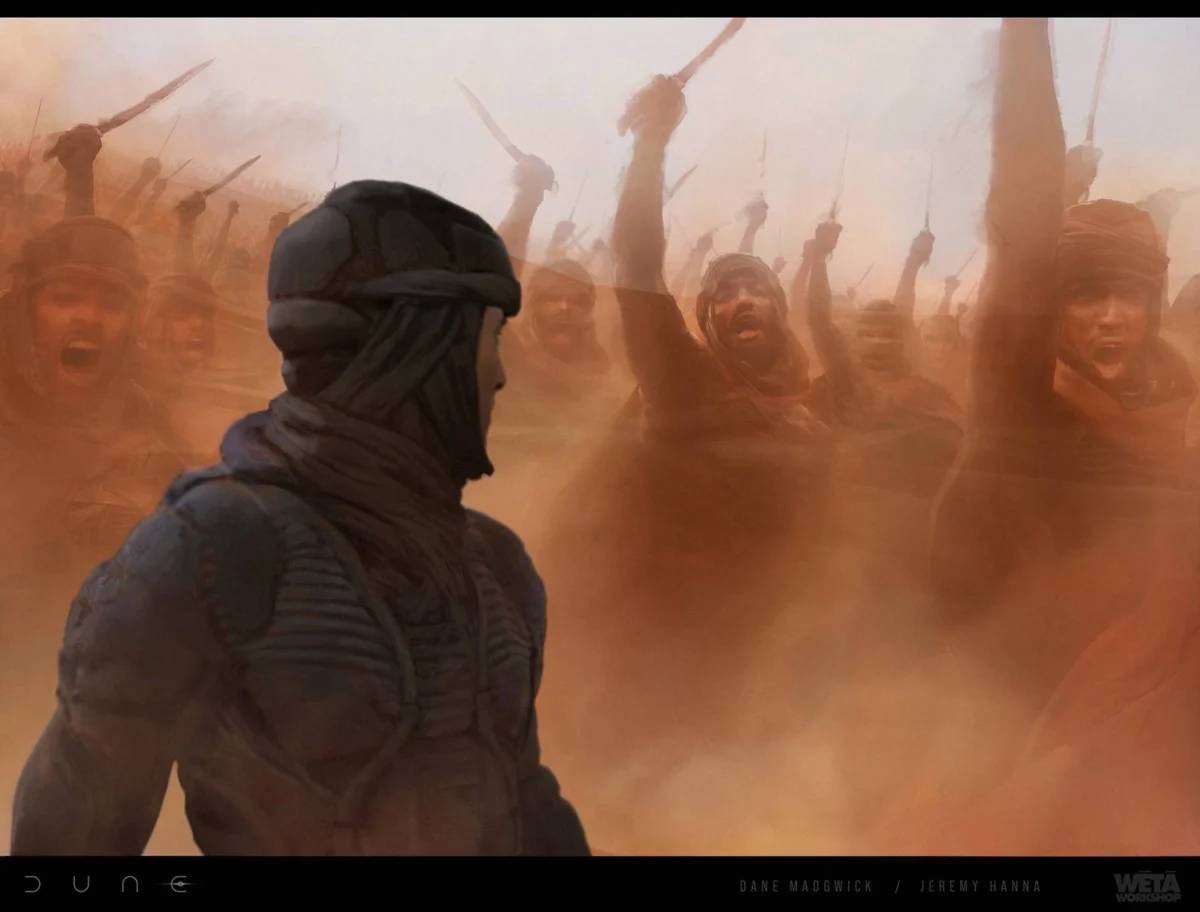
The breathtaking visual tapestry of Denis Villeneuve’s Academy Award-winning film, Dune: Part One (2021), was not conjured from thin air. It was meticulously crafted, layer by painstaking layer, through the visionary work of a dedicated team of concept artists. A remarkable collection of this foundational artwork, offering an unparalleled glimpse into the film’s genesis, has recently come to light, providing a comprehensive exploration of how Frank Herbert’s sprawling science-fiction epic was translated into a singular, immersive cinematic experience. This collection serves as a testament to the power of visual storytelling, showcasing the intricate world-building that underpins the film’s critical and commercial success.

The Genesis of Arrakis: Establishing the Aesthetic
The early sketches and foundational key art featured in this collection are crucial in understanding how the production team conceived and solidified the film’s distinct visual identity. Villeneuve’s ambition for Dune was to create a world that felt both ancient and futuristic, a delicate balance achieved through a potent blend of brutalist architecture and starkly naturalistic environments. The concept art reveals the iterative process of defining this aesthetic, demonstrating how the vast, complex narrative of Herbert’s novel was distilled into a consistent and compelling visual language.

From the imposing, monolithic structures that speak of power and a forgotten grandeur, to the unforgiving, yet strangely beautiful, desert landscapes of Arrakis, each design element was carefully considered. The artwork illustrates the exploration of scale – the immense, almost overwhelming, presence of the sandworms, the colossal nature of the spice harvesters, and the sheer, daunting expanse of the desert. This deliberate emphasis on scale not only serves the narrative but also immerses the audience in the alien world, fostering a sense of awe and vulnerability. The concept art highlights how the artists grappled with translating the novel’s internal monologues and philosophical underpinnings into tangible visual cues, ensuring that the film’s visual design resonated with the thematic depth of its source material.

A Tripartite Power Struggle: Visualizing the Factions
A significant portion of the concept art delves into the distinct visual identities of the three primary power structures that drive the narrative of Dune: House Atreides, the indigenous Fremen, and the formidable House Harkonnen. This detailed exploration offers a profound insight into the meticulous world-building process, revealing how each faction’s culture, technology, and ethos were visually defined.

House Atreides: The artwork associated with House Atreides showcases a noble, almost regal, aesthetic, albeit one tempered by a pragmatic understanding of their new, harsh environment. Designs for their armor and weaponry suggest a lineage of warriors and strategists, with a focus on functionality and elegance. The contrast between their more sophisticated technology and the raw, untamed nature of Arrakis is a recurring theme, emphasizing their displacement and the challenges they face. Early sketches might explore variations in their ceremonial attire, hinting at a rich cultural heritage, while designs for their vehicles and equipment would reflect their advanced capabilities, yet also their vulnerability when stripped of their usual support systems.

The Fremen: For the Fremen, the concept art reveals a deep connection to the desert and a profound understanding of survival. Their designs are inherently organic, drawing inspiration from the natural world of Arrakis. The iconic stillsuits, essential for water reclamation, are depicted with intricate detail, showcasing their ingenious engineering and the harsh realities of their existence. Ceremonial attire, when explored, likely reflects their spiritual beliefs and their deep reverence for the sandworms. The artwork for their weaponry, particularly the crysknife, emphasizes its sacred and deadly nature, forged from the very essence of Arrakis. The artists’ exploration of their nomadic lifestyle and their hidden sietches offers a compelling visual narrative of resilience and adaptation in the face of overwhelming odds.

House Harkonnen: In stark contrast to the other factions, the Harkonnen designs exude a sense of brutal efficiency and oppressive power. Their aesthetic is often characterized by sharp angles, dark palettes, and a deliberate lack of ornamentation, reflecting their utilitarian and ruthless nature. The concept art for their industrial machinery, their formidable warships, and their personal armor would likely emphasize their dominance and their capacity for destruction. The exploration of Baron Harkonnen’s imposing figure and his unique technological enhancements, as depicted in concept art, would further solidify their menacing presence in the film’s visual landscape.

Technical Explorations: From Technology to Survival Gear
Beyond the overarching aesthetics of the factions, the concept art provides a granular look at the technical aspects of the Dune universe. This includes:

-
Faction-Specific Technology: The visual development of the film’s technological elements is a testament to the artists’ ingenuity. This ranges from the intricate design of the ornithopters, their distinctive flapping wings captured in various stages of motion, to the colossal spice harvesters that dominate the desert landscapes. The concept art likely explores the functional aspects of these machines – how they operate, their internal mechanisms, and their scale in relation to the environment and the characters. This includes the formidable Heighliners, the colossal interstellar transport ships, whose sheer size and design convey the vast distances traveled in the Dune universe.

-
Ceremonial Attire: The costumes designed for key characters and significant events are meticulously rendered in the concept art. This includes the intricate robes of the Bene Gesserit, suggesting their mystical and influential status, the regal garments of House Atreides, and the practical yet culturally significant attire of the Fremen. The exploration of these designs goes beyond mere aesthetics; it reflects the social hierarchies, religious beliefs, and cultural nuances of each group, adding layers of depth to the film’s visual storytelling.

-
Specialized Survival Gear: For a film set on the unforgiving desert planet of Arrakis, the development of survival gear was paramount. The concept art for the Fremen’s stillsuits is a prime example, illustrating the complex network of tubes and filters designed to capture and recycle every drop of moisture. Beyond the stillsuit, other survival equipment, such as desert goggles, filtration masks, and specialized tools for navigating the treacherous sands, would have been conceptualized and visualized, showcasing the practical ingenuity required to exist on Arrakis.

The Architects of the Vision: A Glimpse at the Artists
The collection of concept art highlights the contributions of several prominent artists, each bringing their unique perspective and skill to the monumental task of visualizing Dune. This section offers a brief acknowledgment of their roles:

-
Dane Madgwick: Madgwick’s contributions likely focused on establishing key character moments and emotional resonance within the film’s visual narrative. His work might illuminate the internal struggles and spiritual journeys of characters like Jessica and Paul.

-
Deak Ferrand: Ferrand’s portfolio often showcases a mastery of environmental design and architectural concepts. His contributions would have been instrumental in defining the stark beauty and imposing nature of locations like Caladan and Arrakeen.

-
Ed Natividad: Natividad’s art often brings a dynamic and detailed approach to mechanical and character design. His work may have been crucial in developing the iconic weaponry and specialized gear used by the different factions.

-
George Hull: Hull is renowned for his ability to blend realism with imaginative concepts, particularly in vehicle and environmental design. His contributions likely enhanced the believability and grandeur of Dune‘s advanced technology and its alien landscapes.

-
Jeffrey Read: Read’s artistic sensibilities often lean towards atmospheric and evocative environments. His concept art might have captured the haunting beauty and inherent dangers of Arrakis, particularly its more desolate and imposing vistas.

-
Jerad S. Marantz: Marantz is known for his strong character and creature design. His work on Dune would have been vital in visualizing key characters, particularly the more imposing figures like Baron Harkonnen, and the iconic Fremen stillsuits.

-
Jeremy Hanna: Hanna’s art often conveys a sense of action and narrative dynamism. His concept pieces could have focused on pivotal moments of conflict and spectacle, such as sandworm attacks and aerial battles.

-
Joseph Cross: Cross’s artistic focus might have been on the practical and functional aspects of the Dune universe, particularly the design of essential gear like the Fremen stillsuits and their weaponry.

-
Kamen Anev: Anev’s contributions may have focused on architectural elements and atmospheric scenes, bringing to life the interiors and exteriors of key locations within the Dune narrative.

-
Keith Christensen: Christensen’s artistic style often blends intricate detail with a strong sense of form. His work could have been crucial in developing the nuanced designs of armor, technology, and character elements.

-
Nivanh Chanthara: Chanthara’s artistic style often explores a gritty, industrial aesthetic. His contributions to Dune likely focused on the more imposing and formidable aspects of the Harkonnen faction, particularly their weaponry and armor.

-
Peter Popken: Popken’s art might have contributed to establishing the grandeur and architectural details of key locations, such as the palaces and strongholds within the Dune universe.

-
Seungjin Woo: Woo’s artistic approach often emphasizes a sense of scale and dynamism. His work may have been integral in visualizing the colossal sandworms and the thrilling chase sequences within the film.

-
Steve Burg: Burg’s portfolio often showcases a strong understanding of mechanical design and grand-scale environments. His contributions likely played a significant role in the visualization of the film’s iconic spacecraft and industrial elements.

-
Carlos Huante: Huante’s artistic style is often characterized by a raw, visceral energy, particularly in creature and environmental design. His work on the sandworms would have been crucial in bringing these majestic and terrifying creatures to life.

The Art and Soul of Dune: A Deeper Immersion
For those captivated by the visual artistry and the intricate world-building of Dune: Part One, the official art book, "The Art and Soul of Dune," offers an even more comprehensive and in-depth exploration. This meticulously curated collection provides a treasure trove of concept art, behind-the-scenes insights, and commentary from the filmmakers and artists themselves. It serves as an indispensable companion to the film, allowing audiences to delve deeper into the creative process and gain a richer appreciation for the visual masterpiece that is Denis Villeneuve’s Dune. The availability of this book, accessible through direct links, ensures that fans can further immerse themselves in the artistry that brought Frank Herbert’s seminal work to the screen.

The collection of concept art and designs for Dune: Part One is more than just a visual archive; it is a testament to the collaborative spirit of filmmaking and the power of artistic vision. It reveals the complex journey from script to screen, highlighting the critical role of concept art in shaping the narrative, defining the characters, and ultimately, creating a world that has captivated audiences worldwide. The insights gleaned from this artwork offer a profound appreciation for the dedication, talent, and imagination that went into making Dune: Part One a cinematic landmark.