Hellraiser: Revival – A Visceral Descent into Digital Torment
The iconic, needle-laden visage of Pinhead and the Cenobites has long been a benchmark of visceral horror, a testament to Clive Barker’s boundless imagination and willingness to explore the darker, more transgressive corners of human desire and pain. While the Hellraiser film franchise has seen its share of critical and commercial ups and downs, the recent foray into interactive media with Saber Interactive’s Hellraiser: Revival promises a new dimension of terror for players to experience. This survival horror action game boldly dives headfirst into the franchise’s notorious themes of sadomasochism, extreme gore, and existential dread, offering a uniquely potent cocktail of fear and fascination.
The Unfolding Nightmare: A First Look at Hellraiser: Revival
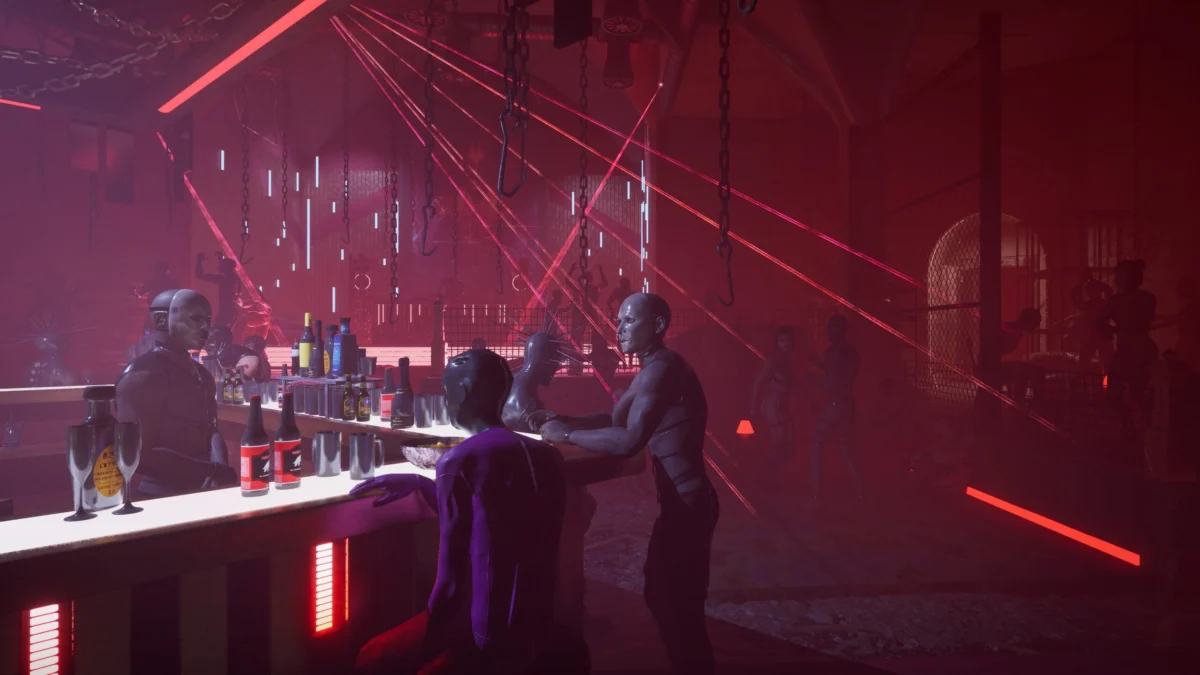
Early impressions of Hellraiser: Revival suggest a game that is not afraid to embrace the full, unadulterated depravity of its source material. Players are thrust into a world steeped in BDSM aesthetics, where the line between pleasure and pain is not just blurred, but violently obliterated. From fetish clubs adorned with explicit paraphernalia to combat encounters that involve dismemberment with weapons explicitly designed for maximum suffering, the game immediately signals its intent: to shock, to disturb, and to immerse players in a truly hellish landscape.
The gameplay loop appears to blend elements of classic survival horror with more action-oriented mechanics. Players will need to manage limited resources, scavenge for ammunition and supplies, and strategically employ both conventional weaponry and the mystical powers of the Lament Configuration – the infamous puzzle box that serves as a gateway to the Cenobites’ dimension. The game draws comparisons to titles like BioShock for its environmental storytelling, intricate level design, and the integration of special abilities, suggesting a thoughtful approach to gameplay that goes beyond mere button-mashing. However, Hellraiser: Revival distinguishes itself with an unapologetic embrace of its mature themes, pushing the boundaries of what is typically seen in mainstream video games.
A Journey Through Hell: Gameplay Mechanics and Thematic Exploration
H2: The Cenobites’ Lair: A Playground of Pain and Pleasure
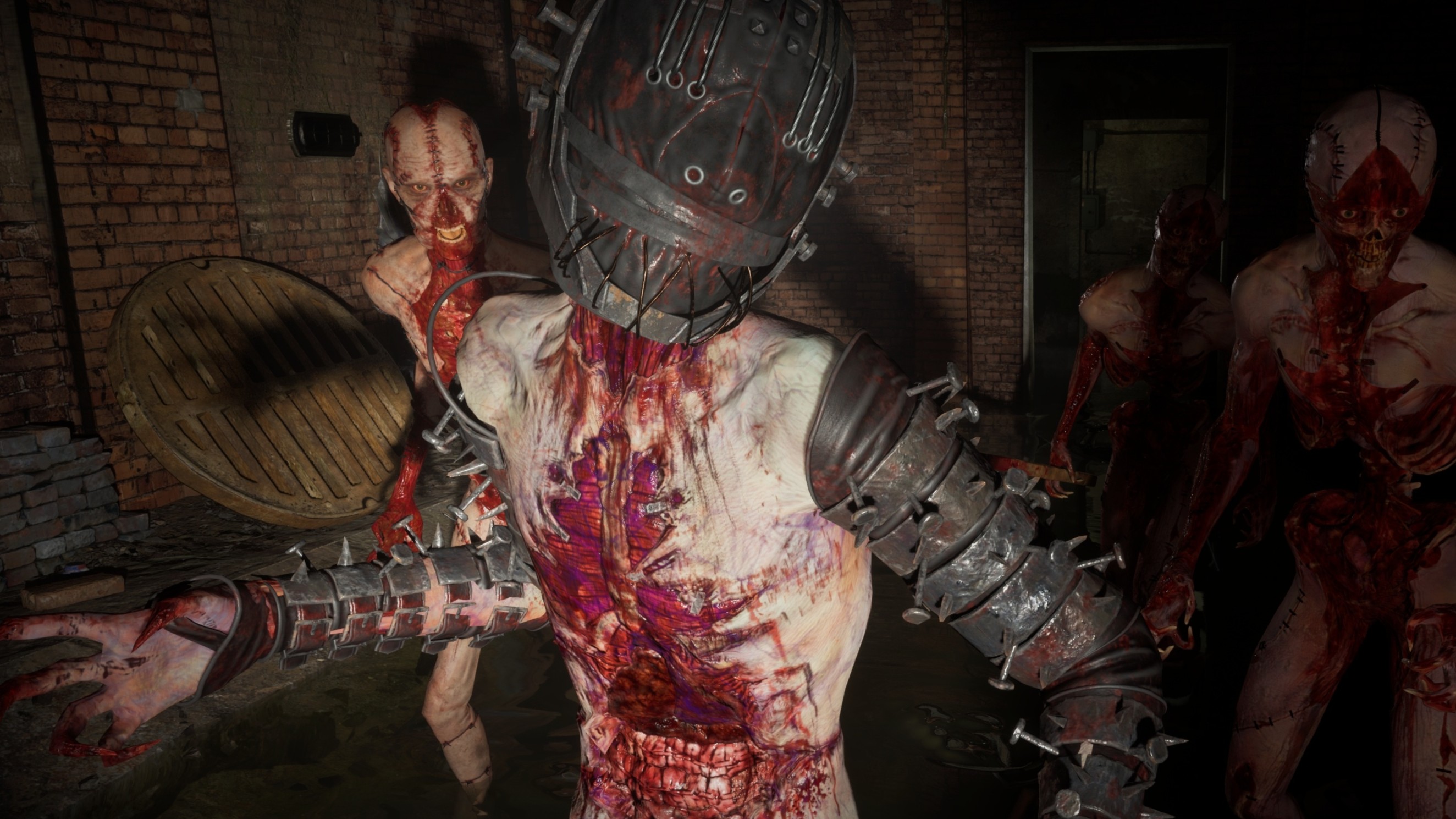
The initial hours of Hellraiser: Revival plunge players into environments that are as disturbing as they are intricately crafted. One particularly memorable level, set within a cult’s clandestine fetish club, serves as a potent introduction to the game’s tone and thematic preoccupations. This locale is a sensory overload of BDSM imagery, from suggestive flyers and provocative sex toys to the grim utilitarianism of bear traps and the disturbing armor plating worn by cultists. These enemies, clad in kink suits that double as their protective gear, are not merely fodder for the player’s aggression; they are extensions of the game’s core ethos, embodying the dangerous fusion of sexuality and violence.
Combat in Hellraiser: Revival is described as both brutal and strategic. Players wield a variety of visceral weapons, such as the "Jagged Messer," a machete with a tooltip that chillingly highlights its suitability for "disembowelment." Encounters are not always straightforward affairs. The narrative mentions a harrowing experience where the player is repeatedly knocked down by shotgun blasts from a persistent enemy, only to be saved by the timely use of the Lament Configuration. This iconic puzzle box, a staple of the Hellraiser lore, is reimagined as a dynamic tool within the game, capable of siphoning elemental energies from the environment. In this instance, the player harnesses the essence of a brazier’s flames to unleash a devastating flamethrower attack, demonstrating the creative application of the game’s supernatural mechanics.
H3: BioShock’s Shadow and Hellraiser’s Unique Darkness
The gameplay’s structure and mechanics invite comparisons to Irrational Games’ seminal title, BioShock. The tight, detailed environments, the act of rummaging through drawers for precious resources, the discovery of audio diaries that flesh out the world’s lore, and the puzzle-like gating of progress from one area to the next all echo BioShock‘s immersive sim qualities. Furthermore, the Lament Configuration’s ability to temporarily grant the player elemental powers bears a striking resemblance to BioShock‘s plasmid system.

However, Hellraiser: Revival carves out its own distinct identity through its unflinching commitment to its adult themes. The game does not shy away from the "horniness" inherent in Clive Barker’s original vision. The article explicitly notes the presence of "ball gags, vibrators, and what is definitely the first time I’ve seen the words ‘face fuck’ written in a videogame." This bold approach to content is a defining characteristic, setting it apart from even the most mature titles in the survival horror genre.
H3: Beyond the Attic: Journeying to the Hell Dimension
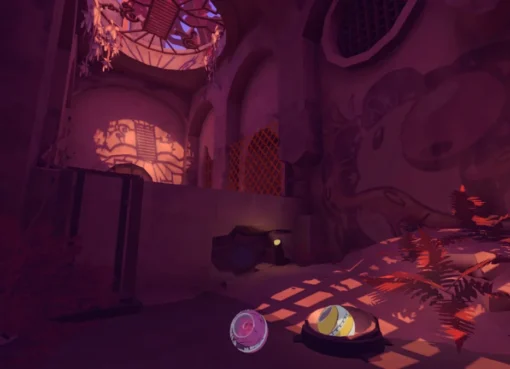
While the original Hellraiser film famously confined much of its action to a claustrophobic attic, Hellraiser: Revival expands its scope significantly. After battling through the cultists, players are teleported to the hell dimension itself. This transition marks a shift in the game’s visual and atmospheric tone, with the environment becoming more surreal and disorienting. Players navigate "spooky transforming corridors" that challenge their perception of space and reality.
The climax of this segment involves a particularly ingenious puzzle that leverages the Lament Configuration’s powers to manipulate the environment. Players must use the puzzle box to rotate the walls and floors of an Escher-like room, creating a pathway to a pedestal holding the cursed cube. This intricate puzzle design culminates in one of the most memorable interactive moments described: a simple yet profound button prompt that reads, "Press F to Increase Suffering." This interaction perfectly encapsulates the game’s thematic core, reducing the player’s ultimate goal to a stark, visceral imperative.
The "Survival Horror Action" Equation: Balancing Fear and Firepower
H2: Redefining Survival Horror: Resource Management and Tactical Engagement
Saber Interactive has labeled Hellraiser: Revival as "survival horror action," a descriptor that accurately positions it within the genre’s evolving landscape. The game appears to strike a balance between the tense resource management of traditional survival horror and the more direct combat of action titles, drawing parallels to the Resident Evil series.
A key aspect of this balance lies in the scarcity of ammunition. The author notes having only a magazine or two of spare ammo for their pistol and shotgun. This scarcity actively encourages players to utilize the Lament Configuration as a primary means of dispatching enemies, rather than relying solely on conventional firearms. This design choice fosters a more strategic and engaging combat experience, forcing players to think creatively about how they approach each encounter. Alternatively, players can opt for stealth, using environmental elements like vents to flank enemies and deliver brutal melee attacks with their machete.
H3: Echoes of the Past: Influences and Anticipated Comparisons

The game’s gritty aesthetic and emphasis on visceral combat evoke the atmosphere of early 2000s horror games, with Condemned: Criminal Origins being a notable point of reference. The raw, unrefined brutality of those titles seems to have found a spiritual successor in Hellraiser: Revival.
Looking further ahead, the game’s overtly mature and transgressive tone suggests it might eventually be compared to titles like The Darkness. That series was known for its mature themes, supernatural powers, and a certain reckless abandon in its presentation. Hellraiser: Revival, with its explicit exploration of sex, drugs, and extreme violence, appears poised to occupy a similar space, offering a mature gaming experience that pushes narrative and thematic boundaries.
H3: The Nature of Fear: Psychological vs. Visceral Horror
While Hellraiser: Revival undoubtedly delivers on the visceral, it’s important to note that it may not be aiming for outright psychological terror. The author explicitly states, "It’s not scary horror, at least to me." Instead, the game seems to excel in delivering a constant stream of shocking and disturbing moments, often described as "well that’s fucked up." This focus on immediate, impactful horror is characteristic of many modern horror games, and Hellraiser: Revival appears to lean heavily into this strength.
The game does, however, incorporate some familiar horror tropes. One less enjoyable segment described involves a looping nightmare sequence within the character’s house. This involves repeatedly searching for a missing girlfriend, with the room resetting until the player finds the correct interactive elements to progress. While not the most innovative design choice, it serves to reinforce the disorienting and inescapable nature of the hell dimension.
H3: A Commitment to the Extreme: Pushing Boundaries
Despite the occasional reliance on established tropes, Hellraiser: Revival demonstrates a remarkable commitment to its unique brand of extreme content. The mention of ASCII art of male genitalia and female breasts crudely drawn on an old Nokia phone is a testament to the developers’ willingness to inject even the smallest details with a sense of transgressive humor and shock value.
While the game may not fully capture all the nuanced queer themes present in the original Hellraiser lore, its bold exploration of sexuality and its unapologetic "horny" nature in a medium that often shies away from such overt depictions is a significant achievement. The article concludes by emphasizing this point: "Games are never this horny." This statement, while casual, highlights the game’s unique position in the market and its potential to resonate with players seeking a truly adult and boundary-pushing horror experience.
The Legacy of Hell: Implications and Future Prospects
H2: A New Dimension of Terror: The Impact of Hellraiser: Revival
Hellraiser: Revival represents a significant moment for horror video games. By directly adapting a franchise synonymous with transgressive themes and extreme gore, Saber Interactive is not only catering to existing fans but also potentially broadening the appeal of the survival horror genre. The game’s success could pave the way for more mature and thematically complex adaptations of iconic horror properties, encouraging developers to explore darker and more challenging narratives.
The game’s unapologetic embrace of its adult content also raises important questions about censorship and the evolving landscape of video game ratings. In an era where games are increasingly scrutinized, Hellraiser: Revival‘s willingness to push the envelope could spark conversations about artistic freedom and the boundaries of acceptable content in interactive media.
H3: The Cenobites’ Enduring Appeal: A Franchise Reimagined
The Hellraiser franchise has always been about more than just jump scares; it delves into the nature of desire, the consequences of unchecked ambition, and the terrifying allure of forbidden knowledge. Hellraiser: Revival appears to capture this essence by presenting players with moral quandaries and challenging them to confront their own thresholds for violence and depravity. The "Press F to Increase Suffering" prompt, while seemingly simplistic, is a profound distillation of the game’s core philosophy.
H3: From Cult Classic to Mainstream Hit?
While the author stops short of declaring Hellraiser: Revival a definitive "cult classic" in the making, the evidence presented suggests it has the potential to achieve that status. The game delivers the visceral thrills and over-the-top moments that are hallmarks of beloved B-movies, albeit in a digital format. The act of chopping off a cultist’s legs after they threaten to "nail him from cover" is a prime example of the kind of memorable, outlandish scenario that defines cult cinema.
Ultimately, Hellraiser: Revival seems poised to be a divisive yet impactful title. It’s a game that demands attention, not just for its technical execution but for its sheer audacity. Whether it becomes a mainstream success or a niche phenomenon, its commitment to bringing the full, unadulterated horror of Hellraiser to life in interactive form is an endeavor that is, at the very least, worth acknowledging and, for many, eagerly anticipating. The Cenobites have arrived in the gaming world, and they’ve brought their unique brand of torment with them.