A Descent into Matrimonial Mayhem: Mary Berman’s "Until Death" Delves into the Dark Side of Wedding Planning and Family Dynamics
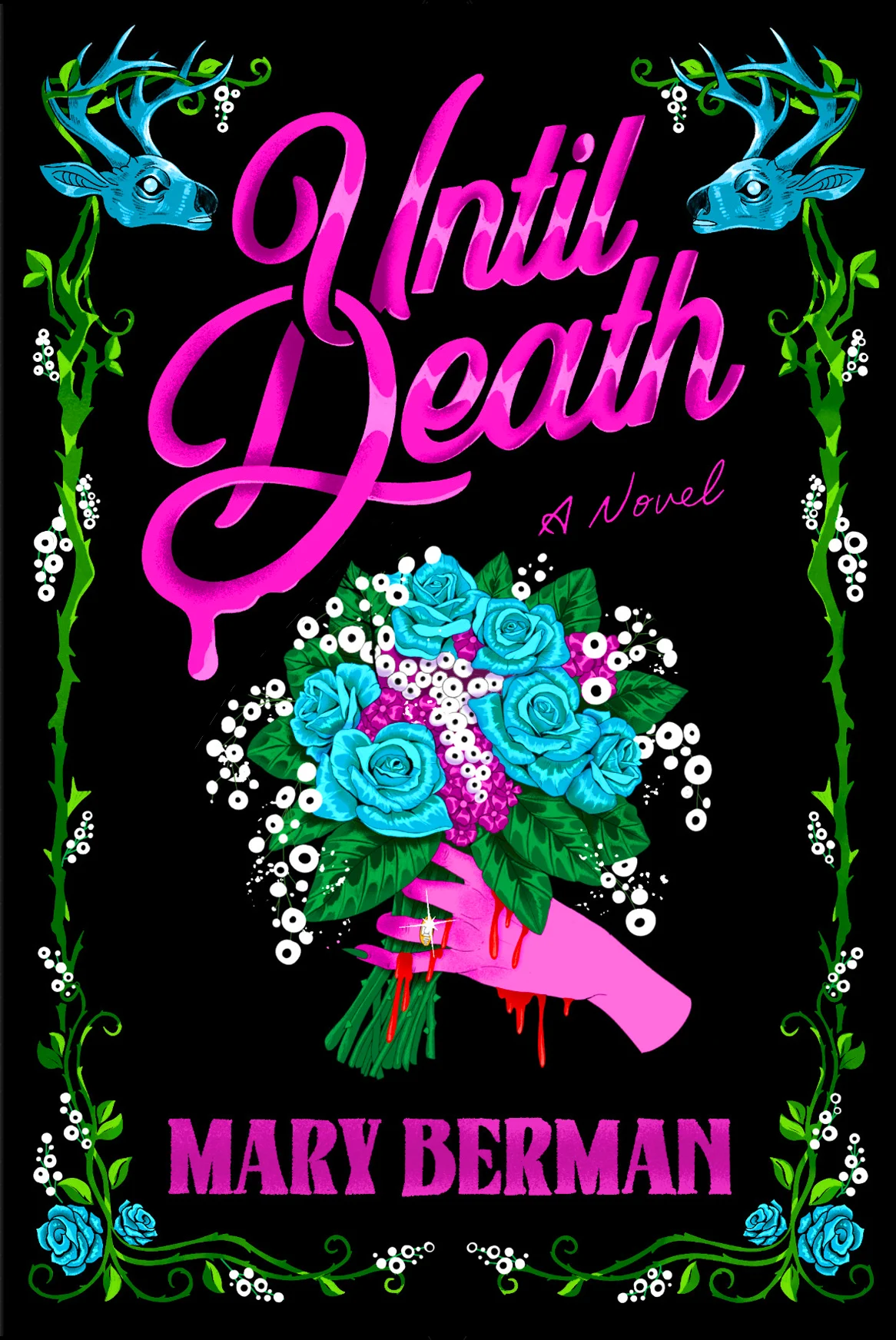
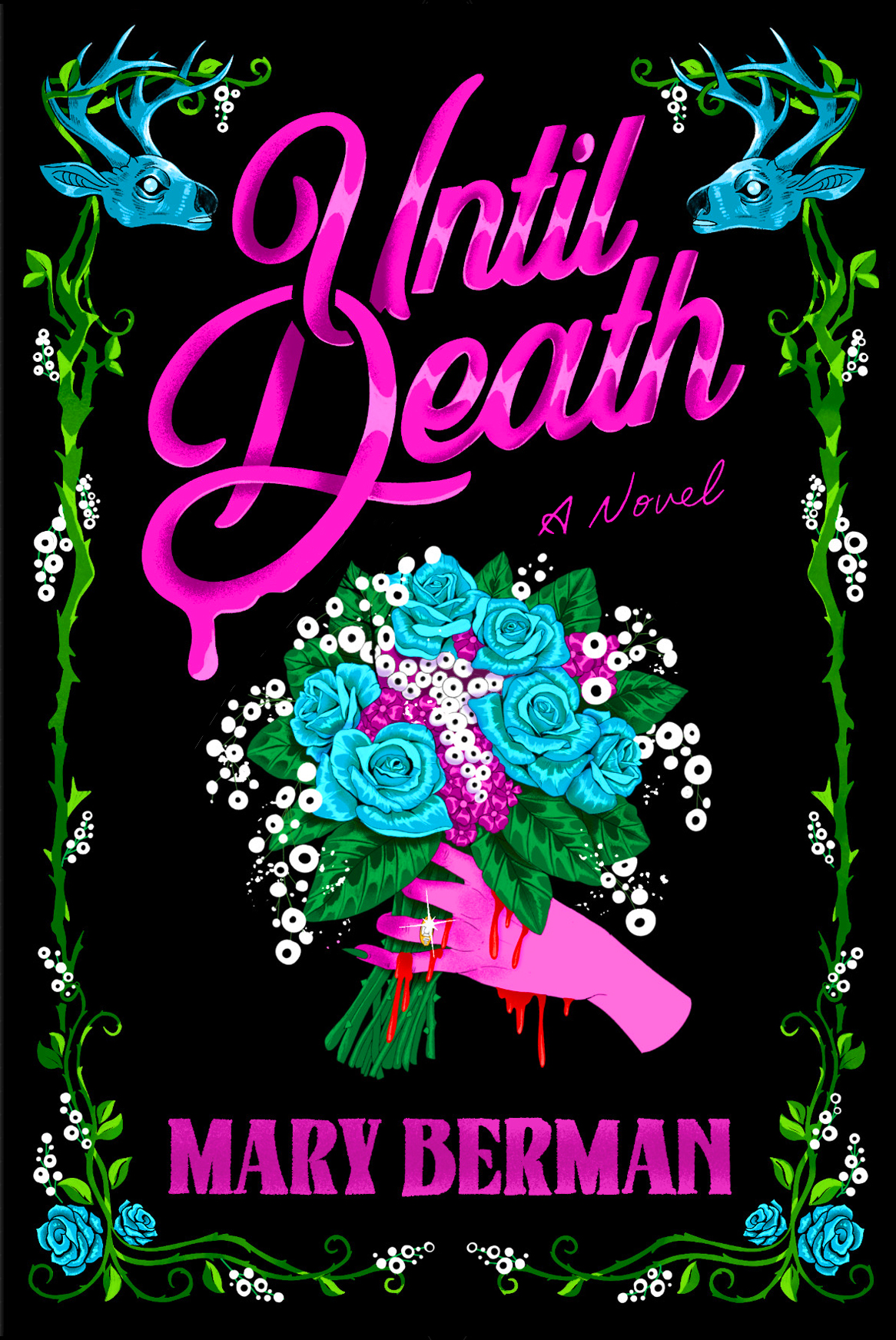
Philadelphia, PA – Debut novelist Mary Berman is poised to make a striking entrance into the literary world with "Until Death," a darkly comedic and unsettling exploration of matrimonial anxieties, familial pressures, and the surprising resilience found within complex relationships. The novel, set against the backdrop of a seemingly idyllic vineyard wedding, weaves a tale that is as much about the terrifying intricacies of wedding planning as it is about the profound, and sometimes fraught, bonds between mothers and daughters. Berman, a Philadelphia-based writer with an MFA from the University of Mississippi, draws on a unique blend of personal experience, meticulous research, and sharp wit to craft a story that resonates with both humor and a chilling undercurrent of horror.
The Unveiling of "Until Death": A Synopsis of Terror and Tenderness
"Until Death" centers on Ophelia Cohen, a protagonist who has inherited her parents’ staunch aversion to marriage. However, this conviction is challenged by the encroaching reality of her widowed mother’s dementia. The fear of her mother facing her final days alone prompts Ophelia to reconsider her stance on matrimony, especially when she meets Luke, the man who has captured her mother’s heart. What begins as a pragmatic decision to embrace marriage quickly spirals into a meticulously orchestrated nightmare as Ophelia navigates the labyrinthine world of wedding planning.
The narrative quickly escalates as Ophelia confronts a series of increasingly bizarre and unsettling events. Her mother-in-law’s escalating obsession with every minute detail, coupled with Luke’s family’s insistent desire to host the ceremony in their vineyard’s ancient chapel, hints at a darker agenda lurking beneath the surface of familial celebration. The promotional material for "Until Death" promises a "deliciously dark and funny send-up of the wedding industrial complex—and a mother-daughter story unlike any you’ve read before," hinting at the sacrifices Ophelia may have to make to ensure both her mother’s and her own survival on this momentous, and potentially perilous, day.
Berman’s Creative Crucible: Five Pillars of Insight from the Author
In a candid reflection accompanying the release of "Until Death," Mary Berman shared five pivotal lessons learned during the novel’s creation, offering readers a glimpse into the thematic bedrock of her debut work. These insights not only illuminate the novel’s core concerns but also reveal the author’s thoughtful engagement with the complexities of human experience.
1. The Futility of Spreadsheets in the Face of Human Error
Berman humorously admits to embarking on the novel without personal wedding planning experience, relying heavily on the unfiltered accounts found on Wedding Reddit for her research. This digital deep-dive revealed a crucial truth: the most daunting aspects of wedding planning are not logistical or financial, but interpersonal. As Berman states, "Hell Is Other People." Her protagonist, Ophelia, experiences this firsthand through numerous encounters with her antagonistic in-laws, underscoring the idea that spreadsheets and organizational tools, while helpful, are ultimately inadequate when confronted with the unpredictable and often irrational nature of human relationships during high-stress events. The meticulous planning of a wedding, Berman suggests, can become a breeding ground for conflict, with personal dynamics often overshadowing logistical concerns.
2. The Multifaceted Agony of Dementia
A significant emotional anchor in "Until Death" is Ophelia’s role as a caregiver for her mother, who is battling dementia. Berman draws upon personal observations from her teenage years, witnessing her grandmother’s struggle with the illness. This experience, initially perceived through the limited lens of childhood, taught Berman that dementia extends far beyond mere memory loss. She acknowledges the shocking realization that aging and dementia are not synonymous, and that the disease manifests in a devastating array of symptoms including wandering, aggression, agitation, sundowning, and profound mood shifts. Berman expresses dismay at the societal inadequacy of care systems for this widespread condition, highlighting the profound emotional and practical toll it takes on both the individual and their loved ones. The novel, therefore, serves not only as a fictional exploration but also as a poignant commentary on the challenges faced by families dealing with dementia.
3. Pennsylvania’s Unexpected Wine Country Charm
A seemingly tangential but crucial element in the novel’s setting is the wine country of Pennsylvania. Berman’s awareness of this region was piqued not by prior knowledge but by the invasive spotted lanternfly, an insect whose threat to the local vineyards became a public concern. Her research into Lancaster wineries, an area more commonly associated with Amish quilts and amusement parks, revealed a surprisingly robust and attractive wine-producing landscape. The novel’s setting within this locale, with its inherent beauty and the potential for underlying menace, adds a unique flavor to Ophelia’s increasingly precarious situation. Berman highlights the existence of numerous wineries and charming accommodations, subtly weaving the appeal of the region into the narrative’s fabric.
4. A Pantheon of Saints for Troubled Relationships
The Catholic faith plays a significant role in "Until Death," influencing the novel’s atmosphere and thematic undertones. The wedding takes place in a haunted Catholic chapel within the vineyard, a setting that imbues the narrative with a sense of historical and spiritual weight. Berman, having grown up Catholic, intentionally incorporated these elements. Her research into Catholic traditions also unearthed a fascinating array of patron saints for individuals facing difficult romantic circumstances. She discovered figures like Saint Godelieve, invoked by those with abusive in-laws, Saint Helena, the patron of abandoned wives, and Saint Wilgefortis, who aids women seeking liberation from oppressive husbands. While some of these more specific devotional elements were ultimately trimmed from the final manuscript, the exploration of these saints underscores the novel’s engagement with themes of suffering, resilience, and the search for divine intercession in dire situations.
5. The Enduring Power of Familial Love
Perhaps the most personally resonant lesson Berman shares is the realization that family love, despite the potential for conflict and misinterpretation, remains a steadfast force. The novel’s protagonist, Ophelia, shares biographical similarities with Berman, leading to a palpable fear that fictionalized portrayals of her family might jeopardize these crucial relationships. Berman candidly confesses her anxiety that her mother, father, or partner might perceive unflattering depictions of themselves in the novel and sever ties. She likens her creative process to a magician sawing a woman in half: the elements are real, but the outcome is artifice. However, the author concludes that this fear, shared by many writers, is largely unfounded. The people who love us, she asserts, offer unconditional support, and this realization is a testament to the enduring strength of familial bonds, a lesson that Ophelia herself ultimately learns within the narrative of "Until Death."
A Chronology of Creation and Release
While the specific timeline of "Until Death’s" creation is not explicitly detailed in the provided text, the publication date of May 21, 2026, as indicated by the article’s metadata, places the novel in the near future. Mary Berman’s established career as a writer, with published short works in various literary journals, signifies a dedicated path leading to this debut novel. Her academic background, including an MFA in creative writing, further attests to her commitment to the craft. The article serves as a pre-release feature, building anticipation for the novel’s launch and providing readers with an intimate understanding of its genesis.
Supporting Data and Critical Reception (Anticipated)
As "Until Death" is a forthcoming release, comprehensive critical reception and sales data are not yet available. However, the novel’s premise and thematic depth suggest potential for significant critical attention. The blend of genre elements—humor, horror, romance, and familial drama—positions it to appeal to a broad readership. Mary Berman’s background and the insightful author’s notes provided offer a strong foundation for anticipation. The article itself acts as a form of promotional support, highlighting the author’s voice and the novel’s compelling narrative hooks.
Official Responses and Publisher’s Endorsement
The article functions as a form of official announcement and promotion from the publisher or a literary platform associated with Mary Berman. The inclusion of links to purchase the book from various retailers, including independent bookstores, signifies the publisher’s active role in promoting "Until Death." The introductory synopsis and the author’s personal reflections serve as the primary "official responses" to the novel’s upcoming release, aiming to engage potential readers and generate buzz.
Implications and Broader Resonance
"Until Death" appears poised to resonate with contemporary audiences grappling with the pressures of modern life, particularly the often-idealized, yet frequently stressful, world of weddings and the evolving dynamics of family relationships. The novel’s exploration of dementia and caregiving speaks to a growing societal concern, offering a narrative lens through which to understand these complex challenges. Furthermore, Berman’s commentary on the often-unseen psychological toll of wedding planning and the societal expectations surrounding it could spark important conversations.
The novel’s success could signal a growing appetite for stories that unflinchingly examine the darker undercurrents of seemingly celebratory events, and for narratives that portray the messy, imperfect, yet ultimately profound nature of familial love. Mary Berman’s debut promises to be a compelling, thought-provoking, and darkly humorous addition to the literary landscape, inviting readers to confront the anxieties of commitment, the fragility of memory, and the enduring strength of human connection.