The Power of Nostalgia vs. Box Office Reality: Analyzing the Deep Lore of Travis Knight’s Masters of the Universe
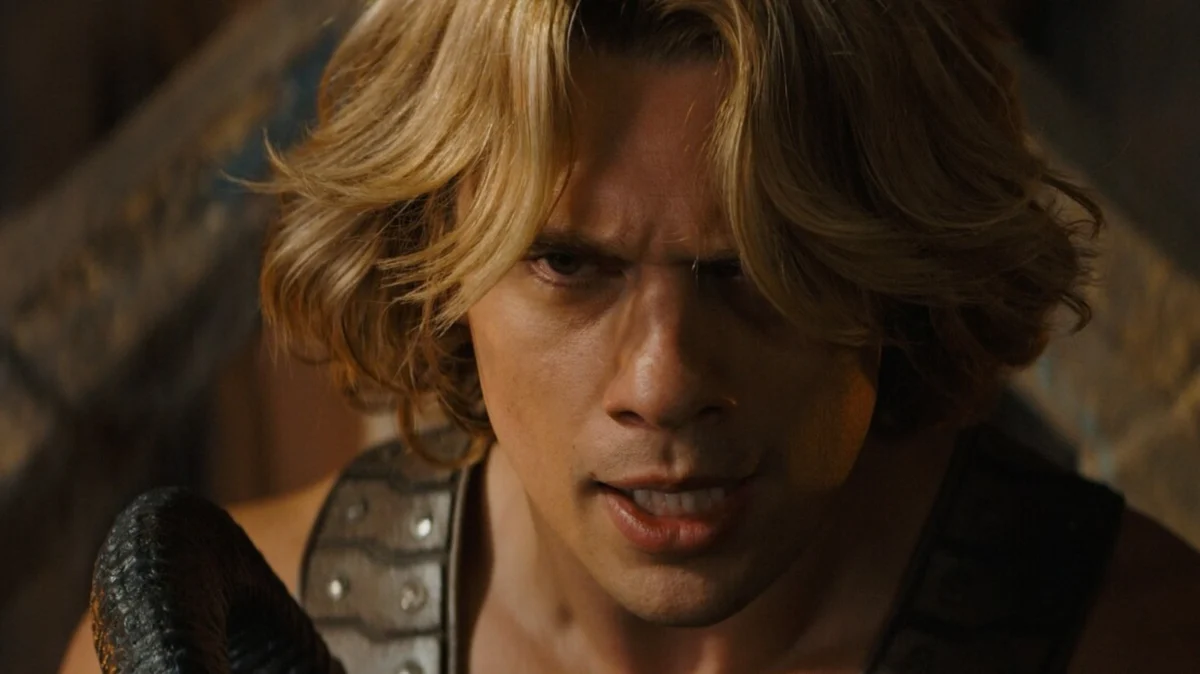
The 2026 release of Masters of the Universe was envisioned as the definitive cinematic resurrection of Eternia—a big-budget, high-fantasy epic designed to do for He-Man what Bumblebee did for the Transformers franchise. Directed by Travis Knight and starring Nicholas Galitzine alongside a transformative Jared Leto, the film arrived with immense expectations. However, despite its visual splendor and an almost fanatical devotion to the source material, the film’s legacy has become a cautionary tale of commercial struggle contrasted with deep-cut fan service.
While the film struggled to find its footing at the global box office, it succeeded in a way few blockbusters do: it provided a forensic tribute to the history of the Mattel toy line. Hidden within its 140-minute runtime are "Easter eggs" so specific that they trace the lineage of He-Man back to the mid-1970s, long before the character ever held the Sword of Power on television screens.
Main Facts: A Commercial Disconnect
The financial narrative of Masters of the Universe (2026) is one of significant disparity. Produced by Metro-Goldwyn-Mayer with a staggering budget of $170 million, the film was intended to be the cornerstone of a new cinematic universe. Unfortunately, it yielded a domestic return of only $117 million, notoriously opening behind the sixth installment of the Scary Movie parody franchise.
Critically, the film was a polarizing experience. Reviewers praised Travis Knight’s aesthetic choices, noting that the character designs were "bracingly accurate" to the original Mattel toys. Nicholas Galitzine’s Prince Adam was lauded for his physicality, and Jared Leto’s Skeletor—portrayed with a "death-visaged" intensity—was considered a standout performance. Yet, the film faltered in its narrative execution. Critics argued the script was muddled, struggling to balance "action-movie earnestness" with "self-effacing mockery." This tonal inconsistency regarding the nature of masculinity failed to resonate with the broader "Gen Z" and "Gen Alpha" demographics, even as it captivated the "Original Gangster" fans of the 1980s.
Chronology: From Big Jim to Eternia
To understand the depth of the references in the 2026 film, one must look back at the manufacturing history of Mattel in the late 1970s. The "Masters of the Universe" line did not emerge from a vacuum; it was a creative pivot born from the remnants of an earlier, declining toy line.
1976–1980: The Big Jim Era
Before He-Man, Mattel’s primary male action figure was "Big Jim," a secret agent and adventurer. By 1980, interest in the military-themed Big Jim was waning. To save on production costs for a new fantasy-themed project, Mattel engineers looked to their existing inventory of plastic molds.
1981: The Birth of He-Man
The original 1981 "Masters of the Universe" toys were essentially "repurposed" from Big Jim components. The muscular 5.5-inch scale was a departure from the traditional 12-inch G.I. Joe style, but the DNA was unmistakable. The 2026 film honors this specific era of corporate history through meticulous set dressing and character design.
2026: The Cinematic Tribute
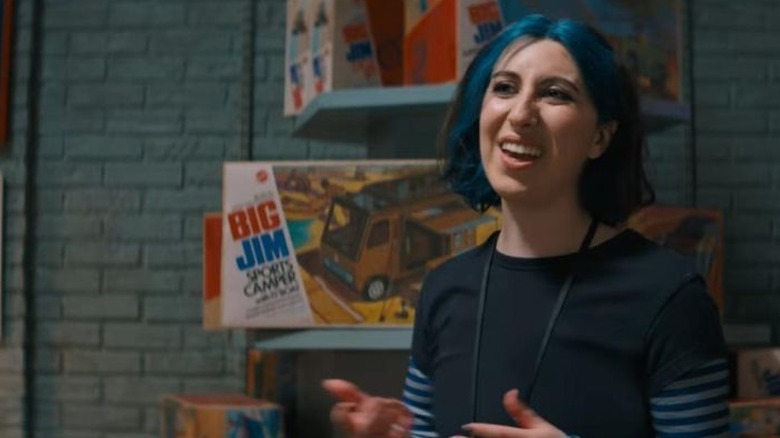
Travis Knight’s film utilizes a pivotal scene in a collectible toy shop to bridge the gap between these decades. As Prince Adam searches for the Sword of Power, the background is populated with items that serve as a museum of Mattel’s developmental history.
Supporting Data: Decoding the "Big Jim" DNA
The Easter eggs in the 2026 film are not merely nods to the 1983 cartoon; they are nods to the "kit-bashing" manufacturing process of the 1970s. For the dedicated collector, these references are the highlight of the film.
The Big Jim Playsets
In the toy shop sequence, the camera lingers on shelves stocked with "Big Jim" action playsets. This is a direct reference to the fact that many "Masters" accessories began life in the Big Jim line. For example:
- The Tiger: The iconic Battle Cat was a direct repaint of the 1976 "Big Jim on the Tiger Trail" playlet. The original mold was a realistic tiger; for He-Man, it was painted green with orange stripes and fitted with armor.
- The Villains: The film’s design for Skeletor and his henchmen subtly mirrors Big Jim’s rogues’ gallery. The Big Jim villain "Captain Drake" featured a hooded skull face—a clear precursor to Skeletor. Similarly, the face-changing villain "Vektor" became the inspiration for Man-E-Faces, and "Iron Jaw" was the prototype for the cybernetic Trap Jaw.
The Legend of Torak and Vikor
Perhaps the "deepest cut" in the film involves the character of Torak. During the early concept phase at Mattel, package designer Mark Taylor and designer Roger Sweet developed a "Hero of Pre-History" named Torak. This barbarian archetype eventually evolved into He-Man.
In the 2026 film, a sign in the background of the collectible shop clearly advertises "Torak, Hero of Pre-History." Furthermore, the plaster statue that Prince Adam encounters—which holds the Sword of Power—is identified in the credits as "Vikor." Vikor is a character based on Mark Taylor’s original 1980 sketches for the "He-Man" concept, which was eventually released as a "Classics" toy decades later. These inclusions demonstrate a level of historical research rarely seen in toy-to-film adaptations.
Official Responses and Critical Reception
The reaction to these inclusions has been a tale of two audiences. Industry analysts suggest that the focus on such "ultra-nerdy" details may have contributed to the film’s lack of mass appeal.
- The Fan Base: Websites like He-Man.org and Battle Ram Blog have celebrated the film as a masterpiece of lore. Fans who grew up in the 1980s noted that the inclusion of Vikor and the Big Jim references signaled that the filmmakers "truly cared" about the heritage of the brand.
- The General Public: Conversely, mainstream audiences found the 140-minute runtime self-indulgent. The "muddled messaging" regarding masculinity—alternating between a celebration of 80s machismo and a modern deconstruction of it—left many viewers confused.
- The Studio: While MGM has not officially commented on a sequel, the internal sentiment is reportedly one of disappointment regarding the "box office flop" status. However, the film’s "appropriate lavishness" is expected to make it a cult classic in the physical media and streaming markets.
Implications: The Future of the "Masters" Brand
The failure of Masters of the Universe (2026) to ignite the box office raises significant questions about the viability of 1980s nostalgia in the current cinematic landscape.
1. The "Lore" Trap
The film suggests that hyper-fidelity to source material is a double-edged sword. While the Easter eggs provided a "sweet" experience for historians of the toy line, they did little to bring in new viewers who lacked an emotional connection to 1976 plastic molds.
2. The Identity Crisis of Masculinity
The film’s struggle to define its tone—shifting between "earnestness" and "mockery"—reflects a broader cultural challenge in rebooting "hyper-masculine" properties from the 1980s. Finding a way to present a character named "He-Man" to a 2020s audience without slipping into parody remains a hurdle that even a director of Travis Knight’s caliber found difficult to clear.
3. The Legacy of the "Big Jim" Connection
By acknowledging the "Big Jim" origins, the film has effectively canonized the "pre-history" of the toy line within the cinematic lore. This opens the door for a more "meta" approach to toy movies, where the history of the object is as important as the story of the character.
In conclusion, while the 2026 Masters of the Universe may be remembered financially as a "notorious bomb," it will be remembered by the "Masters" faithful as a love letter to the plastic foundations of their childhood. For those who caught the Big Jim playsets in the background or recognized the silhouette of Vikor, the film wasn’t just a movie—it was an acknowledgment of a fifty-year journey from the toy factory to the silver screen.