Final Fantasy Expands Its Tabletop Empire: KessCo and Square Enix Announce Definitive Board Game for 2026
The Final Fantasy franchise, a cornerstone of the role-playing game (RPG) genre for nearly four decades, is preparing to bridge the gap between digital screens and tabletop surfaces once again. In a significant move for both the gaming and licensing industries, Square Enix has partnered with the toy and game manufacturer KessCo to develop Final Fantasy: The Board Game. Scheduled for a third-quarter 2026 release, the project marks a strategic pivot toward the series’ origins, celebrating the foundational trilogy that launched a global phenomenon.
This announcement arrives during a period of unprecedented momentum for the brand. With the "Pixel Remaster" series revitalizing classic titles for modern consoles and the high-budget Final Fantasy 7 Remake trilogy nearing its conclusion, the introduction of a dedicated, high-end tabletop experience signals Square Enix’s intent to solidify Final Fantasy as a multi-medium lifestyle brand.
Main Facts: A Return to the Warriors of Light
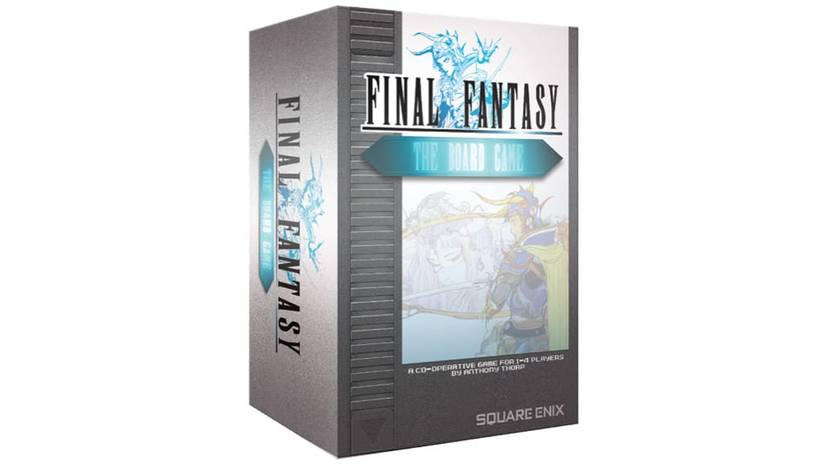
Final Fantasy: The Board Game is not merely a licensed novelty; it is designed as a deep, mechanical homage to the NES-era classics—Final Fantasy I, II, and III. The game is engineered to accommodate one to four players, offering a cooperative or competitive experience that mirrors the party-based adventuring of the source material.
Aesthetic and Design Philosophy
KessCo has opted for a "nostalgia-first" design language. The physical packaging of the game is crafted to resemble an oversized NES cartridge box, a choice that immediately signals its target demographic: long-term fans and collectors. The centerpiece of the visual presentation is the iconic artwork of Yoshitaka Amano. Specifically, the game features Amano’s original Final Fantasy I illustrations, characterized by ethereal, flowing lines and a distinct avant-garde fantasy style that defined the series’ early identity.
Innovative Components: The Pixel Remaster Dice
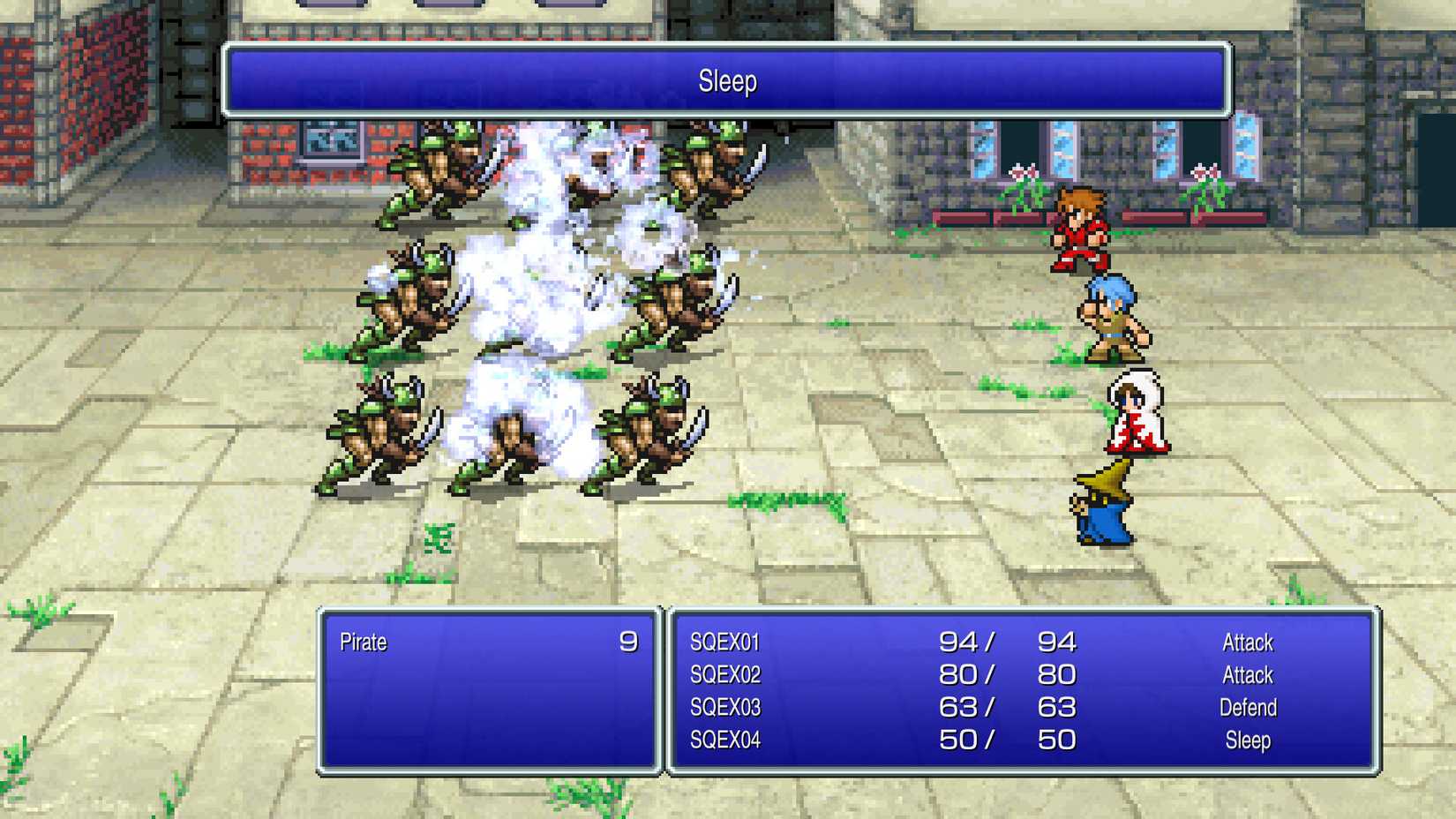
A standout feature of the announcement is the inclusion of collectible dice sets. These are not standard six-sided cubes but are instead inspired by the Pixel Remaster aesthetics. The dice feature sculpted miniature figures of the "Pixel" versions of the characters, blending high-quality craftsmanship with the 8-bit charm that modern audiences have recently rediscovered. These components are intended to serve a dual purpose: functional gameplay tools and display-ready collectibles.
The Creative Team
The project is helmed by veteran game designer Anthony Thorp. Thorp brings a formidable pedigree to the table, having previously designed tabletop adaptations for major global IPs including One Piece, Sonic the Hedgehog, and Spy x Family. His involvement suggests a focus on accessible yet "crunchy" mechanics that respect the source material’s RPG roots while ensuring the game remains playable for those who may not be seasoned tabletop veterans.
Chronology: The Road to 2027
The announcement of Final Fantasy: The Board Game is the latest link in a chain of major reveals that outline a roadmap for the franchise through 2027. To understand the significance of the 2026 release, one must look at the surrounding timeline of the Final Fantasy ecosystem.
- Early 2024–2025: The Pixel Remaster Peak: The success of the Final Fantasy I–VI Pixel Remaster series proved there was a massive, untapped market for the "classic" era of the franchise. This success laid the groundwork for KessCo’s focus on the first three titles.
- June 2026: The KessCo Reveal: The official announcement via License Global confirms Final Fantasy: The Board Game is slated for Q3 2026 (beginning in July).
- January 2027: Ascend Shinra Tower: Shortly after the KessCo release, another tabletop title, Ascend Shinra Tower, is scheduled to launch. This game focuses specifically on the Final Fantasy 7 universe, utilizing a balance-based tower-climbing mechanic.
- Spring 2027: Final Fantasy 7 Revelation: Square Enix recently confirmed the title and release window for the third and final installment of the FF7 Remake project.
- 2027 and Beyond: The Multi-Game Deal: The partnership between KessCo and Square Enix is not a one-off. It is a multi-year, multi-game licensing agreement, suggesting that if the 2026 debut is successful, subsequent board games covering the SNES era (IV, V, VI) are likely to follow.
Supporting Data: The Business of Nostalgia
The decision to focus on the first three Final Fantasy games is backed by significant market trends. The "analog renaissance"—the resurgence of board games and physical collectibles—has seen a 15% year-over-year growth in the "hobby" segment of the toy industry.

The KessCo Partnership
KessCo has established itself as a leader in bridging the gap between "kidult" collectors and functional play. By securing a licensing deal with Square Enix, KessCo joins an elite group of manufacturers allowed to handle the Final Fantasy IP. This move is part of Square Enix’s broader strategy to diversify its revenue streams following recent financial reports that emphasized a need for greater multi-platform and multi-media reach.
The Role of Anthony Thorp
Thorp’s track record with One Piece and Sonic is critical. In the tabletop world, "franchise fatigue" is a real risk. However, Thorp’s designs are noted for their "IP-fidelity"—the ability to translate digital mechanics (like turn-based combat or mana management) into physical card and dice systems without losing the "feel" of the original game. For Final Fantasy, this likely means a system involving job classes, elemental weaknesses, and party synergy.
Official Responses and Industry Positioning
While Square Enix has historically been protective of its flagship IP, the collaboration with KessCo signals a more open approach to Western partnerships. According to reports from License Global, the collaboration is designed to "capture the essence of the franchise’s history while providing a new way for fans to engage with the world they love."
Industry Sentiment
Tabletop analysts suggest that Final Fantasy: The Board Game is positioned to compete with high-end dungeon crawlers like Gloomhaven or Critical Role’s various offerings, but with the added advantage of 40 years of brand recognition. The "Pixel Remaster" branding is a deliberate choice to align the board game with the most recent and successful version of these early stories, ensuring visual consistency across the brand’s digital and physical offerings.
KessCo’s leadership has expressed enthusiasm for the "sculpted pixel" dice, noting that the technology used to create these miniatures allows for a level of detail that was previously impossible for 8-bit character designs in a physical medium.
Implications: A New Era for the "Warriors of Light"
The launch of Final Fantasy: The Board Game in 2026 carries several long-term implications for the franchise and the tabletop industry at large.
1. The "Legacy" Strategy
By starting with games I, II, and III, Square Enix is treating its history as a "Legacy" series. This allows them to re-introduce the origins of the franchise to a younger generation who may have started with Final Fantasy XVI or Final Fantasy VII Rebirth. It effectively "future-proofs" the early lore of the series.
2. The Expansion of the Tabletop RPG Market
The inclusion of a solo-play mode (1-4 players) acknowledges the growing trend of "solo gaming" in the tabletop community. It mirrors the solitary experience of playing a JRPG while providing the social infrastructure for group play. This versatility is expected to drive higher sales than traditional 4-player-only board games.
3. Cross-Media Synergy
The release window in late 2026 acts as a "buffer" for the franchise. With the FF7 Remake trilogy concluding in 2027, the board game keeps the brand in the public consciousness during the "quiet" periods between major software releases. It also creates a new ecosystem for merchandise, from expansion packs to limited-edition dice sets.
4. Setting a Standard for Video Game Adaptations
If Anthony Thorp and KessCo succeed in delivering a game that feels like a true RPG rather than a "skinned" version of a generic board game, it could set a new standard for how Japanese video game IPs are handled in the West. It moves the needle from simple licensing to collaborative game development.
As the industry moves toward Q3 2026, the anticipation for Final Fantasy: The Board Game will likely serve as a barometer for the health of the "analog" wing of the video game industry. For fans who have spent decades guiding the Warriors of Light through digital dungeons, the opportunity to finally hold those heroes—and their fate—in the palm of their hands represents a full-circle moment for the legendary series.