Tenby: Embark on a Charming Welsh Getaway with Cosy Cub Games’ Strategic Debut
The world of tabletop gaming offers an unparalleled passport to adventure, transporting players to diverse landscapes and cultures from the comfort of their living rooms. We’ve explored the medieval charm of France in Carcassonne, traversed the historic Tokaido road in Japan, and basked in the Mediterranean sun of Santorini. Now, a new destination beckons, promising a delightful escape to the picturesque Welsh seaside town of Tenby, thanks to the debut title from designer Benjie Talbott and publisher Cosy Cub Games.
Tenby, at its heart, is a card-drafting game that masterfully blends a serene theme with genuinely tricky strategic decisions. While its vibrant aesthetics and accessible mechanics suggest a relaxed experience, players will quickly discover a depth that rewards careful planning and tactical foresight. Having successfully funded on Kickstarter last year and slated for delivery in 2025, Tenby arrives with the promise of becoming a cherished addition to many gaming tables, particularly appealing to families and those who appreciate elegant design.
The Journey to Tenby: A Kickstarter Success Story
The story of Tenby began with a vision from Benjie Talbott and the ambition of Cosy Cub Games, marking their entry into the competitive world of tabletop publishing. The game’s journey from concept to reality was significantly bolstered by a successful Kickstarter campaign launched last year. This crowdfunding initiative not only secured the necessary capital for production but also cultivated an eager community around the game, demonstrating a clear demand for its unique blend of theme and mechanics.
The Kickstarter campaign resonated with backers who were drawn to the charming artwork, the promise of engaging gameplay, and the opportunity to support an independent designer and publisher. Early adopters were particularly enthusiastic about the "bumper Kickstarter edition," which often includes exclusive content, upgraded components, and serves as a testament to the community’s support. This premium edition, reviewed ahead of its general release, offers an enhanced experience for those who committed to the project early on, setting a high bar for the retail version slated for 2025. For prospective players who missed the campaign, keeping an eye out for the retail launch next year will be essential to experience this delightful game.
The decision to base the game on the real-life Welsh town of Tenby adds a layer of authenticity and local flavour, inviting players to immerse themselves in a specific, beloved location rather than a generic fantasy setting. This thematic choice not only grounds the game but also provides a distinct visual identity that stands out in a crowded market. As a debut title, Tenby represents a significant milestone for both Benjie Talbott as a designer and Cosy Cub Games as a publisher, setting the stage for what promises to be a creative and player-focused future.
Unpacking the Gameplay: Crafting Your Coastal Canvas
At its core, Tenby challenges players to construct the most beautiful and functional seaside town possible through careful card drafting and tableau building. The objective extends beyond mere aesthetics, requiring players to strategically place various types of buildings—terraces, piers, and landmarks—to maximise their score by fulfilling a myriad of dynamic scoring conditions and pleasing the town’s inhabitants.
Building Your Dream Town:
The game revolves around acquiring and placing different types of building cards onto your personal player area, which gradually expands into a sprawling coastal tableau.
- Terraces: These form the main residential and commercial streets of your town, often providing foundational scoring opportunities based on adjacency and specific features.
- Piers: Extending into the "sea," piers offer unique scoring avenues, frequently interacting with other pier segments or specific icons.
- Landmarks: Iconic structures that provide significant end-game scoring bonuses, often requiring specific conditions to be met across your entire town.
The strategic depth emerges from the vast and varied scoring conditions printed clearly on the cards. These conditions are not static; they change with each card, demanding adaptability and forward-thinking from players. For instance, one card might reward you for the number of seagulls on adjacent cards, while another might score points based on the amount of cloud icons in a particular row, or even the specific colours of connected buildings. Resident cards, once added to your town, introduce additional personal objectives, pushing players to diversify their building strategies or focus on niche scoring opportunities. This abundance of scoring paths ensures that players always have meaningful decisions to make, fostering a sense of agency and preventing any single dominant strategy.
A particularly commendable aspect of Tenby‘s design is its use of bold, clear iconography. This visual language makes the scoring conditions immediately understandable, even for younger players or those new to board games. For example, a quick glance at a card might reveal an icon indicating "one point for each seagull on cards to the left and right," simplifying the learning curve and allowing players to focus on strategy rather than rule interpretation. This accessibility is a cornerstone of its family-friendly appeal.
The Innovative Day and Night Phase Drafting System:
Where Tenby truly distinguishes itself from other drafting games is its unique two-phase round structure: the Night Phase and the Day Phase. This system introduces a captivating layer of strategic tension and player interaction.
-
The Night Phase: Each player possesses a Night card, numbered from one to five. At the start of the Night Phase, the player with the lowest-numbered Night card begins the process. This player takes their player token and strategically places it onto one of the available Day cards. Day cards are numbered from one to sixteen, and their numerical value typically corresponds to the power and number of actions they grant during the subsequent Day Phase.
-
The Day Phase: Once all players have selected a Day card, the Day Phase begins. Actions are resolved in ascending order of the chosen Day card numbers. The player who selected Day card number one will act first, followed by the player who chose number two, and so on.
Here lies the strategic "rub" that elevates Tenby beyond a simple drafting exercise. A lower-numbered Day card typically grants fewer actions. For instance, Day card number one might only allow a player to take a single terrace card and gain a "life ring" token (a valuable resource that can be spent later to trigger extra actions). In contrast, a higher-numbered card, like Day card number ten, might provide two terrace actions, a life ring, and a pier action.
The dilemma is profound: Do you opt for a high-numbered Day card, which promises a wealth of actions, but risks you acting much later in the turn order? By waiting, you might find that the specific terrace, pier, or landmark cards you desperately need have already been snatched up by earlier players. Conversely, choosing a low-numbered Day card guarantees you an earlier turn, allowing you first dibs on crucial cards, but at the cost of fewer actions. To further complicate matters, the player who chose the lowest-numbered Day card will also be higher up in the turn order for the next Night Phase, perpetuating the strategic cycle. This intricate balancing act forces players to constantly weigh immediate gains against future positioning, creating a dynamic and highly interactive decision-making process.

The "life ring" tokens add another layer of tactical flexibility. By accumulating these tokens, players can mitigate the downsides of choosing lower-numbered Day cards or enhance the power of higher-numbered ones, allowing for reactive plays and strategic bursts of activity when needed most.
Aesthetic Appeal and Production Quality
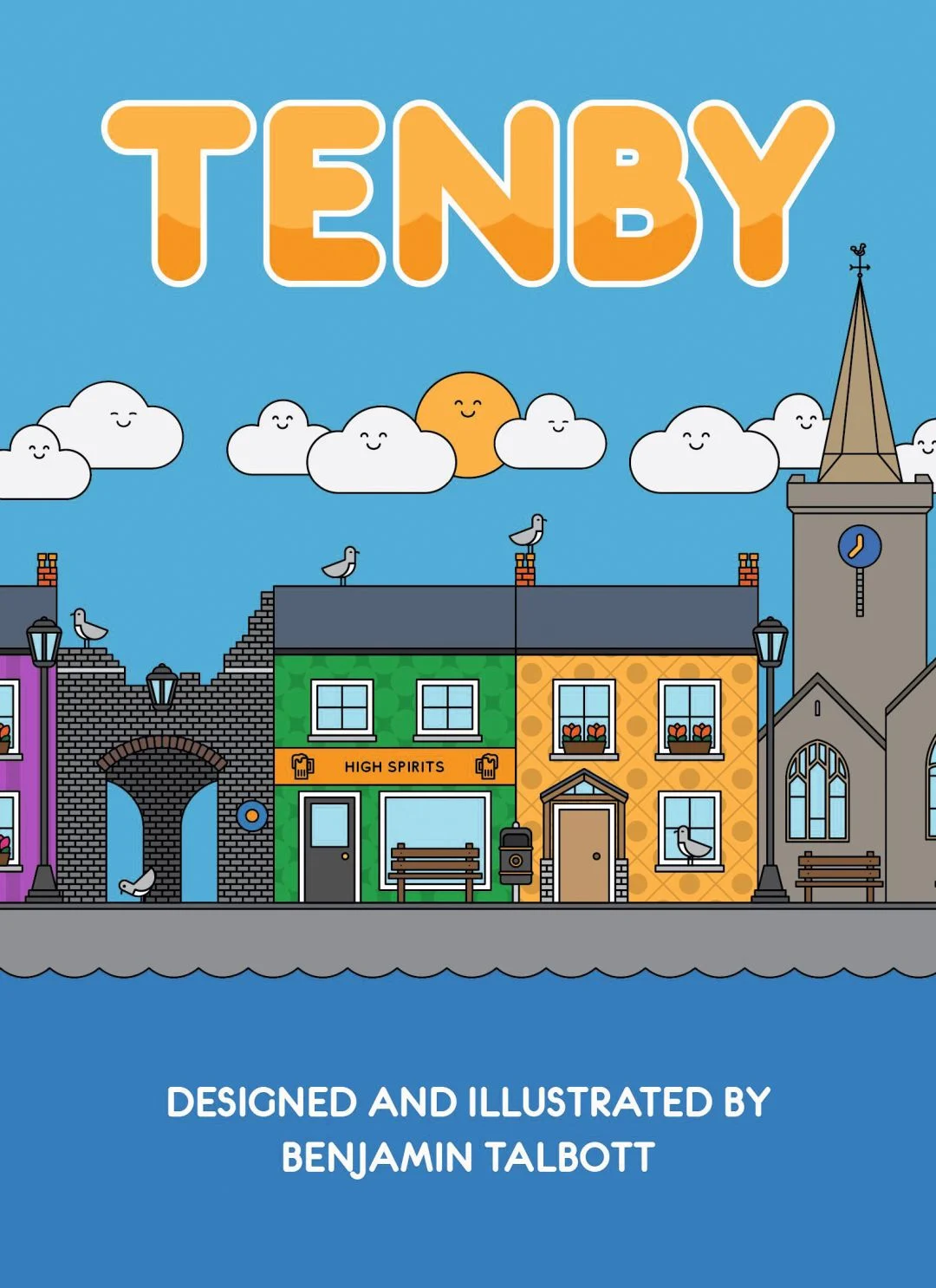
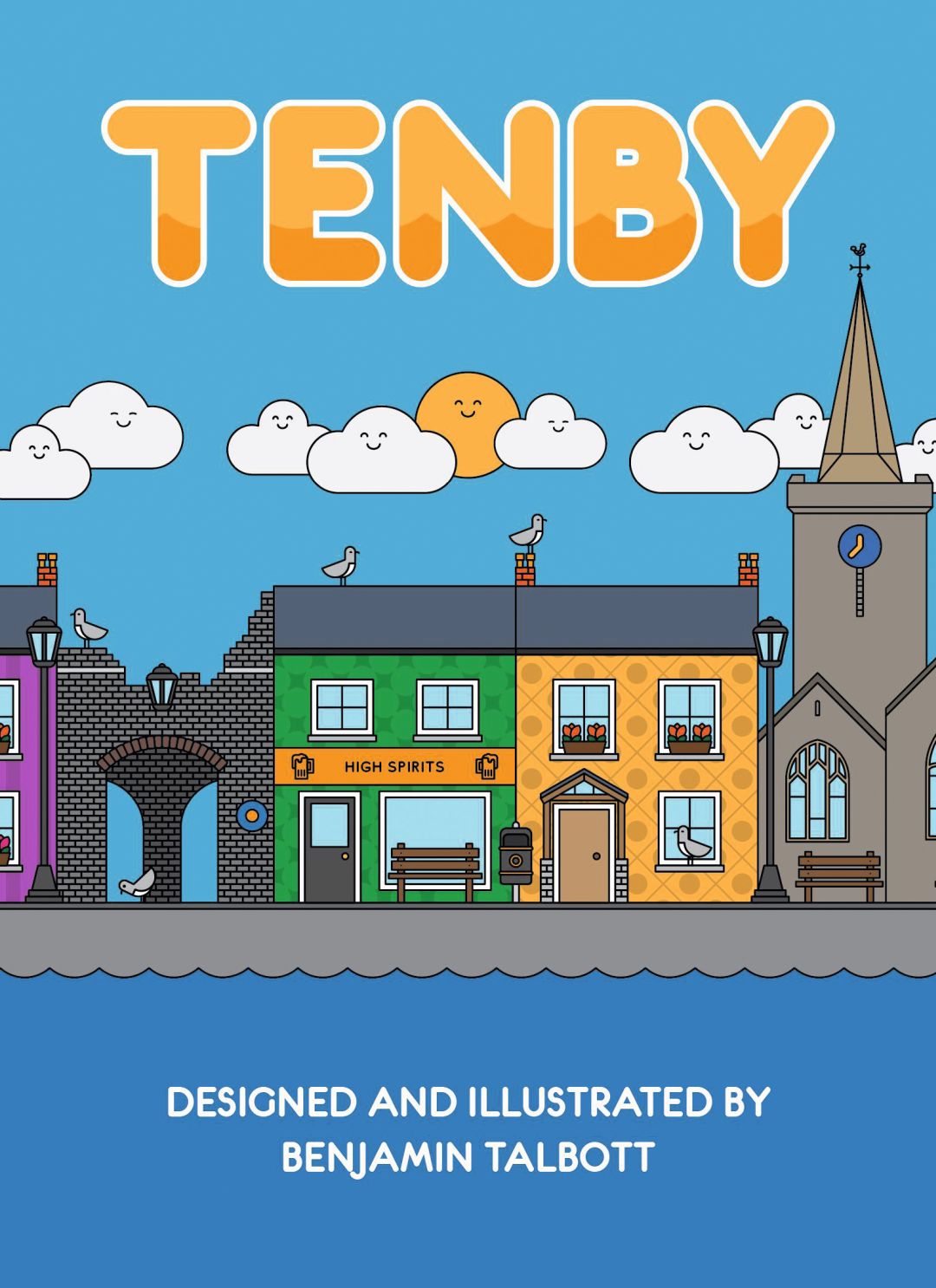
Beyond its clever mechanics, Tenby is a feast for the eyes. The end result of a game session is an absolutely gorgeous tableau of colourful streets, quaint buildings, and charming details. The art style is immediately inviting, with brightly coloured buildings, serene coastal scenes, and even whimsical touches like clouds with little smiling faces. This visual charm not only enhances the thematic immersion but also makes the game incredibly appealing to a wide audience, from seasoned gamers to casual players and families. The vibrant artwork makes each constructed town feel unique and personal, a true testament to the game’s inviting atmosphere.
However, players should be prepared for the game’s physical footprint. While Tenby comes in a commendably compact box, the expansive nature of tableau building means that over the course of its 10 rounds, players can end up with surprisingly long streets and a substantial personal play area. This requires a generous amount of table space, a minor consideration to keep in mind, but one that speaks to the game’s unfolding narrative as your town grows.
The production quality, especially evident in the Kickstarter edition, is high. The provided component list is extensive, including 95 Terrace cards, 49 Pier cards, 18 Landmark cards, 47 Resident cards, and a host of other functional and thematic elements. The cards are sturdy, the wooden player counters and life ring tokens are tactile, and the inclusion of multiple rulebooks (multiplayer, solo mode, family mode) ensures clarity and accessibility for all player configurations. While the initial setup can be a little fiddly due given the number of card types and tokens, once the game gets going, it flows very smoothly, a testament to its streamlined gameplay loop.
Designer’s Vision and Publisher’s Debut
Tenby stands as a remarkable debut for designer Benjie Talbott and Cosy Cub Games. The design philosophy appears to centre on creating an experience that is simultaneously relaxing and mentally stimulating. Talbott has successfully crafted a game that is easy to learn, thanks to its clear iconography and intuitive core mechanics, yet offers surprising strategic depth through its innovative drafting system and multifaceted scoring conditions.
The inclusion of dedicated solo and family modes further underscores the publisher’s commitment to broad appeal and replayability. The solo mode provides a compelling challenge for players who wish to enjoy the game on their own terms, while the family mode likely simplifies certain rules or scoring elements to make it even more accessible for younger players or those new to modern board games. This thoughtful approach to different player needs significantly adds to the overall value proposition of the game. For Cosy Cub Games, launching with a title like Tenby establishes them as a publisher capable of delivering well-designed, aesthetically pleasing, and strategically engaging experiences right out of the gate. It suggests a future where thematic immersion and clever mechanics will be at the forefront of their releases.
Broader Impact and Market Position
Tenby enters a vibrant tabletop market, positioning itself as a strong contender in the family games category, while also appealing to a broader audience. Its blend of accessible mechanics and strategic depth makes it suitable for both casual gamers looking for a "chilled-out" experience and more seasoned players who appreciate intricate decision-making within a relaxed framework.

The comparison to games like Kingdomino is apt, as both titles involve building beautiful landscapes and cleverly manipulating turn order to gain an advantage on desired elements. Like Kingdomino, Tenby provides that satisfying feeling of creating something visually appealing while navigating a competitive draft. It also joins the ranks of other "travel-themed" board games, offering a unique regional flavour that distinguishes it from its peers. Its appeal lies in its ability to transport players to the idyllic Welsh coast, offering a miniature holiday with every play.
The inherent replayability of Tenby is a significant asset. With a vast array of scoring conditions and the dynamic nature of the card draw, no two games will ever feel exactly the same. Players will constantly adapt their strategies based on the available cards and their opponents’ choices, ensuring longevity and sustained engagement.
Priced at an RRP of £38, Tenby offers substantial value, considering the quality of components, the depth of gameplay, and the inclusion of multiple game modes. This makes it an attractive purchase for anyone looking to expand their game collection with a title that promises hours of enjoyable, strategic play.
Conclusion: A Welsh Gem for Your Tabletop
Tenby is more than just a game; it’s an invitation to a charming coastal retreat, a testament to elegant design, and a promising debut from Benjie Talbott and Cosy Cub Games. It successfully navigates the delicate balance between accessibility and strategic depth, offering a "chilled-out" experience that is nonetheless punctuated by genuinely "tricky decisions."
From its gorgeous, inviting artwork to its innovative Night and Day phase drafting system, Tenby provides a fresh take on card drafting and tableau building. While a generous table space and a slightly fiddly setup are minor considerations, these are easily overshadowed by the smooth gameplay, myriad scoring options, and the sheer joy of watching your beautiful seaside town come to life. The inclusion of robust family and solo modes further cements its position as a versatile and valuable addition to any game collection.
For those seeking a game that combines visual appeal with clever mechanics and engaging player interaction, Tenby comes highly recommended. Get ready to add this delightful Welsh destination to your tabletop-themed holiday list – you won’t regret the trip.
Game Information
- Category: Family Games
- Designer: Benjie Talbott
- Publisher: Cosy Cub Games
- Time to Play: 30m – 1h
- Players: 1-5 Players
- Age: 8+
- RRP: £38
- Review by: Rob Burman
What’s in the Box?
- 95 Terrace cards
- 49 Pier cards
- 18 Landmark cards
- 47 Resident cards
- 5 Night cards
- 16 Day cards
- 12 Anchor cards
- 16 Compass cards
- 5 Start cards
- 5 Player Aid cards
- Solo Player aid card
- 16 Plain End cards
- Tracker card & counter
- 5 Wooden player counters
- 30 Wooden life ring tokens
- Score pad
- 5 Score trackers
- Multiplayer rulebook
- Solo mode rulebook
- Family mode rulebook