The Thin Line Between Homage and Heist: The Legal Turmoil Behind Apple TV+’s ‘The Hunt’
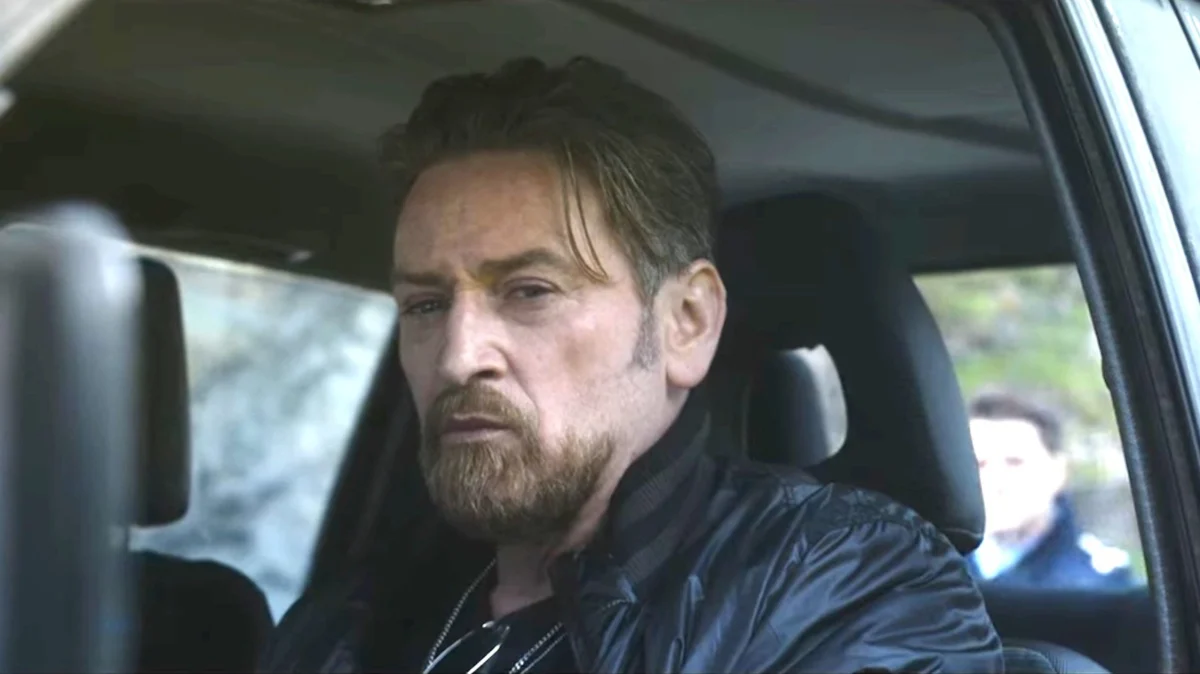
In the high-stakes arena of global streaming, where content is the ultimate currency, the line between creative inspiration and intellectual property theft is often razor-thin. Apple TV+, a platform that has meticulously cultivated an image of prestige and originality, recently found itself at the center of a cross-continental legal storm. The subject of the controversy was The Hunt (originally titled La Chasse), a French-language thriller miniseries produced by the legendary studio Gaumont.
While the series eventually made its way to screens on March 4, 2026, its journey was nearly derailed by a "wild" accusation of plagiarism that reached back over half a century. This case serves as a stark reminder that in the digital age, no obscure piece of literature is truly forgotten, and the "dead" intellectual property of the past can still haunt the blockbusters of the future.
I. Main Facts: A Tale of Two Shooters
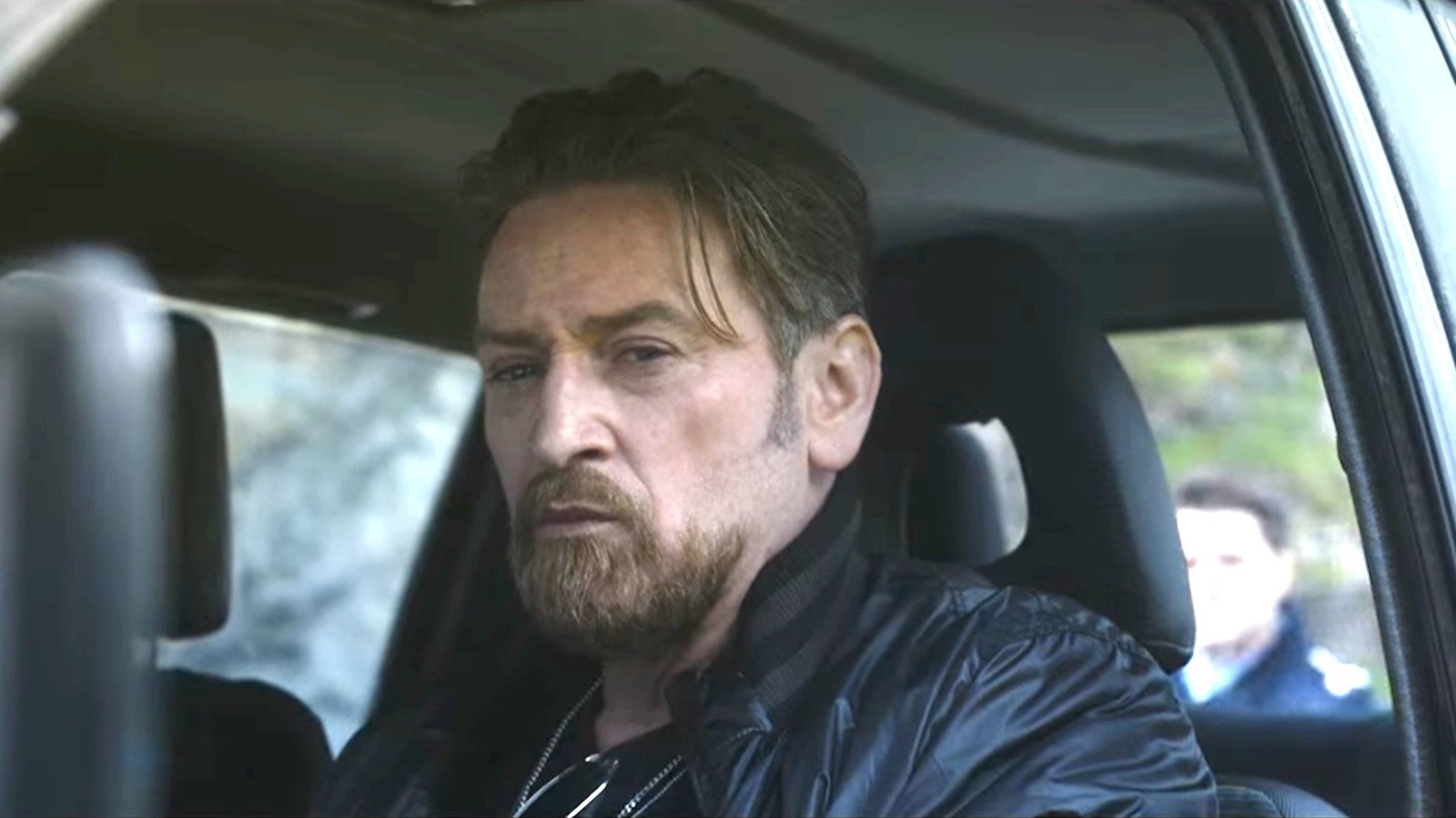
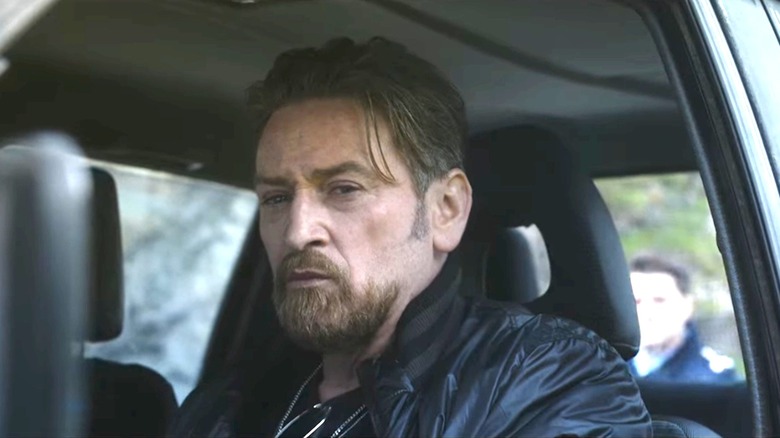
At the heart of the controversy is Cédric Anger’s six-part miniseries, The Hunt. Starring the formidable César Award-winner Benoît Magimel, the series follows a group of middle-aged friends who embark on a traditional hunting trip in the French wilderness. The narrative takes a dark, adrenaline-fueled turn when they encounter a rival group of armed men. A misunderstanding escalates into a lethal firefight, leaving one man dead and the survivors trapped in a psychological and physical game of cat-and-mouse.
However, shortly before its scheduled debut in late 2025, a French journalist pointed out startling similarities between Anger’s script and a 1973 novel titled Shoot by American author Douglas Fairbairn. This novel had previously been adapted into a 1976 film of the same name, starring Ernest Borgnine and Cliff Robertson.
The parallels were too specific to ignore. Both stories involve:
- A group of civilian hunters seeking a "macho" bonding experience.
- An accidental or provoked encounter with a rival group across a clearing.
- The moral dilemma following a fatal shooting.
- The haunting realization that the "prey" has now become the "predator."
While Anger’s version shifted the setting to the rugged terrain of modern Europe and expanded the narrative into a six-hour character study, the foundational DNA of the plot appeared to be lifted directly from Fairbairn’s out-of-print work.
II. Chronology: From Production Wrap to Legal Limbo
The timeline of The Hunt’s release is a masterclass in corporate crisis management.
- Early 2024: Apple TV+ and Gaumont announce a partnership for a high-budget French thriller written and directed by Cédric Anger. Production begins in rural France with Benoît Magimel leading an ensemble cast.
- Summer 2025: Post-production wraps. Apple begins a marketing blitz, positioning The Hunt as a marquee winter release for December 2025.
- November 2025: One month before the premiere, an investigative report in a French cinema magazine highlights the undeniable similarities between the series and Douglas Fairbairn’s Shoot. The report suggests that the rights to Fairbairn’s work were never secured.
- Late November 2025: In a shocking move, Apple TV+ scrubs the series from its "Coming Soon" calendar. Gaumont launches an internal audit to determine the extent of the overlap.
- December 2025 – February 2026: The Hunt remains in legal limbo. Behind the scenes, Gaumont enters intense negotiations with the estate of Douglas Fairbairn and the rights holders of the 1976 film.
- March 4, 2026: After a financial settlement and the addition of "Based on the novel by Douglas Fairbairn" to the credits, The Hunt finally premieres globally.
III. Supporting Data: The Persistence of "Dead" IP
The case of The Hunt is peculiar because Douglas Fairbairn’s Shoot was hardly a household name in 2025. Fairbairn passed away in 1997, and his novel had been out of print for decades. The 1976 film adaptation by Harvey Hart was a critical and commercial failure, currently unavailable on most streaming platforms and lacking a modern Blu-ray release.
However, the "long tail" of the internet has made it impossible for screenwriters to hide their influences. Data from secondary market sites like Amazon and AbeBooks showed that after the plagiarism accusations surfaced, the few remaining used copies of Shoot spiked in value, with some listed for as much as $131.
Historically, this is not the first time a major production has been caught "borrowing" from uncredited sources. The article notes the famous precedent of Sergio Leone’s A Fistful of Dollars (1964). Leone essentially filmed a beat-for-beat remake of Akira Kurosawa’s Yojimbo (1961) without permission. Kurosawa famously wrote to Leone, saying, "It is a very fine film, but it is my film." That dispute resulted in a lawsuit that saw Kurosawa and producer Toho receive 15% of the film’s worldwide box office—a settlement far more lucrative than the original rights fee would have been.
IV. Official Responses: Gaumont’s Mea Culpa
When the news broke, the industry expected a protracted legal battle. Instead, Gaumont chose the path of transparency and swift rectification. The studio recognized that in the modern era of "cancel culture" and corporate accountability, a plagiarism scandal could tarnish their multi-year deal with Apple.
In an official statement, Gaumont emphasized their commitment to intellectual property:
"As soon as this information came to its attention, Gaumont, the series’ producer, immediately took the necessary steps to identify the rights holders and obtain the required authorizations. Respect for works and authors’ rights is a fundamental principle for Gaumont, which can only be exercised with the trust and transparency of creative artists."
Cédric Anger, for his part, remained largely silent during the negotiations. The industry consensus suggests that Anger may have viewed the project as a loose "thematic homage" rather than a direct adaptation, failing to realize that the specific plot beats of Shoot were unique enough to be protected under copyright law.
V. Implications: The Future of Originality in Streaming
The resolution of The Hunt’s legal woes carries significant implications for the future of the streaming industry.
1. The "Vetting" Revolution
Streaming giants like Apple, Netflix, and Amazon are likely to implement more rigorous script-scanning protocols. Just as universities use software to detect plagiarism in student essays, studios are increasingly using AI-driven databases to compare new scripts against millions of pages of existing literature, including obscure and out-of-print novels.
2. The Value of "Forgotten" IP
The incident has sparked a "gold rush" for forgotten mid-century thrillers. Producers are now scouring the catalogs of deceased authors like Fairbairn, realizing that these stories have value not just as original scripts, but as established intellectual property that can be "rebooted" for modern audiences.
3. The Creative Cost of "The Stretch"
Critical reception of The Hunt was mixed, with many reviewers noting that the story felt "stretched." While the original Shoot was a tight, 100-minute exploration of violence, Apple’s version was expanded to six hours. This highlights a common issue in the streaming era: the "miniseries bloat." By taking a concise concept and inflating it to fill a season order, creators risk diluting the tension that made the source material compelling in the first place.
4. The Moral of the Story
For screenwriters, the saga of The Hunt is a cautionary tale. In a world where every film buff has access to global archives and every journalist is a potential whistleblower, the "Leone Method" of uncredited remaking is no longer viable. As the article concludes, there is a profound potential in the survivalist genre—a "Deliverance-style" grit that resonates with modern anxieties—but that potential can only be fully realized when the foundations are built on legal and creative integrity.
The Hunt stands as a thrilling piece of television, but its greatest drama may always remain the one that happened behind the scenes—a battle for credit, a scramble for rights, and a narrow escape from the dustbin of unreleased media.