
Collaborative Galaxies: Why J.J. Abrams Received a Special Credit in ‘The Mandalorian and Grogu’
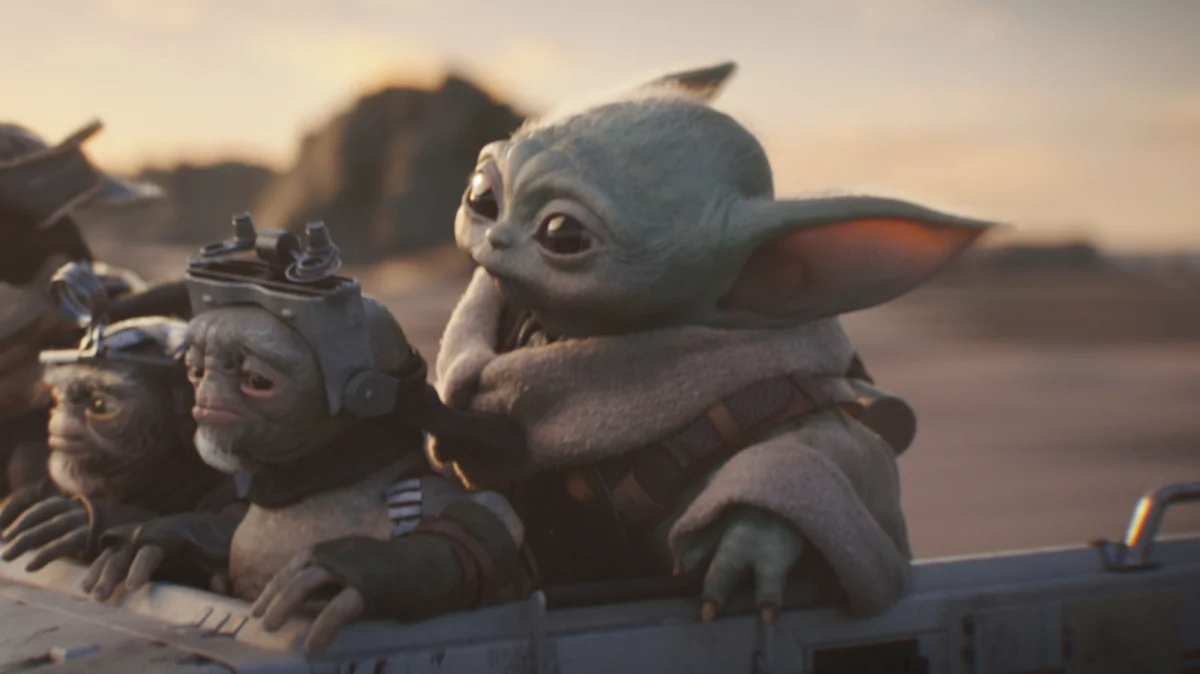
The release of The Mandalorian and Grogu marks a pivotal moment for the Star Wars franchise, signaling the return of the "Mando-verse" to the grand scale of cinema. While the film is a testament to the creative partnership between Jon Favreau and Dave Filoni, eagle-eyed viewers noticed a surprising name during the closing credits: J.J. Abrams. Though Abrams, the architect of the sequel trilogy, had no formal directorial or producing role on the project, his inclusion in the "Special Thanks" section highlights a deeper level of professional courtesy and creative continuity that currently defines Lucasfilm’s production philosophy.
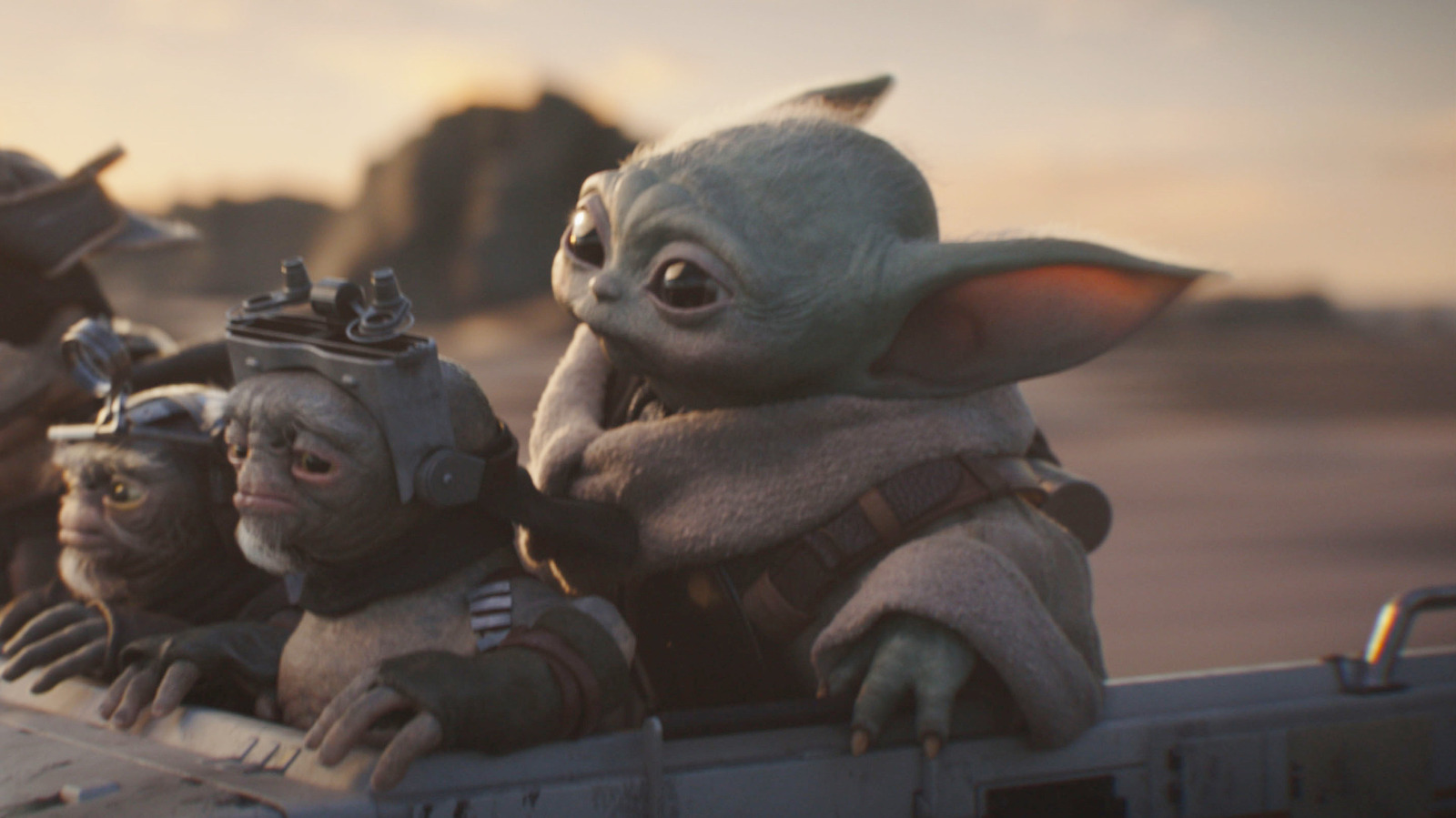
The reason for this credit traces back to a tiny, high-pitched race of aliens known as the Anzellans and a commitment to honoring the creators who first introduced them to the galaxy far, far away.
The Core Revelation: A Phone Call Between Directors
The presence of J.J. Abrams’ name in the credits is not a hint at a secret directorial hand, but rather the result of a specific creative consultation initiated by Jon Favreau. In a recent interview with SFX Magazine, Favreau revealed that he reached out to Abrams during the development of The Mandalorian and Grogu to discuss the use of the Anzellans.
The Anzellans first appeared in 2019’s Star Wars: Episode IX – The Rise of Skywalker, represented by the fan-favorite character Babu Frik. Because Abrams was the director who oversaw the introduction of this species, Favreau felt a professional obligation to seek his blessing and insight before making them a central component of the new theatrical film.
"When I was working with the Anzellans, I called up J.J.," Favreau explained. "And J.J. came to the set. Because you want him to know that, you know, ‘I appreciate what you did. Can we — do you mind? Are we handling this well? Are you happy?’"
This gesture underscores a culture of "creative stewardship" at Lucasfilm. While the studio legally owns all characters and species, the directors within the Star Wars ecosystem have increasingly adopted a policy of consulting the original creators of specific lore elements to ensure consistency and respect.
Chronology: The Journey of the Anzellans
To understand the weight of this collaboration, one must look at the timeline of the Anzellans’ evolution within the franchise:
- 2019 – The Rise of Skywalker: J.J. Abrams and creature designer Neal Scanlan introduce Babu Frik, a tiny droidsmith on the planet Kijimi. The character becomes an instant sensation, praised for his practical puppetry and endearing personality.
- 2020 – Post-Release Insights: Neal Scanlan reveals in interviews that the Anzellans were originally envisioned by Abrams as more of a "fortune teller" archetype before evolving into technical experts.
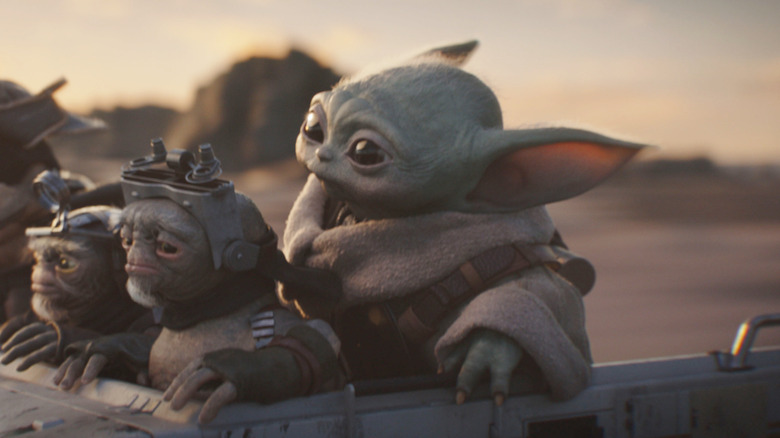
- 2023 – The Mandalorian Season 3: The Anzellans make their live-action television debut on Nevarro. They are seen assisting Din Djarin with repairs to IG-11, establishing that the species exists and thrives during the New Republic era, decades before the events of the sequel trilogy.
- 2024/2025 – The Mandalorian and Grogu: The species is elevated from a cameo role to a significant narrative element. Favreau decides to integrate a trio of Anzellans into the film’s primary action, prompting the consultation with Abrams.
This timeline illustrates how Lucasfilm is working to bridge the gap between the "Mando-verse" (set roughly five to ten years after Return of the Jedi) and the sequel trilogy (set thirty years later), using specific species and characters as connective tissue.
Supporting Data: The Creative DNA of Babu Frik
The Anzellans are more than just background aliens; they represent a specific aesthetic choice that Abrams championed during the production of The Rise of Skywalker. According to creature designer Neal Scanlan, the development of the Anzellans was a deeply collaborative process.
"J.J. had an idea for a character who was a bit more like a fortune teller initially," Scanlan told /Film in 2020. "He had some knowledge that was an important story point, and Rey was going to visit him in order to be able to glean this information. J.J. thought of him as living in his own little world."
As the script for Episode IX evolved, so did the role of the Anzellans. They became droidsmiths—masters of micro-circuitry—which allowed for a unique blend of rod puppetry and animatronics. By the time Favreau wanted to use them in The Mandalorian and Grogu, they had become a symbol of the "practical effects first" mantra that both he and Abrams share. In the new film, the Anzellans are not merely background dressing; they are involved in high-speed sequences and technical maneuvers, necessitating a deep dive into how they move and interact with the world—details Favreau wanted to confirm with their "father," Abrams.
Beyond Abrams: The Filoni Connection and Embo
The consultation with Abrams was not an isolated incident. Favreau applied the same logic to Dave Filoni regarding the character Embo. Embo is a Kyuzo bounty hunter who first appeared in the animated series Star Wars: The Clone Wars. As a character created under Filoni’s supervision in the animation department, Embo’s transition to the live-action screen required a similar level of deference.
"We were developing the live-action version of him and showing Dave versions — we’ve got to show Dave," Favreau noted. "Because there’s a special thing, when you use a [character] — even though it belongs to ‘Star Wars,’ if somebody came up with the character, you go [to them]."
This reveals a two-pronged approach to the film’s development:
- External Consultation: Reaching out to past directors like Abrams for sequel-era elements.
- Internal Consultation: Working alongside Filoni to ensure animated icons are translated faithfully to live-action.
Official Responses and Set Atmosphere
While Abrams has not released a formal statement regarding the credit, Favreau’s account of the set visit suggests a positive, collaborative atmosphere. Having Abrams physically present on the set of The Mandalorian and Grogu allowed the crew to benefit from the experience of the man who revived the franchise with The Force Awakens.
For Favreau, this wasn’t just about technical advice; it was about the "polite, professional courtesy" that maintains morale in a high-pressure environment like a Star Wars production. By inviting Abrams to see how the Anzellans were being utilized, Favreau ensured that the creative "baton pass" was handled with care rather than corporate coldness.
Dave Filoni, who served as a co-writer and second-unit director on the film, echoed this sentiment of shared ownership. Filoni’s role as the Chief Creative Officer of Lucasfilm has been to harmonize these different eras, and seeing Favreau and Abrams collaborate on the Anzellans serves as a blueprint for how the studio plans to handle its sprawling timeline moving forward.
Implications for the Star Wars Cinematic Universe
The "Special Thanks" to J.J. Abrams carries significant implications for the future of the franchise:
1. The End of the "Silo" Era
In the early years of the Disney acquisition, there was a perceived disconnect between the sequel trilogy, the standalone films like Rogue One, and the burgeoning television universe. This collaboration suggests that the "silos" have been broken down. The Mandalorian film is actively embracing elements of the sequel trilogy, creating a more unified narrative experience for fans.
2. Validation of the Sequel Trilogy
Despite the divisive nature of The Rise of Skywalker, the decision to feature the Anzellans prominently in a flagship film like The Mandalorian and Grogu proves that Lucasfilm is committed to the lore established in the sequels. It validates the creative contributions of that era and integrates them into the most popular current branch of the franchise.
3. A New Model for Director Relations
Hollywood is often a place of ego and guarded intellectual property. The Favreau-Abrams-Filoni triad represents a more "open-source" approach to storytelling. By treating characters as a shared heritage rather than a legal commodity, Lucasfilm is fostering an environment where directors feel a sense of continuity and respect.
4. Technical Continuity
By consulting the original creators, the production ensures that the physical "rules" of the species remain consistent. The way an Anzellan speaks, tinkers with machinery, or reacts to Grogu is informed by the original intent of Abrams and Scanlan, preventing the "character drift" that often plagues long-running franchises.
Conclusion
The credit given to J.J. Abrams in The Mandalorian and Grogu is a small text entry with large-scale significance. It reflects a maturing franchise that values its history and the creators who built it. As The Mandalorian and Grogu continues its run in theaters, the presence of the Anzellans serves as a bridge between two eras of Star Wars filmmaking, held together by a simple phone call and a shared respect for the craft of storytelling. In an industry often defined by competition, Jon Favreau’s choice to invite J.J. Abrams onto his set is a reminder that the strongest stories are often those told in a spirit of collaboration.

Leave a Comment