Unveiling the Enigma of GM Preparation: Justin Alexander’s Dual Approach to Tabletop Design
FOR IMMEDIATE RELEASE
Los Angeles, CA – [Current Date] – Justin Alexander, a revered figure in the tabletop roleplaying game (TTRPG) community, has recently pulled back the curtain on the often-mystified process of Game Master (GM) preparation, revealing a surprising duality in his approach. Known for his meticulously detailed "Alexandrian Remixes" of popular campaigns, Alexander’s candid insights into his personal GM notes—ranging from expansive, publishable documents to what he playfully terms "chicken scratch"—have sparked considerable discussion and offered a refreshing perspective on efficiency, improvisation, and the art of running a successful TTRPG session.
This revelation, prompted by inquiries at the recent Green Dragon Fest and recurring questions from his dedicated readership, underscores a fundamental challenge for GMs: how much preparation is truly necessary? Alexander’s answer is nuanced, demonstrating that the ideal level of prep is highly context-dependent, tailored to both the campaign’s complexity and the GM’s individual skillset.
The Master of Remixes and the Art of Efficiency
Justin Alexander has carved out a unique niche in the TTRPG landscape, particularly celebrated for his "remixes" – comprehensive overhauls and expansions of existing published adventures. These projects, often shared on his influential blog, The Alexandrian, are characterized by their intricate detail, deep narrative integration, and sophisticated structural enhancements, such as his renowned node-based scenario design. For many aspiring and veteran GMs, Alexander’s published works represent the pinnacle of meticulous preparation, offering blueprints for how to elevate an adventure from good to truly exceptional.
However, behind this facade of exhaustive detail lies a deeply practical philosophy: "Smart Prep." This core principle advocates for GMs to consciously avoid preparing elements that can be effectively improvised at the table, thereby optimizing time and focusing energy on what genuinely enhances the play experience. It is within this framework that Alexander’s "minimalist" prep style for certain scenarios finds its logical grounding, revealing a GM whose extensive experience allows him to navigate complex narrative spaces with surprisingly sparse notes.
The Catalyst: Green Dragon Fest and a Curious Question
The immediate impetus for Alexander’s recent disclosure arose from two related lines of inquiry. Firstly, a persistent fascination among his audience regarding the actual appearance of his session notes and the practical reality of his prep work. GMs, constantly seeking to improve their craft, often look to established experts like Alexander for concrete examples of best practices.
Secondly, during his appearance at Green Dragon Fest 2026, where he ran a scenario titled "Bloodwight Heist," Alexander was asked if he would be sharing the adventure on The Alexandrian. His response – that doing so would entail "a lot of work" – struck some as counterintuitive. "A lot of work? For an adventure you’ve already prepped? Why?" the query came. This seemingly simple question highlighted the vast chasm between a GM’s personal, functional notes and a publishable, universally accessible adventure module. Alexander’s subsequent explanation aimed to bridge this understanding gap, offering an unprecedented look into the varying depths of his preparation.
A Chronicle of Preparation Philosophies
Alexander’s journey through GM preparation is not linear but rather a dynamic evolution, adapting to the demands of different campaigns and his own growing expertise. His work chronicles a spectrum, from the painstakingly crafted to the elegantly concise.
From Grand Tapestries to Ephemeral Sketches: The Alexandrian Spectrum
The range of Alexander’s preparation styles is perhaps best understood by examining a few key examples from his extensive body of work. At one end of the spectrum are the sprawling, multi-volume "remixes" that represent months, if not years, of dedicated design and writing. These are projects where every detail, every potential player choice, and every narrative thread is meticulously mapped out. At the other end, as revealed recently, are scenarios run from notes that are astonishingly brief, relying heavily on Alexander’s encyclopedic knowledge and improvisational prowess.
This spectrum is not arbitrary but a deliberate choice, informed by the nature of the campaign, the needs of his players, and his own efficiency goals. The distinction highlights that "prep" is not a monolithic concept but a highly adaptable tool.
The Genesis of "Smart Prep"
Central to understanding Alexander’s diverse prep styles is his widely influential concept of "Smart Prep." This philosophy emerged from a recognition that GMs often over-prepare, dedicating precious time to details that either never come up in play or can be easily generated on the fly. "Smart Prep" encourages GMs to identify their strengths in improvisation and to leverage those strengths to minimize unnecessary upfront work.
For Alexander, who has decades of experience running a multitude of systems and genres, his improvisational capacity is vast. He possesses an innate ability to generate non-player characters (NPCs), descriptive details, plot twists, and reactive elements in real-time. This high level of skill means that for certain types of adventures, particularly those designed for "open table" play where player groups might change frequently, the need for extensive written notes diminishes considerably. The core idea is to prep what only you can prep, and trust yourself to handle the rest.
Dissecting the Data: Case Studies in Game Master Design
To fully grasp the breadth of Alexander’s preparation, it is essential to delve into specific examples, contrasting the detailed masterpieces with the minimalist functional documents.
The Magnum Opus: Eternal Lies and Dragon Heist Remixes
At the apex of Alexander’s detailed preparation lie his famous remixes. The Alexandrian Remix of Eternal Lies, for instance, stands as a monumental achievement in campaign design. Originally a highly regarded Call of Cthulhu campaign, Alexander’s remix transformed it into an even more intricate and robust experience. His running notes for this campaign were not merely outlines but comprehensive dossiers, featuring elaborate continuity documents, deep thematic explorations, integrated player handouts designed for maximum immersion, and detailed tracking mechanisms for the complex, interwoven mysteries. These notes were crafted with an eye toward anticipating every possible player action and ensuring that the campaign’s many moving parts cohered into a satisfying whole, regardless of the investigative path chosen by the players. They are, in essence, a masterclass in scenario structure and long-form narrative management.
Similarly, the Alexandrian Remix of Dragon Heist, a Dungeons & Dragons 5th Edition urban caper, also showcases Alexander’s capacity for extensive detail. Patrons of The Alexandrian have access to his actual running files for this campaign, which are replete with intricate faction interactions, detailed locations, layered mysteries, and multiple interwoven antagonist plots. The level of detail here ensures that the bustling city of Waterdeep feels alive and reactive, with player choices having tangible consequences on the unfolding narrative. These extensive notes are designed not just to guide the GM but to facilitate a truly dynamic and responsive play experience over many sessions.
The Intricacies of The Vladaam Affair
Bridging the gap between the monumental remixes and more minimalist approaches is The Vladaam Affair, a campaign arc for Ptolus. Alexander prepped this scenario with a significant amount of detail, reflecting a medium-to-high level of complexity required for its urban intrigue and political machinations. However, as he began to share this work on his blog, he quickly realized the inherent difference between "prep for me" and "prep for others."
The raw notes for The Vladaam Affair, while perfectly functional for Alexander, required extensive editing, clarification, and additional explanatory text to be comprehensible and usable by another GM. This experience underscored a critical point: a GM’s personal shorthand, internalized lore, and intuitive understanding of their own world-building are often opaque to outsiders. What constitutes sufficient detail for the architect of the campaign is often insufficient for someone attempting to reconstruct and run it from scratch. This realization directly informed his explanation of why sharing the Bloodwight Heist scenario would be "a lot of work."
The Quintessence of Minimalism: Bloodwight Heist
The centerpiece of Alexander’s recent disclosure, and the primary example of his minimalist prep, is "Bloodwight Heist," the scenario he ran at Green Dragon Fest 2026. This Mothership RPG adventure, a sci-fi horror heist, serves as a stark contrast to his more detailed works, demonstrating the power of "Smart Prep" in action.
The "Chicken Scratch" Revelation
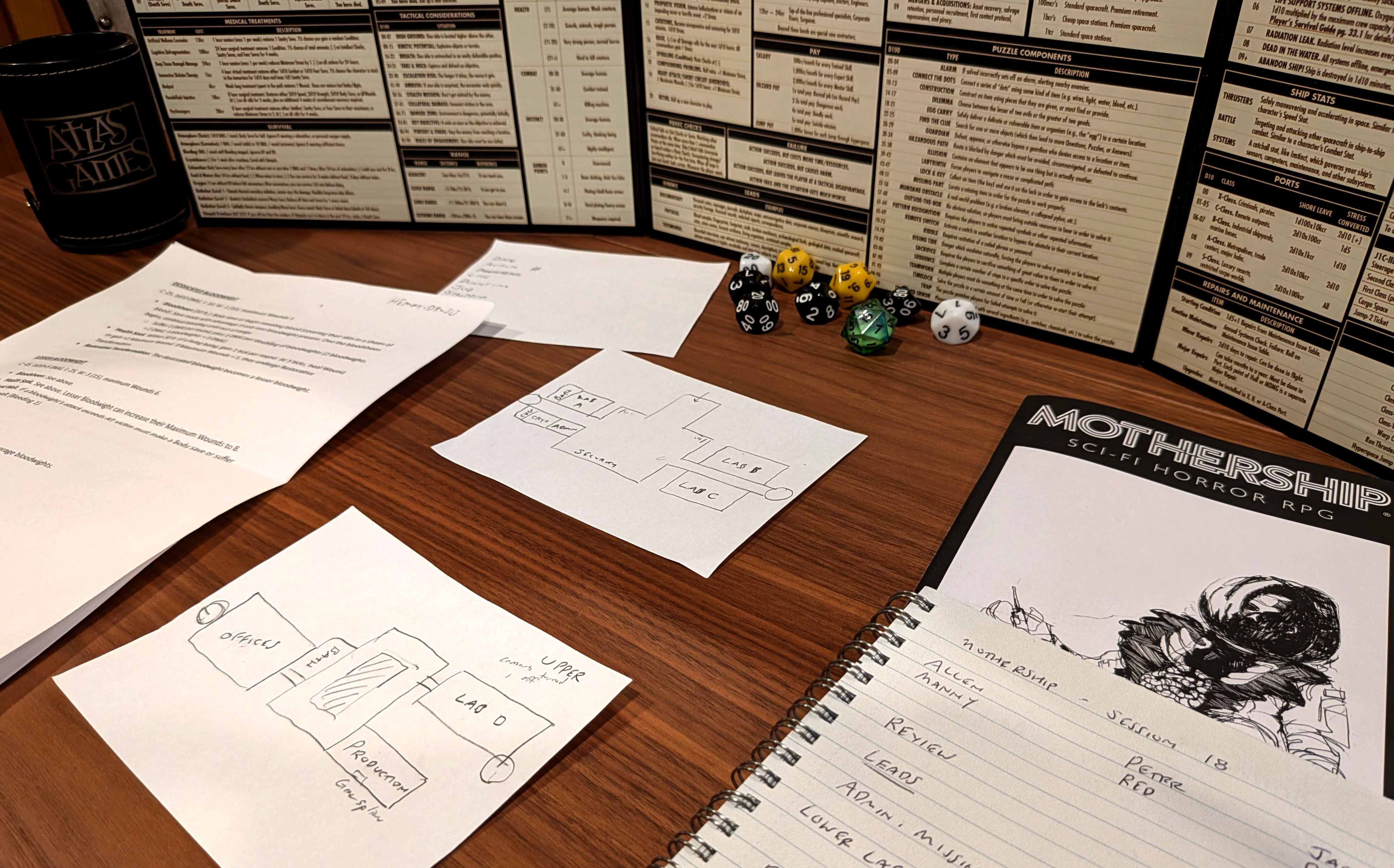
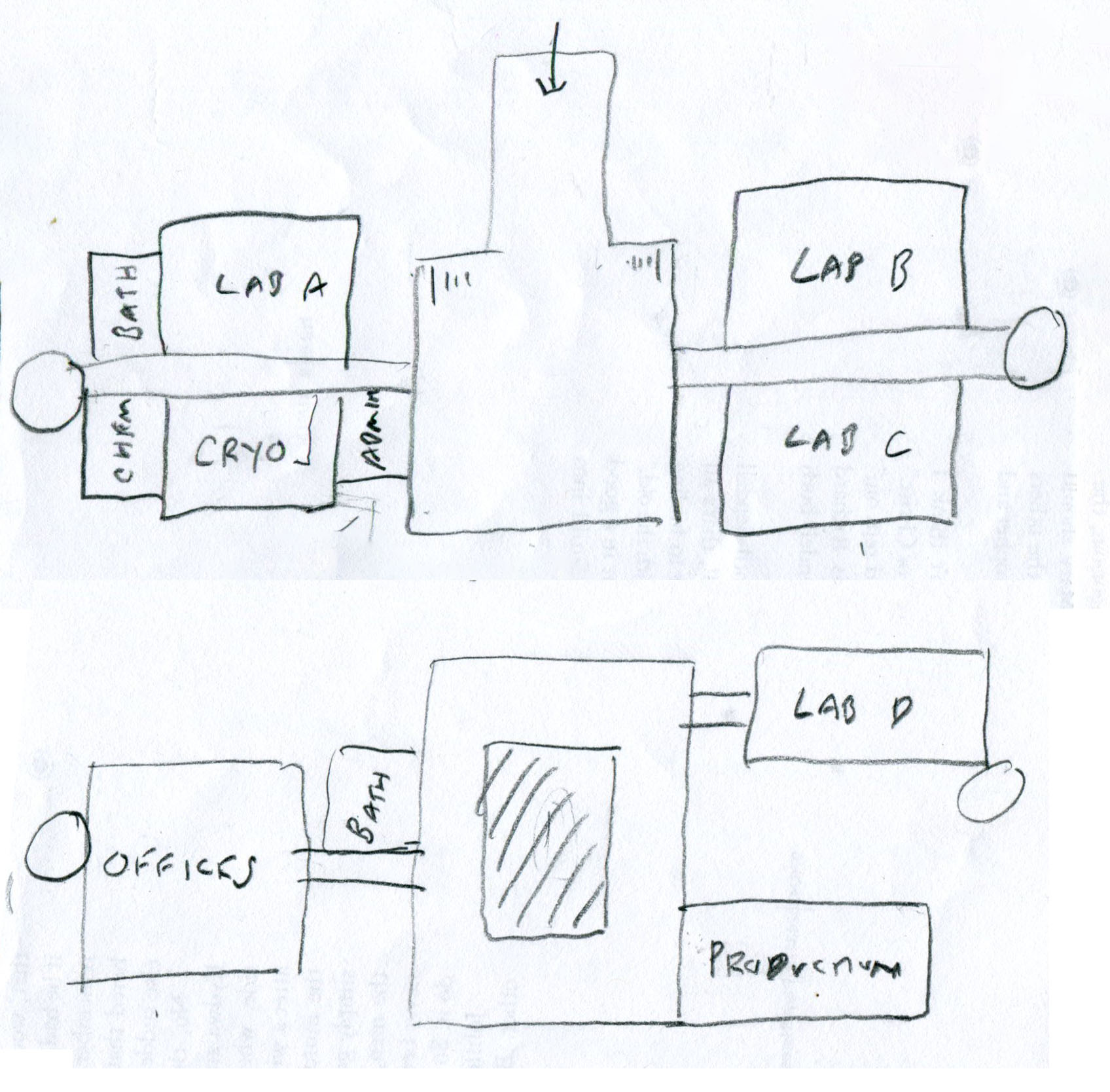
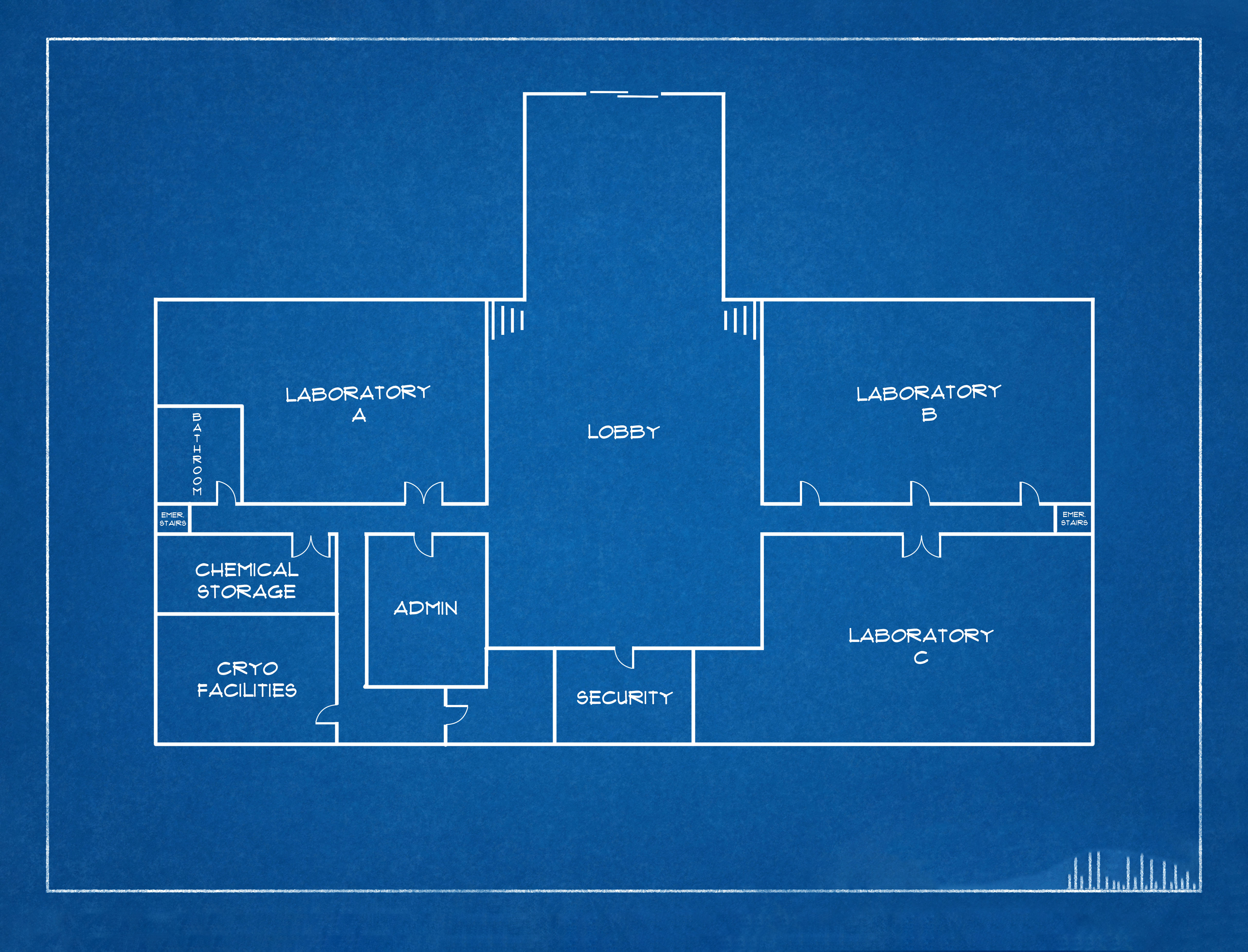
Alexander’s original notes for "Bloodwight Heist" are, by his own admission, essentially "chicken scratch." The core brief was concise: "Job: Steal a Namir-Radi G7 genesplicer from the Nanopore Genlabs facility located in Zoyechka, Katerineta. 30,000cr." This single objective, combined with a rudimentary layout of Nanopore Genlabs (Admin – File Servers; Offices – Cubicles and Offices on north/south side; Lower Level – The Blood), and a few bullet points for "LEADS," constituted the entirety of his initial written preparation. A rough, two-story sketch of the facility, showing four labs (A-D), completed the "hard data."
The sheer brevity of these notes highlights Alexander’s confidence in his improvisational abilities. He knew the system (Mothership), understood the genre conventions (sci-fi horror heist), and trusted his capacity to flesh out details, NPC reactions, environmental descriptions, and emergent challenges on the fly. The monster stat blocks, for instance, were pulled from a separate, pre-existing adventure, further streamlining the prep process.
Adapting for the "Open Table"
"Bloodwight Heist" was originally designed for Alexander’s Mothership open table, a format where players can drop in and out of sessions, and different groups might experience the same scenario at different stages of its progression. This dynamic environment necessitates a flexible, adaptable approach to prep.
For the initial group, the sparse notes and monster stat blocks were sufficient. As subsequent groups played, Alexander maintained brief notes on the previous group’s actions – "e.g., breaking stuff and blowing up rooms" – and integrated these changes into the ongoing narrative. This iterative process meant the facility evolved, showing the scars of previous incursions. For later groups, he introduced an "adversary roster" for monsters and a security team, further enhancing the reactive nature of the scenario without requiring a complete rewrite. The open table format naturally encourages GMs to embrace fluidity and rely on emergent storytelling, making minimal prep highly effective.
Evolution at Green Dragon Fest 2026
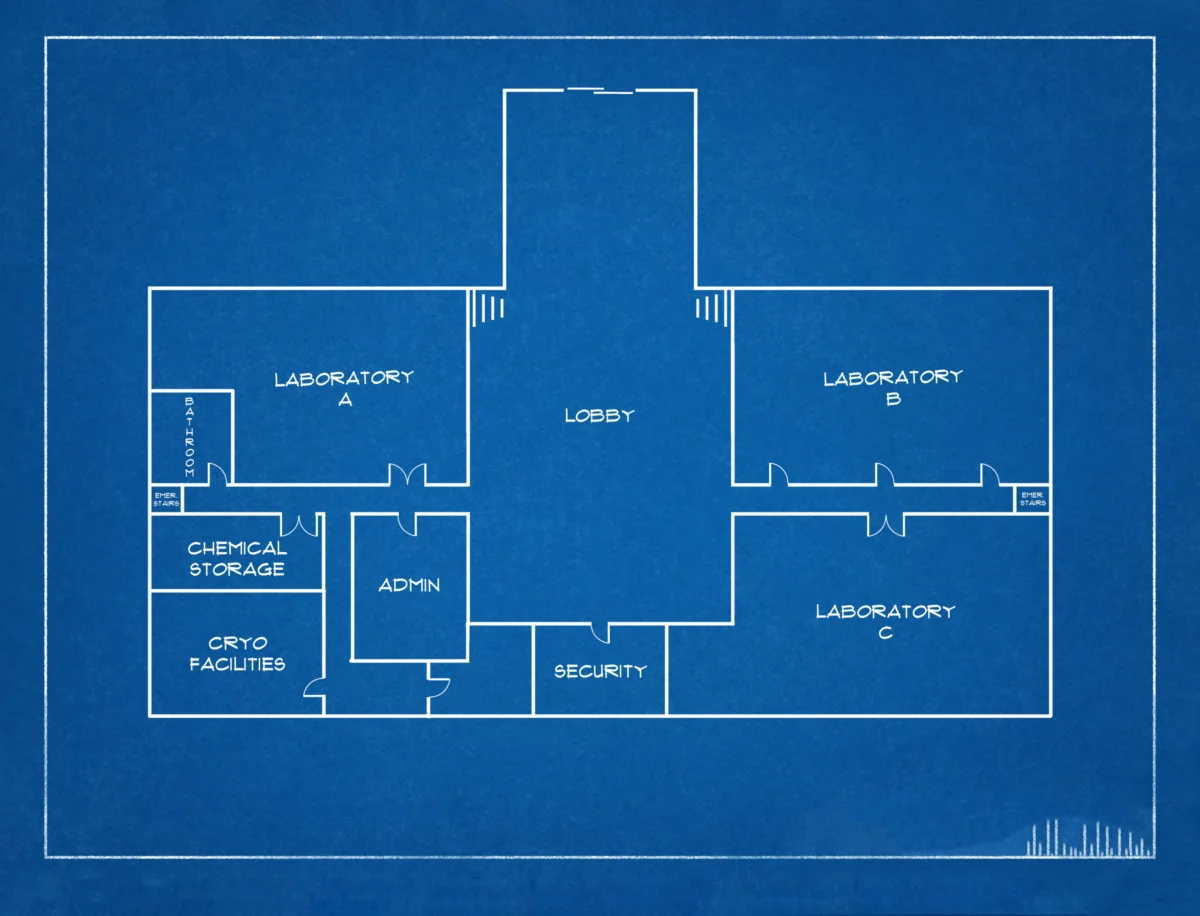
When preparing "Bloodwight Heist" for Green Dragon Fest, Alexander added "a few additional layers to the overall experience," but the core heist portion remained largely unchanged. The most significant enhancement was the creation of "fancier versions of the blueprints" to serve as professional player handouts. These detailed architectural drawings, while visually impressive, did not fundamentally alter the adventure’s underlying structure or Alexander’s core prep notes. They were an aesthetic and functional upgrade for the players, not a complete re-engineering for the GM. The festival environment replicated the open table experience, with each group encountering a version of the Nanopore Genlabs modified by the previous team’s actions, demonstrating the robustness of the minimalist design.
Alexander’s Candid Reflections: The Utility of Varied Approaches
Alexander’s disclosure is not merely an exposé of his personal habits but a thoughtful rumination on the craft of GMing itself, offering valuable lessons for the broader community.
Bridging the Gap: From Personal Notes to Public Consumption
The primary challenge in transforming "Bloodwight Heist" from personal notes to a publishable adventure lies in the sheer volume of "brain-downloading" required. Alexander highlights this by posing a rhetorical question: "what are PT Soil Seeds?" For him, the answer is immediate and rich with context. He knows "PT stands for Pre-Terraforming and PT stations can be found in orbit around or on the surface of multiple planets in the Tempest Cluster." This is internalized lore, part of his mental database for the Mothership setting. For an external GM, however, this crucial piece of information, and countless others like it, would need explicit exposition, detailed descriptions, and contextual background to make the scenario fully functional and engaging.
Publishing an adventure means translating a GM’s living, breathing understanding of a world into static text that can be universally interpreted. This involves defining obscure terms, describing locations in vivid detail, outlining NPC motivations, providing branching narrative paths, and anticipating player queries – all elements that Alexander can improvise for himself but must explicitly write down for others.
The Unspoken Lore: Deconstructing "PT Soil Seeds"
The example of "PT Soil Seeds" perfectly illustrates the difference between personal utility and public accessibility. In a published adventure, the existence of such an item would necessitate:
- Definition: What are they, chemically or biologically?
- Purpose: What do they do? How do they relate to terraforming?
- Context: What is the "Tempest Cluster"? What are "PT stations"? How do they function?
- Significance: Why are these seeds important to the heist? What are their potential uses or dangers?
- Visuals/Sensory Details: How do they look, smell, feel?
All of this information resides effortlessly in Alexander’s mind, ready to be deployed as needed. To make it publishable, this internal knowledge must be externalized, systematized, and presented clearly, adding significant writing and editing overhead.
A Call to Experimentation: Redefining Essential Prep
Alexander’s ultimate point is not to prescribe a single method but to encourage introspection and experimentation among GMs. He explicitly states, "Am I saying that you should prep your own adventures like this? Not exactly. After all, I’ve already linked you to adventure notes where I prepped a lot more than this, and that was not, generally speaking, wasted effort." This acknowledges the validity and necessity of detailed prep for complex campaigns or for GMs who prefer that style.
However, he immediately follows with, "But I’m also not NOT saying that." This playful double-negative carries a powerful message: it is profoundly useful for GMs to develop the ability to run a scenario from minimal notes. This skill, he argues, is a powerful tool for self-assessment. Occasionally attempting a scenario with minimal prep helps GMs to:
- Test their limits: Discover what they can truly improvise effectively.
- Identify essentials: Pinpoint what information must be written down versus what can be handled on the fly.
- Improve detailed prep: By understanding their improvisational baseline, GMs can make their more detailed notes more focused, efficient, and genuinely useful, avoiding redundant information.
This iterative process of testing and refining one’s prep style leads to greater efficiency, adaptability, and ultimately, more satisfying game sessions, regardless of the complexity of the campaign.
Broader Implications for the Tabletop Roleplaying Community
Justin Alexander’s insights into his GM preparation habits carry significant implications for the wider TTRPG community, impacting how GMs approach their craft, how published adventures are perceived, and the ongoing dialogue about creativity and efficiency.
Challenging Conventional Wisdom: The Value of Improvisation
For years, the gold standard for GM preparation has often been associated with meticulous detail, pre-written dialogue, extensive backstories, and comprehensive world-building. While these elements undoubtedly contribute to rich campaigns, Alexander’s "chicken scratch" revelation challenges the notion that such exhaustive prep is always necessary or even desirable. It underscores the profound value of improvisation as a core GM skill, suggesting that confidence in one’s ability to react and create in the moment can be a more powerful tool than pages of pre-written material. This perspective encourages GMs, especially those feeling overwhelmed by prep demands, to cultivate their spontaneous storytelling muscles.
Empowering Game Masters: Efficiency Without Compromise
The concept of "Smart Prep" and its practical application through minimalist notes offers a powerful antidote to GM burnout. Many GMs struggle with the time commitment required for session preparation, often leading to cancelled games or a diminished enjoyment of the hobby. By demonstrating that high-quality play can emerge from lean preparation, Alexander empowers GMs to prioritize what truly matters, focusing on core ideas and trusting their ability to fill in the gaps. This doesn’t mean compromising on quality but rather optimizing the process of achieving that quality, fostering greater sustainability and enjoyment in the role.
The Future of Published Adventures: Clarity and Accessibility
Alexander’s distinction between "prep for me" and "prep for others" sheds light on the immense effort involved in crafting a truly accessible published adventure. It highlights that an adventure module is not merely a transcript of a GM’s thoughts but a carefully engineered product designed for universal comprehensibility. This understanding can inform both adventure designers and consumers. Designers are reminded of the need for explicit clarity, comprehensive context, and user-friendly formatting. Consumers, in turn, can gain a deeper appreciation for the work that goes into creating a publishable product, understanding why such modules often appear far more detailed than a personal GM’s notes. It also suggests a potential market for different tiers of prep documents – perhaps "GM-only rough cuts" alongside fully fleshed-out publications.
Fostering Adaptability and Creative Freedom
Ultimately, Justin Alexander’s insights promote a culture of adaptability and creative freedom within the TTRPG community. By showcasing the versatility of GM preparation, he encourages GMs to:
- Experiment: Try different prep styles for different games or even within the same campaign.
- Self-Assess: Understand their own strengths and weaknesses as improvisers and planners.
- Tailor their approach: Design their prep to fit their personal style, the specific needs of their players, and the nature of the campaign they are running.
This holistic view of preparation moves beyond rigid dogma, celebrating the diverse ways in which GMs can effectively bring worlds to life, proving that sometimes, the most intricate adventures can spring from the simplest of notes. It reinforces the idea that the true magic of TTRPGs often lies not just in what is meticulously planned, but in the spontaneous, shared creation that unfolds at the table.