Artistic Exploration of Hereditary Burden: Rachel Jump’s "Everyone is Icarus" Navigates Family, Resilience, and Identity
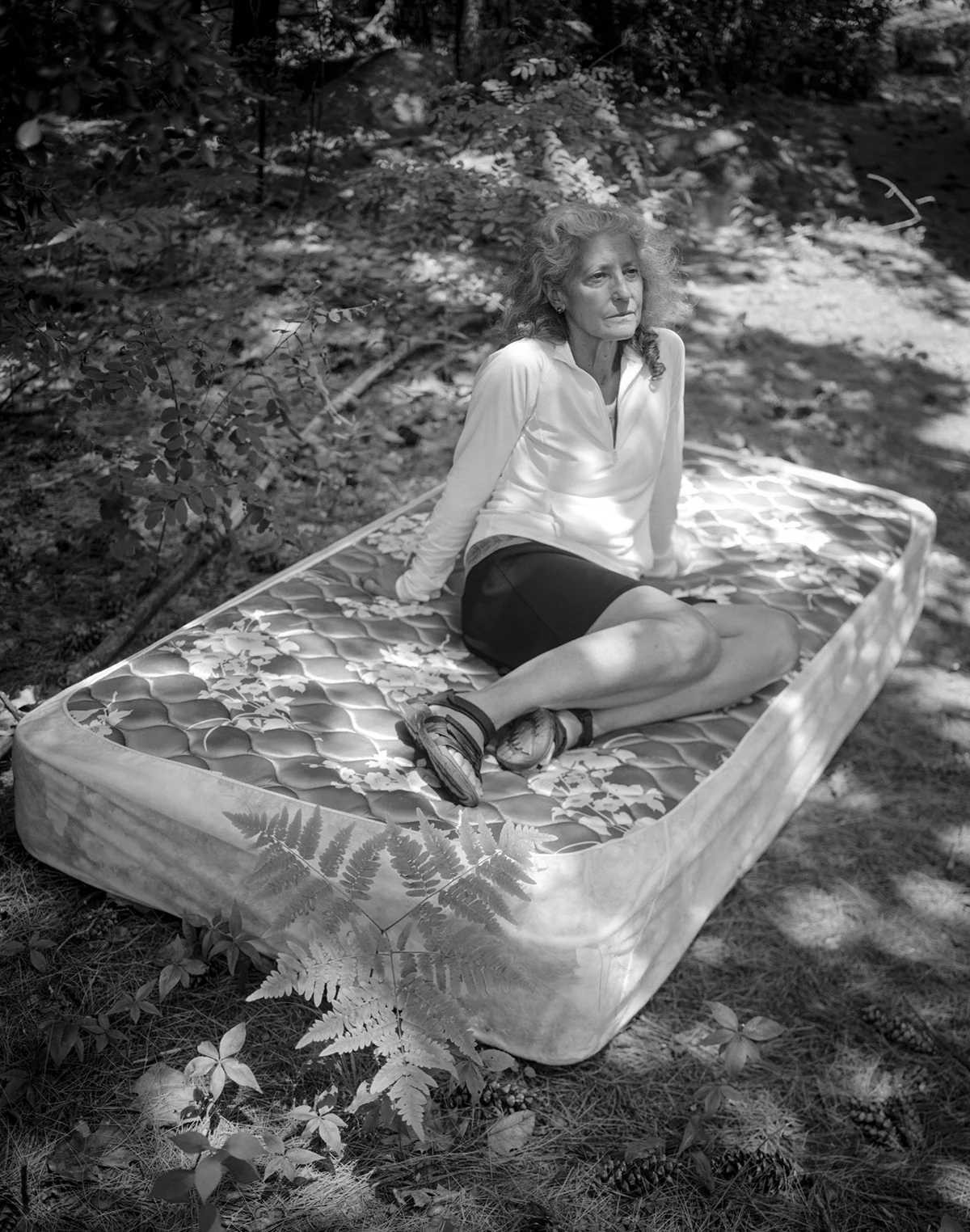
Chicago, IL – In a poignant and deeply personal exploration of family bonds and the enduring human spirit, lens-based artist Rachel Jump has unveiled "Everyone is Icarus," a compelling body of work that delves into the profound impact of inherited health predispositions. Through a series of evocative black and white photographs, Jump masterfully constructs narratives grounded in memory and metaphor, examining not only her own life and interpersonal relationships but also the collective experience of her family as they confront a shared genetic reality.
Born in Chicago and currently honing her craft at the University of New Mexico College of Fine Arts, where she is pursuing her MFA, Jump’s artistic practice has long been characterized by its introspective nature and its adept use of photography as a performative tool. Her previous academic achievements, including a BFA (Hons) from the prestigious Rhode Island School of Design in 2014, have laid a strong foundation for her current conceptual and technical prowess. "Everyone is Icarus" marks a significant evolution in her work, shifting its focus to the complex interplay between lineage, vulnerability, and the unwavering pursuit of agency in the face of predetermined challenges.
The genesis of this impactful series lies in the aftermath of her father’s genetic test results. These results revealed a hereditary disorder, a genetic inheritance that significantly heightens susceptibility to a range of illnesses. This revelation cast a long shadow, prompting Jump and her family to embark on a journey of understanding, support, and ultimately, profound resilience. The project is not merely a documentation of hardship; it is a testament to the power of shared experience, mutual comfort, and the quiet strength found in confronting difficult truths together.
The Weight of Inheritance: Unpacking "Everyone is Icarus"
At its core, "Everyone is Icarus" grapples with the fundamental question of what it means to inherit not just physical traits but also a potential for vulnerability. The title itself, referencing the Greek myth of Icarus, whose ambition led him to fly too close to the sun and ultimately to his downfall, serves as a potent metaphor. It suggests a shared human condition of striving, of pushing boundaries, and of facing the inherent risks that accompany such endeavors, whether they are personal aspirations or the inescapable realities of genetics.
Jump’s artistic statement illuminates the intricate emotional landscape she navigates within this project: "Through this collaboration, we guide each other through the weight of newfound clarity, supporting one another as we confront how our lineage and shared experiences shape our sense of identity." This collaborative spirit is palpable in the photographs, which often depict family members interacting, supporting, and drawing strength from one another. The black and white medium further amplifies this sense of introspection and timelessness, stripping away the distractions of color to focus on form, emotion, and the raw essence of human connection.
The artist continues, posing critical questions that lie at the heart of her inquiry: "What aspects of ourselves do we choose to inherit, and what parts lie beyond our control?" This contemplation of choice versus destiny is a central theme. While the genetic disorder is beyond their control, Jump’s work explores how her family members actively choose to engage with this reality. They are not passive recipients of their fate; rather, they are active participants in shaping their response to it.
Jump’s photographic language is designed to reveal this complex dynamic: "My photographs reveal not only the physical and psychological traits we inherit but also how we decide to reconcile with those truths." This reconciliation is a process of acceptance, of understanding, and of finding a way to live fully and meaningfully despite the inherent risks. The psychological toll of such a revelation is significant, and Jump’s work bravely confronts these internal battles, translating them into visual narratives that resonate with a universal human experience of confronting mortality and vulnerability.
A Chronology of Revelation and Resilience
While the exact timeline of the genetic test results and the subsequent creation of "Everyone is Icarus" is not explicitly detailed in the provided text, the narrative implies a progression from discovery to active engagement and artistic exploration.
The Genesis: The initial revelation likely stemmed from a diagnostic process or a proactive genetic screening, leading to the discovery of a hereditary disorder that predisposes individuals to various illnesses. This moment would have been a significant turning point for Jump’s father and, by extension, for the entire family.
The Period of Understanding and Support: Following the diagnosis, a period of intense emotional processing and information gathering would have ensued. This phase is characterized by Jump’s description of "guiding each other through the weight of newfound clarity." This suggests a collective effort to understand the implications of the disorder, its potential impact on each family member, and the best ways to offer comfort and support. It is within this context that the collaborative nature of the project likely began to take shape, with family members becoming active participants in the photographic process.
Artistic Manifestation: "Everyone is Icarus" emerges from this period of introspection and shared experience. Jump’s artistic practice, which often employs performance and constructs images grounded in memory, becomes the vehicle for processing these complex emotions and experiences. The creation of the photographic series represents a deliberate effort to externalize and articulate the internal struggles and triumphs of her family.
Ongoing Reconciliation and Defiance: The project continues to explore the ongoing process of reconciling with these genetic truths. Jump’s statement highlights a "recognition and defiance toward the path that has been carved out for us." This implies that the family is not simply accepting their fate but actively challenging its limitations, finding ways to live with agency and to forge their own paths despite the predetermined vulnerabilities. This ongoing engagement suggests that "Everyone is Icarus" is not a static representation but a dynamic exploration of a lived experience.
Supporting Data: The Psychological and Social Impact of Hereditary Disorders
While specific data points are not provided within the article, the themes explored by Rachel Jump align with well-documented psychological and social impacts associated with hereditary disorders.
- Psychological Burden: The knowledge of a hereditary disorder can lead to significant psychological distress, including anxiety, depression, and a heightened sense of vulnerability. Individuals may experience "genetic guilt," feeling responsible for passing on a condition to their offspring, or conversely, anxiety about their own health and future. The fear of developing an illness, coupled with the uncertainty of its onset and severity, can be a constant source of stress.
- Family Dynamics: Hereditary disorders often impact entire family units. Communication about genetic risks can be challenging, leading to strain or, as Jump illustrates, a strengthening of familial bonds. Support networks become crucial, and families often develop unique coping mechanisms and strategies for managing the emotional and practical challenges. The concept of "shared experience" is vital, as family members can offer each other empathy and understanding that outsiders may not fully grasp.
- Identity Formation: For individuals with hereditary conditions, their identity can become intertwined with their genetic predisposition. Questions of "what aspects of ourselves do we choose to inherit" are deeply relevant. This can lead to a re-evaluation of personal strengths, limitations, and life choices. The desire to assert agency and control over one’s life, even in the face of genetic predispositions, is a common and powerful human drive.
- The Role of Art and Narrative: Art, particularly photography as practiced by Jump, can serve as a powerful tool for processing complex emotions and experiences. By externalizing these struggles through a visual medium, individuals and families can gain a new perspective, foster understanding, and connect with others who may be facing similar challenges. The creation of narratives, whether through art or conversation, is essential for making sense of difficult circumstances and for finding meaning and purpose.
Official Responses and Expert Perspectives (Hypothetical)
Given the nature of the article, "official responses" would likely come from medical professionals, genetic counselors, and potentially mental health experts who work with individuals and families affected by hereditary disorders. While no direct quotes are provided, their perspectives would likely corroborate and expand upon the themes Jump explores.
- Genetic Counselors: Professionals in this field would emphasize the importance of accurate genetic testing and comprehensive counseling. They would highlight the need for open communication within families about genetic risks and the availability of support services. Their role is to empower individuals with knowledge and to help them make informed decisions about their health and family planning. They would likely commend Jump’s work for bringing much-needed attention to the emotional and psychological dimensions of genetic inheritance.
- Medical Practitioners: Doctors specializing in the relevant medical fields would underscore the importance of proactive health management for individuals with hereditary predispositions. This would include regular screenings, lifestyle modifications, and early intervention strategies. They would also acknowledge the psychological toll and the need for integrated care that addresses both physical and mental well-being.
- Psychologists and Therapists: Mental health professionals would likely view Jump’s project as a powerful illustration of the resilience and coping mechanisms employed by families facing chronic illness or genetic vulnerability. They would emphasize the therapeutic value of artistic expression and the importance of strong social support systems in navigating such challenges. They might also comment on the artistic representation of "acceptance and agency" as a key to psychological well-being.
Implications: Beyond the Frame
Rachel Jump’s "Everyone is Icarus" offers profound implications that extend far beyond the gallery walls. The project serves as a vital catalyst for dialogue, prompting viewers to consider:
- The Pervasive Nature of Hereditary Health: The series underscores that genetic predispositions are not isolated incidents but often part of a familial tapestry. This encourages a broader societal understanding of inherited health and the importance of genetic literacy.
- The Power of Family as a Support System: Jump’s work powerfully illustrates how families, when united by shared challenges, can become an unparalleled source of strength and resilience. The collaborative spirit evident in the project highlights the transformative impact of mutual support.
- Reclaiming Agency in the Face of Predisposition: The project challenges the notion of individuals being solely defined by their genetic makeup. It champions the idea that even when faced with predetermined vulnerabilities, individuals can actively choose their responses, cultivate agency, and shape their own narratives. This is a message of empowerment and hope.
- The Role of Art in Processing Complex Realities: "Everyone is Icarus" demonstrates the profound capacity of art to give voice to deeply personal and often unspoken experiences. Jump’s ability to translate complex emotional landscapes into compelling visual narratives offers a powerful model for how art can foster empathy, understanding, and healing.
- A Broader Metaphor for Human Experience: The "Icarus" metaphor, as interpreted by Jump, resonates universally. It speaks to the inherent risks and rewards of human endeavor, the delicate balance between ambition and caution, and the inevitable confrontation with limitations. In this sense, the series transcends the specific context of genetic disorders to touch upon the broader human condition of navigating life’s inherent uncertainties.
In conclusion, Rachel Jump’s "Everyone is Icarus" is a testament to the enduring power of the human spirit in the face of adversity. Through her evocative lens, she invites us to contemplate the intricate connections between family, genetics, and identity, ultimately offering a message of profound resilience, acceptance, and the unwavering pursuit of agency. The series stands as a significant contribution to contemporary art, not only for its aesthetic merit but for its courageous and compassionate exploration of the human condition.