
The Human Touch in Print: The Rise of Paper Airplane and the New Wave of Independent Media
In an era increasingly dominated by algorithmic curation, synthetic content, and the rapid encroachment of generative artificial intelligence, a new movement is taking root in the world of independent publishing. At the forefront of this movement is Paper Airplane, a multidisciplinary magazine that seeks to reclaim the tactile, idiosyncratic, and deeply human joy of print media. With the recent release of its second volume, Paper Airplane has transitioned from a successful humanitarian fundraising project into a cornerstone of the contemporary "slow media" landscape.
Main Facts: A Magazine Built on Human Inefficiency
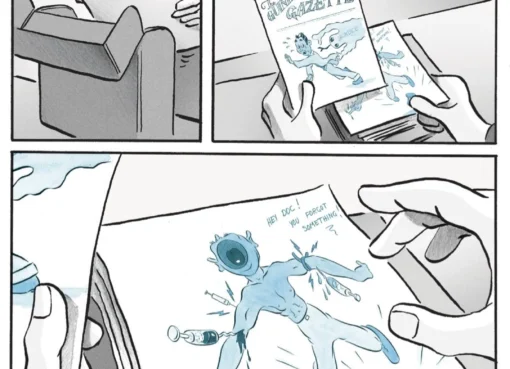
The publication of Paper Airplane Vol. 2 marks a significant milestone for its founder and editor, Nick Norlen. Described by its creator as “Highlights, but for adults,” the magazine offers a curated blend of long-form journalism, experimental comics, intricate puzzles, and interactive games. Unlike the glossy, ad-heavy periodicals of the late 20th century or the data-mined digital platforms of today, Paper Airplane operates under a strict editorial manifesto: no ads, no cynicism, and—most importantly—no A.I.
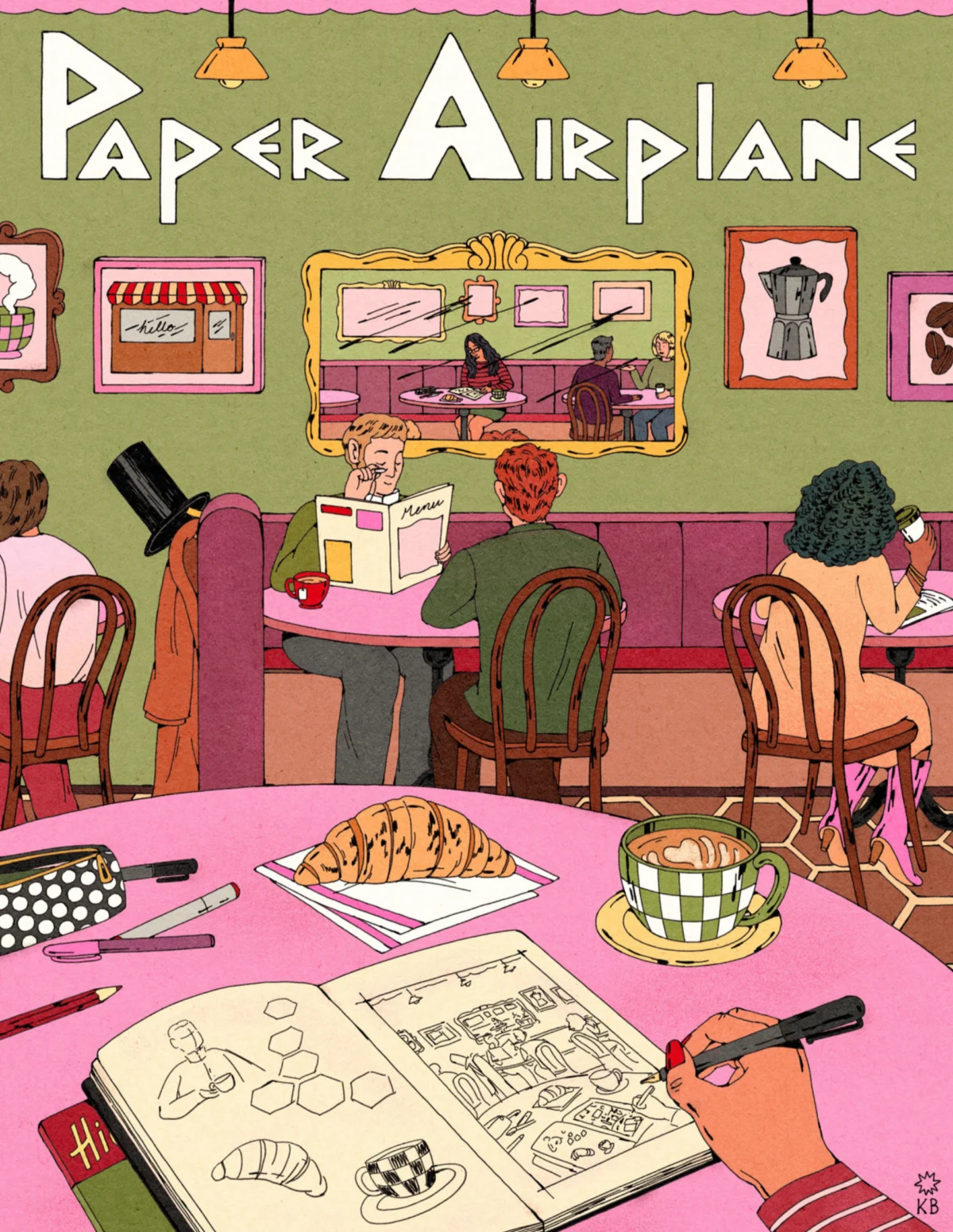
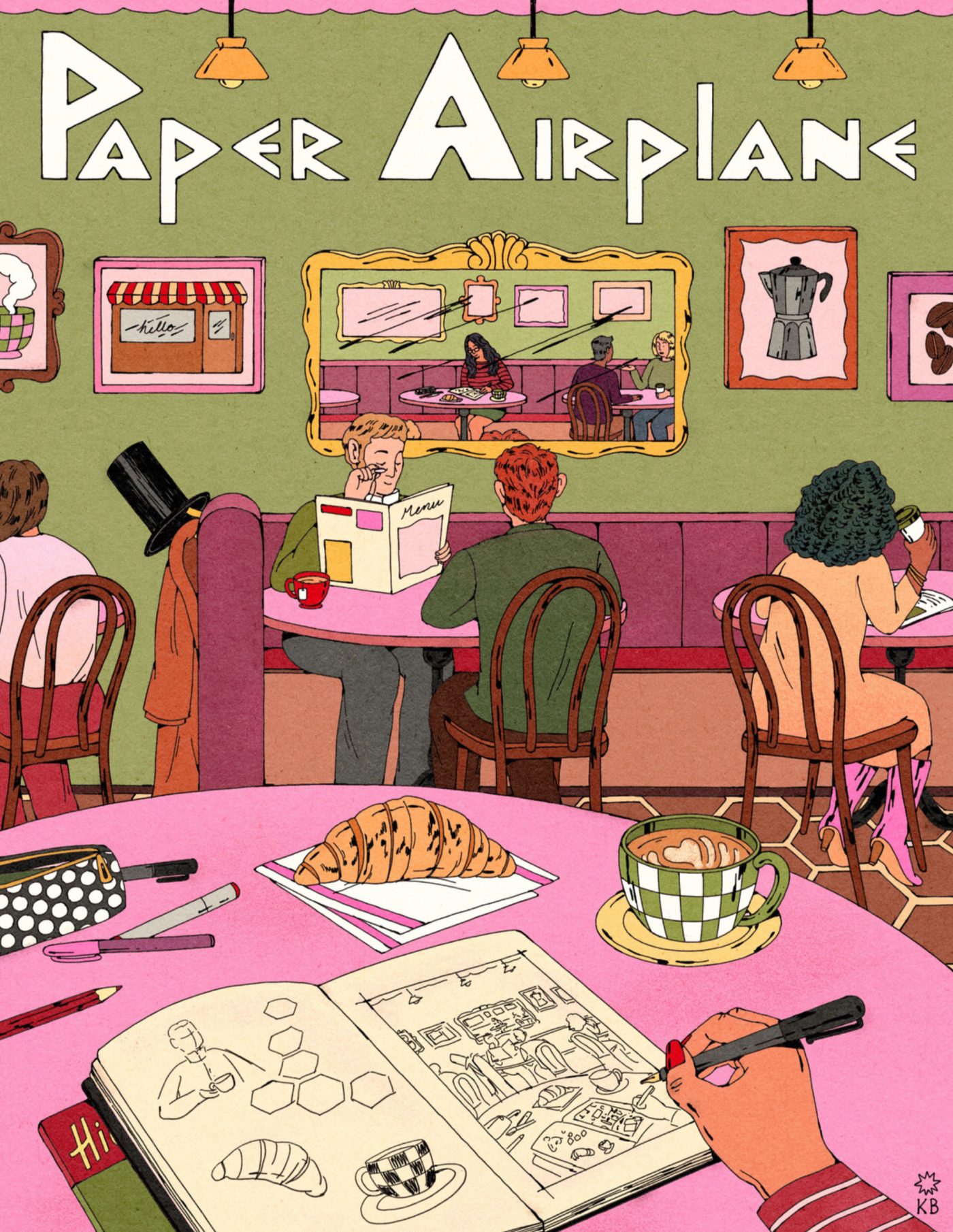
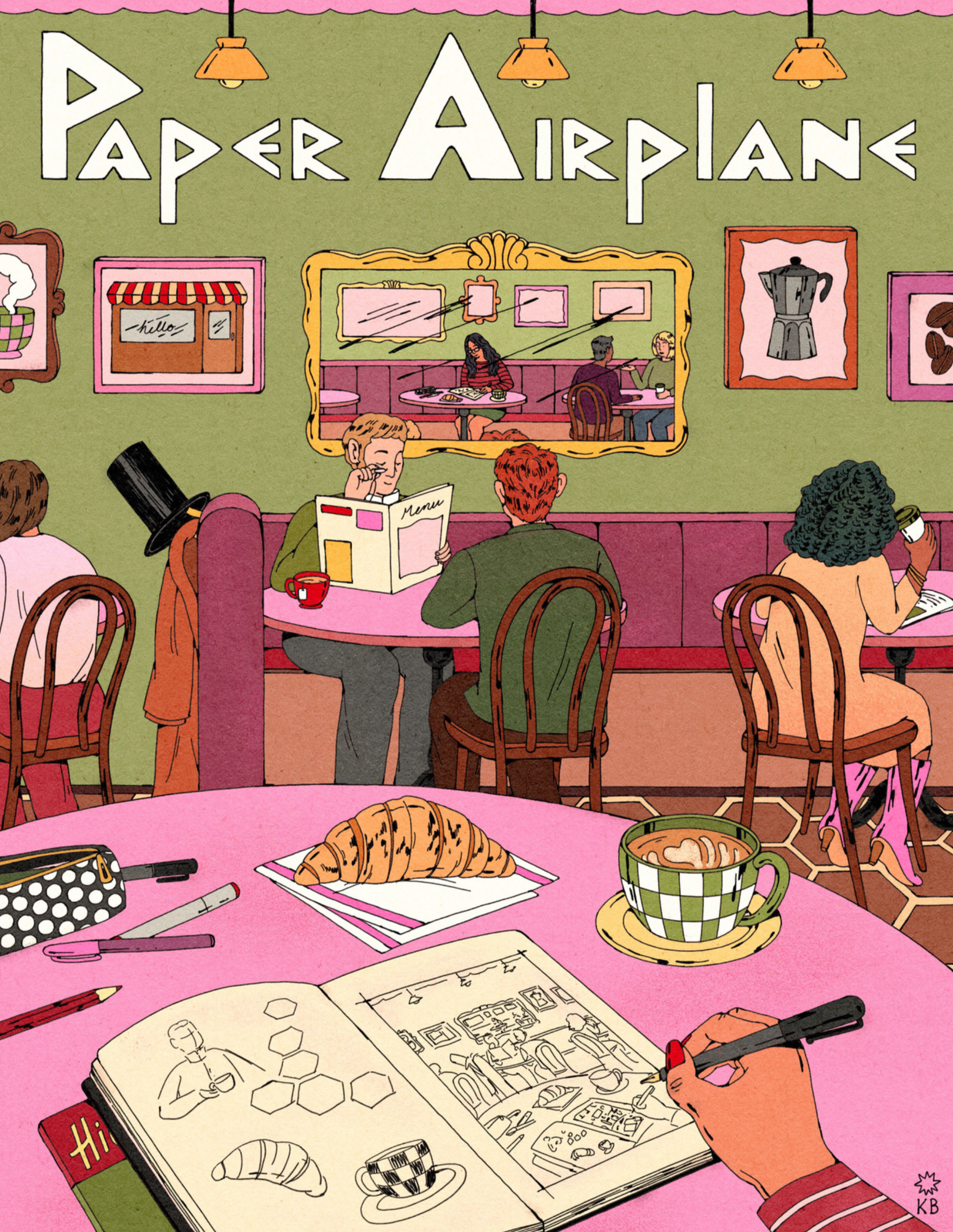
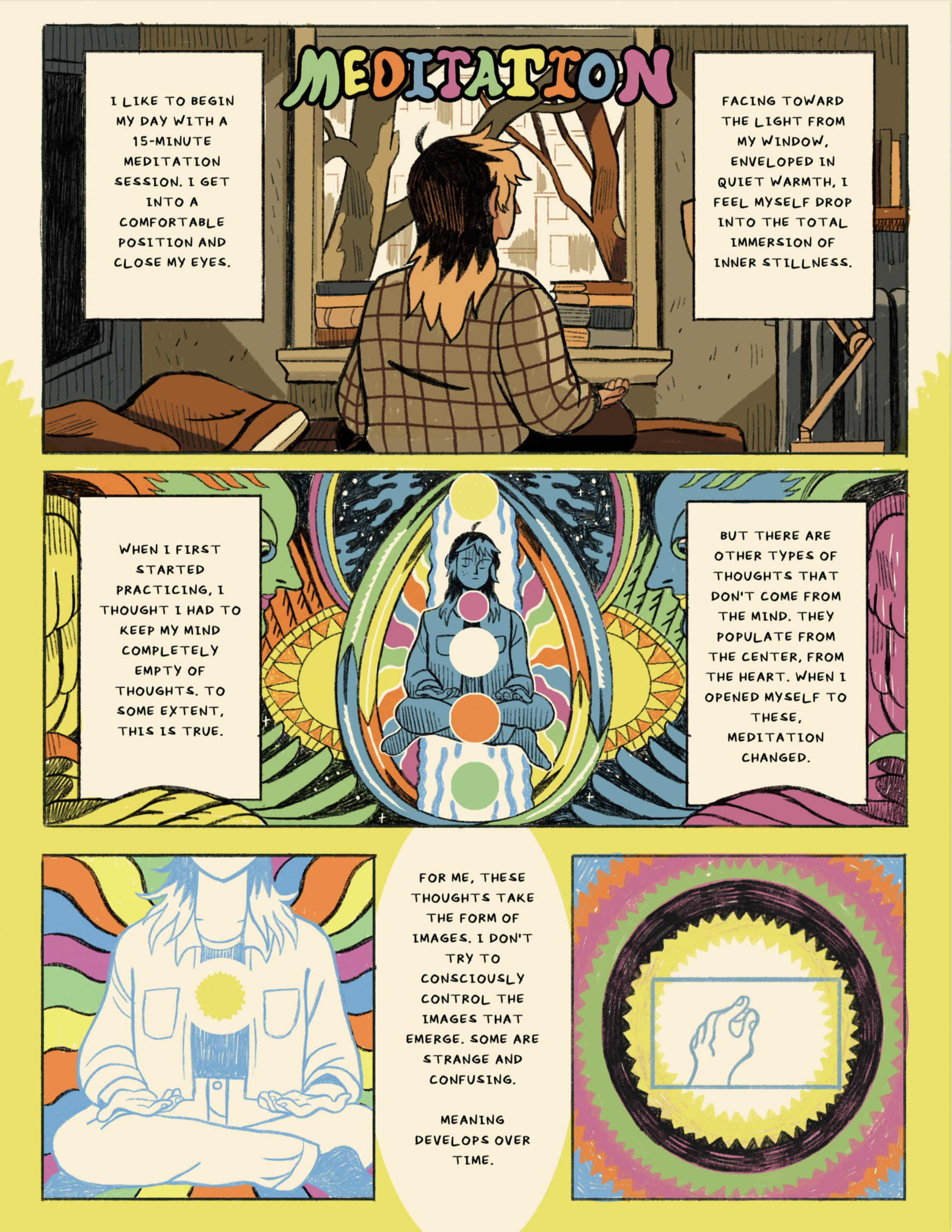
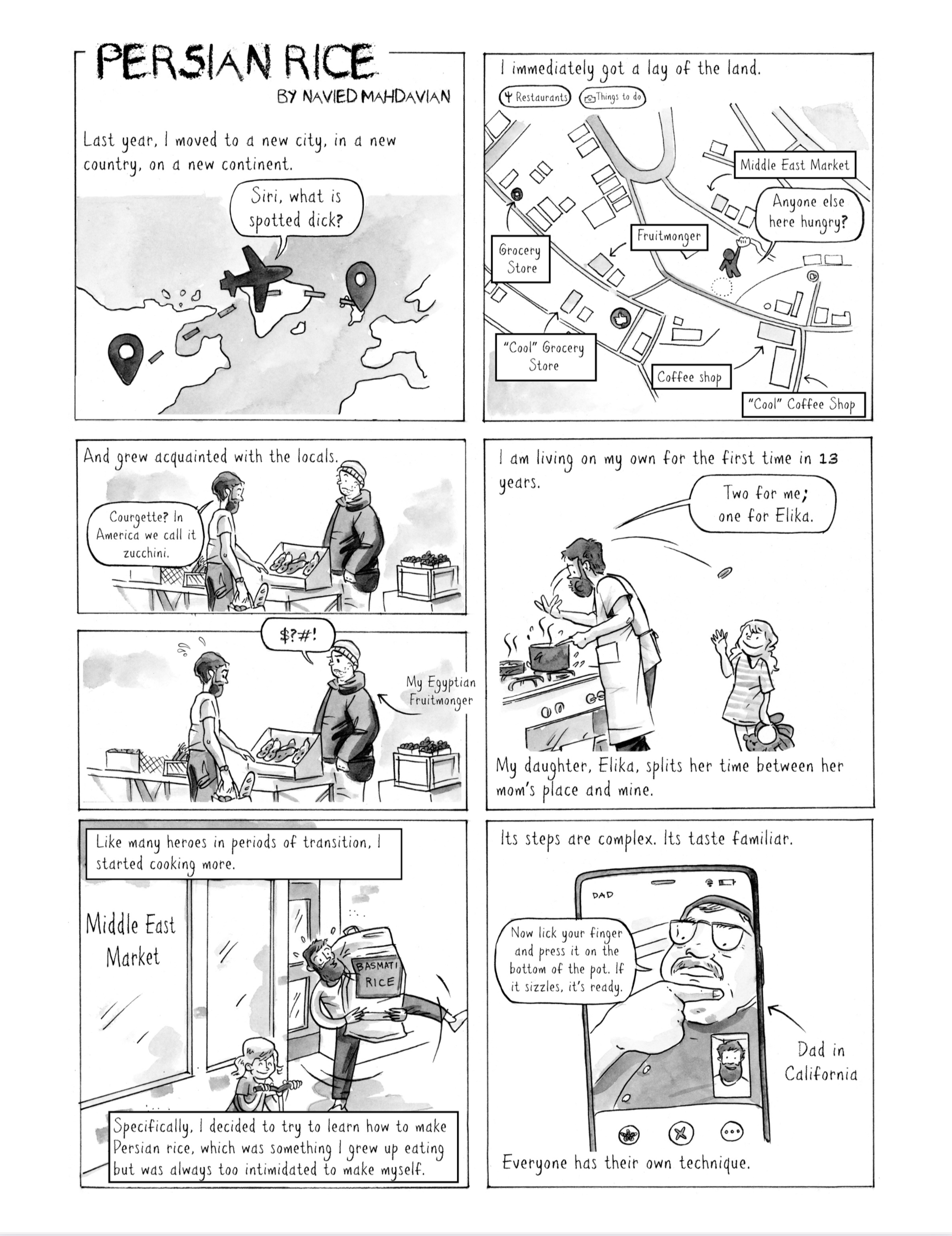
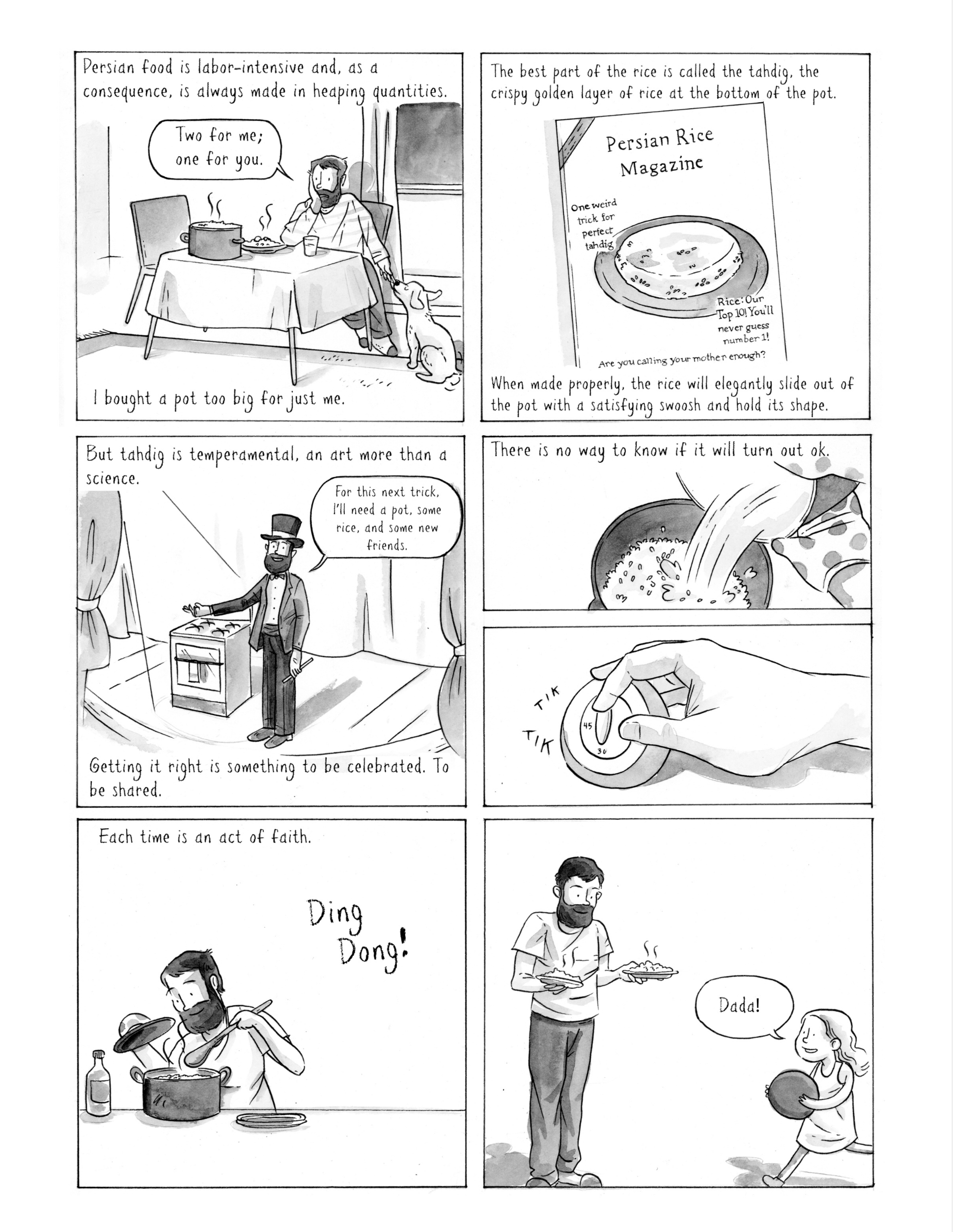
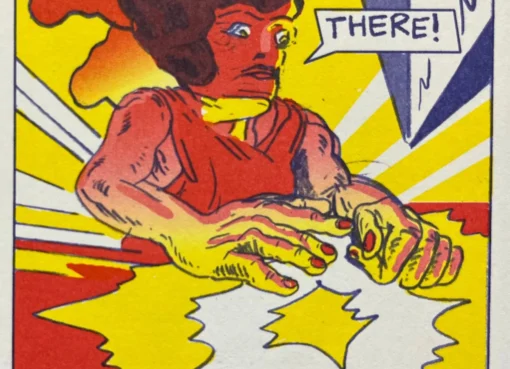
The latest volume features a cover illustration by Kaitlin Brito, whose vibrant, textural style sets the tone for a collection that celebrates the "quirks and wonders" of human creativity. Inside, the magazine hosts a roster of acclaimed talent from the indie comics and literary worlds, including K. Wroten, Navied Mahdavian, and Maris Wicks. Each contributor brings a distinct visual and narrative voice, contributing to a cohesive whole that prioritizes the reader’s experience over "engagement metrics."
Available in both digital and high-quality print editions, the magazine represents a defiant stance against the "content farm" model of media. By focusing on the "inefficiency of real life," Norlen and his team aim to provide a sanctuary for readers who crave intentionality and artistic authenticity.
Chronology: From Humanitarian Roots to Editorial Autonomy
The journey of Paper Airplane began not as a commercial venture, but as a response to global crisis.
The Genesis: Volume 1
In the early 2020s, the initial concept for Paper Airplane was conceived as a one-off fundraiser. The goal was to leverage the talents of the independent comics community to support Refugees.org. This first volume served as a proof of concept, demonstrating that there was a significant appetite for a publication that blended the nostalgic, interactive elements of a children’s activity book with the sophisticated storytelling of an adult literary journal.
The Pivot to Sustainability
Following the success of the first volume, Nick Norlen recognized that the "adult Highlights" model filled a vacuum in the market. Readers were not just looking for something to read; they were looking for something to do and something to keep. Between 2024 and 2026, the editorial team worked to establish a sustainable model for the magazine, moving toward a subscription-based framework that would allow them to pay artists fairly while maintaining an ad-free environment.
The Launch of Volume 2
On May 1, 2026, The Comics Journal (TCJ) officially showcased the launch of Volume 2. This new iteration expanded the magazine’s scope, securing contributions from heavyweights in the comics industry. The launch was accompanied by a digital and print rollout, signaling that Paper Airplane had successfully moved from a charitable experiment to a permanent fixture in the independent media ecosystem.
Supporting Data: The Independent Media Landscape
The emergence of Paper Airplane is supported by several key trends in the media and publishing industries.
The Backlash Against Generative AI
A 2025 study on media consumption habits indicated that 68% of readers expressed "significant concern" regarding the use of AI-generated text and art in magazines. This sentiment has created a premium market for "Human-Made" certification. Paper Airplane’s strict "No A.I." policy is not merely an aesthetic choice but a strategic one, positioning the magazine as a high-trust source in a low-trust information environment.
The "Highlights" Nostalgia Factor
Highlights for Children, founded in 1946, was famous for its "Hidden Pictures" and the "Goofus and Gallant" moral parables. For the generation now entering middle age—the "Millennial" and "Gen X" demographics—these formats represent a comforting, focused mode of consumption. By repurposing these formats for adult themes (politics, philosophy, and complex emotional narratives), Paper Airplane taps into a deep-seated psychological preference for structured, tactile engagement.
Contributor Profiles
The strength of Volume 2 lies in its diverse array of voices:
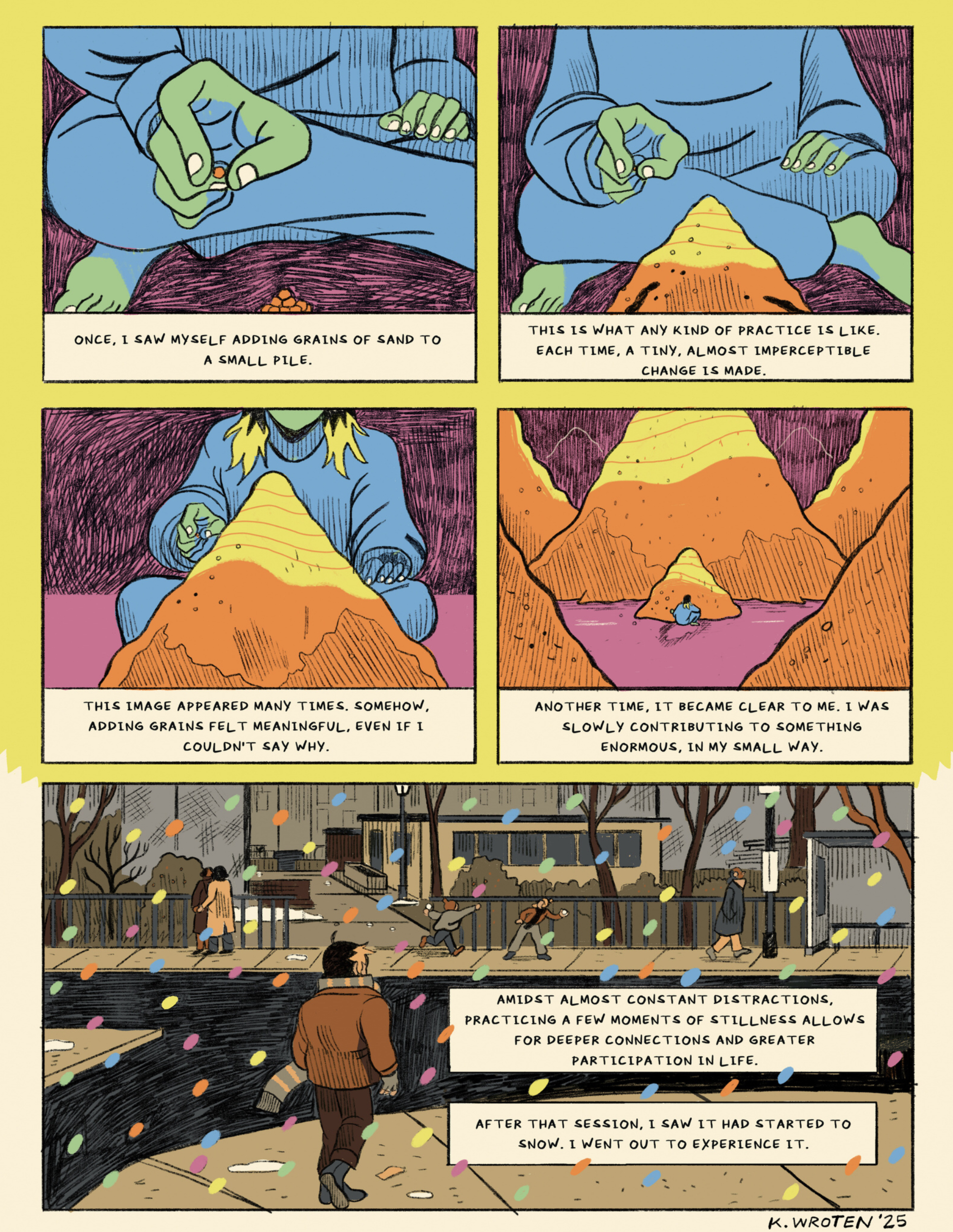
- K. Wroten: Known for their critically acclaimed graphic novel Eden II, Wroten’s work often explores the intersections of technology, isolation, and identity. Their inclusion in Paper Airplane brings a layer of sophisticated social commentary.
- Navied Mahdavian: A regular contributor to The New Yorker, Mahdavian’s minimalist style and sharp wit provide the magazine with a satirical edge that balances its more earnest sections.
- Maris Wicks: An expert in educational comics, Wicks’ ability to render complex scientific or natural concepts into engaging visuals aligns perfectly with the magazine’s goal of celebrating "natural beauty."
Official Responses: The Editor’s Philosophy
In a statement shared with The Comics Journal, editor and founder Nick Norlen articulated the driving force behind the publication. His words reflect a growing sentiment among independent creators who feel alienated by the current state of digital discourse.
“‘Like Highlights, but for adults.’ This is how I once described what my ideal magazine would be like,” Norlen stated. “As soon as I said it, I knew I had to make it exist. It’s obvious that there is an increasing craving for independent media created by humans for humans. Every single page in Paper Airplane is made for the reader—you—to enjoy. Not to feed the algo or fill space with content.”
Norlen’s emphasis on "human inefficiency" serves as a direct critique of the optimization-obsessed tech industry. He argues that the very things that make art meaningful—its quirks, its occasional messiness, and its lack of a hidden commercial agenda—are exactly what are being lost in the digital transition.
“The whole point of the magazine is to celebrate human creativity and natural beauty,” Norlen added. “To revel in all the quirks and wonders and small moments that come from the inefficiency of real life. No cynicism. No ads. No A.I.”
Implications: The Future of Niche Publishing
The success of Paper Airplane suggests a potential roadmap for the future of print. As mainstream magazines continue to struggle with declining ad revenue and the pivot to video, niche "boutique" publications are finding success by moving in the opposite direction.
The Return of the Physical Object
Paper Airplane treats the magazine as a collectible object. The use of high-quality paper stock, vibrant inks, and interactive elements (puzzles that must be solved with a physical pen) encourages a "slow" reading experience. This mirrors the "Vinyl Renaissance" in the music industry, where consumers are willing to pay a premium for a physical experience that digital streaming cannot replicate.
A New Economic Model for Artists
By bypassing the traditional ad-supported model, Paper Airplane relies on direct-to-consumer support. This allows the editors to take risks on experimental long-form writing and non-commercial comics that would be rejected by larger outlets. If this model proves scalable, it could provide a blueprint for other independent collectives to find financial stability without compromising their artistic integrity.
Combating "Digital Fatigue"
The "No Cynicism" rule in Paper Airplane’s manifesto is particularly relevant in an age of doom-scrolling and polarized social media. By offering a space that is intentionally joyful and curiosity-driven, the magazine serves a therapeutic function. It suggests that the next frontier of media may not be more sophisticated technology, but rather a return to the basic human needs for wonder, play, and quiet reflection.
In conclusion, Paper Airplane Vol. 2 is more than just a collection of comics and puzzles; it is a manifesto for a more intentional way of living and consuming media. As it lands in the hands of readers across the globe, it carries with it the hope that human creativity, in all its inefficient glory, will always find a way to take flight.

Leave a Comment