The Silence of the Schoolyard: Naono Yoshiko and the Architecture of Trauma Shojo
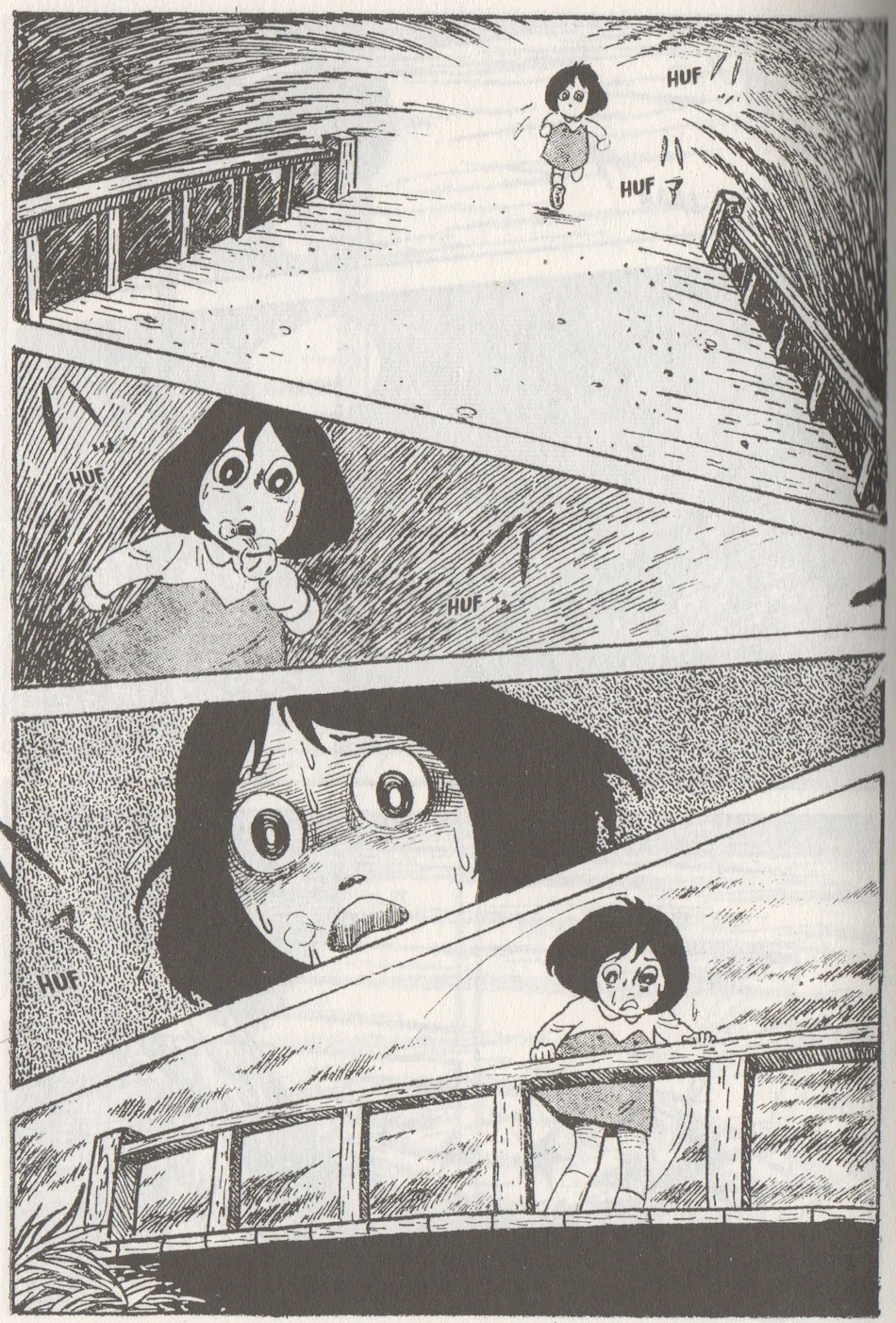
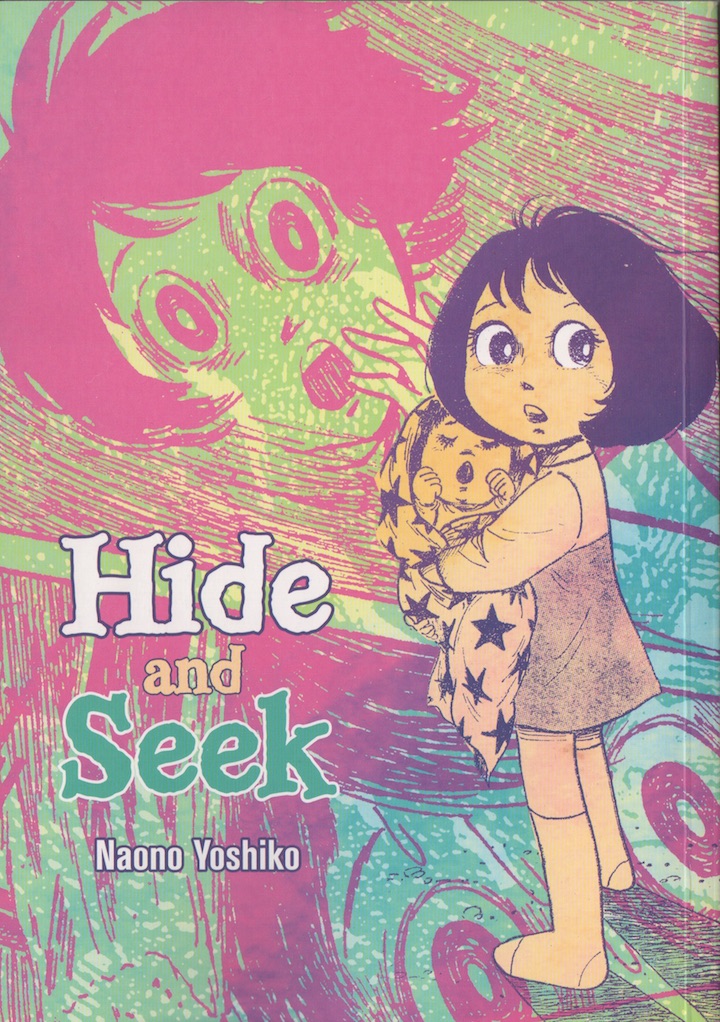
In the pantheon of Japanese horror manga, the name Kazuo Umezz often evokes the image of a child screaming—a visceral, hysterical reaction to a world gone mad. Yet, in the shadow of Umezz’s high-decibel nightmares, there exists a quieter, perhaps more insidious form of terror. It is found in the works of Naono Yoshiko, specifically within the haunting pages of Hide And Seek, a collection recently released by the Smudge imprint. This volume introduces English-speaking audiences to "trauma shojo," a genre designation that replaces the supernatural monster with the internal desperation of childhood.
While the masters of the genre often lean into the grotesque or the fantastical, Naono’s work operates in the silence where despair lies. It is a world where the horror is not an external threat, but a consequence of the child’s own internal logic—a logic that is as fragile as it is lethal.
Main Facts: The Emergence of Trauma Shojo
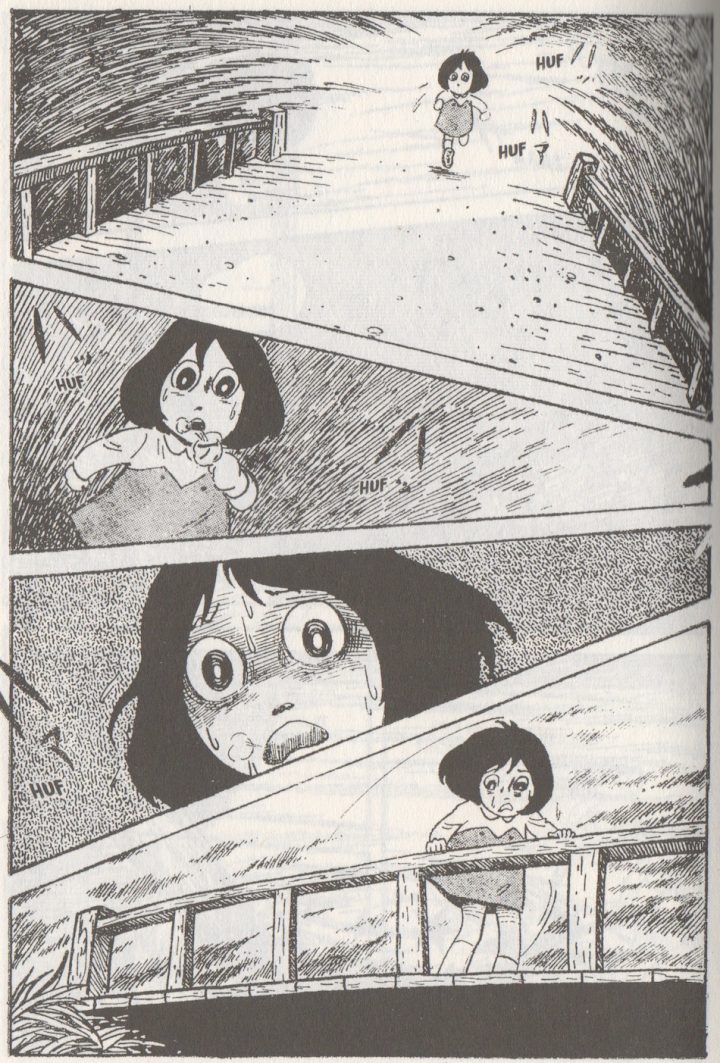
Hide And Seek serves as a critical retrospective of Naono Yoshiko’s contributions to the shojo (girls’ manga) landscape of the 1970s. Unlike the elegant, refined linework of her contemporaries like Kuniko Tsurita, Naono’s art is characterized by a "rough-hewn" aesthetic. This perceived amateurism, however, is precisely what gives the work its psychological weight. The pupils of her characters’ eyes, rendered in jagged marks rather than solid blacks, suggest a constant, suppressed well of tears.
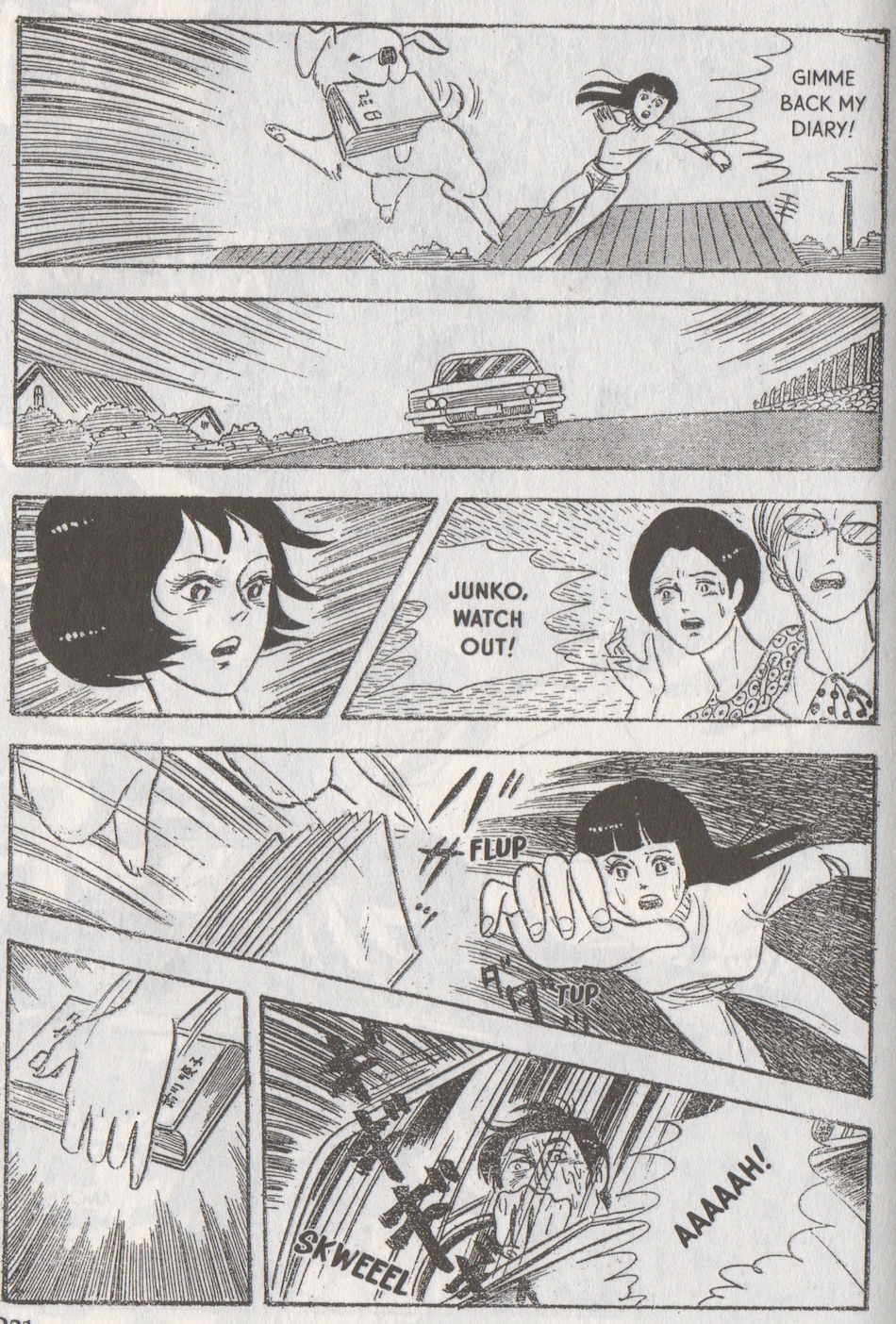
The collection, edited by Ryan Holmberg for Smudge, focuses on a specific strain of "trauma shojo." This subgenre deals less with ghosts and more with the crushing weight of childhood melancholy and the terrifying consequences of emotional immaturity. Naono’s protagonists do not face vampires or demons; they face the catastrophic fallout of losing a diary or the perceived social shame of wearing handmade clothes. In Naono’s universe, these minor domestic slights are the catalysts for murder and self-destruction.
Chronology: From Garo to the Mainstream
Naono Yoshiko’s career trajectory is as unconventional as her subject matter. To understand the stylistic choices in Hide And Seek, one must look at her origins:
- The Garo Period: Before entering the mainstream shojo market, Naono was a contributor to Garo, the legendary avant-garde manga magazine. This background in experimental, non-commercial storytelling provided her with a foundation in "dissonance"—the ability to communicate a sense of "wrongness" through art that rejects traditional mastery.
- The 1970s Shojo Boom: The stories in Hide And Seek were originally published fifty years ago in mainstream girls’ magazines. During this era, editors were often at odds with Naono’s raw style, pushing her to meet professional standards while she felt "psychologically compelled" to maintain a certain naiveté.
- The Loss of Originals: A tragic footnote in the chronology of this work is the destruction of Naono’s original manuscripts during an earthquake. Consequently, the Smudge edition is sourced from scans of the original magazines. While this results in a loss of some image clarity, it adds a layer of "found footage" grit to the reading experience.
- Modern Rediscovery: The 2026 release of Hide And Seek marks a pivotal moment for Western scholars and fans of "gekiga" (serious manga) and horror, placing Naono alongside icons like Shigeru Mizuki and Kazuo Umezz.
Supporting Data: The Anatomy of a Child’s Hell
The psychological terror in Naono’s work is rooted in what the author describes as a "hypnogogic space"—the darkened room where shadows become monsters. However, the true horror is the "constant terror" of not understanding how consequences work.
The Logic of the Extreme
In the story "Wool Overalls," a young boy is gifted handmade clothes by his grandmother. Despite receiving compliments from his peers, the boy feels a deep, irrational embarrassment. In a standard shojo story, he might learn a lesson about love and gratitude. In Naono’s trauma shojo, the resolution is absolute: he kills his grandmother. This shift from mundane discomfort to ultimate violence highlights the "hells of the protagonists’ own making."
Stylistic Dissonance
Naono’s art functions as a mediator for emotions that cannot be articulated. The "naiveté" of her drawing style suits the subject matter because it mirrors the unfinished, unrefined nature of a child’s psyche. By avoiding the elegance of traditional shojo art, she prevents the reader from finding comfort in the aesthetics, forcing them to confront the "pretty upsetting" nature of the narratives.
Comparative Media
The article draws a parallel between Naono’s work and Carlos Saura’s 1976 film Cria Cuervos. Both works examine the internal world of children who decide to kill their elders with a casual, almost clinical detachment. While Saura’s film is a political allegory for Franco’s Spain, Naono’s work is more insular, focusing on the raw, apolitical impulse of the child as an isolated actor.
Official Responses and Editorial Context
The publication of Hide And Seek has not been without controversy, particularly regarding the editorial choices made by Smudge.
Translation and Technical Critiques
Reviewers have noted several "typos and errors of translation" by editor Ryan Holmberg. A notable example occurs in "Wool Overalls," where characters refer to clothes as "nice digs." As critics have pointed out, "digs" historically refers to a place of residence, whereas the era-appropriate slang for clothing would have been "duds." Such linguistic anachronisms can occasionally break the immersion of the 1970s setting.
The Artist’s Retrospective
In her accompanying essay for the volume, Naono Yoshiko admits that many of her plot points "would not fly these days" for a child audience. She reflects on the tension between her creative impulses and the editorial demands of the 1970s, acknowledging that her work was often "not for everyone." This self-awareness provides a crucial lens through which to view the "amateurish" qualities of the art—not as a lack of skill, but as a deliberate refusal to sanitize the trauma being depicted.
Implications: The Legacy of Parental Inattention
The resurgence of Naono’s work in the 2020s offers a profound opportunity to analyze the adults that these "traumatized children" grew into. The article suggests that Hide And Seek is a precursor to the North American alternative cartooning movement of the 1990s.
The Gen X Connection
The work of artists like Phoebe Gloeckner, Chester Brown, and Debbie Drechsler is marked by a "parental inattention" that defined the Generation X experience. This was a "freedom that passed into terror," where children were left to navigate a world of sexual predation and emotional neglect without adult mediation. Naono’s stories, though older, capture this same "makeup of the world" where horror is a mundane fact of life.
The Political Valence of Fascism
In a provocative turn, the analysis links the psychological instability found in trauma shojo to modern sociopolitical movements. It argues that the "death drive of fascism" depends on a specific kind of psychological fragmentation—one often rooted in childhoods where parental love was mitigated by technology or neglect. By examining the "violent overreaction to momentary discomfort" in Naono’s characters, we can see a mirror of the modern "thought-terminating" ideologies that fuel contemporary right-wing movements.
The Final Accusation
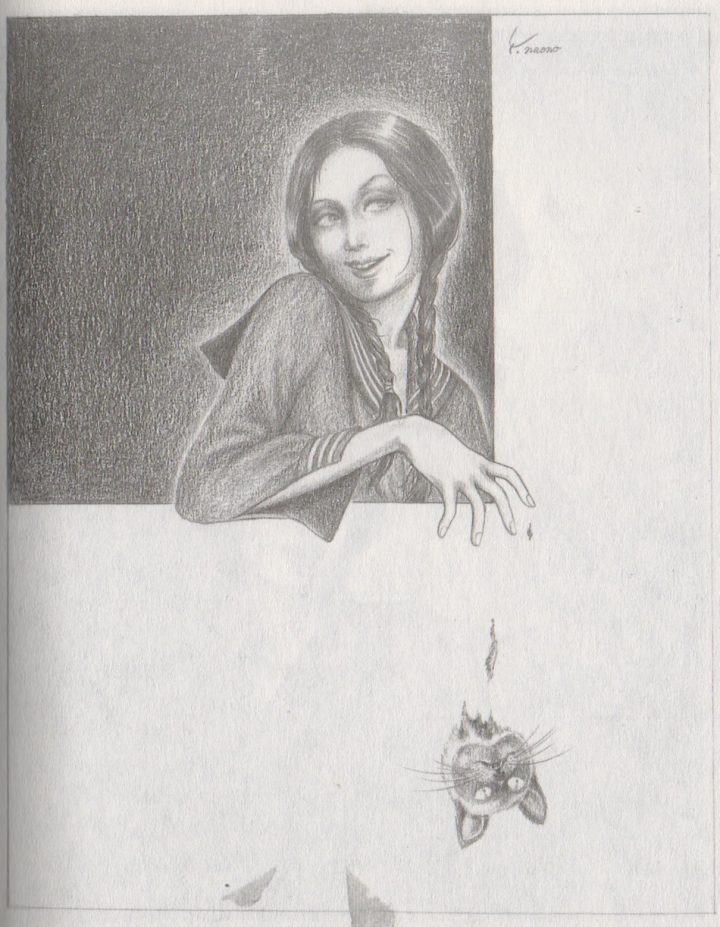
The volume concludes with a sequence that feels deeply rooted in the Garo tradition: a hand pointing out from the darkness toward the reader. This "accusing finger" suggests a total identification with the protagonist. The reader is no longer an observer; they are a participant in the child’s guilt.
Ultimately, Naono Yoshiko’s work stands as a testament to the "right to scream." While Kazuo Umezz’s characters scream at the monsters outside, Naono’s characters are silenced by the monsters within. In rediscovering Hide And Seek, we are reminded that the quietest rooms often hold the loudest despairs, and that the "melancholy of childhood" is a landscape from which many never truly escape.